

Overview
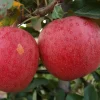
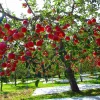
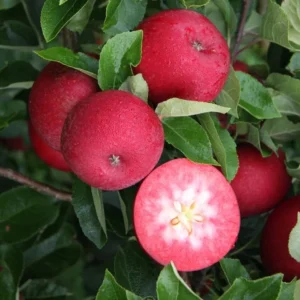
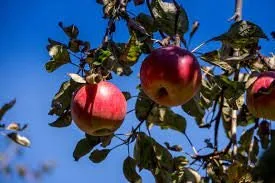
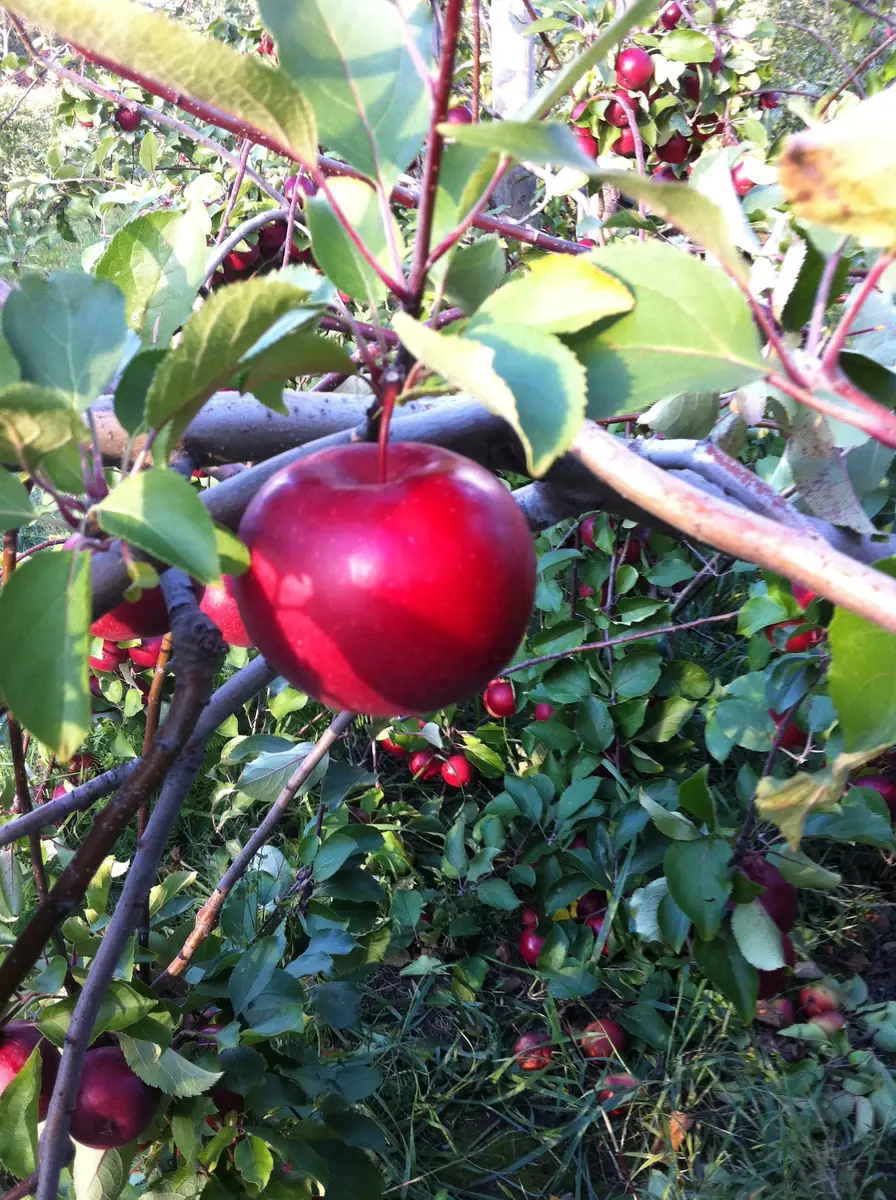
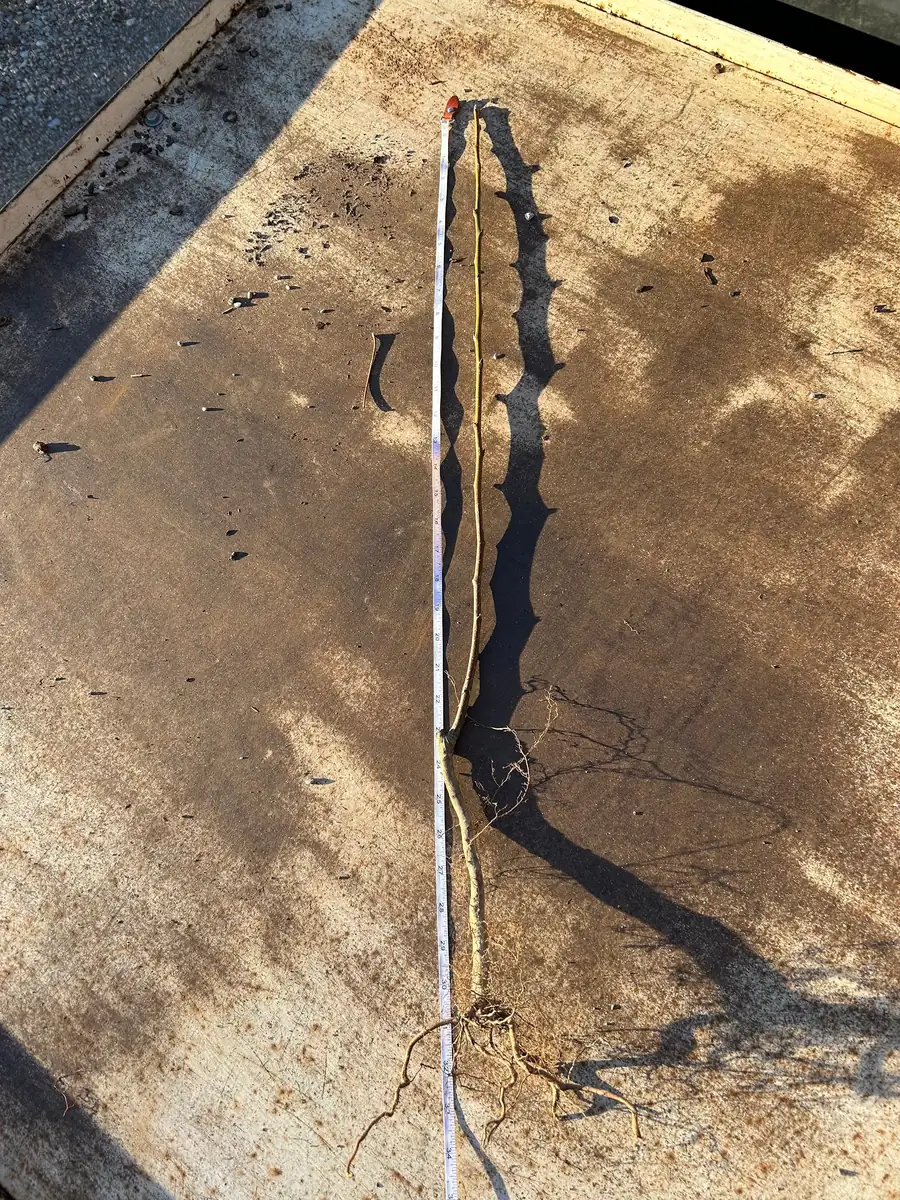
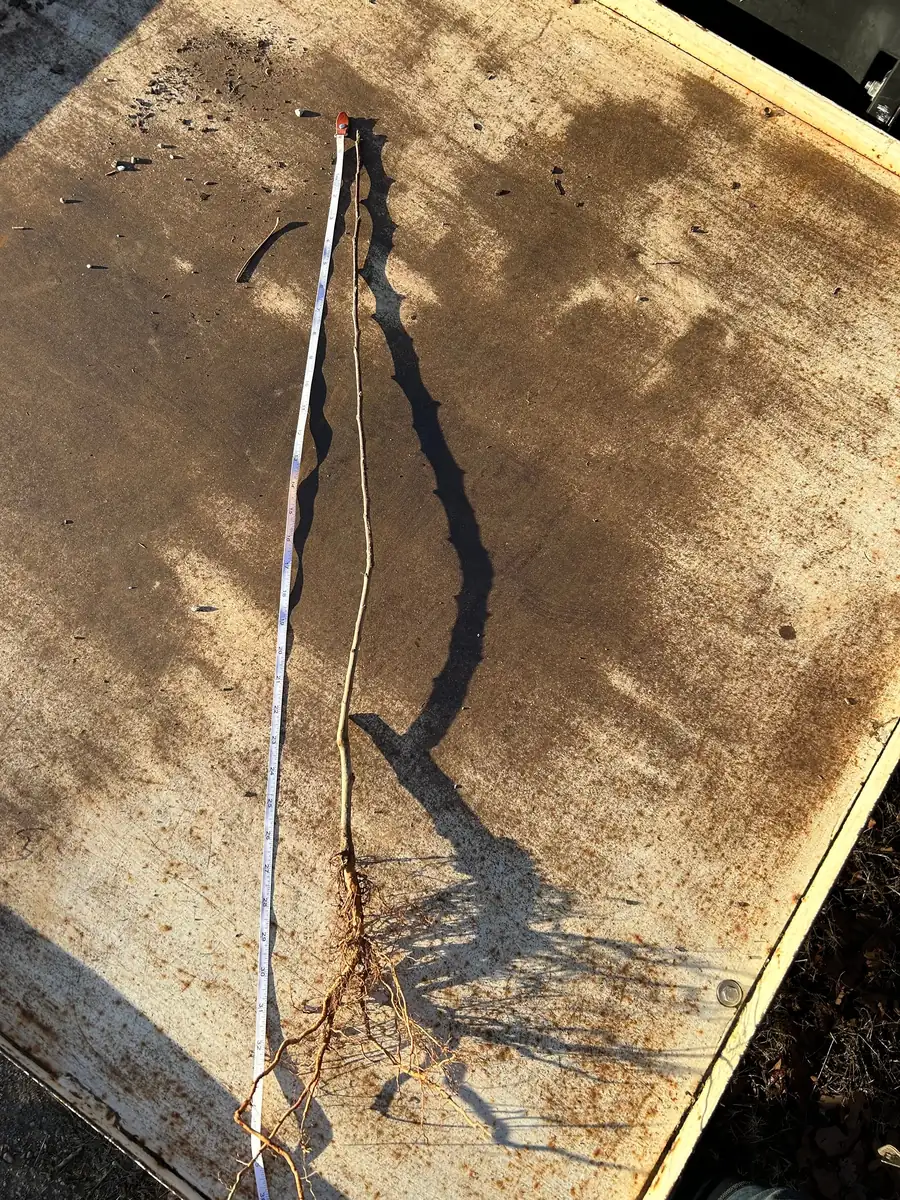
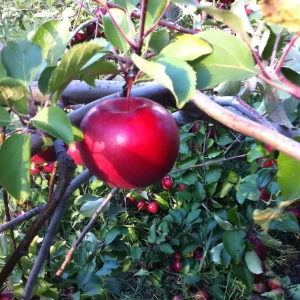
Experience the joy of growing your own fruit with the iconic McIntosh Apple Tree bareroot. This 2-3 ft tall live plant comes as a bare-root specimen, ready to establish quickly in your garden. The McIntosh apple, scientifically known as Malus domestica ‘McIntosh’, is a beloved variety famous for its vibrant red skin and crisp, tangy-sweet flesh. It’s an ideal choice for home gardeners looking for a reliable and productive apple tree. This particular variety is known for its early ripening season, meaning you’ll be enjoying fresh, homegrown apples sooner than with many other types. Its robust nature makes it a popular selection for various climates within its recommended hardiness zones, promising a bountiful harvest for years to come. Whether you’re a seasoned gardener or just starting your fruit-growing journey, the McIntosh Apple Tree bareroot offers a rewarding experience.
The Malus domestica McIntosh is not only a source of delicious fruit but also an attractive addition to any landscape. Its moderate growth rate and mature height of 12-15 feet make it suitable for many garden sizes. With proper care, you can expect this tree to begin bearing fruit as early as its first year, providing a quick return on your gardening efforts. This classic apple variety continues to be a favorite for its versatile fruit and relatively straightforward cultivation, making it a cornerstone for any home orchard. Discover the satisfaction of harvesting your own apples with this exceptional tree.
Key Benefits
The McIntosh Apple Tree bareroot offers numerous advantages for the home gardener, blending ease of care with abundant yields and delicious fruit. Planting this tree brings a host of benefits:
- Abundant & Early Harvest: This variety produces heavily and ripens early in the season, typically in September, allowing you to enjoy fresh apples sooner than many other varieties. You can expect a consistent yearly yield.
- Distinctive Flavor Profile: McIntosh apples are renowned for their light, tangy flavor and crisp texture, making them excellent for fresh eating, baking pies, making sauces, or crafting homemade apple cider.
- Ease of Organic Growing: The McIntosh apple tree is recognized for its natural resistance to many common pests and diseases, reducing the need for chemical sprays and making it easier to grow McIntosh apples organically.
- Hardy & Resilient: With robust strength and adaptability, this apple tree is known for being easy to grow, thriving even for those without extensive gardening experience. It exhibits strong, healthy growth.
- Versatile Culinary Use: Beyond fresh consumption, the apples are perfect for a wide range of culinary applications, from sweet desserts to savory dishes and beverages.
- Adaptable to Various Climates: Flourishing in USDA Zones 4-7, this tree is suitable for a broad range of temperate climates, ensuring good performance in many regions.
- Potential for Early Fruiting: Many growers report that this apple tree can begin to bear fruit as early as its first year after planting, providing quicker gratification for your efforts.
Plant Care & Growing Tips
Caring for your McIntosh Apple Tree bareroot involves understanding its fundamental needs to ensure healthy growth and a bountiful harvest. For optimal growth, these trees require full sun exposure, meaning at least 6-8 hours of direct sunlight daily. Choose a planting site that receives ample light throughout the day. When it comes to soil, the McIntosh apple tree thrives in well-draining, fertile loam. While it’s adaptable, avoid heavy clay soils that retain too much moisture or overly sandy soils that drain too quickly. Amending your soil with organic matter before planting can significantly improve its structure and nutrient content. Ensure the pH is slightly acidic to neutral, ideally between 6.0 and 7.0.
Watering is crucial, especially during the tree’s first few years and during dry spells. Keep the soil consistently moist but not waterlogged. Deep watering encourages roots to grow deeper, making the tree more drought-tolerant over time. Fertilize in early spring with a balanced fruit tree fertilizer, following package instructions. Pruning is essential for maintaining tree health, shape, and fruit production. Annually prune in late winter while the tree is dormant, removing dead, diseased, or crossing branches, and thinning out excess growth to allow light and air circulation. Being a non-self-fertile variety, you will need to plant another apple variety nearby (such as Gala, Fuji, or Honeycrisp) for successful pollination and fruit set. This cross-pollination is vital to grow McIntosh apples effectively. Watch out for common apple tree pests like codling moths or apple maggots, and diseases such as apple scab, though the McIntosh has good resistance. Regular inspection and appropriate organic treatments can keep these issues at bay, ensuring your apple tree care routine is effective and sustainable.
Size & Details
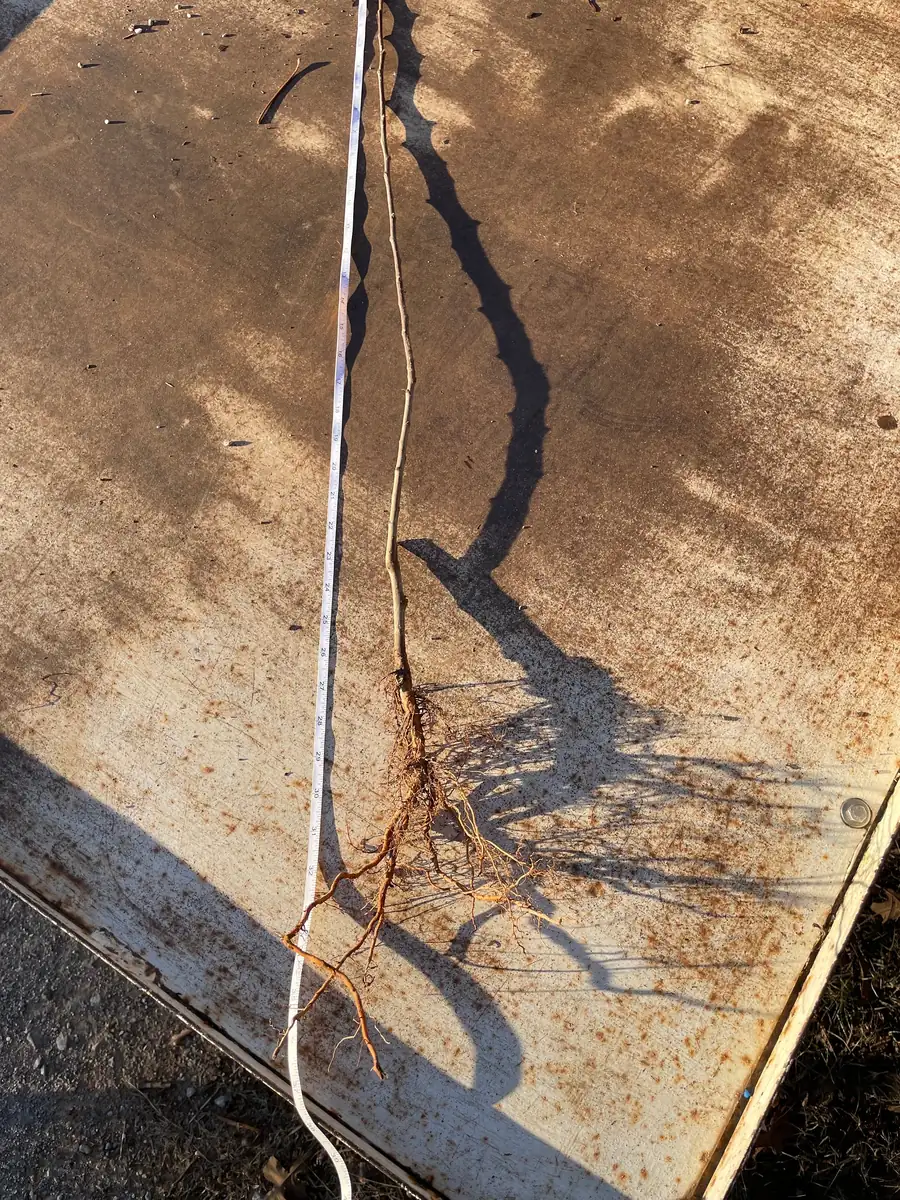
The McIntosh Apple Tree bareroot arrives as a dormant, unpotted specimen, typically measuring 2-3 feet tall from the root collar to the tip of the highest branch. As a moderate-growing tree, it will gradually reach a mature height of 12-15 feet and a spread of 8-10 feet, creating a beautiful canopy ideal for providing shade and fruit. This live plant is designed to be planted directly into the ground upon arrival, allowing its root system to establish quickly. With proper care, it can begin bearing fruit as early as the first year after planting, with consistent harvests expected in subsequent years. The harvest time for its distinctive red-skinned apples is generally in September. This tree is hardy and performs best in USDA Zones 4-7, making it suitable for a wide range of temperate climates. When planning your garden, remember that this variety requires a cross-pollinator to produce fruit, so consider planting another compatible apple tree nearby.
Frequently Asked Questions
- Q: How big does this 2-3 ft bareroot McIntosh Apple Tree get at maturity? A: The McIntosh Apple Tree bareroot typically reaches a mature height of 12-15 feet and a spread of 8-10 feet. Its moderate growth rate allows it to develop into a stately fruiting tree over time.
- Q: Is this an indoor or outdoor plant? How much sunlight does it need? A: This is an outdoor fruiting tree. It requires at least 6-8 hours of direct sunlight per day, so choose a location in your garden that receives full sun exposure for best results.
- Q: Is this apple tree easy to care for, especially for beginners? A: Yes, the McIntosh is considered relatively easy to grow due to its hardiness and natural resistance to many common pests and diseases. With basic apple tree care guidelines for sunlight, water, and pollination, even beginners can successfully grow McIntosh apples.
- Q: What condition will the bareroot tree arrive in? Is it shipped in soil? A: The tree will arrive dormant and bare-rooted, meaning it will not be in a pot or soil. Its roots will be protected during transit to ensure it’s ready for planting upon arrival.
- Q: When is the best time to plant this tree, and how long until it blooms or fruits? A: The optimal time for planting bareroot trees is in early spring, after the last frost. Many growers report that the McIntosh can begin to fruit as early as its first year, with more substantial harvests in subsequent years.
- Q: Will it survive winter in my zone? What’s the minimum temperature it can tolerate? A: The McIntosh apple tree is hardy in USDA Zones 4-7, meaning it can tolerate winter temperatures typically down to -30°F to -20°F (Zone 4) when established. Always check your specific zone.
- Q: Does this apple tree need another apple tree to produce fruit? A: Yes, the McIntosh is not self-fertile. You will need to plant another compatible apple variety nearby for cross-pollination to ensure fruit production. Good pollinators include Gala, Fuji, and Honeycrisp.
- Q: Can I use the apples for baking and cooking, or are they just for fresh eating? A: McIntosh apples are incredibly versatile. While delicious fresh, their tangy flavor and texture also make them excellent for baking pies, creating sauces, and pressing into cider.
- Q: What kind of soil does the Malus domestica McIntosh prefer? A: This tree prefers well-draining, fertile loamy soil with a slightly acidic to neutral pH (6.0-7.0). Amending heavy clay or sandy soils with organic matter can improve growth.
- Q: Is the early ripening apple tree resistant to pests? A: The McIntosh variety generally exhibits good resistance to common apple tree pests and diseases, making it a favorable choice for organic gardening and reducing the need for frequent interventions.


Reviews
There are no reviews yet.