

Overview
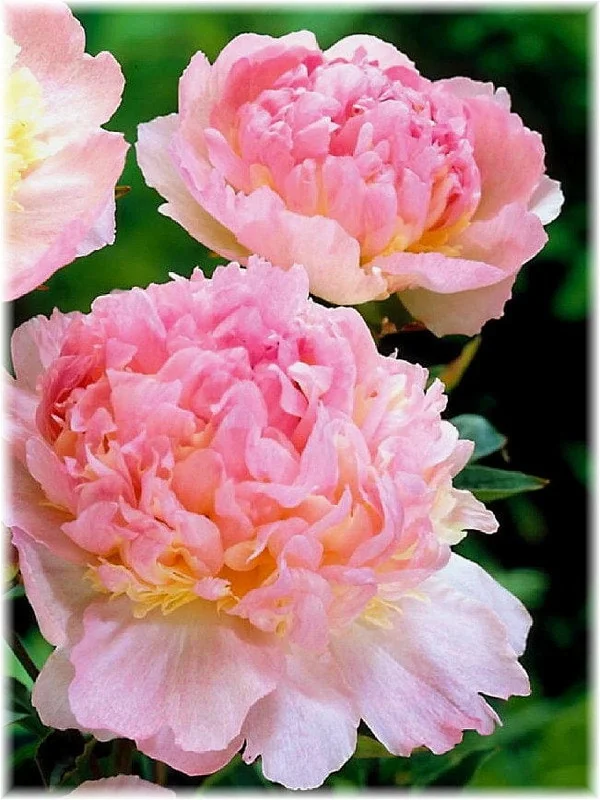
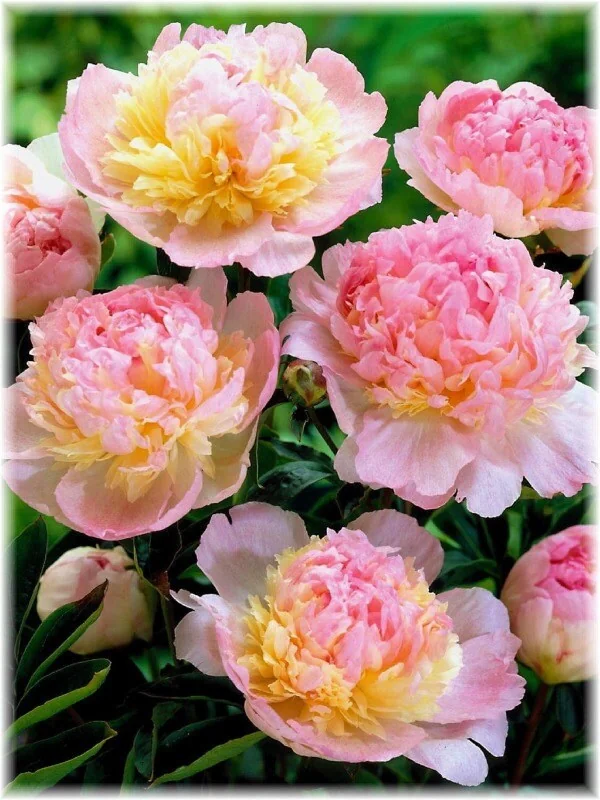
Transform your garden with the exquisite Raspberry Sundae Peony bareroot. This magnificent perennial offers an unparalleled visual feast with its large, fragrant, double light pink and cream blooms, each measuring an impressive 8-9 inches across. As an award-winning variety, this Raspberry Sundae Peony bareroot is celebrated for its vigorous growth and stunning floral display, making it a favorite among gardeners and enthusiasts alike. It begins to bloom in late spring, providing a dramatic show that captivates onlookers and adds a touch of elegance to any landscape. Planting a peony bareroot is an excellent way to establish a robust plant that will thrive for many years, offering consistent beauty season after season. The specific ‘Raspberry Sundae’ cultivar is known for its unique color combination and full, lush petals, ensuring a truly spectacular presence in your flower beds or as a focal point in your garden design.
This Peony planting guide is designed to help you successfully cultivate this classic beauty. Peonies are known for their longevity and resilience, often outliving the gardeners who plant them. The ‘Raspberry Sundae’ variety grows to a manageable height of 2-3 feet, making it suitable for various garden settings, from borders to mass plantings. Its robust nature and striking appearance make it a highly sought-after plant for both novice and experienced gardeners looking to add significant impact to their outdoor spaces. Prepare to be enchanted by the luxurious blossoms and delightful fragrance that this particular peony brings.
Key Benefits
The Raspberry Sundae Peony bareroot offers numerous advantages, ensuring it becomes a cherished addition to your garden:
- Spectacular Blooms: Enjoy large, double light pink and cream blooms that can reach 8-9 inches in diameter, providing a truly dramatic visual impact in late spring. These impressive flowers are a highlight in any garden.
- Award-Winning Variety: This specific peony cultivar has received awards, signifying its superior qualities in terms of beauty, vigor, and reliability. You are planting a proven performer.
- Long-Lived Perennial: Once established, the Raspberry Sundae Peony bareroot can live for decades, offering continuous beauty with minimal effort year after year. It’s a true investment for your garden.
- Pleasant Fragrance: Beyond its visual appeal, the blooms emit a delightful, subtle fragrance that enhances the sensory experience of your garden space.
- Low Maintenance: Peonies are relatively easy to care for once established, requiring little more than appropriate planting and occasional watering. This makes them perfect for busy gardeners.
- Versatile Landscaping Use: Ideal for borders, mass plantings, cut flower gardens, or as a stunning specimen plant. Its compact size of 2-3 feet fits well in various garden designs.
- Cold Hardy: Thrives in a wide range of climates, specifically USDA Zones 2-8, making it suitable for many regions across the United States. This resilience ensures a successful bloom even in colder areas.
Plant Care & Growing Tips
Proper care is crucial for the successful establishment and abundant blooming of your Raspberry Sundae Peony bareroot. Peonies prefer a location with at least 6 hours of full sun daily, especially in northern climates. In deeper Southern States, light shade during the hottest part of the afternoon can prevent scorching and prolong bloom life. Good air circulation is also important to prevent fungal diseases. When preparing the planting site, ensure the soil is well-draining and rich in organic matter. Peonies do not tolerate soggy soil, which can lead to root rot.
The most critical aspect for a healthy, blooming peony is planting depth. Do not plant the Peony planting guide states, deeper than 2 inches of soil on top of the ‘eyes’ (growth buds). If planted too deep, peonies will bloom poorly or not at all. Dig a hole that is wider than it is deep, creating a mound of soil in the center. Spread the roots over this mound and backfill, ensuring the eyes are correctly positioned. Water thoroughly after planting to settle the soil around the roots. Fertilize in early spring with a balanced slow-release fertilizer, avoiding high-nitrogen formulas which can encourage foliage at the expense of flowers. For optimal health and prolific blooms, follow these Peony care tips diligently.
Peonies are generally pest and disease resistant, but watch for powdery mildew in humid conditions or botrytis blight. Ensure good air circulation and avoid overhead watering. Staking may be necessary for varieties with very large blooms to prevent them from flopping over, especially after rain. Deadhead spent flowers to maintain a tidy appearance, but leave the foliage intact until it dies back naturally in the fall. This allows the plant to store energy for the following year’s blooms. Winter dormancy is essential for peonies, so ensure they receive adequate chilling hours in your climate. The Raspberry Sundae Peony bareroot is a hardy plant, but proper siting and care will yield the best results.
Size & Details
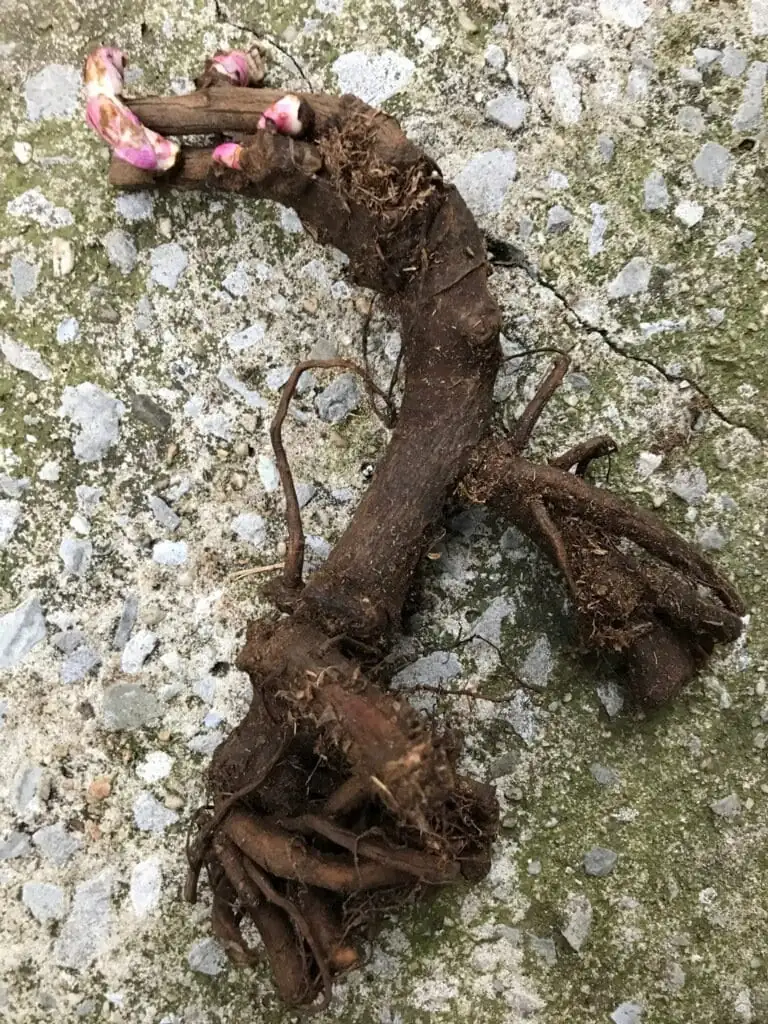
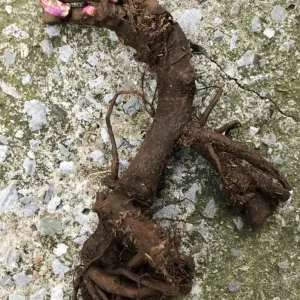
The Raspberry Sundae Peony bareroot is supplied as a 2-3 eye bare root, which is the ideal stage for planting to ensure strong establishment. This means the root division has 2 to 3 visible ‘eyes’ or growth buds, from which new shoots will emerge. Once mature, this beautiful peony typically reaches a height of 2-3 feet (60-90 cm) and spreads to a similar width, creating a full, bushy appearance. The impressive double light pink and cream blooms are a highlight, measuring 8-9 inches (20-23 cm) in diameter. These robust plants are known for their vigorous growth and can establish quickly when provided with the correct planting conditions and care. Expect the first blooms within 1-2 years after planting, with increasingly abundant flowers as the plant matures. This Award-winning Peony is a fantastic choice for adding structure and vibrant color to your perennial garden.
Frequently Asked Questions
- Q: How big does the Raspberry Sundae Peony get? A: The Raspberry Sundae Peony bareroot typically grows to a height of 2-3 feet (60-90 cm) and spreads to a similar width, creating a substantial and attractive bush in your garden. Its mature size makes it suitable for various garden placements.
- Q: Is this an indoor or outdoor plant? A: This is an outdoor perennial plant, specifically a Raspberry Sundae Peony bareroot, that requires a period of winter dormancy to bloom effectively. It is not suitable for indoor cultivation.
- Q: How much sunlight does the Raspberry Sundae Peony need? A: Peonies thrive in full sun, requiring at least 6 hours of direct sunlight per day. In very hot climates, a little afternoon shade can be beneficial to protect the blooms.
- Q: What condition will the Raspberry Sundae Peony bareroot arrive in? A: Your peony will arrive as a bare root, which is a dormant root division with 2-3 ‘eyes’ (growth buds). This is the best way to ship peonies for successful transplanting and establishment.
- Q: When is the best time to plant this Peony? A: The ideal time for Peony planting guide is in the fall, allowing the roots to establish before winter. However, spring planting is also possible, especially for bare roots.
- Q: Is this an Award-winning Peony? A: Yes, the ‘Raspberry Sundae’ cultivar is a recognized Award-winning Peony, celebrated for its beautiful blooms and reliable performance.
- Q: What USDA zones is the Raspberry Sundae Peony suitable for? A: This Pink and cream Peony is hardy in USDA Zones 2-8, making it adaptable to a wide range of climates across the United States.
- Q: How deep should I plant the Raspberry Sundae Peony bareroot? A: It is crucial not to plant the bare root deeper than 2 inches of soil covering the ‘eyes’. Planting too deep is a common reason why peonies fail to bloom.
- Q: What kind of soil does this Peony prefer? A: The Raspberry Sundae Peony bareroot prefers well-draining soil that is rich in organic matter. Avoid heavy, waterlogged soils.
- Q: What are some general Peony care tips for this variety? A: Provide full sun, well-draining soil, proper planting depth, and moderate watering, especially during dry spells. Deadhead spent flowers and provide support for heavy blooms.


Reviews
There are no reviews yet.