Overview
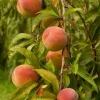
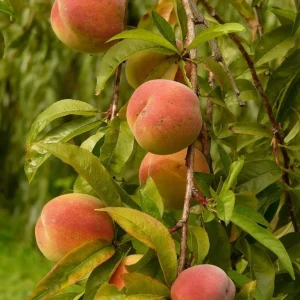
Bring the joy of homegrown fruit to your yard with a healthy Elberta Peach Tree Bareroot. This popular variety is cherished by gardeners across the United States for its generous yield of large, sweet, yellow peaches. Known for their versatility, these peaches are excellent for fresh eating, baking into desserts, canning, freezing, and making delicious jams. Our bareroot trees are carefully selected to provide a strong foundation for a thriving, productive tree in your home orchard. The Elberta peach is a classic choice, offering both ornamental beauty with its fragrant spring blossoms and the undeniable reward of succulent summer fruit.
The Elberta Peach Tree Bareroot is a deciduous tree that thrives in various climates, making it a reliable addition for many gardeners. Originating in Georgia in 1870, this variety has a rich history and a proven track record for performance and flavor. Plant this bareroot tree to establish a long-lasting source of delicious, homegrown peaches that will be a highlight of your summer harvest for years to come. Whether you’re an experienced horticulturist or a budding enthusiast looking to buy Elberta peach tree, this variety promises a rewarding experience.
Key Benefits
The Elberta Peach Tree Bareroot offers numerous advantages, making it a highly desirable choice for any garden. From its delicious fruit to its robust growth, this tree provides a wealth of benefits for the dedicated gardener.
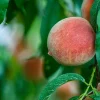
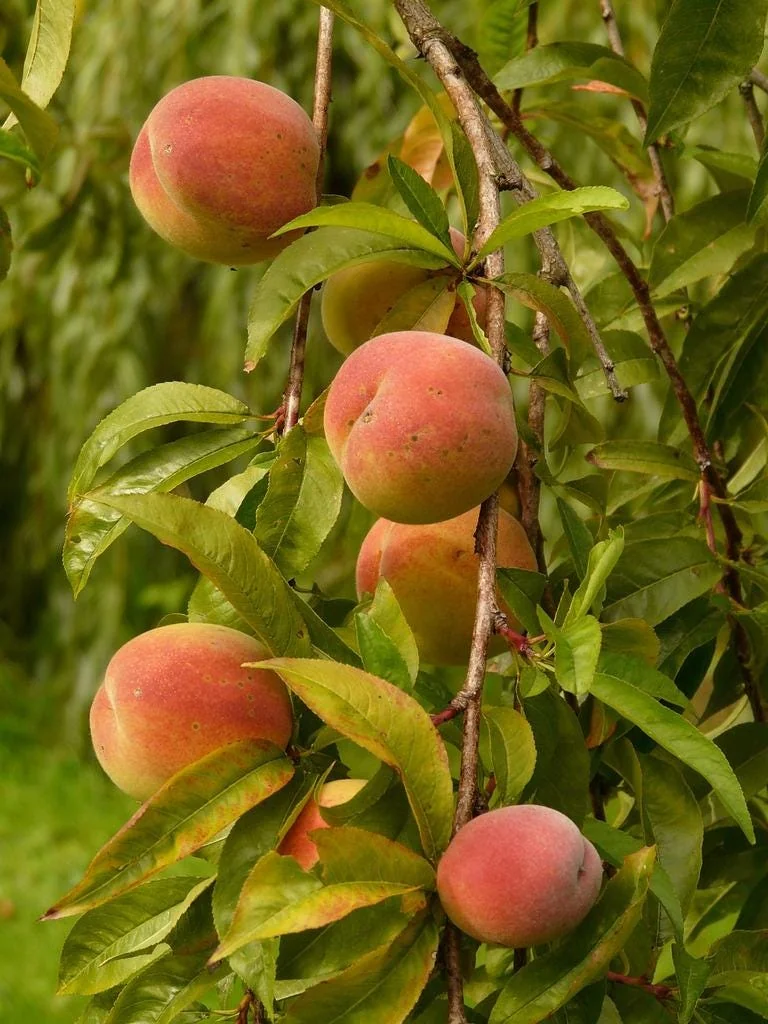
- Abundant and Delicious Fruit: Enjoy a plentiful harvest of large, juicy, yellow peaches with a beautiful red blush. These peaches are renowned for their sweet flavor, making them ideal for a wide range of culinary uses, from fresh consumption to preserves.
- Versatile Culinary Uses: The Elberta peach is perfect for fresh eating, baking pies and crumbles, canning for off-season enjoyment, freezing for later use, and creating homemade jams and jellies. Its balanced sweetness and texture make it a kitchen staple.
- Attractive Ornamental Features: In early to mid-spring, the tree produces fragrant pink blossoms that add significant beauty to your landscape. These flowers are not only lovely but also attract pollinators, contributing to a healthy garden ecosystem.
- Cold Hardiness: This variety is cold hardy down to -10 degrees Fahrenheit, making it suitable for a wide range of USDA planting zones (5-9). This resilience ensures it can withstand colder temperatures and still produce fruit.
- Self-Pollinating: While planting another peach tree nearby may increase your crop size, the Elberta peach is self-pollinating, meaning a single tree can produce fruit on its own. This is a great feature for those with limited space who still want to enjoy fresh peaches.
- Proven Popularity: As a long-standing favorite among home gardeners, the Elberta peach has a trusted reputation for consistent production and high-quality fruit, ensuring satisfaction with your harvest.
- Ideal for Home Orchards: Its moderate size, growing up to 10-14 ft. tall and 8-12 ft. wide, makes it an excellent choice for home orchards, providing a significant yield without overwhelming smaller garden spaces.
Plant Care & Growing Tips
Successful growing Elberta peaches begins with proper planting and consistent care. When you receive your Elberta Peach Tree Bareroot, ensure its roots remain moist until planting. Dig a hole wide enough to spread the roots comfortably and deep enough so the graft union (if present) is a few inches above the soil line. Backfill with soil, gently tamping to remove air pockets, and water thoroughly. For optimal growth, choose a location that receives full sun, meaning at least 6-8 hours of direct sunlight per day. This maximizes fruit production and ensures healthy tree development.
The Elberta peach tree prefers moist, slightly acidic to neutral, well-drained soils. Avoid heavy clay soils that retain too much water, as this can lead to root rot. If your soil is poor, amend it with organic matter like compost to improve drainage and fertility. Water regularly, especially during dry spells and when the fruit is developing, to ensure consistent moisture. Fertilize in early spring with a balanced fruit tree fertilizer, following package directions. Pruning is essential for a healthy and productive tree; prune in late winter or early spring to remove dead or diseased branches, improve air circulation, and shape the tree for better fruit production.
This variety is hardy in USDA zones 5-9, making it suitable for many regions. Protect young trees from pests and diseases with appropriate organic or conventional treatments as needed. Pay attention to ripening times, which are typically late July to early August, though this can be later in colder climates. With consistent care, your peach tree for sale will thrive and produce delicious fruit for many years. Remember that while the tree is self-pollinating, planting another peach tree nearby can often lead to a larger and more consistent crop.
Size & Details
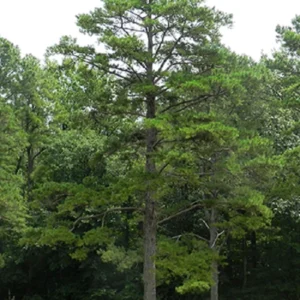
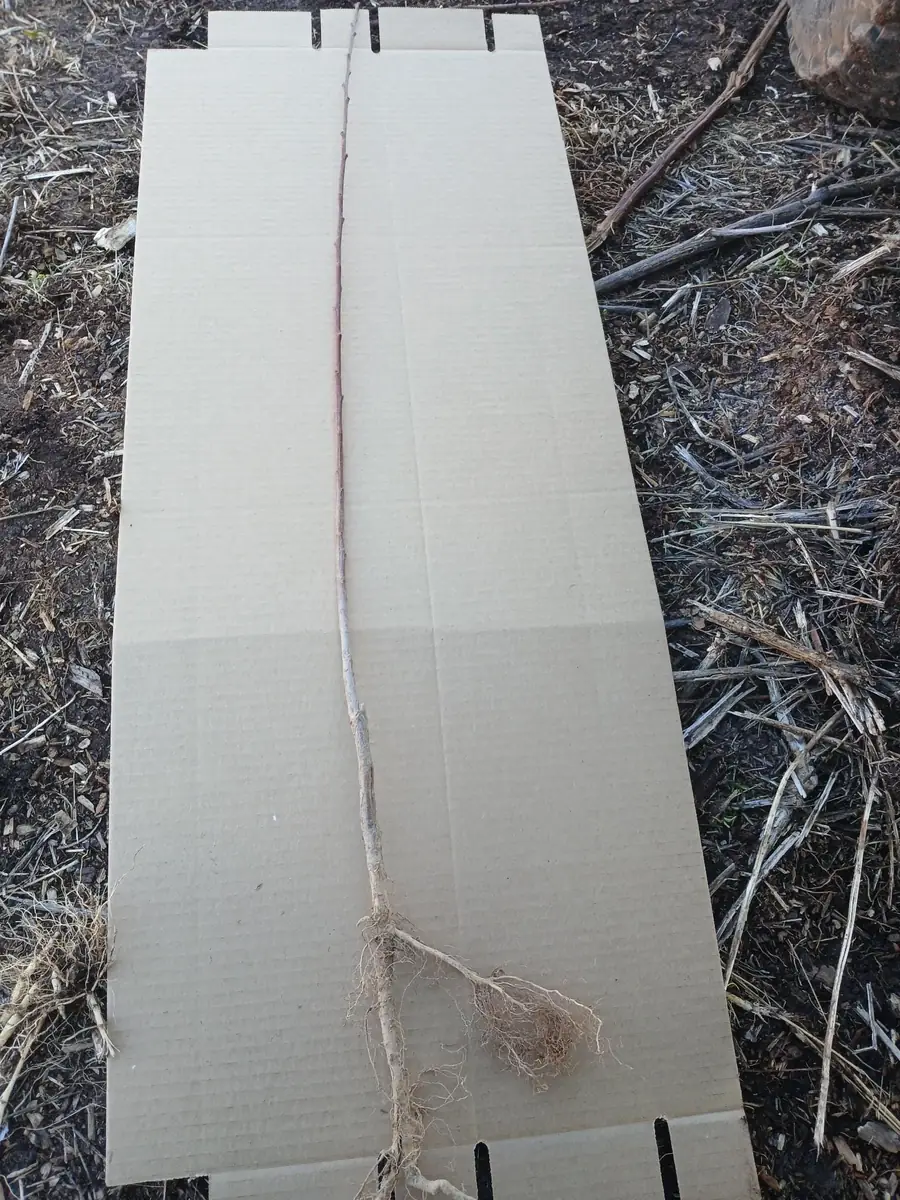
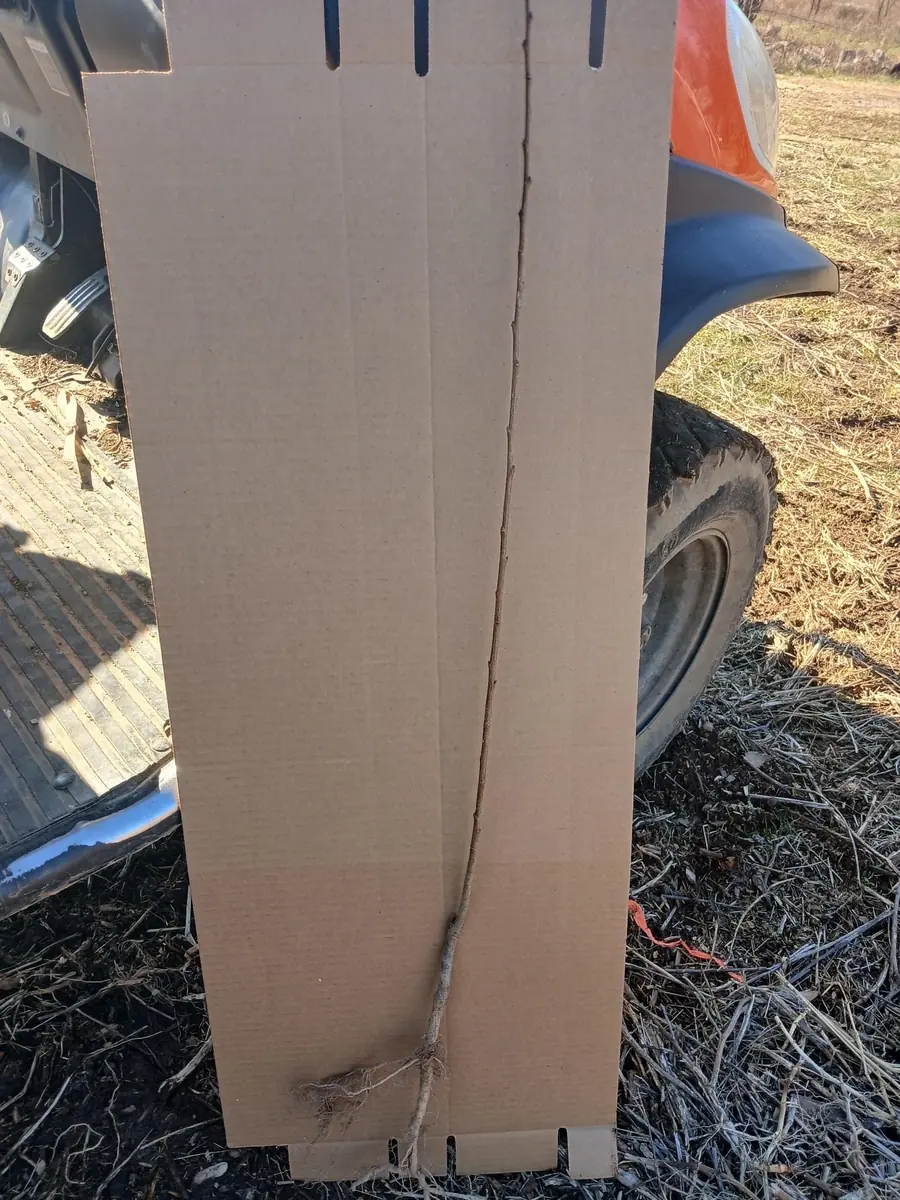
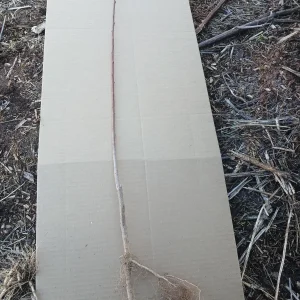
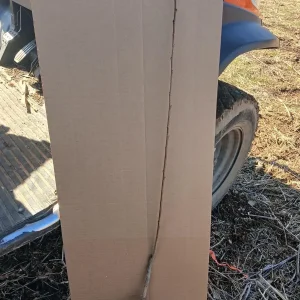
The Elberta Peach Tree Bareroot arrives as a dormant plant, typically measuring 2-3 feet tall, ready for planting. As a bareroot specimen, it is shipped without soil around its roots, which allows for easier transport and establishment. Upon planting, this medium-rate grower will establish itself and develop into a mature tree over several years. At maturity, the Elberta peach tree can reach an impressive height of 10-14 feet and spread 8-12 feet wide, forming a beautiful, productive canopy. Its substantial size makes it an excellent focal point in a home orchard or a spacious garden.
Expected to live for 40 years or more under ideal conditions, this peach tree is a long-term investment in your garden’s bounty. The tree will begin blooming with fragrant pink blossoms in early to mid-spring, followed by fruit ripening from late July to early August, depending on your climate. The large, juicy yellow peaches with a red blush are a true delight. Ensure adequate space for its mature size and consider its growth habit when planning your garden layout. This particular sweet peach varieties offers a robust and rewarding gardening experience.
Frequently Asked Questions
- Q: How big does this Elberta Peach Tree Bareroot get? A: At maturity, the Elberta Peach Tree can grow to be 10-14 feet tall and 8-12 feet wide, making it a moderately sized tree perfect for home orchards.
- Q: What size pot does it come in? A: This product is a Elberta Peach Tree Bareroot, meaning it ships without a pot, with its roots carefully packaged to maintain moisture during transit. It is approximately 2-3 feet tall upon arrival.
- Q: Is this an indoor or outdoor plant? A: The Elberta Peach Tree is an outdoor fruit tree, best suited for planting directly in the ground in appropriate USDA hardiness zones.
- Q: How much sunlight does it need? A: This tree performs best in full sun, requiring at least 6-8 hours of direct sunlight daily to produce the most fruit and ensure healthy growth.
- Q: Is this plant easy to care for? A: While growing Elberta peaches requires some consistent care, including proper watering, pruning, and fertilization, it is a relatively straightforward tree for gardeners in suitable climates.
- Q: What condition will it arrive in? A: Your Elberta Peach Tree Bareroot will arrive dormant, with its roots carefully packaged to ensure health and viability for planting. Dormant trees are ideal for transplanting and establishing strong root systems.
- Q: Can I use Elberta peaches for canning? A: Yes, Elberta peaches are highly regarded for their excellent quality for canning, freezing, and making preserves due to their firm texture and sweet flavor.
- Q: When is the best time to plant a bareroot peach tree? A: The optimal time for planting bareroot trees is typically in late winter or early spring, before the tree breaks dormancy, to allow it to establish its root system before summer heat.
- Q: Will it survive winter in my zone? A: The Elberta Peach Tree is cold hardy down to -10 degrees Fahrenheit and is suitable for USDA planting zones 5-9. Consult your local zone for compatibility.
- Q: How long until it produces fruit? A: A bareroot Elberta peach tree typically begins to bear fruit within 2-4 years after planting, with full production usually achieved in 5-7 years. This is a great peach tree for sale if you are looking for long-term production.


Reviews
There are no reviews yet.