Overview
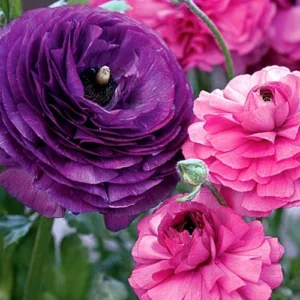
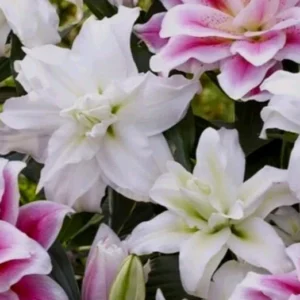
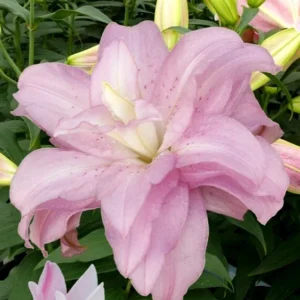
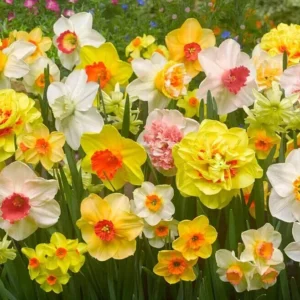
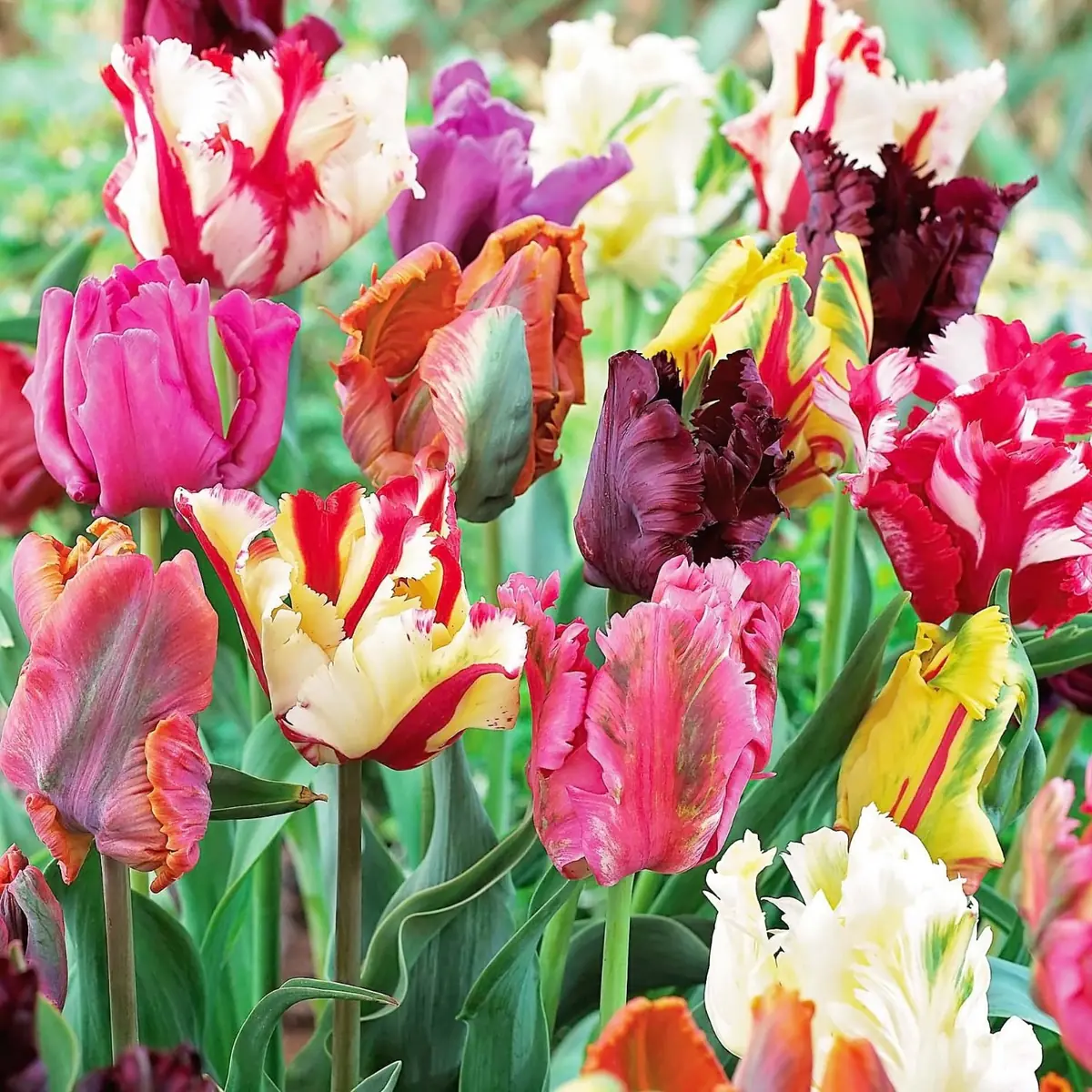
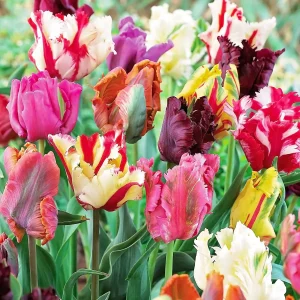
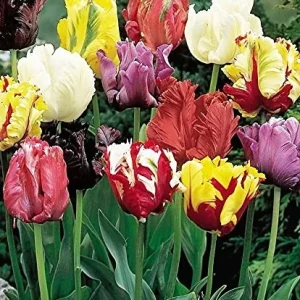
Introduce an extraordinary spectacle to your garden with our exquisite parrot mix tulip bulbs. These captivating bulbs are renowned for producing some of the most dramatic and eye-catching flowers in the spring garden. Each bloom boasts huge, vibrantly colored petals that are intricately feathered, curled, twisted, or waved, creating a truly unique and artistic appearance. Unlike standard tulips, parrot mix tulip bulbs offer an unparalleled textural dimension, making them a focal point in any landscape. They are a fantastic choice for gardeners looking to add a touch of the exotic and unusual to their flower beds, borders, or container plantings. With a rich history of fascination and selective breeding, these tulips promise a rewarding and visually stunning experience for both novice and experienced gardeners alike.
Parrot mix tulip bulbs are surprisingly easy to cultivate, thriving with minimal effort to deliver maximum impact. Plant them in the fall, and come spring, your garden will erupt in a symphony of color and form. Their striking appearance makes them excellent cut flowers, bringing their flamboyant beauty indoors. These tulips are not just plants; they are living sculptures that transform your garden into a gallery of natural art. Prepare to be enchanted by the sheer variety and splendor that these parrot mix tulip bulbs will bring to your outdoor space, offering a fresh perspective on traditional spring blooms.
Key Benefits
Our parrot mix tulip bulbs offer a wealth of advantages, transforming your garden into a vibrant and captivating retreat. Discover the unique benefits that make these tulips a must-have for any discerning gardener:
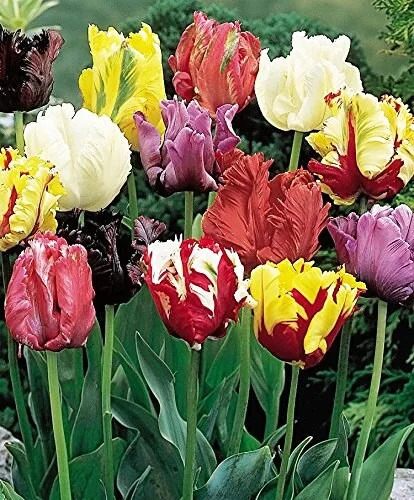
- Exotic Visual Appeal: The primary draw of parrot mix tulip bulbs is their incredibly unique flower shape. Their petals are not just colorful; they are feathered, fringed, curled, and twisted, resembling exotic birds or ruffled silk, providing an unparalleled visual spectacle.
- Vibrant Color Palette: These tulips burst forth in a kaleidoscope of bright, intense colors, ranging from fiery reds and oranges to deep purples, greens, and multi-colored blends. This vibrant display ensures your garden is alive with energy and beauty.
- Easy to Grow: Despite their sophisticated appearance, parrot mix tulip bulbs are among the easiest bulbs to grow. They require straightforward planting in the fall and minimal care to produce stunning blooms the following spring, making them perfect for gardeners of all skill levels.
- Long-Lasting Blooms: With proper care, parrot mix tulip bulbs offer a generous blooming period in late spring. Strategic planting in areas with some afternoon shade can even extend their vibrant display further, allowing you to enjoy their beauty for longer.
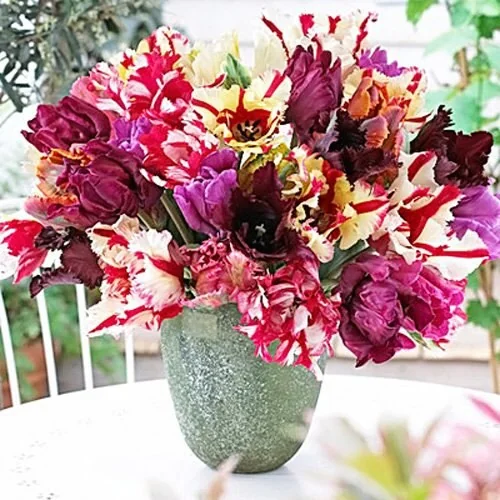
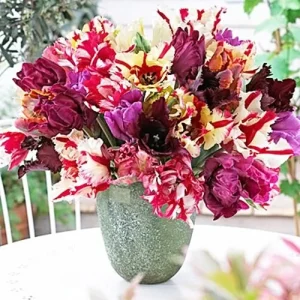
- Excellent Cut Flowers: The dramatic and large flowers of parrot mix tulip bulbs make them exceptional for floral arrangements. Bring the beauty of your garden indoors and create breathtaking bouquets that will impress and delight.
- Attract Pollinators: While primarily admired for their beauty, these colorful blooms can also attract beneficial pollinators like bees and butterflies to your garden, contributing to a healthy ecosystem.
- Versatile Garden Use: Whether planted in mass for a dramatic effect, interspersed in borders, or showcased in containers, parrot mix tulip bulbs adapt beautifully to various garden designs, adding height and texture.
Plant Care & Growing Tips
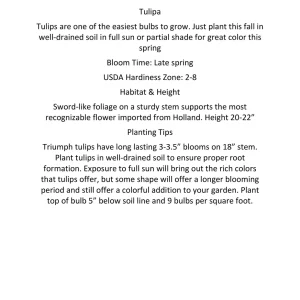
Caring for your parrot mix tulip bulbs is a straightforward process that yields spectacular results. To ensure optimal growth and a dazzling display of feathered tulip flowers, understanding their environmental preferences is key. Plant these bulbs in the fall, typically from October to December, or even up until Christmas in some regions, as they only require a short season of growth before flowering perfectly in the spring. Choose a location that receives full sun to partial shade. While full sun will intensify the rich colors these tulips offer, a spot with some afternoon shade can help prolong their blooming period, extending your enjoyment of these unique tulip varieties.
The success of your parrot mix tulip bulbs largely depends on the soil. They thrive in well-drained soil, which is crucial for proper root formation and to prevent rot. If your soil is heavy clay, consider amending it with organic matter like compost or sand to improve drainage. Ensure the planting depth is appropriate, usually 6-8 inches deep, and spaced about 4-6 inches apart. Water thoroughly after planting to settle the soil around the bulbs. During their active growth in spring, especially if rainfall is scarce, provide regular watering to keep the soil consistently moist but never waterlogged. Fertilization is generally not critical for the first year, as the bulbs contain enough stored energy, but a balanced slow-release fertilizer can be applied in early spring for established plantings.
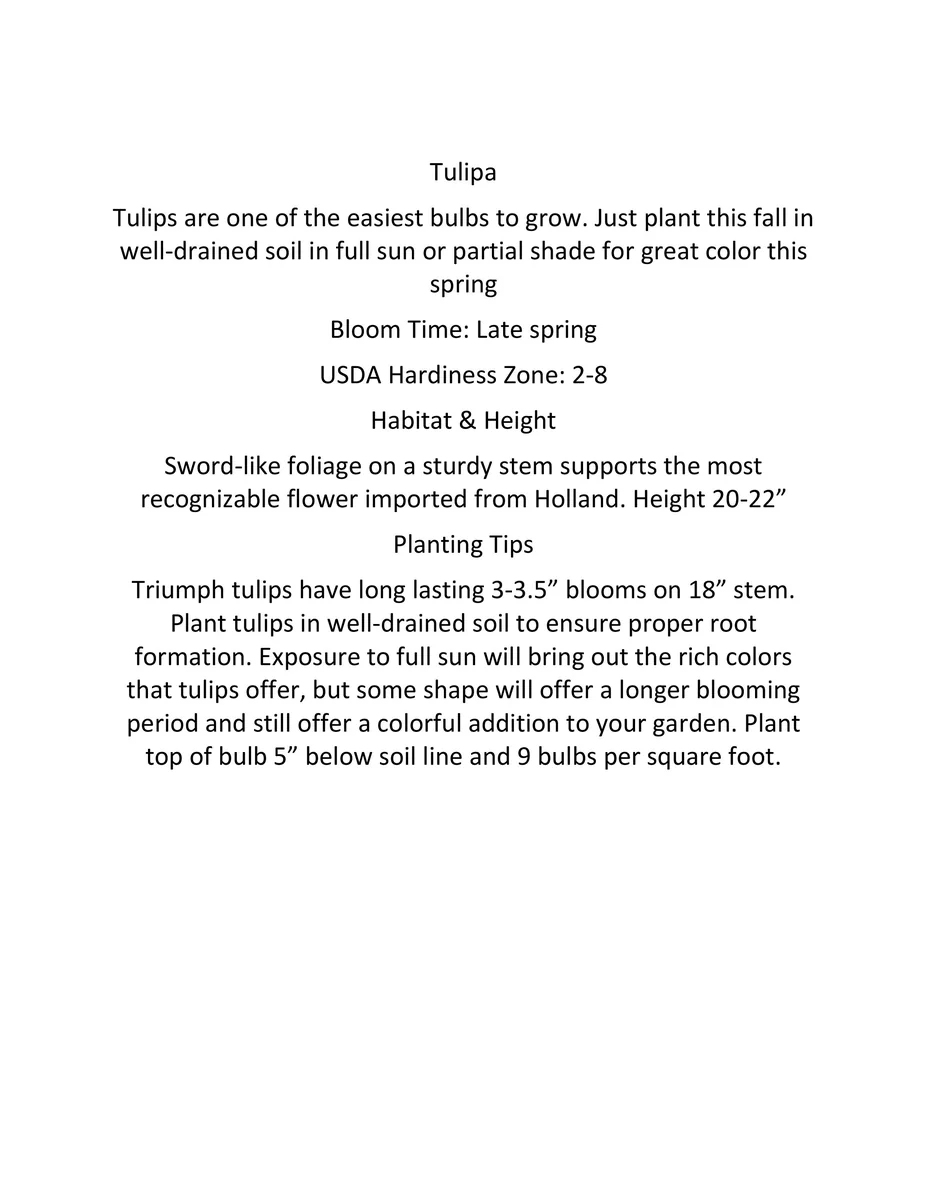
These parrot mix tulip bulbs are hardy in USDA Zones 2-8, meaning they can withstand a wide range of winter temperatures. They require a period of cold dormancy to initiate flowering, which naturalizes beautifully in these zones. After blooming, allow the foliage to yellow and die back naturally before removing it; this process allows the bulb to store energy for the next season’s blooms. While generally robust, keep an eye out for common pests like slugs or rodents, which can be deterred with appropriate measures. By following these simple guidelines, you’ll ensure a breathtaking display of feathered tulip flowers year after year, enhancing the beauty and uniqueness of your garden.
Size & Details
Our parrot mix tulip bulbs are carefully selected to ensure a magnificent display in your garden. These bulbs are known to produce plants that typically reach a mature height of 18-22 inches (45-55 cm), making them an excellent choice for adding vertical interest to your flower beds or for creating stunning cut flower arrangements. The large, dramatic blooms are the hallmark of these unique tulip varieties, offering an impressive visual impact. They are shipped as dormant bulbs, ready for fall planting to ensure a vibrant spring bloom. The bulbs are robust and prepared to establish quickly in well-prepared soil.
Expect these parrot mix tulip bulbs to bloom in late spring, following earlier tulip varieties, extending the season of color in your garden. Their vigorous growth habit and striking flower forms make them a standout addition. With proper care and ideal growing conditions, these bulbs will naturalize and return year after year, providing continuous beauty and fascination. The size and quality of these bulbs are chosen to guarantee strong, healthy plants with the distinctive feathered, curled, or waved petals that make Parrot Tulips so beloved.
Frequently Asked Questions
- Q: How big do these parrot mix tulip bulbs get? A: These tulips typically grow to a height of 18-22 inches (45-55 cm) tall, making them suitable for various garden applications and perfect for cutting.
- Q: Is this an indoor or outdoor plant? A: Parrot mix tulip bulbs are primarily grown outdoors in garden beds or containers, where they can receive the necessary cold dormancy period to bloom.
- Q: How much sunlight does it need? A: These tulips thrive in full sun to partial shade. Full sun encourages the richest colors, while some afternoon shade can help extend the blooming period.
- Q: Is this plant easy to care for? A: Yes, parrot mix tulip bulbs are considered very easy to grow. They require fall planting in well-drained soil and minimal maintenance to produce beautiful spring blooms.
- Q: What condition will the bulbs arrive in? A: The bulbs will arrive dormant and ready for planting, packed to ensure their health and viability upon arrival.
- Q: When is the best time to plant planting tulip bulbs? A: The best time to plant these bulbs is in the fall, between October and December, or even up until Christmas, allowing them sufficient time to establish roots before winter.
- Q: Will it survive winter in my zone? A: These parrot mix tulip bulbs are hardy in USDA Zones 2-8, meaning they are well-suited to survive winter in a wide range of climates and require the cold for flowering.
- Q: Can I use these for cut flowers? A: Absolutely! The huge, colorful, and uniquely shaped blooms of these feathered tulip flowers make them an excellent choice for creating stunning and exotic floral arrangements.
- Q: What soil type is best for parrot tulip care? A: Well-drained soil is crucial for these bulbs. Amend heavy clay soils with organic matter to prevent waterlogging and ensure healthy growth.
- Q: How often should I water my tulips? A: Water thoroughly after planting. During the spring growing season, water regularly if rainfall is insufficient, keeping the soil consistently moist but not soggy.


Reviews
There are no reviews yet.