
Overview
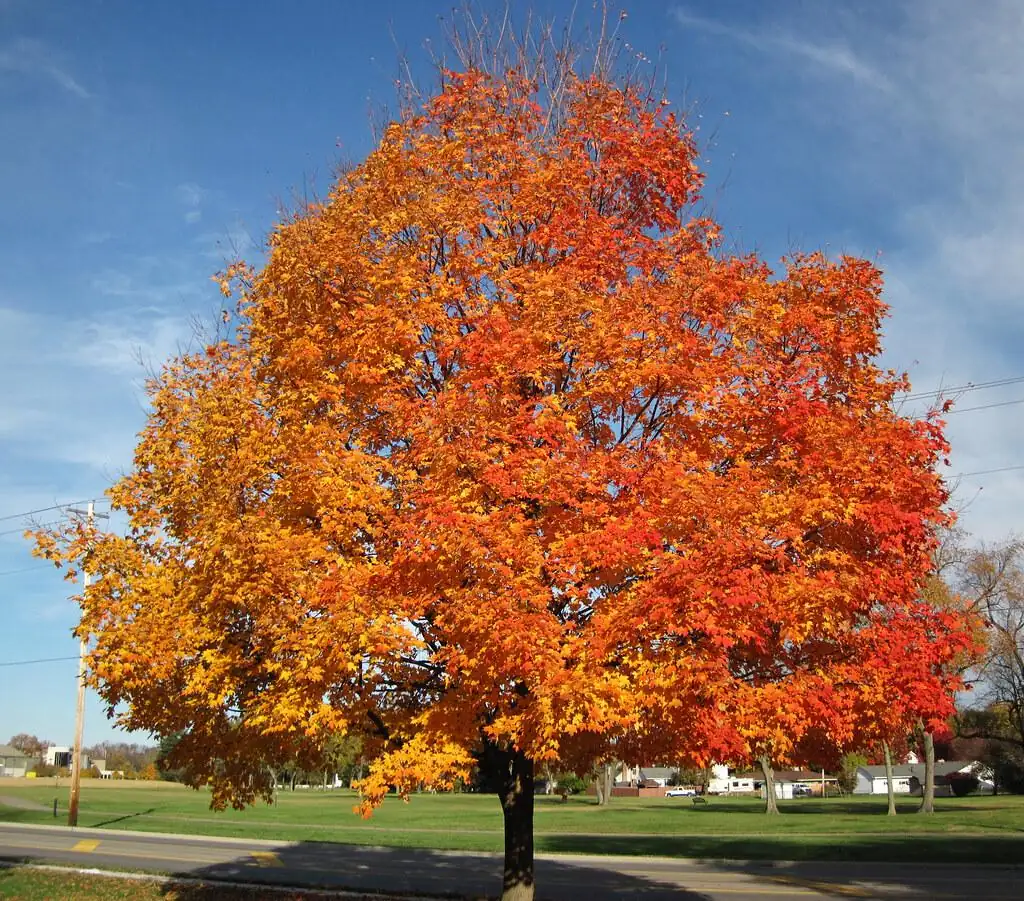
Transform your garden into a vibrant autumn spectacle with the iconic Sugar Maple tree (Acer saccharum). This magnificent hardwood, offered as a bareroot Sugar Maple measuring 18-30 inches tall, is celebrated for its breathtaking fall foliage, showcasing an unparalleled display of golds, yellows, oranges, and deep reds. Revered across North America, it serves as the state tree for New York and Vermont and features prominently on Canada’s national flag. Planting a Sugar Maple tree is an investment in long-term beauty and ecological value, providing shade and a stunning focal point for decades to come. Its robust nature and impressive mature size make it a favorite among landscapers and homeowners alike.
The Acer saccharum is not just a tree of beauty; it’s also a symbol of strength and resilience. Known for its rich, dense wood, the Sugar Maple tree is a valuable timber species. As a deciduous tree, it sheds its leaves in winter, preparing for another dazzling performance the following autumn. This young bareroot Sugar Maple offers a fantastic opportunity to establish a mature, majestic tree in your yard, contributing to local biodiversity and providing a habitat for various wildlife. Learn how to grow Sugar Maple successfully with our comprehensive guide.
Key Benefits
A Sugar Maple tree offers numerous advantages, from its aesthetic appeal to its ecological contributions. Choosing to grow Sugar Maple in your garden will provide a wealth of benefits:
- Spectacular Autumn Foliage: The most prominent feature of the Sugar Maple tree is its unmatched fall color, transitioning from green to brilliant golds, yellows, burnt oranges, and vivid reds, creating a dramatic landscape display.
- Excellent Shade Tree: With a mature height of 55-75 feet and a width of 30-50 feet, it provides substantial shade, helping to cool your home and outdoor living spaces during warmer months.
- Hardy and Resilient: The Sugar Maple tree is known for its robust nature, thriving in USDA Hardiness Zones 3-8, making it suitable for a wide range of climates.
- Fast Growth Rate: This species exhibits a fast growth rate, allowing you to enjoy its mature beauty sooner.
- Wildlife Habitat: Provides food and shelter for various wildlife, including birds and squirrels, contributing to a healthy ecosystem.
- Maple Syrup Production: While this young bareroot specimen will take time, mature Sugar Maple trees are the primary source for producing delicious maple syrup.
- Low Maintenance Once Established: After its initial establishment period, Sugar Maple care is relatively straightforward, requiring minimal intervention.
Plant Care & Growing Tips
Proper Sugar Maple care is essential for a healthy, thriving tree. This bareroot Sugar Maple will require careful attention during its initial planting and establishment phases. The Sugar Maple tree prefers full sun to partial shade, meaning it needs at least 4-6 hours of direct sunlight daily for optimal growth and fall color development. While it can tolerate some shade, too much will reduce its vibrant autumn display. Ensure the planting location has ample space for its mature size, both above and below ground.
When it comes to watering, consistent moisture is key, especially during the first few years after planting. The soil should be kept consistently moist but not waterlogged. Once established, the Sugar Maple tree becomes more drought-tolerant, but supplemental watering during prolonged dry spells will benefit its overall health. For soil, the Acer saccharum thrives in well-draining, fertile, slightly acidic to neutral soil. Amending heavy clay soils with organic matter can improve drainage and aeration. Avoid compacted soils, which can hinder root development. Fertilize in early spring with a balanced, slow-release tree fertilizer, following product instructions to avoid over-fertilization.
The Sugar Maple tree is generally hardy in USDA Zones 3-8. Protect young trees from extreme winter winds. Pruning should be done in late winter or early spring before new growth emerges, focusing on removing dead, damaged, or crossing branches to maintain a strong structure. Keep an eye out for common pests like aphids or scale, and diseases such as powdery mildew, treating them promptly if observed. Understanding how to grow Sugar Maple effectively ensures a beautiful and long-lived addition to your landscape.
Size & Details
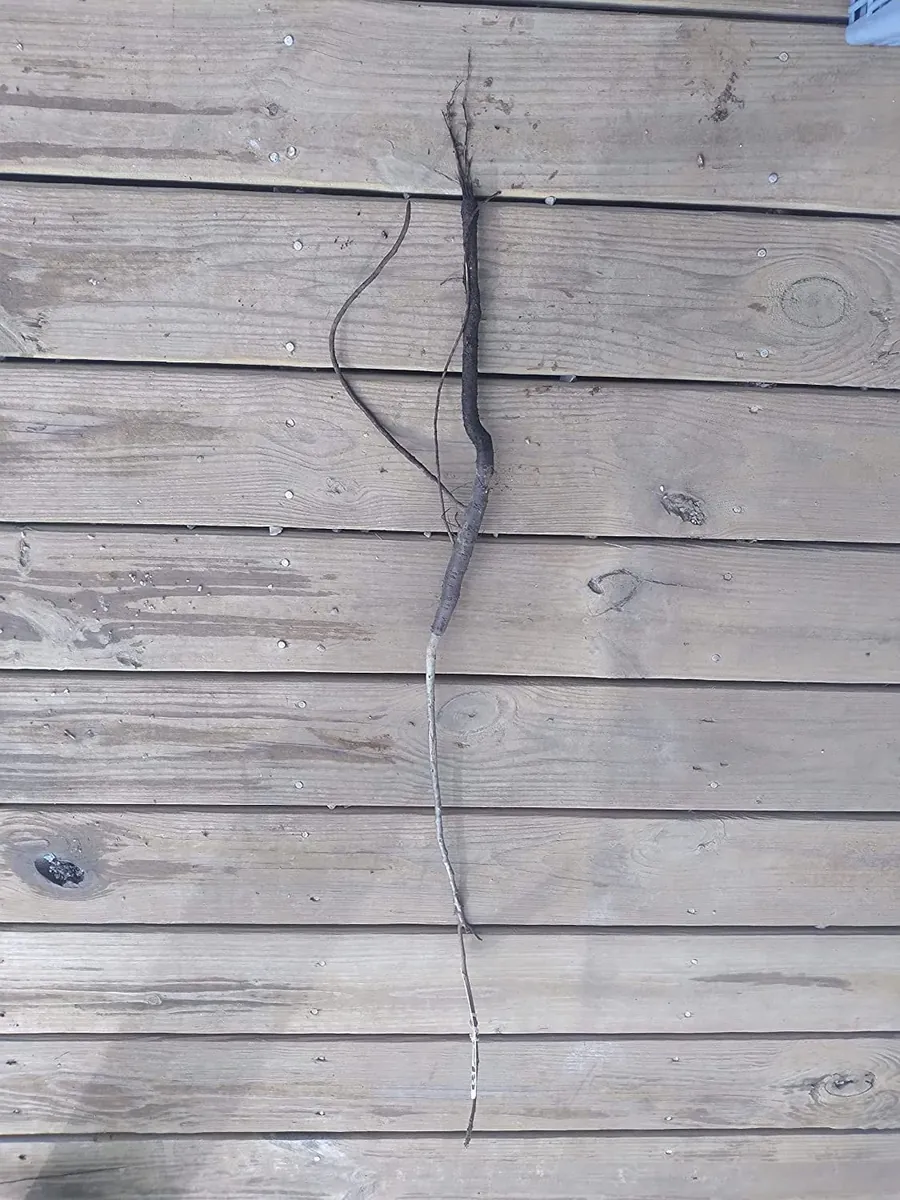
This offering is for a Sugar Maple tree supplied as a bareroot Sugar Maple specimen. The trees typically measure between 18 and 30 inches tall upon arrival, providing a robust start for your landscaping project. When mature, the Sugar Maple tree can reach an impressive height of 55-75 feet with a spread of 30-50 feet, creating a grand presence in any yard. It exhibits a fast growth rate, quickly developing into a substantial shade tree. The bareroot form allows for easy planting and establishment, focusing the plant’s energy on root development in its new environment. These trees are known for their exceptional hardiness and adaptability within their recommended growing zones.
Frequently Asked Questions
- Q: How big does this Sugar Maple tree get? A: This bareroot Sugar Maple arrives 18-30 inches tall. At maturity, a Sugar Maple tree can reach an impressive height of 55-75 feet with a spread of 30-50 feet, providing significant shade and beauty.
- Q: Is this an indoor or outdoor plant? A: The Sugar Maple tree is an outdoor tree, ideal for landscaping. It requires ample space to grow and thrive, and is not suitable for indoor cultivation.
- Q: How much sunlight does a Sugar Maple tree need? A: A Sugar Maple tree thrives in full sun to partial shade, meaning it needs at least 4-6 hours of direct sunlight per day to ensure vibrant fall colors and healthy growth.
- Q: What condition will the bareroot Sugar Maple arrive in? A: Your bareroot Sugar Maple will arrive dormant, with its roots carefully packaged to maintain moisture. This is a normal and healthy state for bareroot plants, ready for planting.
- Q: Is this plant easy to care for? A: Once established, Sugar Maple care is relatively low-maintenance. The initial planting and establishment period require consistent watering and proper site selection to ensure success.
- Q: When is the best time to plant a bareroot Sugar Maple? A: The optimal time to plant a bareroot Sugar Maple is in early spring or late fall when the tree is dormant. This allows the roots to establish before extreme weather conditions.
- Q: Will it survive winter in my zone? A: The Sugar Maple tree is highly cold-hardy, thriving in USDA Zones 3-8. If you are within these zones, your tree should successfully overwinter once established.
- Q: What type of soil does a Sugar Maple prefer? A: The Sugar Maple tree prefers well-draining, fertile soil that is slightly acidic to neutral. Good drainage is crucial for preventing root rot.
- Q: How fast does the Sugar Maple tree grow? A: The Sugar Maple tree has a fast growth rate, meaning it will establish and grow significantly each year, quickly becoming a prominent feature in your landscape.
- Q: What can I expect from the fall foliage? A: You can expect an extraordinary display of fall colors, including brilliant golds, bright yellows, vivid burnt oranges, and deep reds, making the Sugar Maple tree a standout in any autumn landscape.


Reviews
There are no reviews yet.