Overview
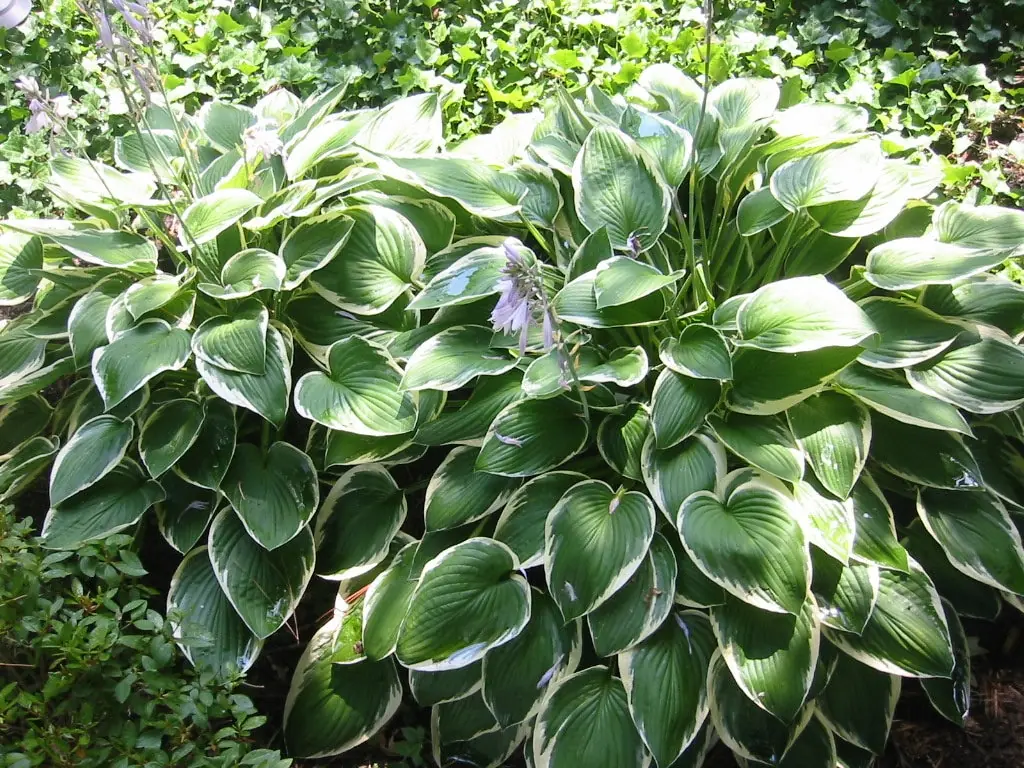
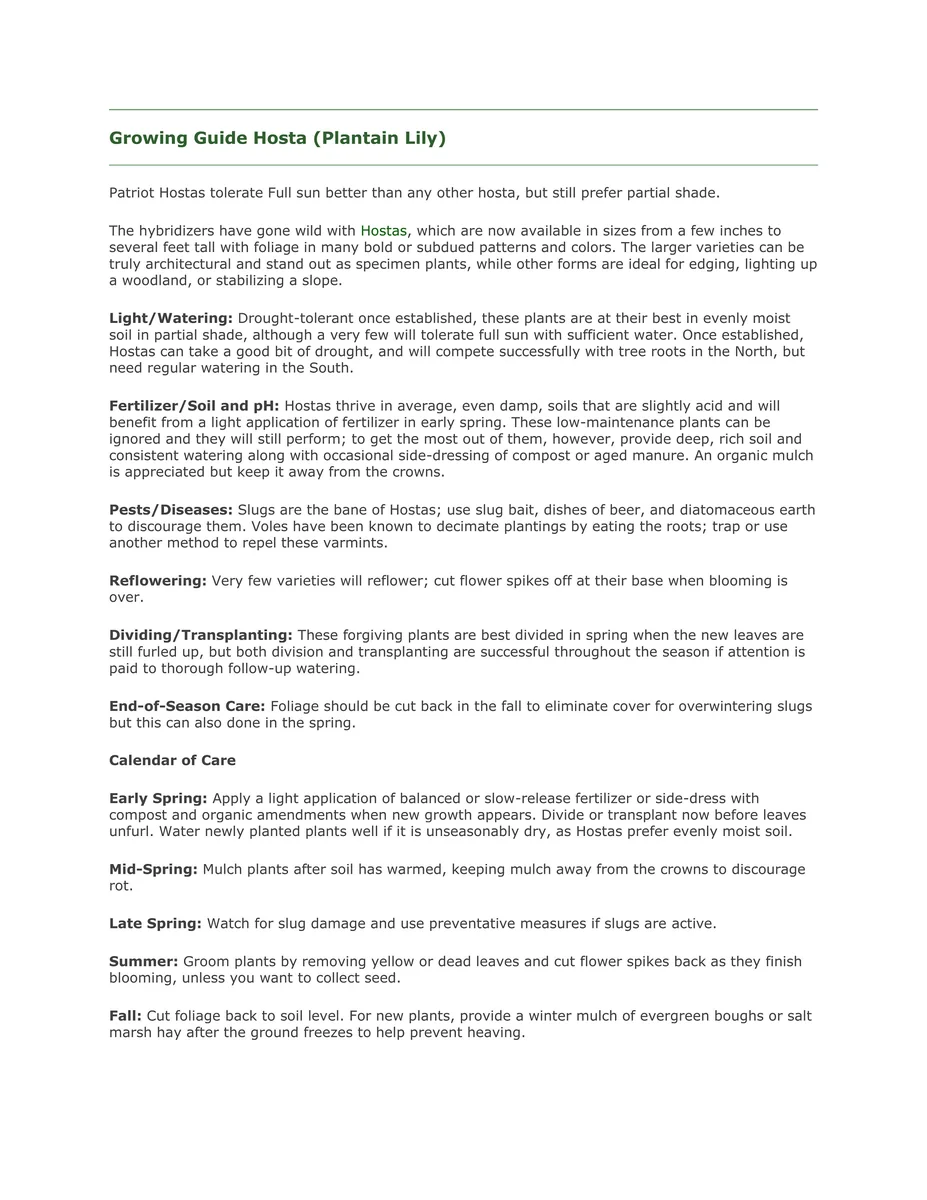
Bring timeless elegance to your garden with the Francee Hosta bareroot. This beloved perennial is celebrated for its lush, architectural foliage that thrives in shaded environments. The ‘Francee’ variety is particularly prized for its distinctive heart-shaped leaves, featuring a rich, deep green center dramatically bordered by crisp, creamy white margins. As a robust and low-maintenance plant, the Francee Hosta plant is a perfect choice for gardeners seeking to add sophisticated beauty and structure to their landscape without extensive effort. It establishes well from a bareroot, promising healthy growth and enduring appeal year after year.
The Francee Hosta bareroot is an excellent solution for enhancing dimly lit areas of your garden where other plants might struggle. Its dense, mounding habit creates a neat and appealing presence, making it suitable for a variety of garden designs. Whether you’re filling out a shady border, creating an elegant groundcover, or adding a touch of grace to a woodland garden, this hosta is a stellar performer. Its reliable nature and striking visual contrast make it a staple in many perennial collections, contributing a cool, calming aesthetic to any outdoor space.
Key Benefits
The Francee Hosta bareroot offers numerous advantages for any gardener looking to cultivate a beautiful and resilient shade garden. Its exceptional qualities make it a standout choice for various landscaping needs.
- Stunning Foliage Contrast: The most striking feature of the Francee Hosta plant is its captivating leaf coloration. The deep green centers provide a beautiful backdrop for the prominent creamy white margins, creating a dynamic visual contrast that brightens shady corners and adds sophisticated texture to your garden. This consistent coloration ensures year-round aesthetic appeal.
- Shade Garden Excellence: As a premier shade-loving hosta, ‘Francee’ thrives in conditions where many other plants falter. It is perfectly adapted to partial to full shade, making it an invaluable asset for illuminating under trees, along north-facing walls, or in other dimly lit areas of your landscape.
- Deer Resistance: Gardeners often struggle with deer browsing, but the ‘Francee’ Hosta offers a welcome solution. It is known to be a deer resistant hosta, allowing you to enjoy its beauty without constant worry about your plants being damaged by local wildlife.
- Pest Resistance: This particular hosta variety exhibits good resistance to common garden pests like slugs and snails, which can often be problematic for other hosta types. This natural defense reduces the need for chemical interventions, promoting a healthier garden ecosystem.
- Attracts Beneficial Wildlife: While primarily grown for its foliage, the Francee Hosta can attract hummingbirds and butterflies when its lavender flowers bloom in summer, adding another layer of life and activity to your garden space.
- Low Maintenance: Once established, the Francee Hosta bareroot requires minimal care. It is relatively drought tolerant and generally healthy, allowing gardeners more time to simply enjoy its beauty rather than constantly tending to it.
- Versatile Landscaping Use: Its neat and compact growth habit makes it highly versatile. It’s an excellent choice for borders, rock gardens, mass plantings, or as an elegant accent in containers, providing a polished look wherever it’s placed.
Plant Care & Growing Tips
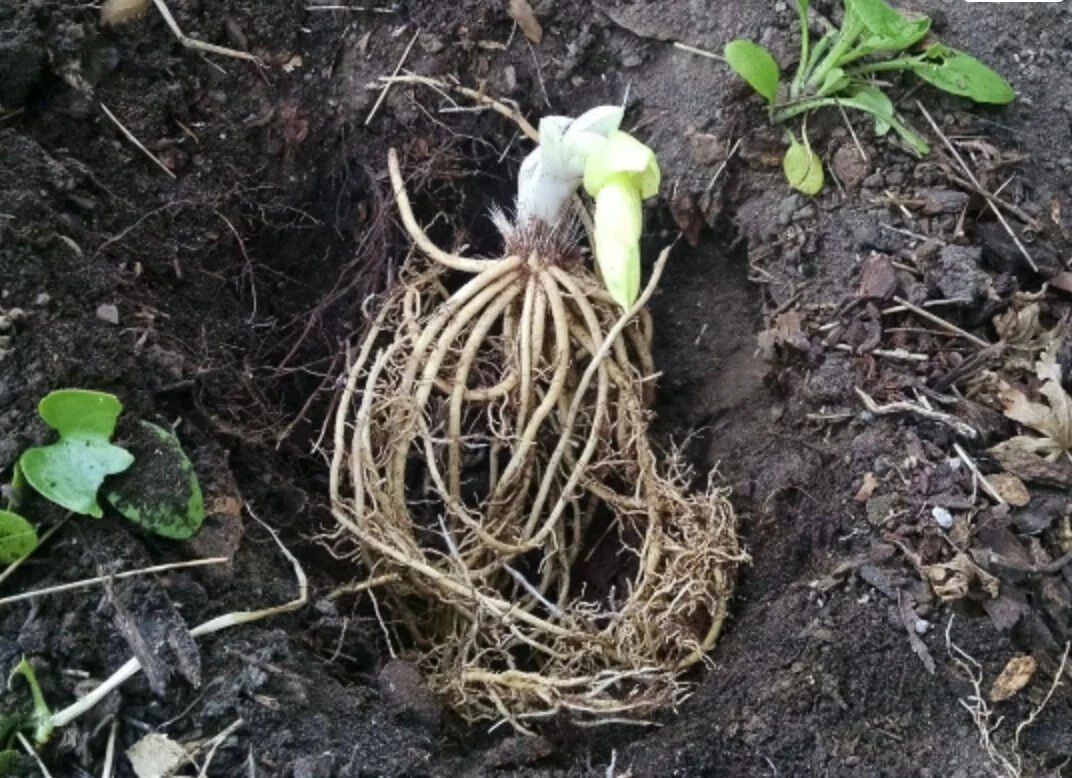
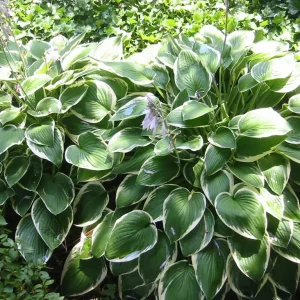
Caring for your Francee Hosta bareroot is straightforward, ensuring a beautiful display for years to come. Begin by selecting the ideal location. This shade-loving hosta prefers partial to full shade; while it can tolerate some morning sun, intense afternoon sun can scorch its leaves and diminish the vibrant contrast of its margins. Ensure the soil is well-drained and rich in organic matter. Hostas prefer consistently moist soil, but never waterlogged, as this can lead to root rot. When planting your bareroot, dig a hole slightly larger than the root system, place the plant so the crown is level with the soil surface, and backfill gently. Water thoroughly immediately after planting.
Once established, the Francee Hosta plant is moderately drought tolerant but performs best with regular watering, especially during dry spells. Mulching around the base of the plant helps retain soil moisture, regulate temperature, and suppress weeds. Fertilize in early spring with a balanced, slow-release granular fertilizer formulated for perennials to encourage robust growth and vibrant foliage. Dividing the plant every few years in spring or early fall can help maintain its vigor and prevent overcrowding, ensuring ample space for each plant to flourish. Pay attention to any yellowing leaves or stunted growth, which might indicate too much sun, insufficient water, or nutrient deficiency.
The Francee Hosta bareroot is suitable for USDA hardiness zones 3-9, indicating its excellent cold tolerance and adaptability across a wide range of climates. Proper winter dormancy is crucial for hostas; in colder zones, ensuring a good layer of mulch can help protect the roots. While it is a deer resistant hosta, occasional scouting for slugs and snails is still recommended, though this variety shows good natural resistance. Adhering to these simple care guidelines will help you cultivate a thriving and visually stunning hosta display.
Size & Details
This offering is for a Francee Hosta bareroot, ready for planting to establish a robust perennial. Bareroots are typically dormant plant material, consisting of roots and sometimes a small amount of stem, without soil. This allows for easier and more economical shipping, and the plant quickly establishes once planted in its new environment. Upon maturity, the ‘Francee’ Hosta typically reaches a height of 18-24 inches with a spread of 2-3 feet, forming an attractive, mounding clump. Its moderate growth rate means it will fill out its space within a few seasons, creating a lush display.
The leaves are heart-shaped and substantial, providing excellent ground cover or border definition. The vibrant deep green foliage with its creamy white margins remains a focal point throughout the growing season. While primarily grown for its leaves, the plant also produces delicate lavender flowers on tall scapes in mid-summer, adding a subtle touch of color. This Francee Hosta bareroot offers an economical and effective way to introduce this classic perennial into your garden, promising strong growth and a beautiful, mature plant.
Frequently Asked Questions
- Q: How big does a Francee Hosta plant get? A: A mature Francee Hosta plant typically reaches 18-24 inches in height and spreads about 2-3 feet wide, forming a dense, elegant clump. Its size makes it suitable for various garden applications, from borders to mass plantings.
- Q: Is this an indoor or outdoor plant? A: The Francee Hosta bareroot is an outdoor perennial plant. It requires a period of winter dormancy to thrive and is best suited for garden beds, containers on patios, or woodland gardens where it can experience natural seasonal changes.
- Q: How much sunlight does a Francee Hosta need? A: This is a true shade-loving hosta. It performs best in partial to full shade, meaning it prefers areas with 2-4 hours of morning sun or dappled light throughout the day, or full shade. Avoid harsh afternoon sun which can scorch its leaves.
- Q: Is this plant easy to care for? A: Yes, the Francee Hosta is considered a low-maintenance perennial. Once established, it is relatively easy to care for, requiring consistent moisture and occasional feeding. It’s a great choice for both novice and experienced gardeners.
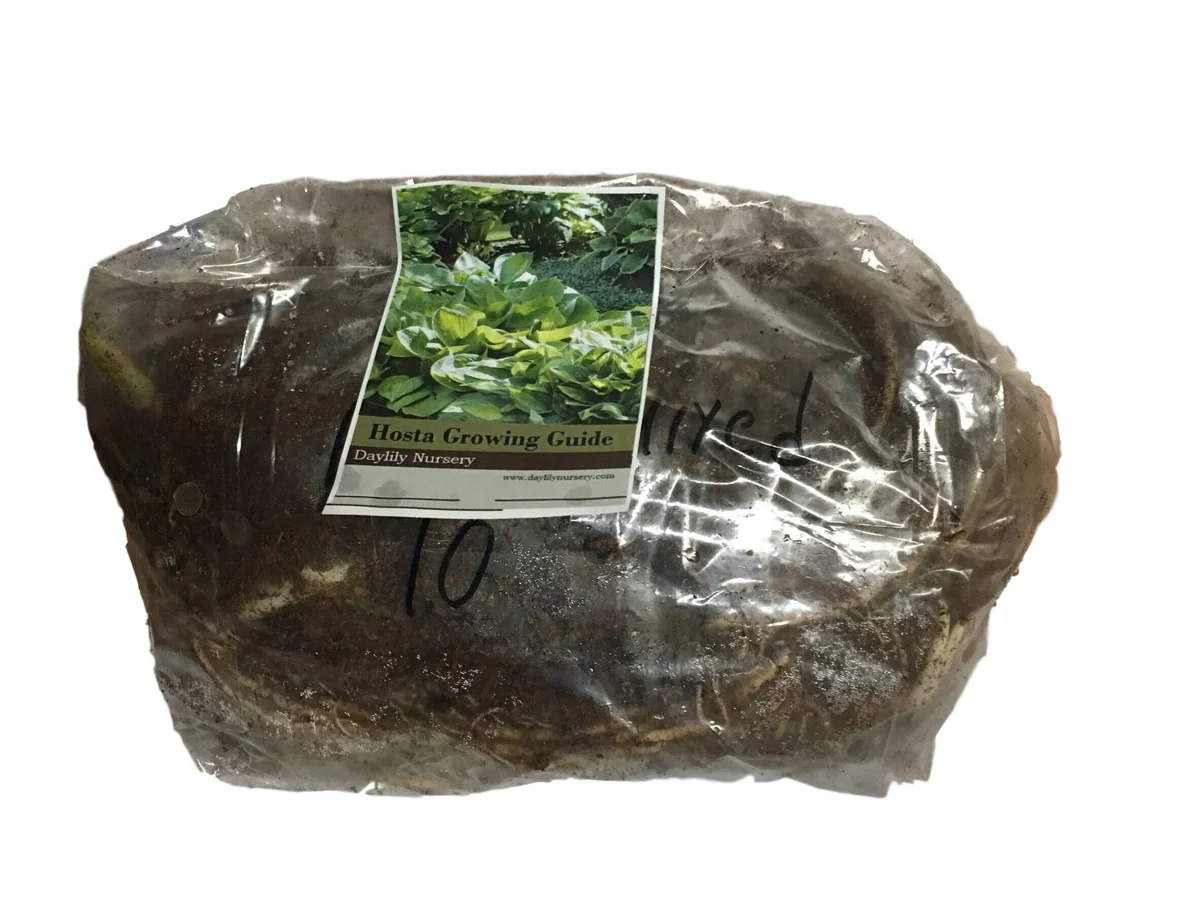
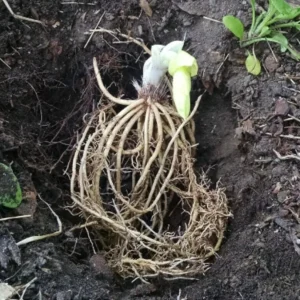
- Q: What condition will the Francee Hosta bareroot arrive in? A: Your Francee Hosta bareroot will arrive dormant, typically consisting of healthy roots and sometimes a small amount of stem material. This is the ideal state for planting and ensures the plant will establish robustly in your garden.
- Q: When is the best time to plant a Francee Hosta bareroot? A: The best time to plant a Francee Hosta bareroot is in spring or early fall when the soil is workable and temperatures are moderate. This allows the roots to establish before extreme heat or cold.
- Q: Will this hosta survive winter in my zone? A: The Francee Hosta is very hardy and suitable for USDA hardiness zones 3-9, meaning it can withstand cold winter temperatures in a wide range of climates and will reliably return each spring.
- Q: Is the Francee Hosta deer resistant? A: Yes, ‘Francee’ Hosta is known to be a deer resistant hosta variety, making it a good choice for gardens where deer may be an issue. However, no plant is entirely deer-proof, but this variety is less appealing to them.
- Q: Does this hosta attract any beneficial wildlife? A: While primarily grown for its foliage, the lavender flowers produced in summer can attract hummingbirds and butterflies, adding to your garden’s biodiversity.
- Q: How often should I water my Francee Hosta? A: Hostas prefer consistently moist soil. Water regularly, especially during dry periods, to ensure the soil remains damp but not waterlogged. Established plants have moderate drought tolerance but thrive with adequate moisture.


Reviews
There are no reviews yet.