
Overview
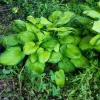
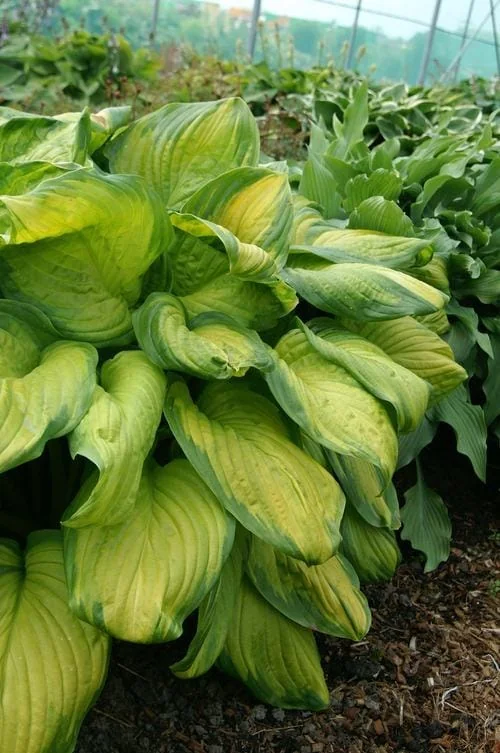
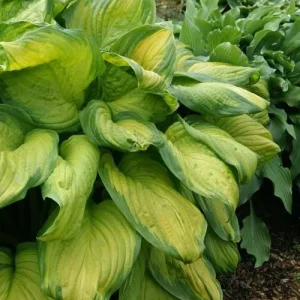
Introduce a touch of elegance and resilience to your garden with the stained glass hosta bareroot plant. This captivating perennial is renowned for its vibrant, glossy leaves that boast prominent veins, creating a mesmerizing ‘stained glass’ effect as they catch the light. Unlike many conventional hostas, this variety offers superior slug resistance, making it a low-maintenance choice for gardeners seeking beauty without the constant battle against pests. As a fragrant hosta plant, it also delights with lovely blooms in late summer, adding another layer of sensory appeal to your landscape. Whether you’re a seasoned gardener or just starting, this hosta provides exceptional visual interest and robust growth, making it a perfect addition to any garden design.
The Stained Glass Hosta forms a large, impressive mound of foliage, making it an excellent specimen plant or a superb choice for mass plantings. Its versatility and striking appearance contribute to its popularity among garden enthusiasts. This particular offering is for a stained glass hosta bareroot, ensuring a strong start for your plant as it establishes itself in its new environment. With proper care, this hosta will thrive and become a cherished feature in your outdoor space for many years.
Key Benefits
The stained glass hosta bareroot offers a multitude of benefits that make it a standout choice for any garden. Its unique aesthetic and practical advantages contribute to a more beautiful and manageable landscape.
- Stunning Foliage: The glossy, deeply veined leaves reflect light beautifully, creating a luminous ‘stained glass’ appearance that adds significant visual interest to shady areas. This makes it a focal point in any garden setting.
- Slug Resistance: Enjoy healthier plants with less effort. The foliage of this hosta is less appealing to slugs compared to many other varieties, reducing the need for constant pest control and ensuring your plant remains pristine.
- Fragrant Summer Blooms: Beyond its impressive leaves, the plant produces lovely, fragrant flowers in late summer, adding a delightful aroma to your garden during a time when many other plants are fading. This feature truly sets it apart as a fragrant hosta plant.
- Low Maintenance: Once established, this hosta is remarkably drought-tolerant and requires minimal intervention, making it an ideal choice for busy gardeners or those seeking an easy-care perennial. Its robust nature contributes to its reputation for easy hosta plant care.
- Versatile Landscaping: Its large, mounding habit makes it suitable for various garden applications, from a striking specimen plant to an effective ground cover in mass plantings. It thrives in a shade garden hosta environment, bringing life to darker corners.
- Hardy Perennial: Adapted to USDA Zones 3-9, this hosta is a reliable perennial that returns year after year, providing consistent beauty and structure to your garden.
Plant Care & Growing Tips
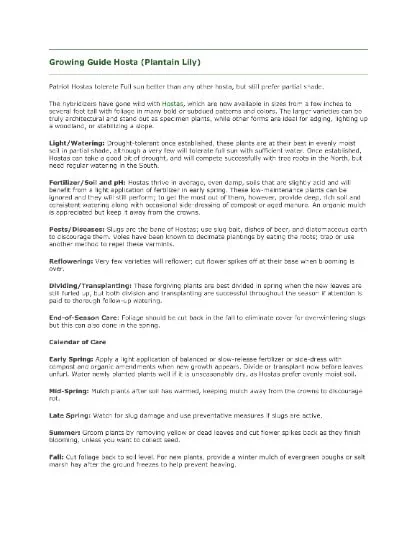
Caring for your stained glass hosta bareroot is relatively straightforward, ensuring it flourishes and displays its full beauty. Hostas thrive in average, evenly moist, and slightly acidic soils. When it comes to light, these plants are at their best in partial shade, where they receive protection from the harsh midday sun but still get enough light to develop their vibrant colors. While a few hosta varieties can tolerate full sun with sufficient water, the ‘Stained Glass’ hosta prefers the dappled light of a shade garden for optimal growth and leaf health. Ensure the soil has good drainage to prevent root rot, which can be a common issue for hostas in overly wet conditions.
Once established, the stained glass hosta bareroot becomes quite drought-tolerant, particularly in northern climates where it can even compete successfully with tree roots. However, in warmer southern regions, regular watering is crucial, especially during dry spells. Fertilize lightly in early spring with a balanced slow-release fertilizer or incorporate compost or aged manure into the soil to provide essential nutrients. An organic mulch around the plant is beneficial for retaining soil moisture and suppressing weeds, but always keep it away from the crown of the plant to prevent rot. For easy hosta plant care, remember that while these plants are forgiving, providing them with ideal conditions will lead to the most spectacular results.
Size & Details
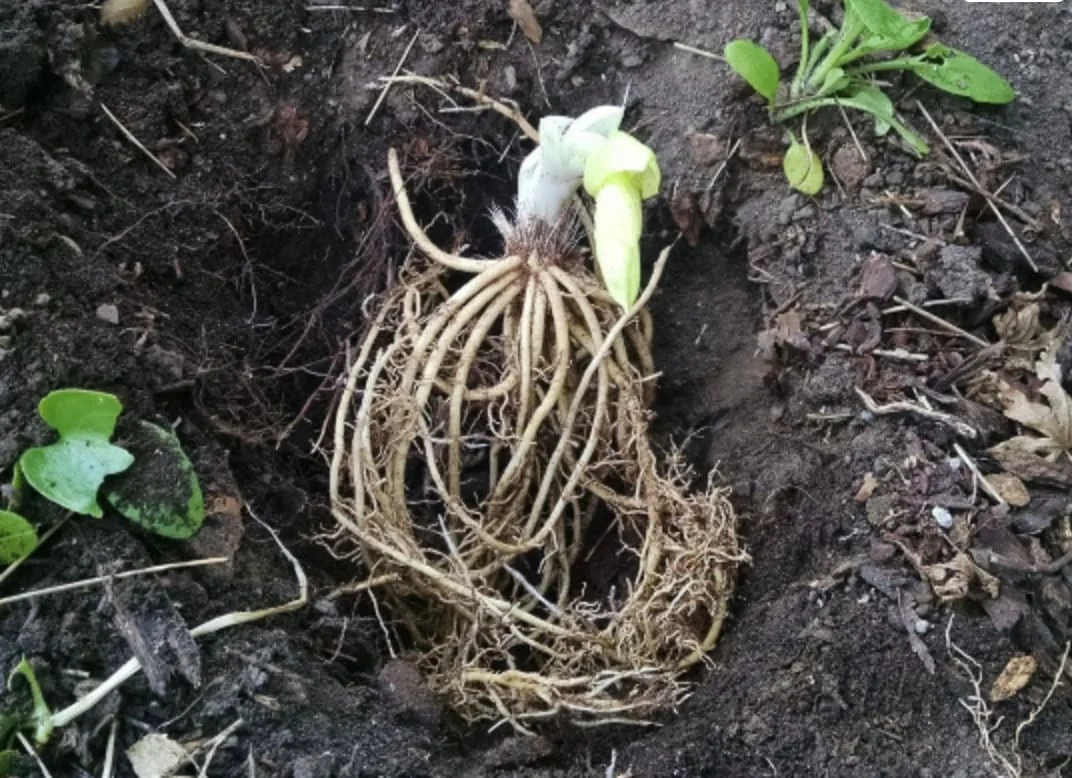
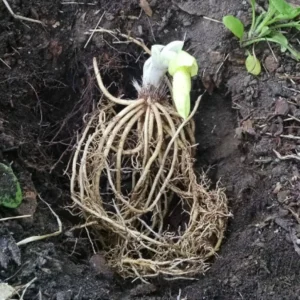
The stained glass hosta bareroot typically grows to a mature height of about 15 inches (38 cm) and can spread impressively up to 48 inches (122 cm) wide, forming a substantial mound of foliage. This makes it an excellent choice for creating impactful displays in your garden. As a bare root plant, it is shipped without soil around the roots, which allows for easier and more economical shipping, and encourages rapid establishment once planted. The bare root form also allows you to inspect the plant’s health directly upon arrival. Expect vigorous growth once planted in suitable conditions, with the plant reaching its mature size within a few seasons.
This variety is known for its relatively fast growth rate under optimal conditions. It thrives in USDA hardiness zones 3-9, making it suitable for a wide range of climates across the United States. The large mound of foliage provides excellent ground cover and can effectively hide the fading foliage of spring-blooming bulbs. The stained glass hosta bareroot will develop its characteristic glossy leaves and prominent veins as it matures, culminating in fragrant flower spikes in late summer. For the best development, plant in spring to allow ample time for root establishment before winter.
Frequently Asked Questions
- Q: How big does the stained glass hosta bareroot get? A: This hosta variety typically reaches a mature height of about 15 inches and can spread up to 48 inches wide, forming a large, impressive mound of foliage.
- Q: Is this an indoor or outdoor plant? A: The stained glass hosta bareroot is an outdoor perennial plant, best suited for gardens and landscaping. It thrives in partial shade environments.
- Q: How much sunlight does the fragrant hosta plant need? A: It prefers partial shade, ideally receiving morning sun and protection from harsh afternoon sunlight. Too much direct sun can scorch its glossy leaves.
- Q: Is this hosta variety good for beginners? A: Yes, the ‘Stained Glass’ hosta is considered relatively easy to care for due to its slug resistance and drought tolerance once established, making it a great choice for new gardeners. Proper hosta plant care is simple to learn.
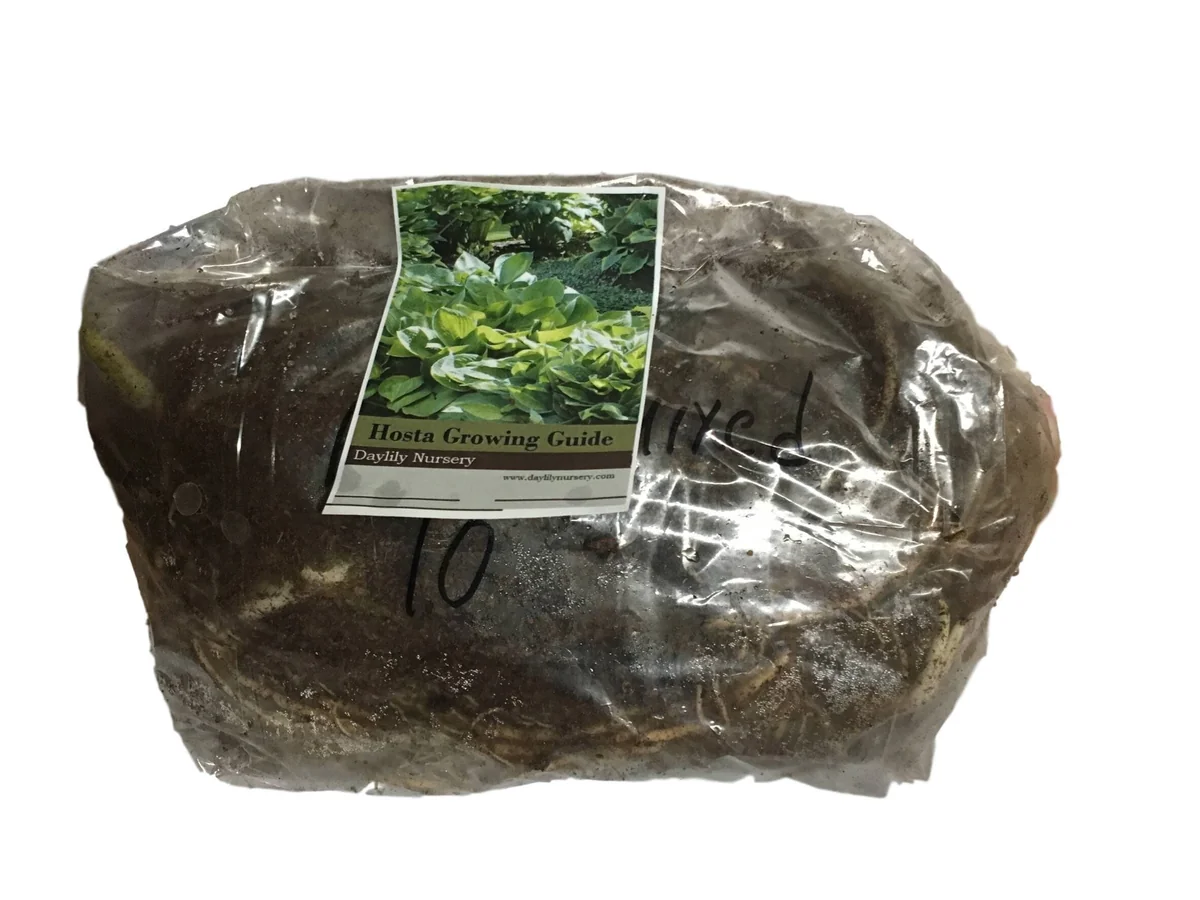
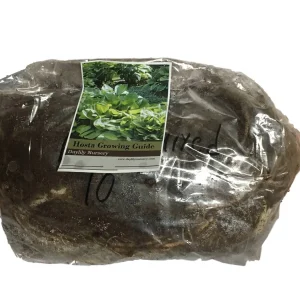
- Q: What condition will the stained glass hosta bareroot arrive in? A: It will arrive as a bare root plant, meaning it is shipped without soil around its roots. This ensures a healthy, dormant plant ready for planting.
- Q: When is the best time to plant this shade garden hosta? A: The optimal time for planting bare root hostas is in the spring after the danger of hard frost has passed, allowing the plant the longest possible growing season to establish.
- Q: Will this hosta survive winter in my zone? A: Yes, the ‘Stained Glass’ hosta is hardy in USDA Zones 3-9, meaning it can tolerate cold winter temperatures and will reliably return year after year in these zones.
- Q: Are these hostas truly slug resistant? A: The ‘Stained Glass’ hosta is known to be significantly less appealing to slugs than many other hosta varieties, making it a good choice if you’re looking for a slug resistant hosta.
- Q: Does this hosta have fragrant flowers? A: Yes, one of the delightful features of the ‘Stained Glass’ hosta is its fragrant flowers that bloom in late summer, adding a lovely scent to your garden.
- Q: What kind of soil does this hosta prefer? A: This hosta thrives in average, evenly moist, and well-draining soil that is slightly acidic. Amending with compost can further improve soil quality.


Reviews
There are no reviews yet.