Overview
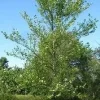
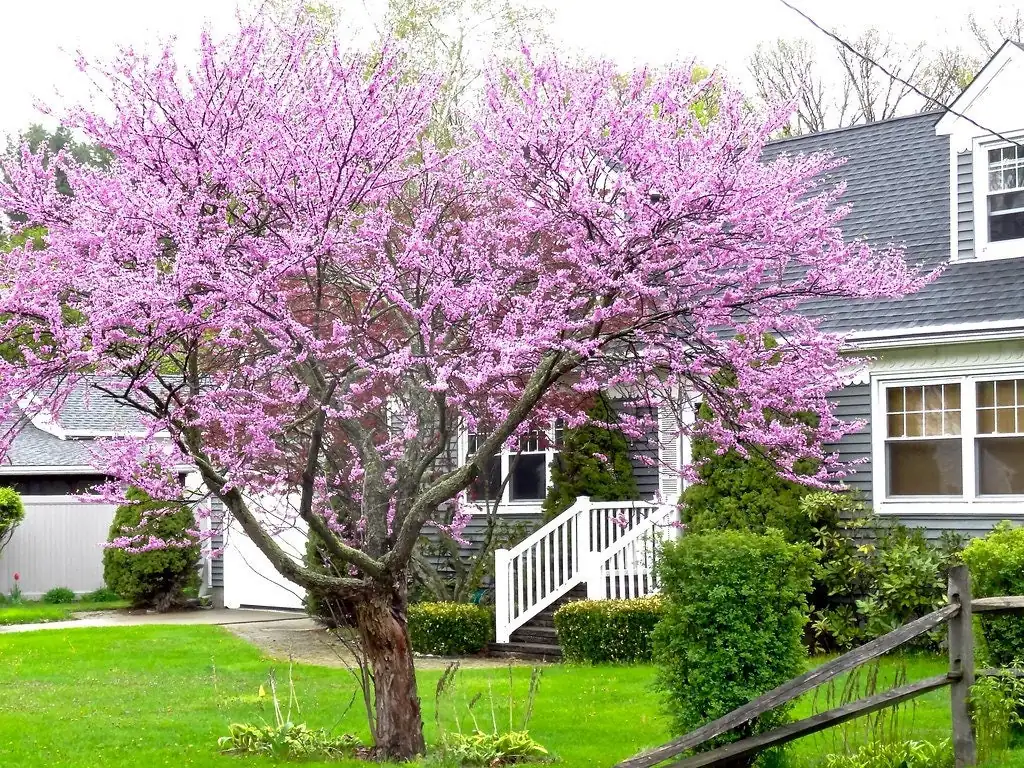
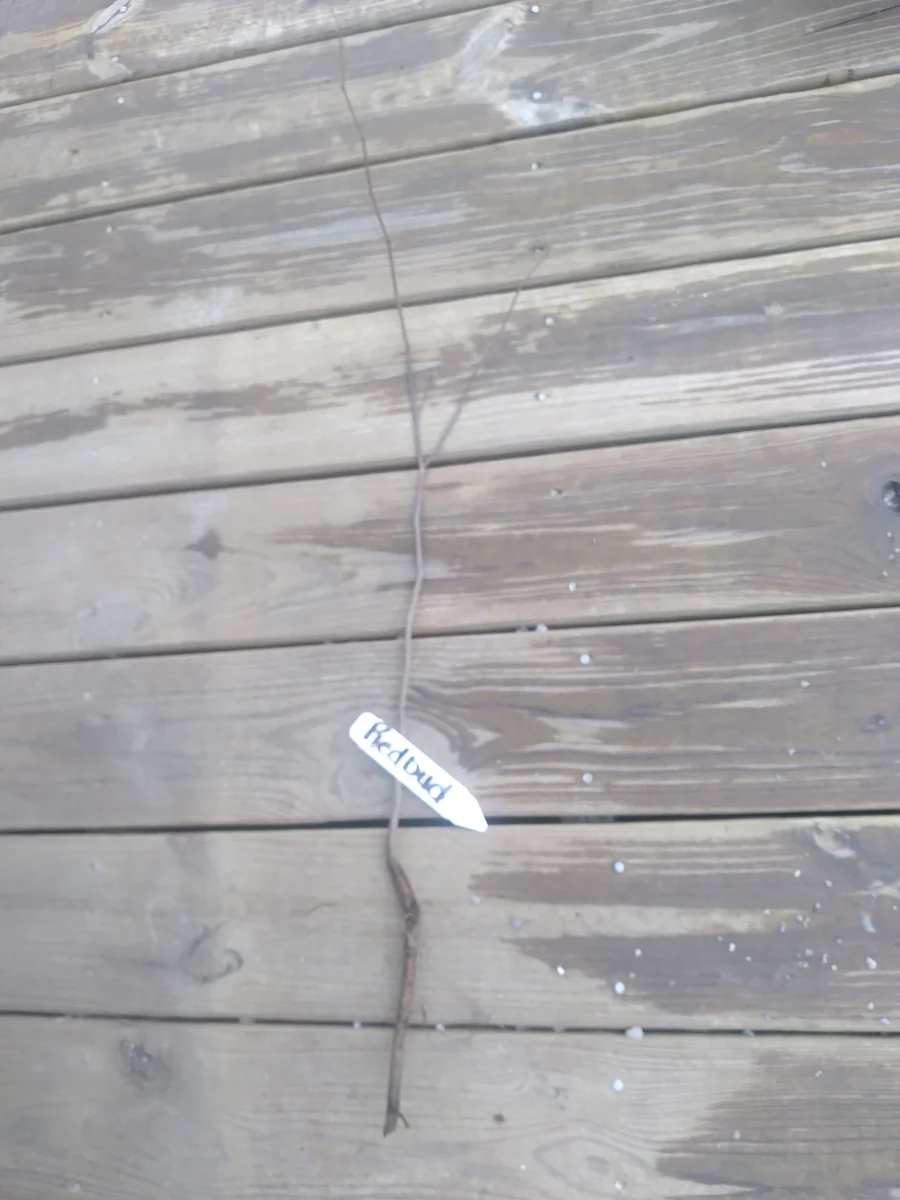
Introduce a touch of early spring elegance to your garden with the Eastern Redbud tree bareroot. This offering includes two 18-24 inch bare root specimens of the beloved Eastern Redbud (Cercis canadensis), known for its spectacular rosy-pink blossoms that burst forth before the leaves appear, signaling the arrival of warmer weather. The Eastern Redbud is a deciduous tree native to eastern North America, cherished for its unique growth habit, heart-shaped leaves, and vibrant seasonal display. Beyond its stunning spring flowers, this tree offers year-round visual interest, from its distinctive irregular branching in winter to its bright yellow fall foliage. Planting an Eastern Redbud live plant is an excellent way to enhance biodiversity, providing early nectar for pollinators and creating a beautiful habitat in your outdoor space.
The Eastern Redbud is a moderately growing tree, reaching a mature height of 20-30 feet with a spread of around 25 feet. Its adaptability to various conditions, from full sun to part sun, makes it a versatile choice for many garden designs. These bareroot trees are an economical and effective way to establish this beautiful species in your landscape, allowing the roots to quickly acclimate to their new environment. For those looking to buy Eastern Redbud tree specimens, this two-pack ensures a greater chance of successful establishment and a vibrant display for years to come.
Key Benefits
The Eastern Redbud tree bareroot offers numerous advantages, making it a highly desirable addition to any garden or landscape. Its striking features and ecological benefits contribute to a more beautiful and thriving outdoor environment. Consider these key benefits:
- Stunning Spring Blooms: The most prominent feature of the Eastern Redbud is its profusion of rosy-pink, pea-like flowers that emerge directly from the branches and even the trunk in early spring, creating a breathtaking visual spectacle before most other trees leaf out.
- Attractive Foliage: After the blooms fade, the tree develops characteristic heart-shaped, bright green leaves that turn a lovely bright yellow in the fall, providing multi-season interest.
- Unique Branching Structure: The tree’s irregular and often flat-topped crown, along with a trunk that frequently divides close to the ground, creates an attractive and distinctive silhouette, especially noticeable in winter.
- Wildlife Attraction: The early spring flowers are an important nectar source for early pollinators like bees, and the tree’s seeds provide food for birds and small mammals.
- Moderate Growth Rate: With a moderate growth rate, the Eastern Redbud live plant establishes itself well without becoming overly large too quickly, making it suitable for various garden sizes.
- Adaptable & Hardy: Tolerant of a range of soil conditions and light exposures (full sun to part sun), the Eastern Redbud is a resilient choice for many landscapes, thriving in USDA Zones 4-9.
- Erosion Control: Its spreading root system can help stabilize soil, making it useful in areas prone to erosion.
Plant Care & Growing Tips
To ensure your Eastern Redbud tree bareroot thrives, proper planting and care are essential. When you receive your bare root trees, soak the roots in water for 3-6 hours prior to planting. Dig a hole that is wide enough to accommodate the spread of the roots and deep enough so that the tree will be planted at the same depth it was grown at the nursery. Remove any grass or weeds in a 3-foot radius around the planting site to reduce competition for nutrients and water. Gently spread out the roots in the prepared hole. Partially backfill the hole with soil, firming it around the roots to remove air pockets. Avoid adding any soil amendments like peat, bark, fertilizer, or potting soil directly into the planting hole, as this can impede root establishment.
Once planted, water the tree thoroughly. After the water has soaked in, apply a 2-inch layer of mulch (such as wood chips or shredded bark) in a 3-foot diameter around the base of the tree, keeping it a few inches away from the trunk to prevent moisture buildup and rot. The soil and mulch around your Eastern Redbud live plant should be kept consistently moist but not waterlogged, especially during the first year. During dry periods, water slowly and deeply every 7 to 10 days. The Eastern Redbud prefers full sun to part sun exposure, meaning it needs at least 4-6 hours of direct sunlight daily for optimal flowering. It is hardy in USDA Zones 4-9. Understanding how to plant Eastern Redbud correctly is crucial for its long-term health. For ongoing Redbud tree care, minimal pruning is generally needed, primarily to remove dead, damaged, or crossing branches. Fertilize sparingly in early spring with a balanced, slow-release fertilizer if soil nutrients are poor.
Size & Details
This product includes two Eastern Redbud tree bareroot specimens, each measuring approximately 18-24 inches in height. These bare root plants are dormant when shipped, which is the ideal state for transplanting and promotes strong root development once planted. The Eastern Redbud will mature to a height of 20-30 feet with a spread of about 25 feet, developing its characteristic attractive, spreading, and often flat-topped crown. It exhibits a moderate growth rate, allowing it to establish itself steadily in your landscape. The rosy-pink flowers typically bloom in April, followed by the emergence of heart-shaped leaves that turn bright yellow in the fall. This tree is suitable for USDA Zones 4-9. When you buy Eastern Redbud tree bareroot plants, you are investing in a robust foundation for a beautiful and long-lasting landscape feature.
Frequently Asked Questions
- Q: How big do these Eastern Redbud trees get? A: These Eastern Redbud tree bareroot plants are 18-24 inches tall upon arrival. They will mature to an average height of 20-30 feet with a spread of approximately 25 feet, creating a lovely medium-sized tree in your landscape.
- Q: What are the sunlight requirements for an Eastern Redbud? A: The Eastern Redbud thrives in full sun to part sun conditions. This means it needs at least 4-6 hours of direct sunlight per day to produce the most abundant and vibrant rosy-pink blooms.
- Q: Is this an indoor or outdoor plant? A: The Eastern Redbud live plant is an outdoor deciduous tree, best suited for planting in your garden or yard where it can grow to its full mature size and provide seasonal interest.
- Q: What condition will the trees arrive in? A: Your order includes two Eastern Redbud tree bareroot specimens, meaning they will arrive dormant without soil around their roots. This is a common and effective method for shipping deciduous trees for optimal transplanting.
- Q: When is the best time to plant these bare root trees? A: The best time to plant bare root Eastern Redbud trees is typically in early spring, once the danger of hard frost has passed, but before the tree breaks dormancy. This allows the roots to establish before summer heat.
- Q: What kind of soil does an Eastern Redbud prefer? A: Eastern Redbuds prefer well-draining soil. They can tolerate a range of soil types, including clay, loam, and sand, as long as drainage is adequate. Good drainage is crucial to prevent root rot.
- Q: How often should I water my newly planted Eastern Redbud? A: For the first year after planting, it’s important to keep the soil consistently moist but not soggy. During dry weather, water your Eastern Redbud live plant slowly and deeply every 7 to 10 days.
- Q: Will my Redbud tree survive winter in my area? A: Eastern Redbud trees are hardy in USDA Zones 4-9. If you are within these zones, your tree should successfully overwinter. You can check your specific USDA hardiness zone to confirm suitability.
- Q: What are the main steps for how to plant Eastern Redbud bareroot trees? A: The main steps include soaking the roots, digging a wide hole, planting at the original depth, backfilling with soil, watering thoroughly, and applying mulch. Avoid soil amendments in the hole.
- Q: What kind of maintenance does Redbud tree care involve? A: Redbud tree care is relatively low-maintenance. It primarily involves consistent watering during establishment, minimal pruning to remove dead or crossing branches, and occasional fertilization if needed.


Reviews
There are no reviews yet.