Overview
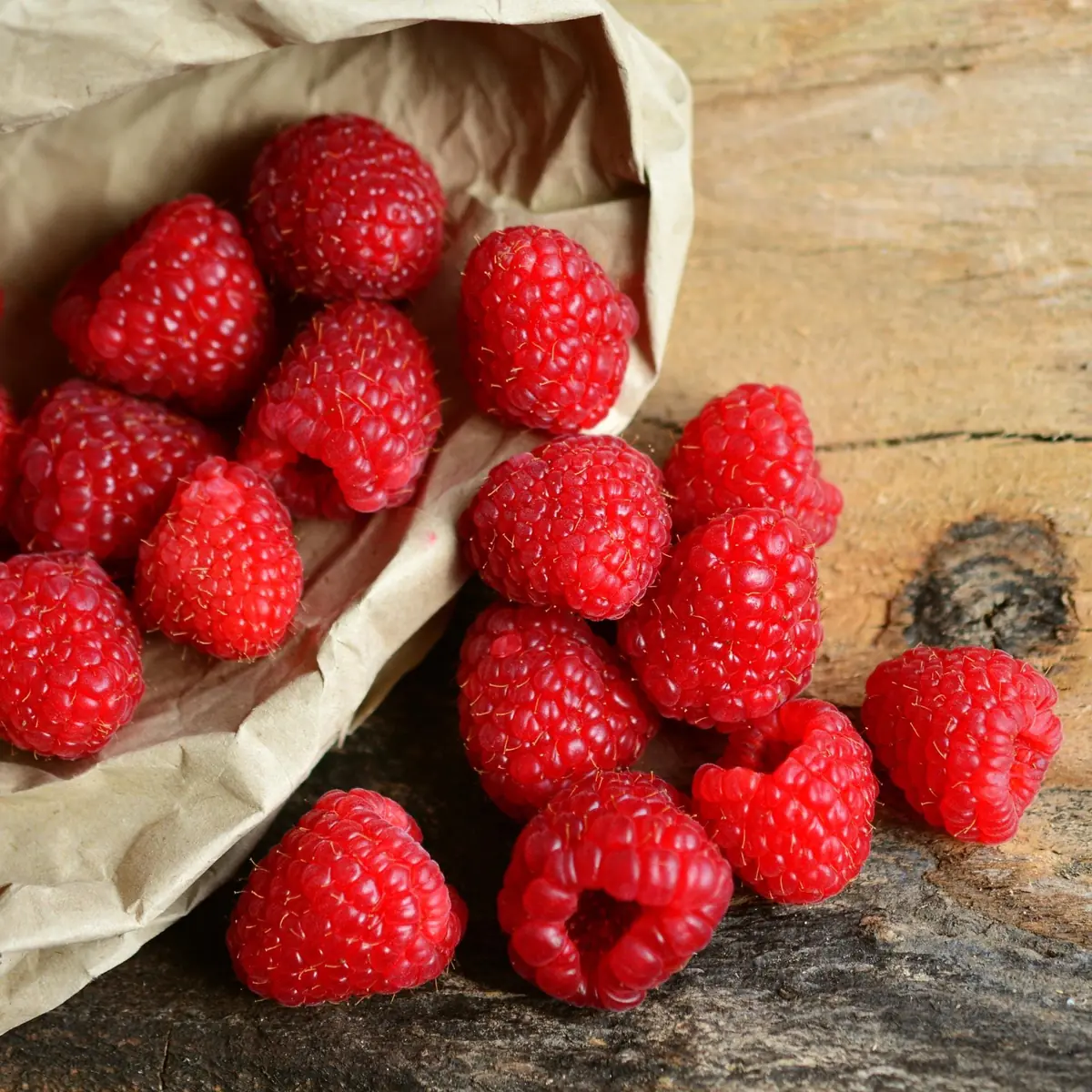
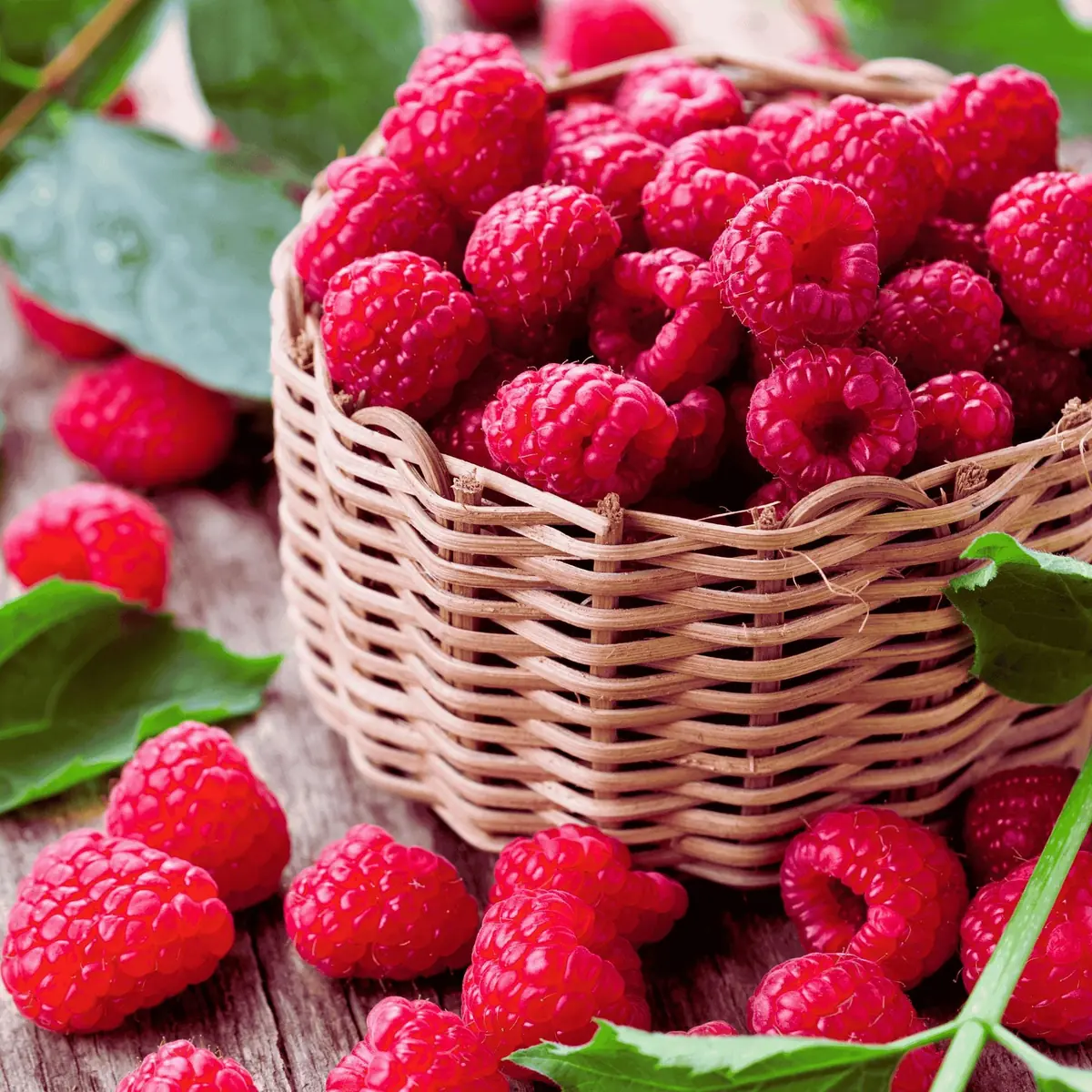
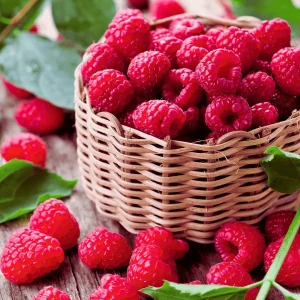
Embark on a rewarding gardening journey with the highly sought-after heritage red raspberry plant. This offering includes a robust 1-year-old bare root cane, ready to establish quickly and produce an abundance of delicious fruit. The Heritage variety is celebrated as an everbearing red raspberry, meaning it delivers two distinct crops of berries: one in late spring/early summer and a more substantial harvest in the late summer and fall. This extended fruiting period ensures a continuous supply of fresh, flavorful raspberries for an extended season, making it a favorite among home gardeners and commercial growers alike. Known for its vigorous growth and strong disease resistance, the heritage red raspberry plant is an excellent choice for both novice and experienced cultivators seeking a reliable and productive berry patch.
These plants are shipped dormant, which is the ideal state for planting, ensuring they can focus all their energy on developing a strong root system once in the ground. The Heritage variety produces medium-sized, firm, and exceptionally sweet berries that are perfect for a wide array of culinary uses. Whether you plan to enjoy them fresh off the cane, incorporate them into desserts, make jams and jellies, or simply freeze them for later, these raspberries will not disappoint. Invest in a high-yield raspberry plant that promises bountiful harvests year after year.
Key Benefits
The heritage red raspberry plant offers numerous advantages for any gardener looking to grow their own fruit. Its reliable nature and delicious yield make it a standout choice:
- Extended Harvest Season: As an everbearing red raspberry, you’ll enjoy two crops of fruit—one in summer and another, often larger, crop in the fall. This provides a continuous supply of fresh berries for months.
- Superior Flavor and Texture: Heritage raspberries are renowned for their deliciously sweet and firm berries, making them excellent for fresh eating, baking, and preserving.
- High-Yielding Variety: These plants are incredibly productive, providing a generous harvest season after season, ensuring you have plenty of fruit for all your needs.
- Robust and Disease Resistant: The Heritage variety is known for its strong, upright canes and excellent resistance to common raspberry diseases, reducing the need for chemical treatments and making it easier to maintain.
- Adaptable Growing Conditions: Thriving in USDA Hardiness Zones 4–8, this raspberry bare root cane is suitable for a wide range of climates across the United States.
- Easy to Maintain: With its upright growth habit, the heritage red raspberry plant is relatively easy to prune and manage, even for those new to growing berries.
- Versatile Culinary Use: The berries are perfect for fresh consumption, delicious in pies, tarts, smoothies, and ideal for making homemade jams, jellies, and preserves.
Plant Care & Growing Tips
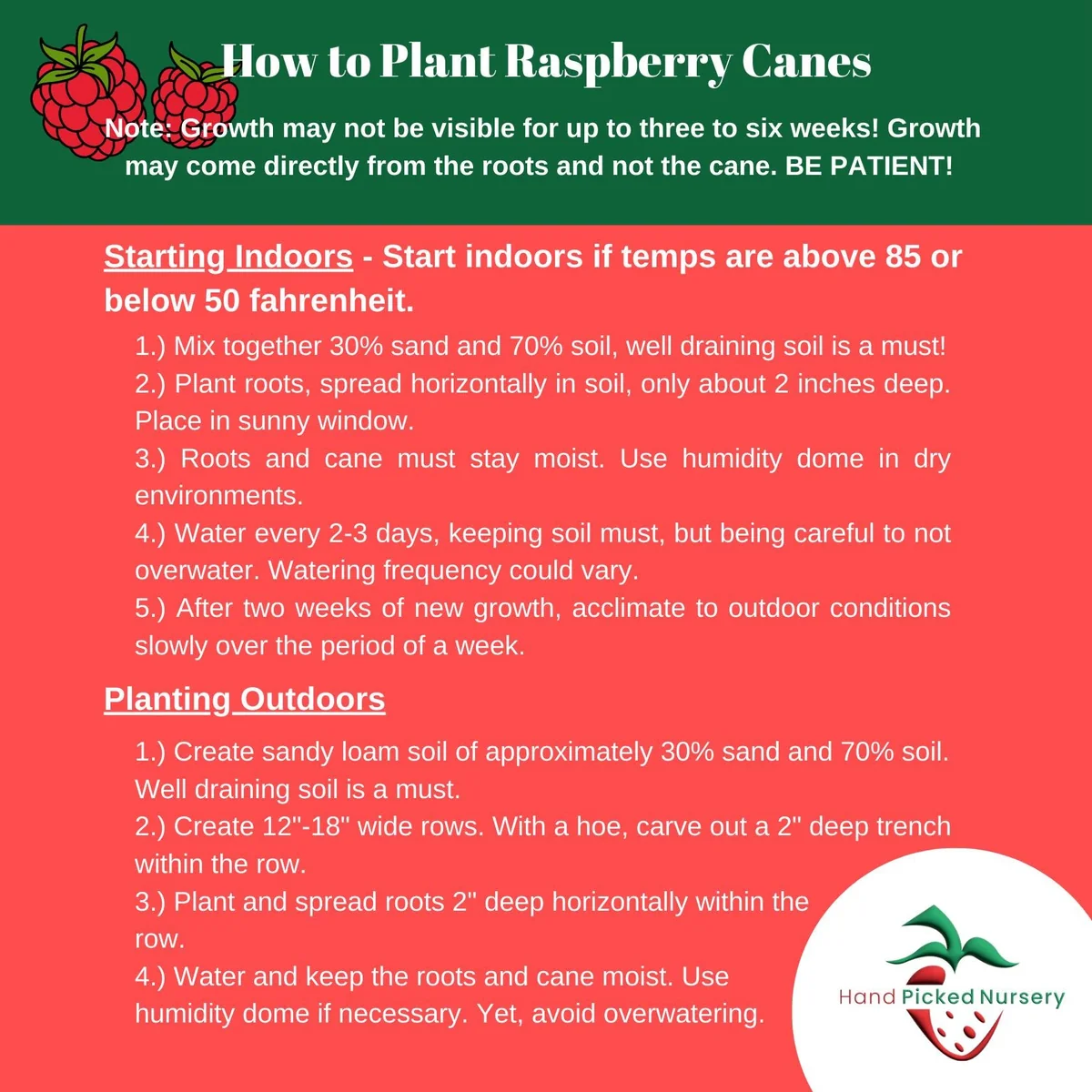
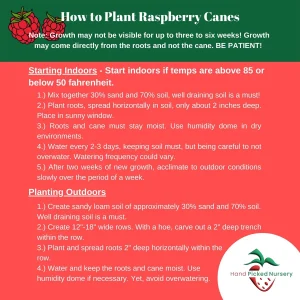
Growing a healthy and productive heritage red raspberry plant starts with proper care and attention to its specific needs. These plants prefer a location that receives full sun, ideally 6-8 hours of direct sunlight per day, which is crucial for optimal fruit production and flavor development. Well-drained, fertile soil with a pH between 6.0 and 6.5 is essential. Before planting your raspberry bare root cane, amend heavy clay soils with organic matter like compost to improve drainage and aeration. For sandy soils, adding compost will enhance water retention and nutrient availability.
When planting, space individual bare root canes 2-3 feet apart within a row, allowing 6-8 feet between rows to ensure good air circulation and room for growth. Consistent watering is vital, especially during the growing season; aim for 1–1.5 inches of water per week, either from rainfall or irrigation. Avoid overhead watering if possible, as this can encourage fungal diseases. A trellis system or support wires are highly recommended for the upright canes of this everbearing red raspberry. This not only keeps the fruit clean and off the ground but also improves air circulation, which is important for preventing disease and maximizing yield. Pruning is key for managing your heritage red raspberry plant. For two crops, remove spent canes after the summer harvest and allow primocanes (first-year canes) to produce the fall crop. For a single, larger fall crop, cut all canes to the ground in late winter. This strategy for growing heritage raspberries ensures vigorous growth and abundant fruit production.
Size & Details
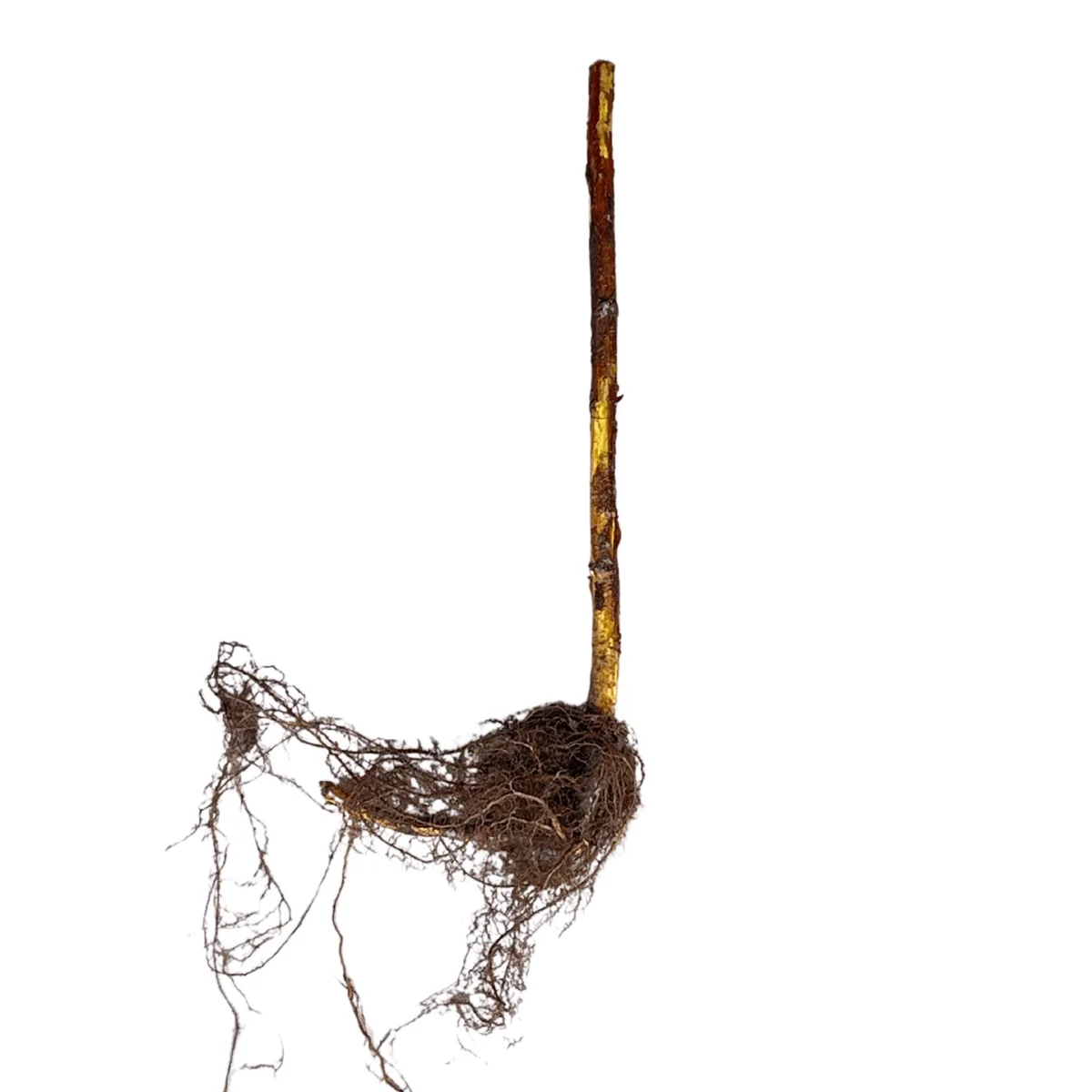
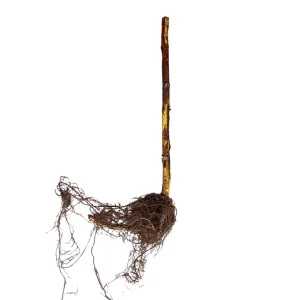
This offering includes 5 individual heritage red raspberry plant bare root canes, each 1-year-old. Bare root plants are shipped dormant and without soil, allowing for easy transportation and optimal establishment once planted. Upon arrival, the canes will appear like woody sticks, but they are alive and ready to burst into growth when planted correctly. These high-yield raspberry plant varieties typically grow to a mature height of 5-8 feet with a spread of 3-5 feet, depending on pruning and growing conditions. The upright canes are vigorous and will benefit from support such as a trellis. Expect your first summer crop in late June to early July, with the more significant fall harvest occurring from late August through October. Each raspberry bare root cane is selected for quality, ensuring a strong start to your raspberry patch and many seasons of delicious fruit.
Frequently Asked Questions
- Q: How big does this heritage red raspberry plant get? A: A mature heritage red raspberry plant can typically reach a height of 5-8 feet and spread 3-5 feet, depending on growing conditions and pruning practices. Providing a trellis or support system is recommended for optimal growth.
- Q: What condition will the raspberry bare root cane arrive in? A: Your raspberry bare root cane will arrive dormant and bare-rooted, meaning it will not have leaves or soil. This is the ideal state for planting and ensures the plant focuses its energy on root development once in the ground.
- Q: Is this an indoor or outdoor plant? A: The heritage red raspberry plant is an outdoor fruit-bearing bush. It requires full sun exposure and is best suited for garden beds or large containers outdoors.
- Q: How much sunlight does the everbearing red raspberry need? A: This variety thrives in full sun, requiring at least 6-8 hours of direct sunlight per day for the best fruit production and overall plant health.
- Q: Is this plant easy to care for? Is it good for beginners? A: Yes, the heritage red raspberry plant is considered relatively easy to care for, especially with its disease resistance and upright growth habit. It’s an excellent choice for beginners interested in growing heritage raspberries.
- Q: When is the best time to plant the raspberry bare root cane? A: The best time to plant bare root raspberries is in early spring, as soon as the soil can be worked, but before the heat of summer sets in. This allows the roots to establish before active growth begins.
- Q: What USDA Hardiness Zones are suitable for this plant? A: This high-yield raspberry plant is well-suited for USDA Hardiness Zones 4 through 8, making it adaptable to a wide range of climates.
- Q: How long until it produces fruit? A: While you might get a small harvest in the first year, particularly from the fall crop of your everbearing red raspberry, the plant will establish and produce a significantly larger yield in its second year and beyond.
- Q: What kind of soil does it prefer? A: Heritage raspberries prefer well-drained, fertile soil with a pH between 6.0 and 6.5. Amending soil with organic matter is beneficial for optimal growth.
- Q: Can I get two crops of raspberries from this plant? A: Yes, as an everbearing red raspberry, the Heritage variety is known for producing two crops: a smaller summer crop and a larger, more abundant fall crop.


Reviews
There are no reviews yet.