



Overview
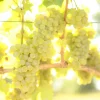
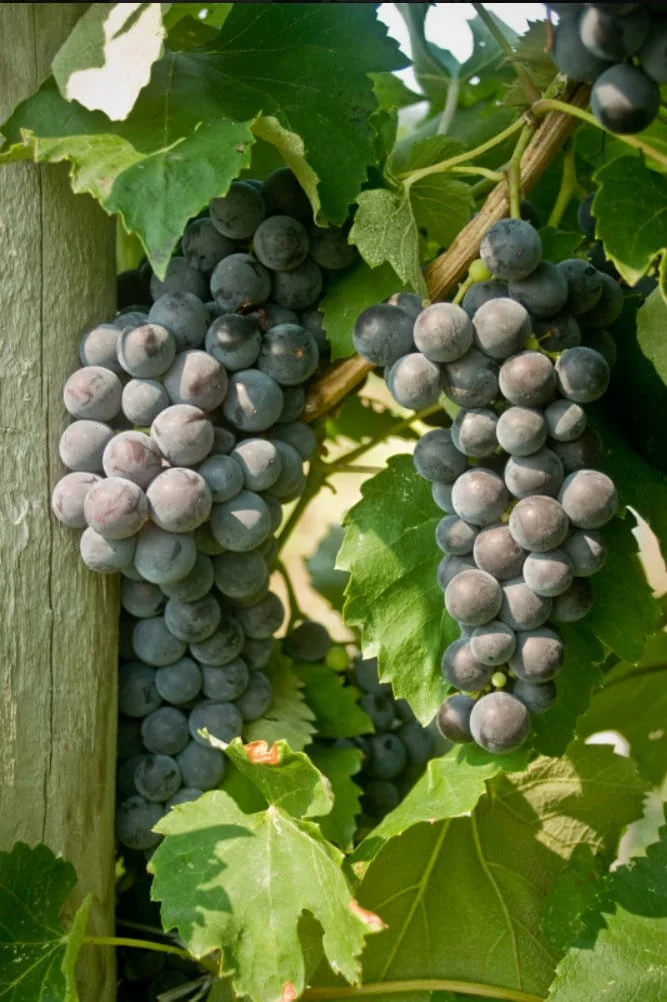
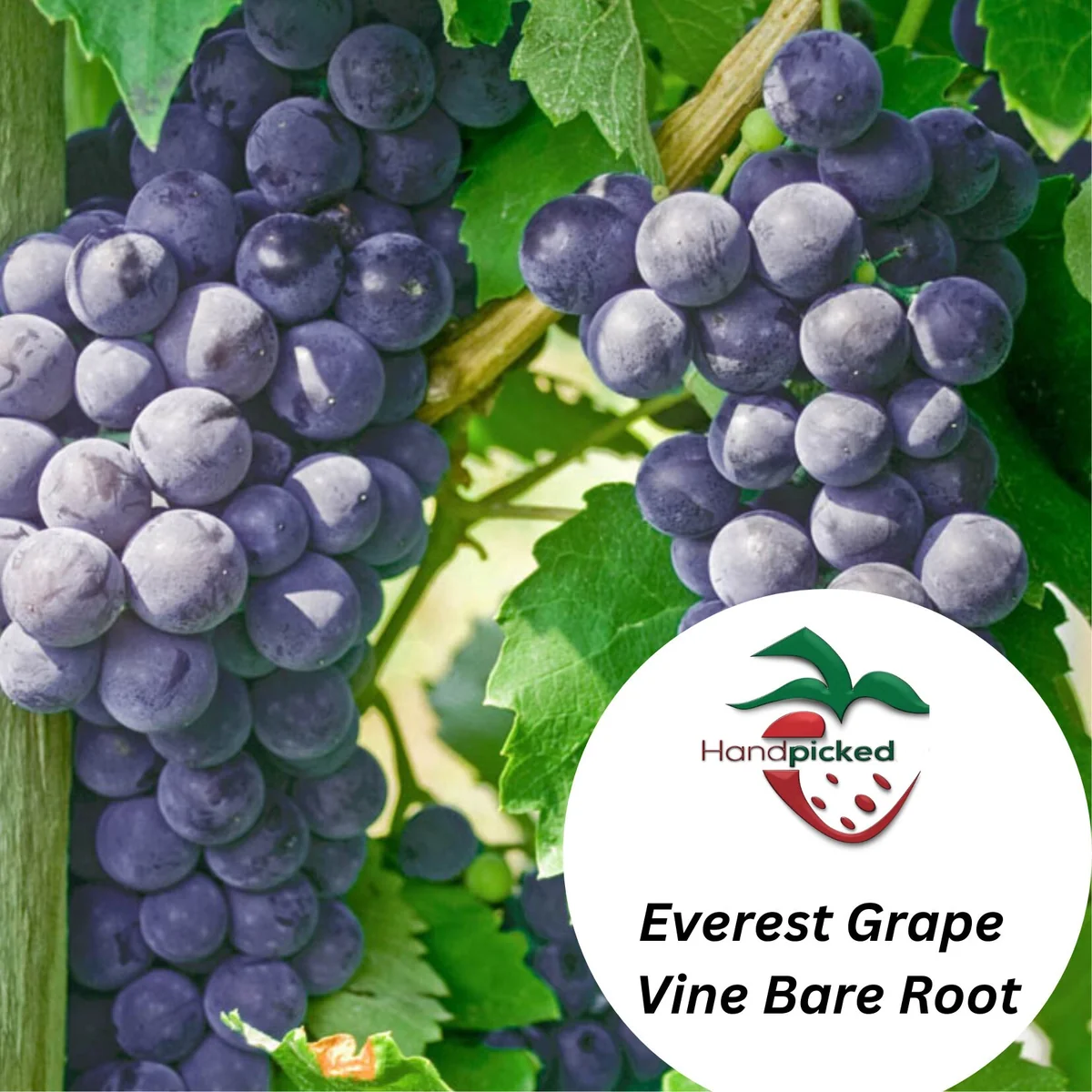
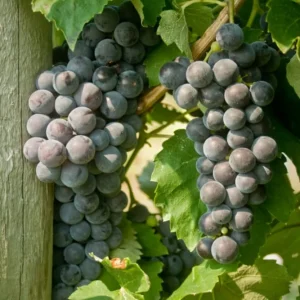
Embark on your viticulture journey with the exceptional Everest Grape Vine. This offering provides one bare root live plant of the highly sought-after Everest variety, celebrated for its robust growth and abundant yields of delicious blue-black grapes. Ideal for home gardeners, small-scale vineyards, or anyone looking to add a productive and ornamental vine to their landscape, the Everest grape is versatile enough for fresh eating, juice production, or crafting homemade wines. Its adaptability and rewarding harvest potential make it a favored choice among enthusiasts, promising a bountiful return for attentive care. This semi-trailing vine quickly establishes itself, transforming your garden into a source of sweet, flavorful fruit.
The Everest Grape Vine is known for its reliability and vigorous nature, making it an excellent choice for both novice and experienced growers. Its striking appearance, with lush foliage and attractive fruit clusters, adds significant aesthetic value to any garden setting. Cultivating this hardy grape variety connects you directly to the process of growing your own food, offering a unique and satisfying experience from planting to harvest. Prepare to enjoy the rich, deep-colored grapes that define the Everest variety, a true garden treasure.
Key Benefits
The Everest Grape Vine brings a multitude of advantages to your garden, making it a truly valuable addition. From its robust growth to its delicious fruit, here are some of the key benefits:
- Rich Flavor & Versatility: Produces succulent blue-black grapes with a rich, full-bodied flavor, perfect for fresh eating, juice, jellies, or high-quality winemaking. This versatile grape ensures you get the most out of your harvest.
- Hardy & Adaptable: This resilient grape variety thrives across a wide range of climates, performing well in USDA Zones 5–12. Its robust nature makes it an excellent choice for various garden conditions, ensuring reliable growth.
- Vigorous Growth: Known for its strong, vigorous growth habit, the Everest Grape Vine quickly establishes itself and produces abundant fruit clusters, providing a satisfying and productive gardening experience.
- Beautiful Landscape Addition: Beyond its fruit, the vine’s lush foliage and elegant growth habit make it an attractive ornamental feature for arbors, pergolas, fences, and edible landscapes, enhancing your garden’s aesthetic appeal.
- Long-Term Harvest Potential: With proper care, this grape vine offers many years of bountiful harvests, providing a sustainable source of fresh fruit for your family and winemaking projects. Enjoy the fruits of your labor season after season.
- Disease Resistance: While specific resistance levels vary, the Everest variety is generally considered robust, contributing to easier maintenance and a higher chance of a successful harvest.
- Home Winemaking Potential: For those interested in viticulture, this blue-black grape variety is highly regarded for its suitability in producing excellent homemade wines, adding a unique dimension to your culinary endeavors.
Plant Care & Growing Tips
Proper care is essential for ensuring your Everest Grape Vine thrives and produces abundant fruit. This hardy variety is relatively low-maintenance once established, but a good start and consistent attention will yield the best results. Plant your bare root vine in a location that receives full sun, meaning at least 6-8 hours of direct sunlight daily. Well-drained soil is crucial; grapevines dislike wet feet. Amend heavy clay soils with organic matter to improve drainage, or consider planting in raised beds if your soil is particularly poor.
When planting, ensure the hole is wide enough to accommodate the roots without bending them. Spread the roots out gently and backfill with soil, firming it lightly to remove air pockets. Water thoroughly after planting. Consistent moisture is vital during the establishment phase and particularly during hot, dry periods. However, avoid overwatering, which can lead to root rot. Fertilize your bare root grape plant in early spring with a balanced fertilizer, and again in mid-summer if growth appears slow. Follow product instructions for application rates.
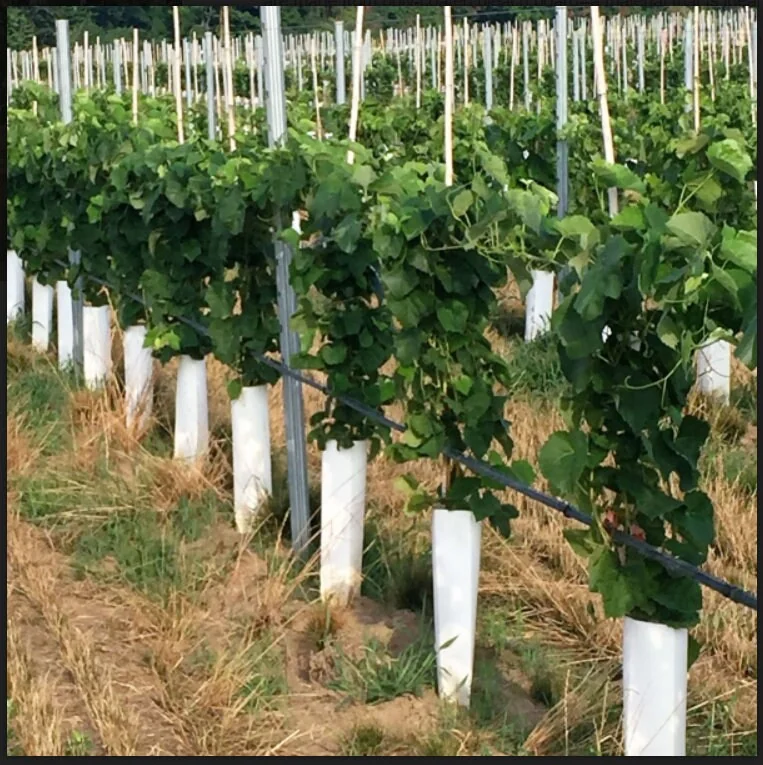
Pruning is a critical aspect of grape vine care, promoting better air circulation, fruit production, and overall plant health. For the Everest Grape Vine, a cane pruning system is often effective. Prune during the dormant season (late winter to early spring) to remove old, unproductive canes and encourage new growth. Support is also paramount; train your vine on a sturdy trellis, arbor, or wire system from a young age. This semi-trailing vine will reward your efforts with delicious grapes suitable for fresh eating or winemaking projects. Protecting against common pests and diseases with organic solutions or appropriate treatments will also ensure a healthy and productive grape vine.
Size & Details
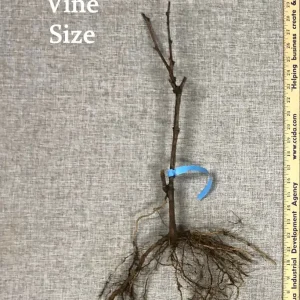
This offering includes 1 bare root grape plant of the Everest variety. A bare root plant is a dormant plant shipped without soil, allowing for easier transport and often quicker establishment once planted in its permanent location. Upon arrival, the plant will appear as dormant roots with a small amount of stem. The size of the bare root plant can vary, but it is typically a young, healthy vine ready for planting. When mature, the Everest Grape Vine is a vigorous grower, capable of reaching lengths of 15-20 feet or more with proper support and pruning. Its semi-trailing habit makes it ideal for training over arbors, pergolas, or along wires in a vineyard setting. Expect your vine to begin producing fruit within 2-3 years, with increasing yields as it matures. The grapes ripen typically in late summer to early autumn, offering a consistent harvest window once established. This plant is hardy for USDA Zones 5–12, demonstrating its broad adaptability.
Frequently Asked Questions
- Q: How big does the Everest Grape Vine get? A: With proper support and pruning, the Everest Grape Vine can grow quite large, often reaching lengths of 15-20 feet or more, making it suitable for covering arbors or trellises.
- Q: What condition will my bare root grape plant arrive in? A: Your bare root grape plant will arrive dormant, consisting of healthy roots and a small stem, carefully packaged without soil. This is normal for bare root plants and ensures successful transplanting.
- Q: How much sunlight does the Everest Grape Vine need? A: This grape variety requires full sun exposure, meaning at least 6 to 8 hours of direct sunlight per day, to ensure optimal growth and fruit production.
- Q: Is this an easy plant to care for for beginners? A: The Everest Grape Vine is relatively hardy and adaptable, making it a good choice for beginners who are willing to learn basic pruning and training techniques. Its vigorous nature helps it establish well.
- Q: Can I use the Everest grapes for winemaking? A: Yes, the Everest variety is highly regarded for its rich blue-black grapes, which are excellent for both fresh eating and for making flavorful homemade wines.
- Q: When is the best time to plant this bare root grape plant? A: The ideal time to plant a bare root grape vine is in early spring, after the last threat of frost has passed but before the plant breaks dormancy.
- Q: What USDA zones is the Everest Grape Vine hardy in? A: The Everest Grape Vine is a hardy variety and thrives in USDA Zones 5 through 12, showcasing its wide adaptability to various climates.


Reviews
There are no reviews yet.