



Overview
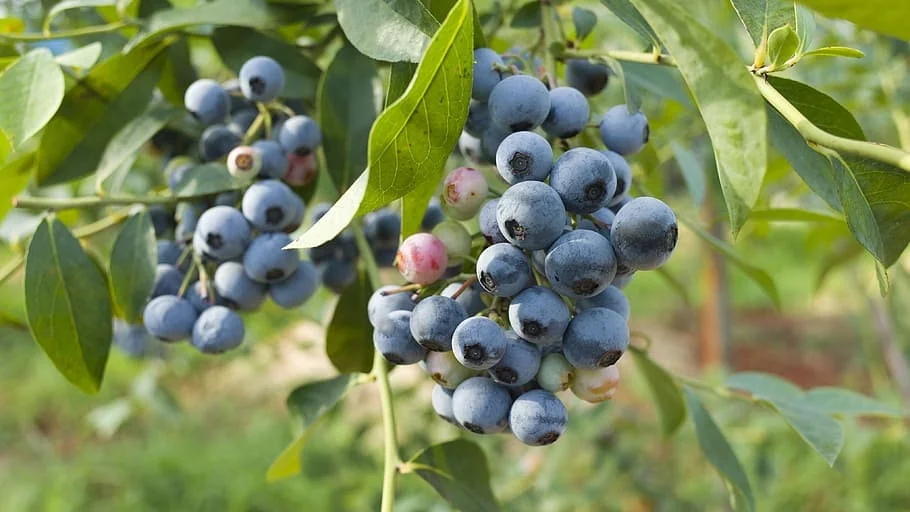
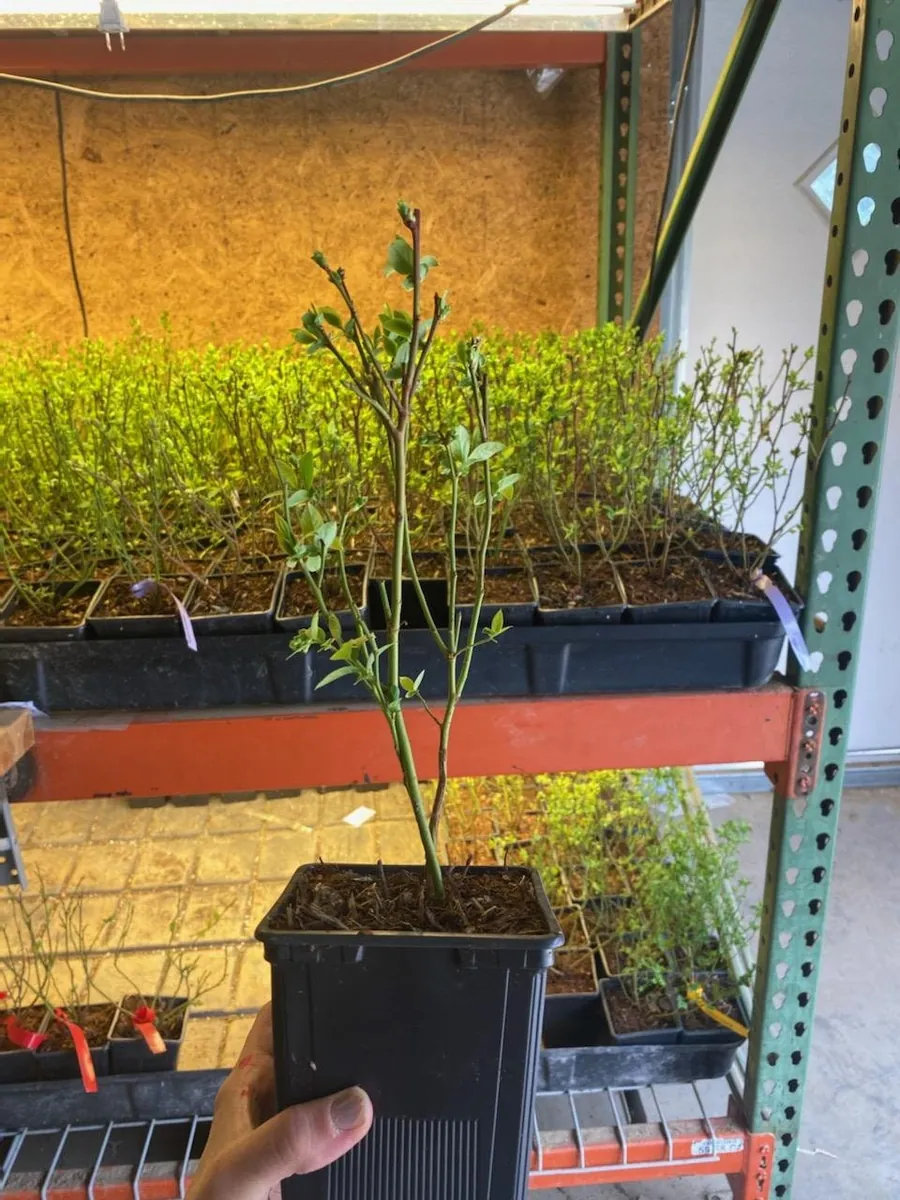
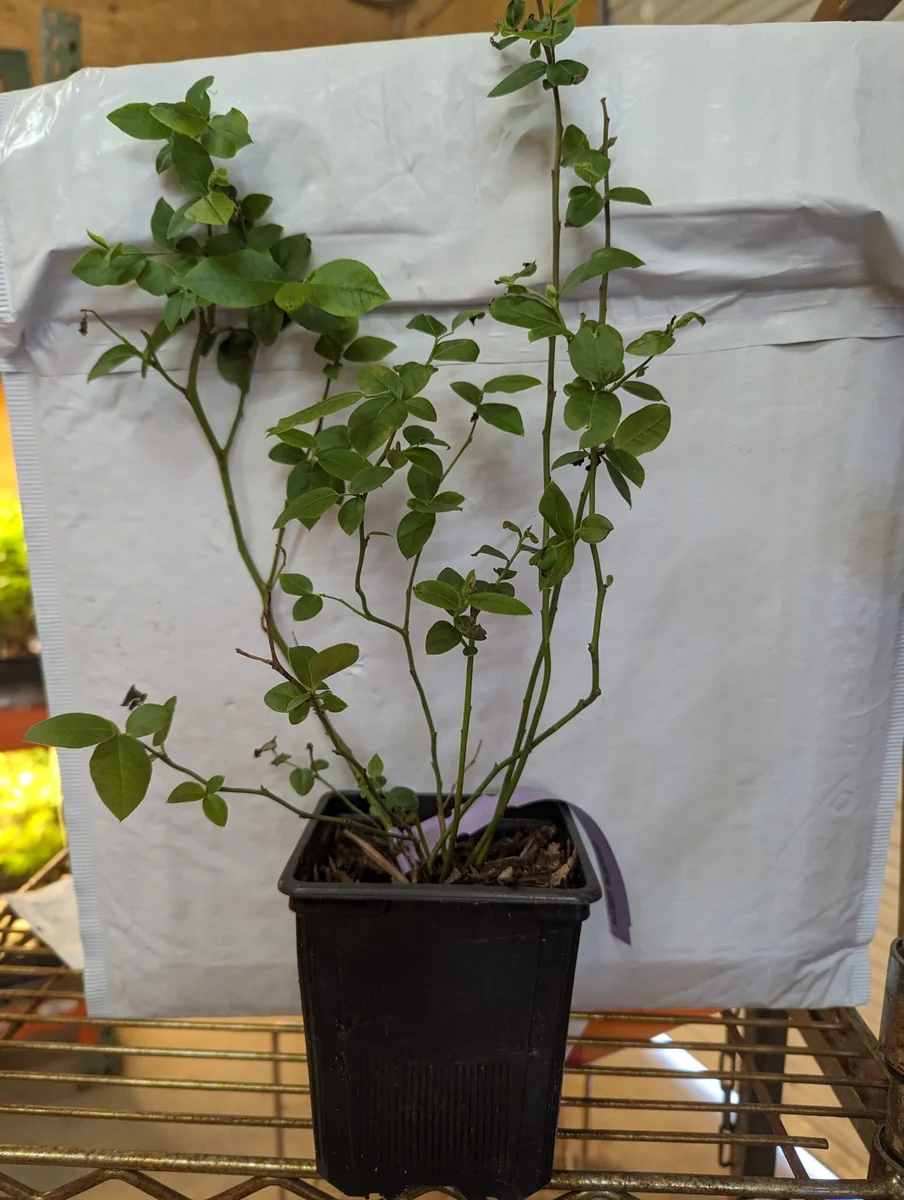
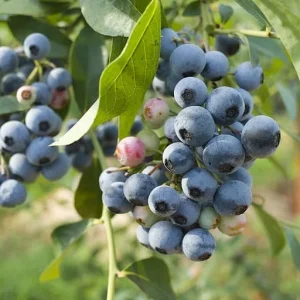
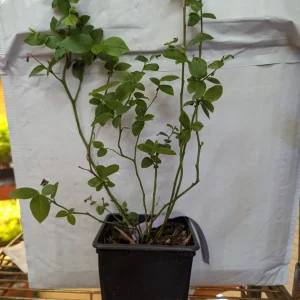
The bluejay northern highbush blueberry is an excellent choice for home gardeners looking to grow their own delicious fruit. This live plant, specifically the ‘Bluejay’ cultivar, is known for its reliable production of medium-sized, firm, and flavorful berries. As a Northern Highbush variety, it is well-suited for regions with significant chill hours, typically requiring 800 to 1000 hours to set fruit effectively. Shipped as a 1 quart sized bare root plant, approximately 10 to 12 inches tall, it arrives ready for planting in your garden. The ‘Bluejay’ is a vigorous grower and provides a bountiful harvest, making it a rewarding addition to any edible landscape. Its adaptability to various climates, provided chill hour requirements are met, makes the bluejay northern highbush blueberry a popular and practical choice for growing your own fresh berries.
This particular offering provides a healthy, 2-year-old plant, ensuring a good head start for establishment in your garden. Growing blueberries can be a truly satisfying experience, offering not just fresh fruit but also attractive foliage that turns brilliant red in the fall. The ‘Bluejay’ variety is a robust and resilient plant, promising years of delicious harvests with proper care. Whether you are an experienced gardener or just starting out with fruit cultivation, this highbush blueberry plant offers an accessible way to enjoy homegrown produce.
Key Benefits
Adding a bluejay northern highbush blueberry to your garden offers numerous advantages, from fresh produce to ornamental value. These plants are a fantastic investment for any edible garden:
- Abundant Fruit Production: The ‘Bluejay’ cultivar is known for its consistent and generous yields of delicious, medium-sized blueberries, perfect for fresh eating, baking, or preserving.
- Early to Mid-Season Harvest: Enjoy fresh blueberries earlier in the growing season compared to some other varieties, extending your harvest period.
- Attractive Landscape Addition: Beyond its fruit, the highbush blueberry plant provides ornamental value with its delicate white flowers in spring and stunning red foliage in autumn.
- Nutrient-Rich Superfood: Blueberries are packed with antioxidants and vitamins, offering significant health benefits when incorporated into your diet.
- Long-Lived Perennial: With proper care, these blueberry plants can produce fruit for many years, becoming a long-term asset to your garden.
- Supports Pollinators: The spring flowers attract bees and other beneficial pollinators to your garden, contributing to a healthier ecosystem.
- Adaptable to Various Climates: Requiring 800-1000 chill hours, this variety is well-suited for temperate regions, making growing blueberries a success in many areas.
Plant Care & Growing Tips
Successful cultivation of your bluejay northern highbush blueberry depends on providing the right conditions. Blueberries thrive in acidic soil, ideally with a pH between 4.5 and 5.5, and rich in organic matter. Before planting, it’s crucial to amend your soil with peat moss, compost, or pine bark to achieve the desired acidity and improve drainage. Good drainage is essential, as blueberries have shallow, fibrous roots that are easily starved for oxygen in waterlogged conditions. However, they are not tolerant of drought and require consistent moisture, especially during fruit development. Mulching around the base of the plant with pine needles or wood chips can help retain soil moisture, suppress weeds, and maintain soil acidity.
For optimal fruit production, the highbush blueberry plant needs a location with full sun, meaning at least 6-8 hours of direct sunlight per day. While blueberry cultivars are self-fertile, cross-pollination with another compatible variety planted within 5 feet can lead to larger berries and increased yields. Fertilize your blueberry plants in early spring with an acid-loving fertilizer, avoiding those containing nitrates, which can be harmful. Pruning is important for maintaining plant vigor and fruit production; remove old, unproductive canes annually to encourage new growth. Protecting your berries from birds might also be necessary as harvest time approaches. Understanding blueberry plant care will ensure a thriving and productive plant.
This particular variety requires 800-1000 chill hours, making it suitable for regions with cold winters. Ensure your planting site offers consistent moisture without becoming waterlogged. Regular watering during dry spells is critical, especially when the plant is establishing and during fruiting. Monitor for pests and diseases, though blueberries are generally quite robust. By following these guidelines, you can ensure your bare root blueberry plant establishes well and provides many years of delicious fruit.
Size & Details
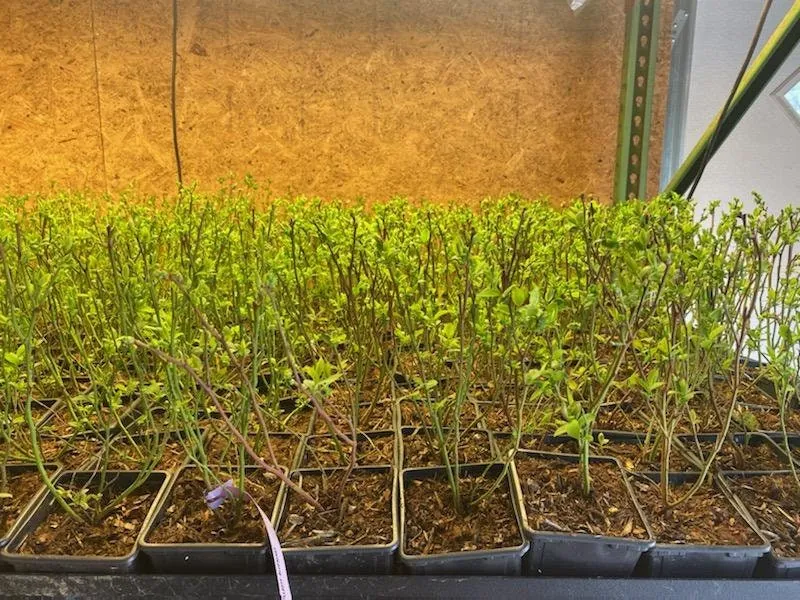
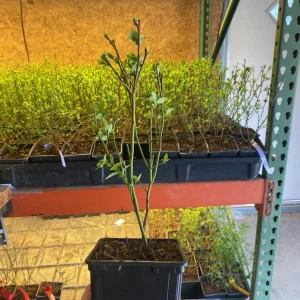
This offering includes two bluejay northern highbush blueberry plants, each a 1 quart sized, 2-year-old live plant. They are shipped bare root, meaning they arrive without soil around their roots, which is a common and effective method for shipping dormant plants. The plants typically measure between 10 to 12 inches in height upon arrival, providing a substantial start for your garden. ‘Bluejay’ is a vigorous upright grower, eventually reaching a mature height of 5-7 feet with a similar spread, making it a medium to large bush. With proper care, these plants will begin producing fruit within 1-2 years after planting, with significant yields expected from the third year onwards. The bare root format allows for easy handling and planting, and these plants are ready to establish quickly in well-prepared soil. The robust nature of this highbush blueberry plant ensures a strong foundation for future growth and abundant harvests.
Frequently Asked Questions
- Q: How big will the Bluejay Northern Highbush Blueberry plant get? A: The bluejay northern highbush blueberry plant is a vigorous upright grower that typically reaches a mature height of 5-7 feet with a similar spread. Its size makes it a prominent and productive addition to most garden spaces.
- Q: What condition will the plant arrive in? A: Your bare root blueberry plants will arrive as 1 quart sized, 2-year-old live plants, approximately 10 to 12 inches tall. They are shipped bare root, meaning without soil around their roots, which is standard for dormant plant shipping and helps ensure a healthy start when planted.
- Q: How much sunlight does this blueberry plant need? A: For optimal growth and fruit production, the highbush blueberry plant requires a location that receives full sun, meaning at least 6-8 hours of direct sunlight per day. Adequate sunlight is crucial for developing sweet and abundant berries.
- Q: Is this plant easy to care for? A: While blueberries have specific soil and chill hour requirements, once these are met, blueberry plant care is relatively straightforward. They require consistent moisture, acidic soil, and annual pruning to maintain health and productivity.
- Q: When is the best time to plant this bare root blueberry? A: The best time to plant bare root blueberry plants is typically in early spring, after the last frost, or in late fall before the ground freezes. This allows the plant to establish its root system before the stress of summer heat or deep winter cold.
- Q: What kind of soil does the Bluejay blueberry need? A: The bluejay northern highbush blueberry thrives in well-draining, acidic soil with a pH between 4.5 and 5.5. It also benefits greatly from soil rich in organic matter, which helps retain moisture and provides nutrients.
- Q: Will this plant survive winter in my zone? A: The ‘Bluejay’ variety is a Northern Highbush blueberry, requiring 800 to 1000 chill hours. This makes it suitable for USDA hardiness zones where winters provide sufficient cold, typically zones 4-7. It is quite cold-hardy once established.
- Q: How long until I get fruit from my Bluejay blueberry plant? A: As a 2-year-old plant, your bluejay northern highbush blueberry should begin producing some fruit within 1-2 years after planting. Significant yields can generally be expected from the third year onwards, once the plant is well-established.
- Q: Can I grow multiple blueberry cultivars together? A: Yes, planting multiple cultivars within 5 feet of each other is recommended even though blueberries are self-fertile. Cross-pollination often leads to larger berries and can help extend your harvest season if you choose varieties that ripen at different times, which is a great strategy for growing blueberries.
- Q: What are the main benefits of growing blueberries at home? A: Growing blueberries at home provides fresh, antioxidant-rich fruit, adds ornamental beauty to your garden with seasonal foliage changes, supports local pollinators, and offers a rewarding gardening experience with a long-lived, productive plant.


Reviews
There are no reviews yet.