Overview
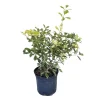
Introduce a touch of natural elegance and captivating fragrance to your landscape with the sweet shrub live plant. Also known as carolina allspice plant or its botanical name, Calycanthus floridus, this delightful deciduous shrub is renowned for its unique, spicy-sweet scented flowers. Native to the southeastern United States, the Sweet Shrub is a medium-sized plant, typically reaching 6 to 9 feet tall and wide, making it a versatile choice for various garden designs. This offering is for one bare root plant, ready for planting to establish quickly in your garden. Its attractive foliage and distinctive blooms provide year-round interest, transforming your outdoor space into a fragrant sanctuary.
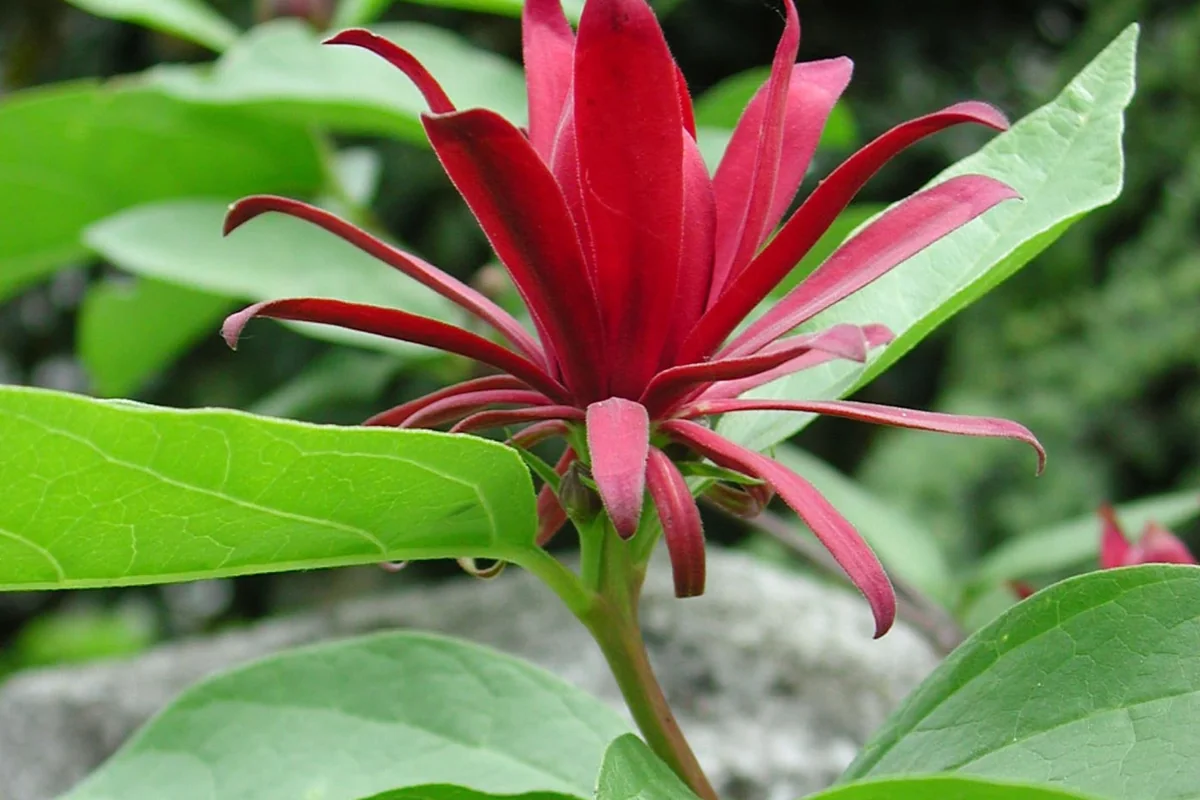
The allure of the sweet shrub live plant lies in its distinctive maroon to reddish-brown flowers, which appear from late spring to early summer. These blossoms are not only visually appealing but also emit an intoxicating fragrance often compared to strawberries, bananas, or pineapples, living up to its ‘allspice’ moniker. Beyond its aromatic charm, the Sweet Shrub is a robust and adaptable plant, suitable for a range of growing conditions and relatively low maintenance, making it an excellent choice for both novice and experienced gardeners seeking a unique and rewarding addition to their plant collection.
Key Benefits
Adding a sweet shrub live plant to your garden brings a multitude of advantages, enriching your outdoor experience with its beauty and functionality. This plant is celebrated for its ease of care and its ability to thrive in various settings, making it a valuable investment for any landscape. The unique characteristics of the carolina allspice plant contribute significantly to a vibrant and healthy garden ecosystem.
- Exceptional Fragrance: Enjoy the rich, spicy-fruity scent of the maroon flowers, reminiscent of strawberries or bananas, which provides a delightful sensory experience in your garden from late spring to early summer.
- Low Maintenance: This deciduous shrub requires minimal pruning and care once established, making it an ideal choice for gardeners looking for a beautiful plant without extensive upkeep.
- Attracts Pollinators: The fragrant flowers of the sweet shrub live plant are a magnet for bees, butterflies, and other beneficial pollinators, contributing to a healthier garden ecosystem and supporting local wildlife.
- Adaptable to Various Conditions: The Sweet Shrub thrives in a range of growing conditions, tolerating both partial shade and full sun, and adapts to different soil types, offering flexibility in placement.
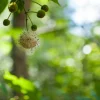
- Year-Round Interest: Beyond its stunning flowers, the plant’s medium green foliage turns attractive shades of yellow or golden brown in the fall, and its unique urn-shaped seed capsules persist into winter, providing visual interest.
- Native Plant Benefits: As a native species to the southeastern US, the carolina allspice plant is well-suited to local climates, requiring less intervention and supporting native fauna.
- Drought Tolerance: Once established, the Sweet Shrub demonstrates good drought tolerance, making it a resilient choice for various climates and water-wise gardening.
Plant Care & Growing Tips
Caring for your sweet shrub live plant is straightforward, ensuring a healthy and vibrant addition to your garden for years to come. This robust shrub, also known as calycanthus floridus care, is quite forgiving, but providing optimal conditions will encourage the most profuse flowering and vigorous growth. Proper planting and ongoing maintenance are key to its success.
When planting your bare root sweet shrub live plant, choose a location that receives partial shade to full sun. While it tolerates shade, sunnier spots generally result in more abundant blooms. Prepare the soil by amending it with organic matter like compost to improve fertility and drainage. The Sweet Shrub prefers slightly acidic to neutral soil with a pH between 5.5 and 7.0. Plant in early spring or late fall when the soil is moist and temperatures are moderate. Dig a hole slightly wider and as deep as the root ball, placing the plant so the top of the root ball is level with the surrounding soil. Backfill gently, firming the soil around the roots, and water thoroughly to settle. Space plants 6 to 9 feet apart to allow for mature growth.
Ongoing calycanthus floridus care involves consistent watering, especially during dry periods and throughout its first growing season, to maintain consistently moist but not waterlogged soil. Apply a layer of organic mulch around the base to retain moisture, suppress weeds, and regulate soil temperature. Pruning is generally minimal; in late winter or early spring, remove any dead, damaged, or crossing branches to maintain shape. Fertilization is usually unnecessary, as this plant adapts well to nutrient-poor soils, but a balanced fertilizer can be applied in spring if signs of nutrient deficiency appear. This simple routine will ensure your fragrant garden shrub thrives and produces its beloved aromatic flowers.
Size & Details
This offering includes one bare root sweet shrub, ready for planting to establish quickly in your garden. The sweet shrub live plant is a medium-sized deciduous shrub that typically grows to a mature height and width of 6 to 9 feet (1.8 to 2.7 meters), though it can occasionally reach up to 12 feet (3.7 meters) in ideal conditions. It exhibits a rounded to spreading growth habit with multiple stems, creating a full and attractive silhouette in the landscape. The leaves are simple, opposite, ovate to elliptical, and medium green, transitioning to lovely yellow or golden-brown hues in the fall.
The unique, fragrant flowers, 1 to 2 inches (2.5 to 5 cm) across, are maroon to reddish-brown and bloom in late spring to early summer. After flowering, the plant develops small, brown to reddish-brown, urn-shaped seed capsules that add interest through the fall and winter. This bare root specimen provides an excellent opportunity to plant and nurture a robust carolina allspice plant from its foundational stage, allowing it to adapt to your specific garden environment and flourish into a magnificent, aromatic focal point.
Frequently Asked Questions
- Q: How big does this plant get? A: The sweet shrub live plant typically grows to a height and width of 6 to 9 feet, though in optimal conditions, it can occasionally reach up to 12 feet. It forms a rounded to spreading shrub with multiple stems.
- Q: Is this an indoor or outdoor plant? A: The carolina allspice plant is an outdoor deciduous shrub, native to the southeastern United States. It is best suited for garden beds, borders, or as a specimen plant in a landscape.
- Q: How much sunlight does it need? A: This fragrant garden shrub thrives in partial shade to full sun. While it can tolerate more shade, it generally produces more abundant flowers in sunnier locations.
- Q: Is this plant easy to care for? A: Yes, the Sweet Shrub is known for being relatively low maintenance. Once established, it requires minimal pruning and is adaptable to various soil and light conditions, making calycanthus floridus care quite manageable.
- Q: What condition will it arrive in? A: You will receive 1 bare root sweet shrub live plant. Bare root plants are shipped without soil and foliage, making them ready for immediate planting upon arrival.
- Q: When is the best time to plant a bare root sweet shrub? A: The ideal time to plant your bare root sweet shrub is in early spring or late fall when the soil is moist and temperatures are moderate. This allows the plant to establish its root system before extreme weather.
- Q: Will it survive winter in my zone? A: The Sweet Shrub is hardy in USDA zones 4-9. It is a deciduous shrub, meaning it will lose its leaves in winter, but the plant itself is winter-hardy within these zones.
- Q: What type of soil does it prefer? A: This shrub prefers moist, well-drained soil with a pH range of 5.5 to 7.0 (slightly acidic to neutral). Amending the soil with organic matter will improve its fertility and structure.
- Q: Does the Sweet Shrub attract wildlife? A: Yes, the fragrant flowers of the carolina allspice plant are attractive to pollinators such as bees and butterflies. Its seed capsules may also provide food for birds in the fall and winter.
- Q: Is fertilization necessary for this plant? A: Fertilization is generally not necessary for the Sweet Shrub, as it is adapted to grow in nutrient-poor soils. However, if the plant shows signs of nutrient deficiency, a balanced fertilizer can be applied in the spring.


Reviews
There are no reviews yet.