Overview
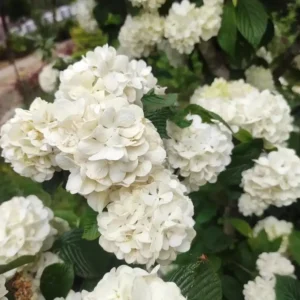
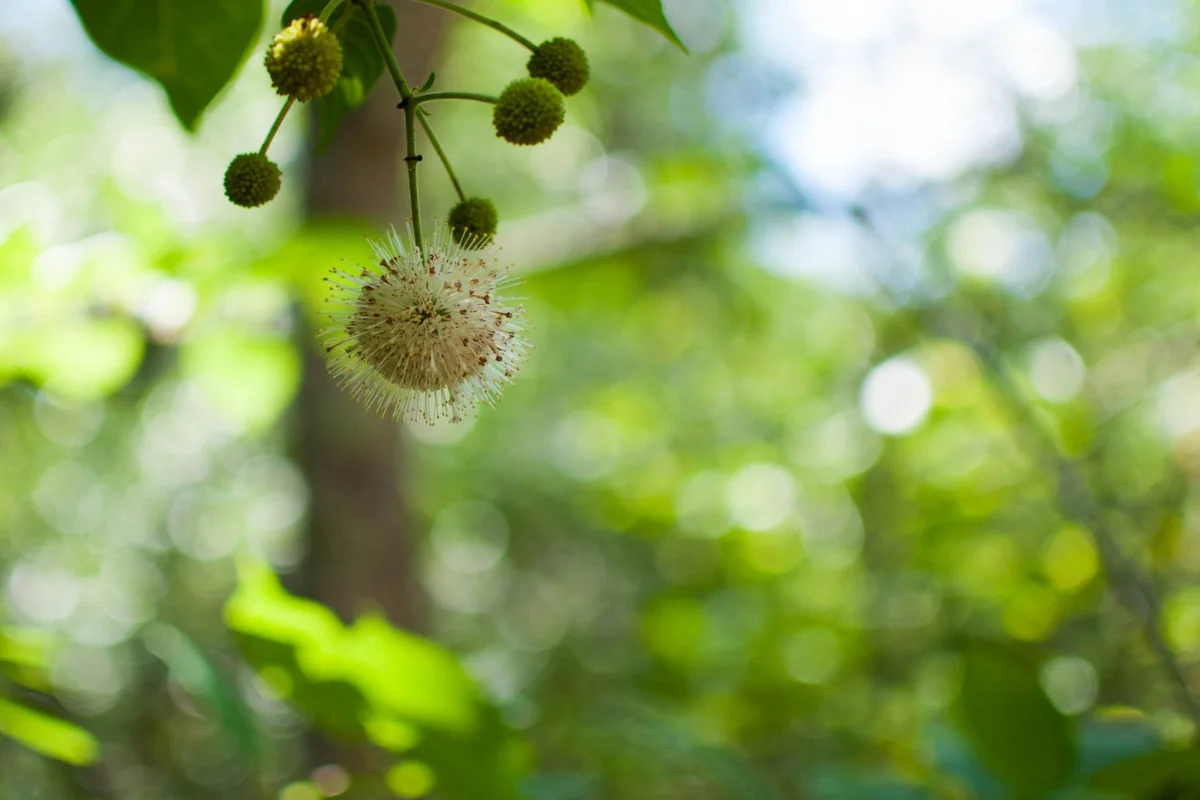
Bring the beauty of native North American flora to your landscape with these 2 Buttonbush tree bare roots. Scientifically known as Cephalanthus occidentalis plant, the Buttonbush is a remarkable deciduous shrub that offers year-round interest. Known for its distinctive spherical white to creamy-white flowers that bloom from late spring to early summer, this plant is a magnet for local wildlife. Its sweet fragrance and nectar-rich blossoms are irresistible to a variety of pollinators, including bees, butterflies, and hummingbirds. Following the flowering period, it produces small, dark brown to black fruit clusters that provide a valuable food source for birds and other animals through fall and winter. The Buttonbush can grow as a multi-stemmed shrub, reaching 6 to 12 feet tall, or be trained into a small tree, making it a versatile addition to any garden, especially those with moist or wetland conditions.
The native pollinator shrub, Buttonbush, is incredibly adaptable, tolerating both moist and drier conditions once established. Its glossy green leaves turn a lovely yellow in the fall, adding seasonal color to your landscape. Ideal for rain gardens, pond edges, or naturalized areas, the Buttonbush is not only visually appealing but also plays a crucial role in supporting local ecosystems. Planting these buttonbush tree bare roots is an investment in both aesthetic appeal and ecological health, offering a sustainable and beautiful solution for various garden designs.
Key Benefits
The Buttonbush tree offers a wealth of benefits for any gardener looking to enhance their outdoor space with a resilient and attractive native plant. Its unique characteristics make it a standout choice.
- Exceptional Pollinator Attraction: The spherical, fragrant flowers of the Cephalanthus occidentalis plant are a powerful draw for bees, butterflies, and hummingbirds, making it an essential plant for supporting local pollinator populations and promoting biodiversity in your garden.
- Wildlife Food Source: After flowering, the Buttonbush develops persistent fruit clusters that provide a vital food source for birds and other small wildlife during the fall and winter months, contributing to a thriving ecosystem.
- Adaptable to Wet Conditions: This shrub thrives in moist to wet soil, making it perfect for rain gardens, pond margins, or areas with poor drainage where many other plants struggle. It’s a fantastic wetland garden plant.
- Drought Tolerance: While it loves moisture, once established, the buttonbush tree bare roots are surprisingly tolerant of drier conditions, offering flexibility in planting locations.
- Low Maintenance: Buttonbush requires minimal pruning and is generally pest and disease resistant, making it an easy-care option for both novice and experienced gardeners.
- Year-Round Interest: From its unique flowers in summer to attractive fall foliage and persistent winter fruit, the Buttonbush provides visual appeal throughout the seasons.
- Native Plant Benefits: As a native pollinator shrub, it is well-suited to local climates and soils, requiring less intervention and contributing positively to regional ecology.
Plant Care & Growing Tips
Caring for your buttonbush tree bare roots is relatively straightforward, as this native plant is quite resilient. For optimal growth and flowering, choose a planting location that receives full to partial sunlight. While it can tolerate a range of light conditions, more sun typically leads to a more profuse bloom. The Buttonbush thrives in moist to wet soil, often found naturally in swamps and along waterways, but it can adapt to drier conditions once its root system is well-established. It prefers moist, well-drained soils but is adaptable to various soil types, including clay, loam, and sandy soils, and is tolerant of both acidic and alkaline conditions.
When planting your Cephalanthus occidentalis plant, amend the soil with organic matter like compost or peat moss, especially if your soil is sandy or poor in quality, to improve moisture retention and fertility. Plant in early spring or late fall when the soil is moist and temperatures are moderate. Dig a hole slightly wider and as deep as the root ball. Place the bare root in the center, ensuring the top of the root crown is level with the soil surface, then backfill and water thoroughly. Spacing shrubs 6 to 10 feet apart will allow for adequate growth and airflow. Apply an organic mulch around the base to help retain soil moisture and suppress weeds. Regular watering is crucial, especially during dry spells, to keep the soil consistently moist but not waterlogged. This dedicated buttonbush plant care will ensure a healthy and vibrant addition to your garden.
Pruning requirements for Buttonbush are minimal. You can prune in late winter or early spring to remove any dead, damaged, or crossing branches, or to maintain a desired shape. Fertilization is generally not necessary as the plant is adapted to nutrient-poor soils. However, if you observe signs of nutrient deficiency, a balanced fertilizer can be applied in the spring. This resilient native pollinator shrub is a low-maintenance choice that will reward you with its unique beauty and ecological benefits for years to come.
Size & Details
These 2 Buttonbush tree bare roots are ready to establish themselves in your garden, offering a robust start to growing this unique native shrub. As a multi-stemmed shrub, the Buttonbush typically grows to a mature height of 6 to 12 feet (1.8 to 3.7 meters) with a similar spread, forming a rounded or somewhat irregular shape. The glossy green leaves measure approximately 2 to 6 inches (5 to 15 cm) in length. You will receive 2 bare roots, which are dormant plants without soil, making them easy to plant and transport. Once planted, they will quickly establish and begin to grow, with flowers typically appearing from late spring to early summer in subsequent years.
The fruit clusters that follow the blooms persist through fall and into winter, offering extended seasonal interest. The growth rate is moderate, allowing the plant to establish well within a few seasons. These buttonbush tree bare roots are an excellent way to introduce a resilient and ecologically beneficial plant into your landscape. With proper buttonbush plant care, you can expect these bare roots to develop into thriving, mature shrubs that will continuously attract and support local wildlife, enhancing the natural beauty of your outdoor space, especially as a wetland garden plant.
Frequently Asked Questions
- Q: How large will the Buttonbush tree grow? A: The Cephalanthus occidentalis plant typically grows as a multi-stemmed shrub, reaching heights of 6 to 12 feet (1.8 to 3.7 meters) tall and often spreading to a similar width. It can also be trained into a small tree.
- Q: Is this an indoor or outdoor plant? A: The Buttonbush is an outdoor plant, native to North America. It thrives in various outdoor conditions and is best suited for garden beds, wetland areas, or naturalized landscapes.
- Q: How much sunlight does the Buttonbush need? A: This native pollinator shrub prefers full to partial sunlight. While it can tolerate a range of light conditions, it generally flowers more profusely in sunnier locations.
- Q: Is the Buttonbush easy to care for? A: Yes, Buttonbush is considered a low-maintenance plant. It is adaptable to various soil conditions and requires minimal pruning once established, making buttonbush plant care relatively easy for gardeners of all experience levels.
- Q: What condition will the bare roots arrive in? A: You will receive 2 Buttonbush tree bare roots, which are dormant plants without soil. They are carefully packaged to ensure they arrive in good condition, ready for planting.
- Q: When is the best time to plant buttonbush bare roots? A: The ideal time to plant buttonbush bare roots is in the early spring or late fall when the soil is moist and temperatures are moderate, allowing the plant to establish its root system before extreme weather.
- Q: What kind of soil does Buttonbush prefer? A: Buttonbush prefers moist, well-drained soils but is highly adaptable. It can tolerate a wide range of soil types, including clay, loam, and sandy soils, and is comfortable in both acidic and alkaline conditions, making it a versatile wetland garden plant.
- Q: Does Buttonbush attract wildlife? A: Absolutely! The unique spherical flowers are highly attractive to pollinators like bees, butterflies, and hummingbirds. The fruit clusters that follow provide an important food source for birds and other wildlife, making it a fantastic choice for attracting biodiversity.
- Q: Will these buttonbush tree bare roots bloom in the first year? A: While it’s possible for some blooms to appear, bare root plants typically focus on establishing their root system in the first year. More prolific flowering usually occurs in subsequent growing seasons as the plant matures.
- Q: Can Buttonbush tolerate dry conditions? A: While Buttonbush thrives in moist to wet conditions, it can tolerate drier conditions once it is well-established. Consistent moisture during the establishment phase is key for the Cephalanthus occidentalis plant to become drought-tolerant.


Reviews
There are no reviews yet.