Overview
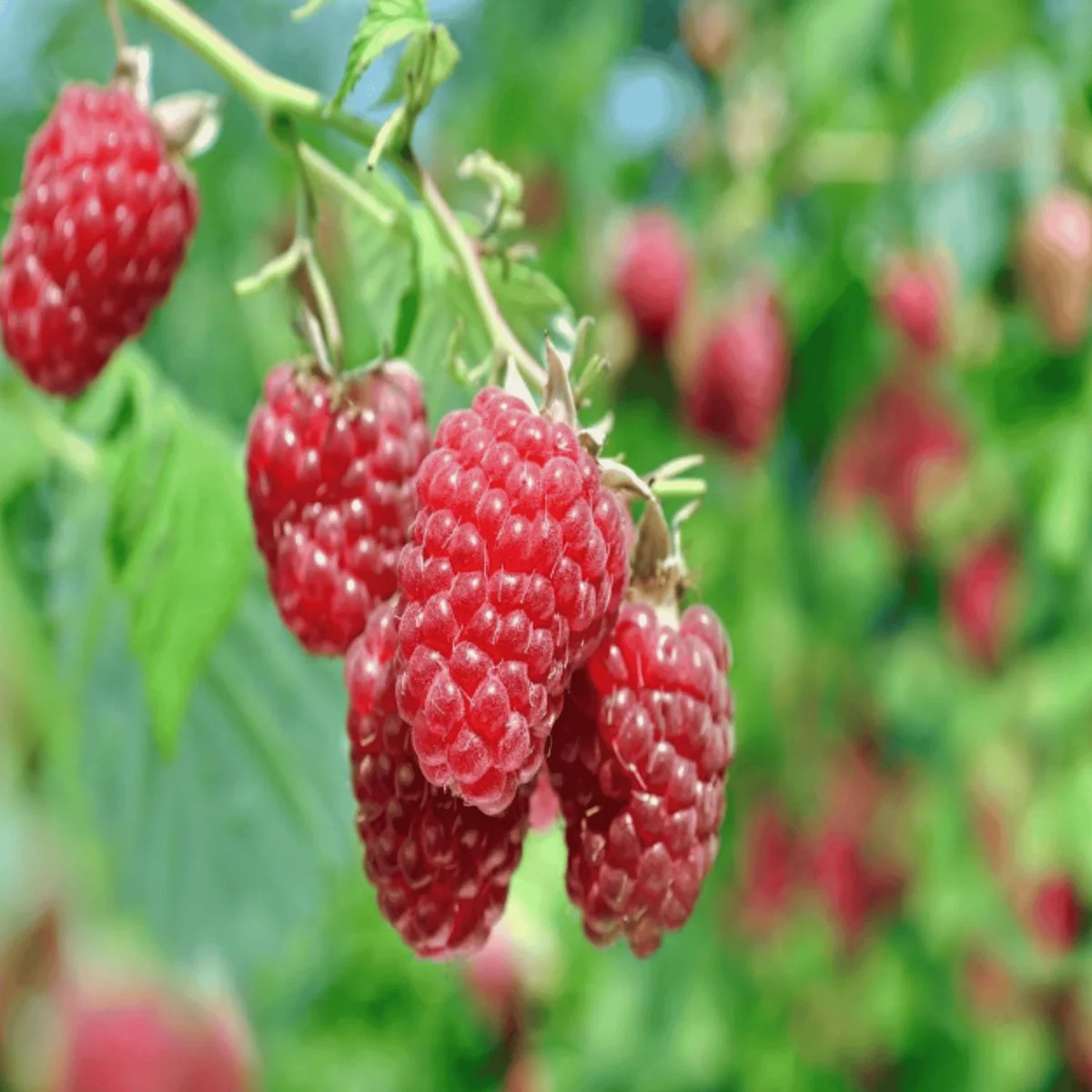
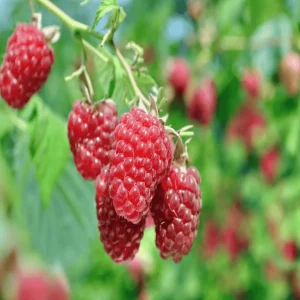
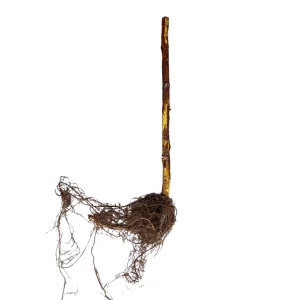
Bring the joy of fresh, homegrown berries to your garden with these 3 Joan J raspberry plants. Renowned for their exceptional flavor and ease of cultivation, these bare root canes offer a convenient way to establish a productive raspberry patch. The ‘Joan J’ variety is a top-tier choice for home gardeners, celebrated for its unique thornless canes that make harvesting a pleasure rather than a chore. As an everbearing raspberry, you can look forward to not one, but two bountiful harvests each year, providing a continuous supply of delicious fruit from early summer through fall. These 1-year-old bare root canes are dormant and ready to thrive, offering excellent vigor and a strong start in your garden. Whether you’re an experienced grower or new to fruit cultivation, these Joan J raspberry plants promise a rewarding experience with minimal fuss.
Each set includes 3 Joan J raspberry plants, ensuring you have a good foundation for a thriving berry patch. These plants are selected for their quality and potential to produce a high yield of large, sweet, and firm red raspberries. The thornless nature of the ‘Joan J’ variety is a significant advantage, simplifying pruning and picking, which is especially beneficial for families or those with sensitive skin. Get ready to enjoy the rich, full-bodied taste of homegrown raspberries, perfect for fresh eating, baking, freezing, or preserving.
Key Benefits
Investing in Joan J raspberry plants offers a multitude of advantages for any gardener looking to enjoy fresh, high-quality fruit right from their backyard. These benefits extend from their unique growth habits to the delicious yield they provide, making them an excellent addition to almost any garden setting. Enjoy the satisfaction of cultivating your own berries with these remarkable plants.
- Thornless Canes for Easy Harvesting: One of the most significant advantages of the ‘Joan J’ variety is its completely thornless raspberry canes. This feature makes picking berries incredibly easy and pain-free, eliminating the need for thick gloves and making the gardening experience more enjoyable for everyone, especially children and new gardeners.
- Everbearing for Dual Harvests: As an everbearing raspberry, these plants produce two distinct crops annually. You can expect a generous harvest in early summer (late June to early July) and then a second, often larger, crop from late August through the first frost. This extended fruiting season provides a continuous supply of fresh berries for a longer period.
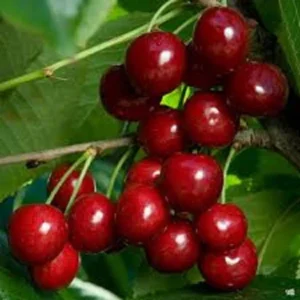
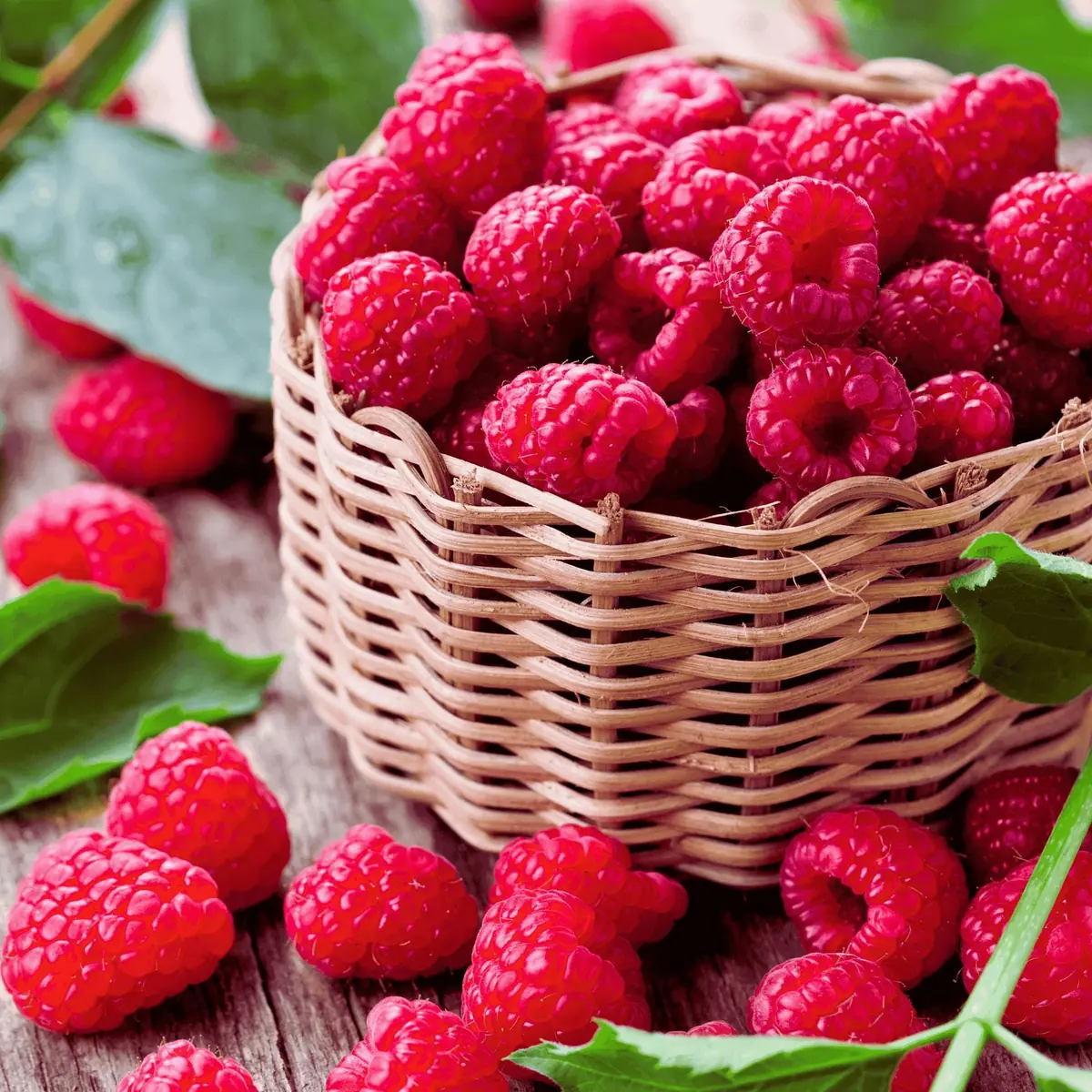
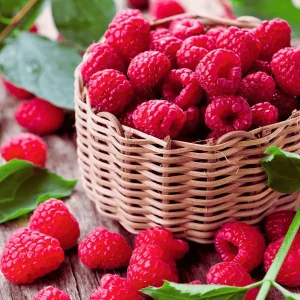
- High Yield of Large, Sweet Berries: The ‘Joan J’ variety is known for its impressive productivity, yielding an abundance of large, flavorful berries. The fruit boasts a wonderfully sweet, full-bodied taste with excellent firmness, making them ideal for a variety of culinary uses, from fresh snacking to preserves.
- Low Maintenance & Vigorous Growth: These Joan J raspberry plants are relatively low-maintenance, requiring standard care practices that are easy to follow. Their upright growth habit and natural vigor contribute to a healthy plant that thrives with proper sunlight, soil, and watering, making them suitable for gardeners of all experience levels.
- Versatile Culinary Use: The delicious red raspberry bare root canes produce fruit that is incredibly versatile. Enjoy them fresh from the cane, add them to smoothies, cereals, or desserts, or preserve them by freezing, making jams, jellies, or pies. Having your own supply of raspberries opens up a world of culinary possibilities.
- Adaptable to Various Climates: These bare root plants are shipped dormant and are ready to adapt and thrive in a wide range of USDA Hardiness Zones (4-8). This adaptability makes them a reliable choice for many regions across the United States.
Plant Care & Growing Tips
Proper care is essential for ensuring your Joan J raspberry plants thrive and produce abundant harvests. These 1-year-old bare root canes are resilient, but providing the right conditions from the start will lead to the best results. The key to successful cultivation lies in understanding their needs for sunlight, soil, water, and proper pruning techniques. Remember that a bit of attention early on will pay off with delicious, homegrown fruit.
Sunlight: Joan J raspberry plants require full sun to produce the best yields and sweetest berries. This means they need a minimum of 6 hours of direct sunlight per day. Choose a location in your garden that receives ample sun exposure throughout the growing season. While they can tolerate some partial shade, berry production may be reduced. Soil: These plants prefer rich, well-drained soil with a pH between 6.0 and 6.5. Good drainage is crucial to prevent root rot. If your soil is heavy clay, amend it with organic matter like compost or well-rotted manure to improve its structure and fertility. For sandy soils, adding organic matter will help retain moisture and nutrients. Watering: Raspberries need consistent moisture, especially during fruiting periods. Aim for 1–1.5 inches of water per week, either from rainfall or irrigation. It’s best to water deeply and regularly at the base of the plant to avoid overhead watering, which can encourage fungal diseases. Mulching around the base of the plants with straw or bark mulch will help retain soil moisture, suppress weeds, and regulate soil temperature.
USDA Hardiness Zones: These red raspberry bare root canes are hardy in USDA Zones 4–8, making them suitable for a broad range of climates. Trellising: While ‘Joan J’ canes are upright, trellising is recommended for optimal airflow and support, especially when laden with fruit. This also helps keep the berries clean and accessible. Pruning: Pruning is vital for maximizing yield and maintaining plant health. For two crops, remove spent floricanes (canes that have fruited) after the summer crop. For a single fall crop, cut all canes to the ground in late winter. This specific pruning method for the everbearing raspberry will help you get the most out of your harvest. Remember to grow raspberries with care and enjoy the delicious rewards!
Size & Details
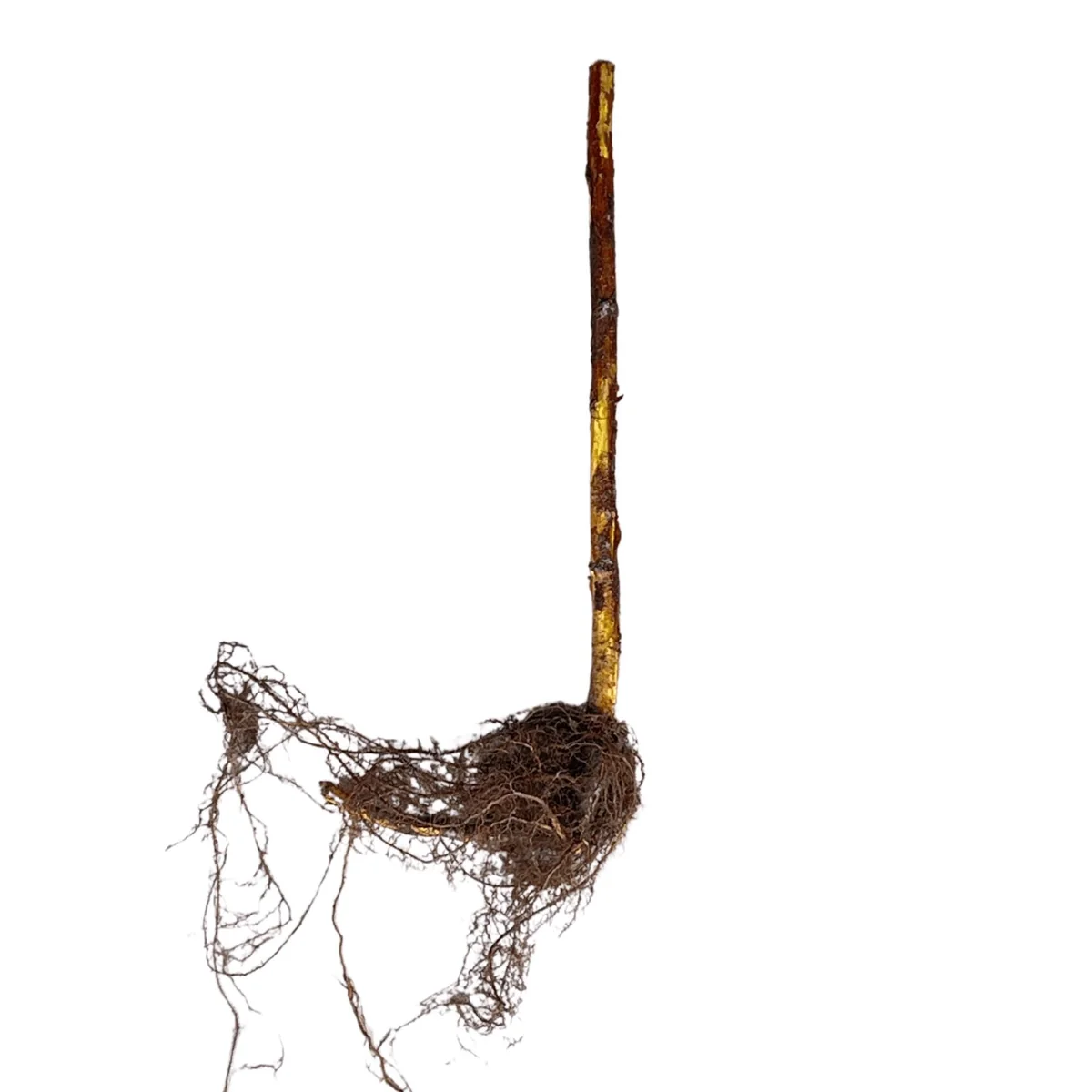
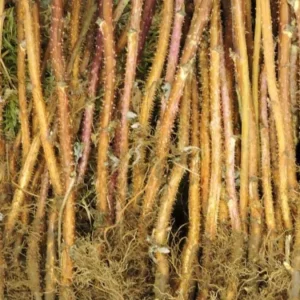
Each purchase includes 3 Joan J raspberry plants, provided as 1-year-old bare root canes. These dormant plants are expertly prepared for shipping, ensuring they arrive ready for planting and successful establishment in your garden. The bare root format allows for easy handling and planting, as the plants are not in soil, minimizing transplant shock. Upon planting, these canes will quickly establish their root systems and begin to produce foliage.
The ‘Joan J’ variety is known for its upright growth habit. When mature, canes can reach heights of 4 to 6 feet, making trellising beneficial for support and optimal fruit access. Spacing recommendations are 2–3 feet between individual plants within a row and 6–8 feet between rows to allow for healthy growth and air circulation. Expect your first harvest in early summer (late June to early July) and a second, larger crop in the fall (late August through frost). These thornless raspberry plants offer a robust growth rate and excellent productivity, providing a consistent supply of delicious berries for many years to come.
Frequently Asked Questions
- Q: How big do these Joan J raspberry plants get? A: These raspberry canes typically grow to a height of 4 to 6 feet. Trellising is recommended to support their upright growth and maximize fruit production, especially when they are heavy with berries.
- Q: Is this an indoor or outdoor plant? A: The Joan J raspberry plants are outdoor plants, ideally suited for garden beds, raised beds, or large containers where they can receive full sun exposure and have ample space to grow. They are not suitable for growing indoors permanently.
- Q: How much sunlight do these everbearing raspberry plants need? A: These plants thrive in full sun, requiring a minimum of 6 hours of direct sunlight per day. Choosing a sunny location is crucial for maximizing berry yield and sweetness.
- Q: Is this plant easy to care for? A: Yes, the ‘Joan J’ variety is considered relatively easy to care for, especially due to its thornless raspberry canes which simplify pruning and harvesting. With proper planting, consistent watering, and annual pruning, they are quite low-maintenance.
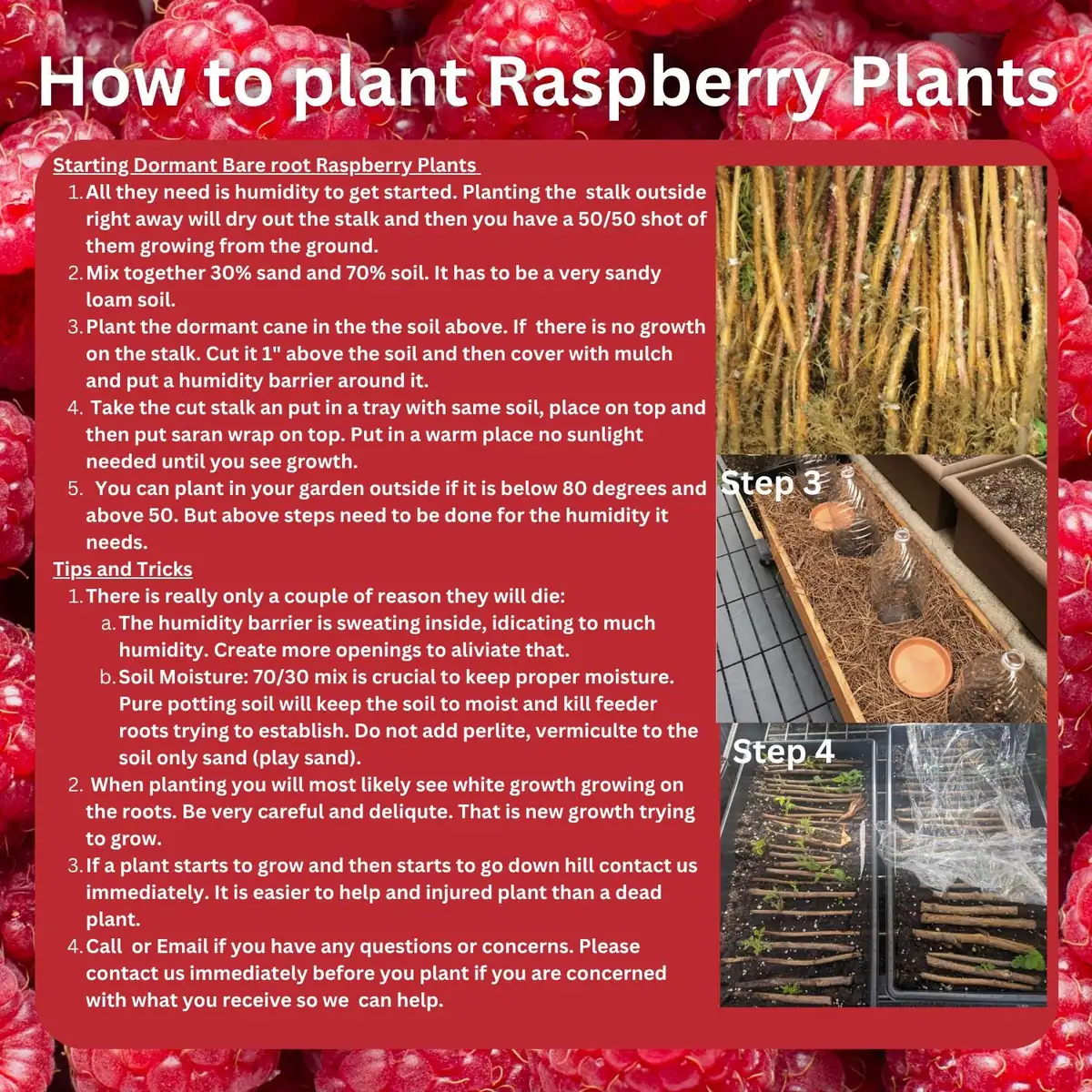
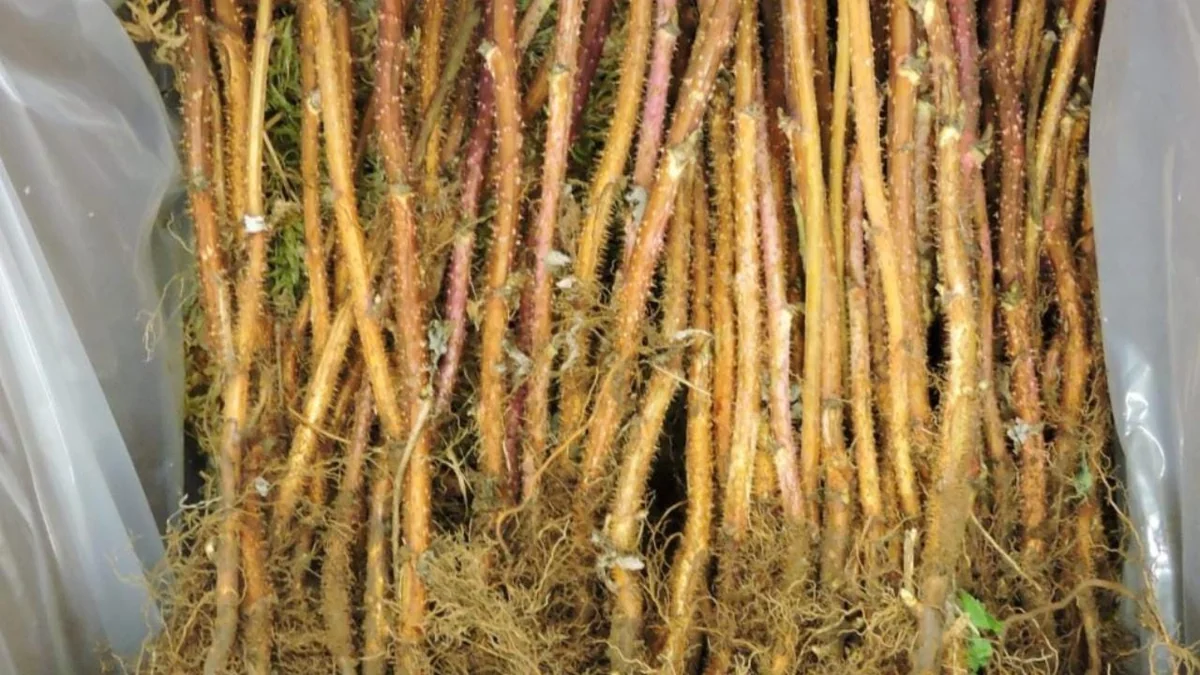
- Q: What condition will the bare root canes arrive in? A: The red raspberry bare root canes will arrive dormant, meaning they will have no leaves or active growth. This is the ideal state for planting and ensures a successful transition to your garden. Plant them as soon as possible after arrival.
- Q: When is the best time to plant these raspberry canes? A: The best time to plant bare root raspberry canes is typically in early spring after the last hard frost, or in the fall before the ground freezes. This allows the roots to establish before extreme temperatures.
- Q: Will these Joan J raspberry plants survive winter in my zone? A: These plants are hardy in USDA Zones 4–8. If you live within these zones, they should successfully overwinter and return in the spring. In colder zones, extra winter protection may be necessary.
- Q: How long until I can harvest berries from these plants? A: You should expect your first harvest of berries in the summer following planting, typically late June to early July, with a second, larger crop in the fall from late August through frost.
- Q: Do I need to prune these everbearing raspberry plants? A: Yes, pruning is essential. For two crops, remove canes that have already fruited after the summer harvest. For a single fall crop, cut all canes to the ground in late winter. This encourages new growth and maximizes your yield.
- Q: Can I grow raspberries in containers? A: Yes, you can grow ‘Joan J’ raspberries in large containers (at least 15-20 gallons) with good drainage. Ensure they still receive full sun and consistent watering as container plants dry out faster.


Reviews
There are no reviews yet.