Overview
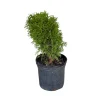
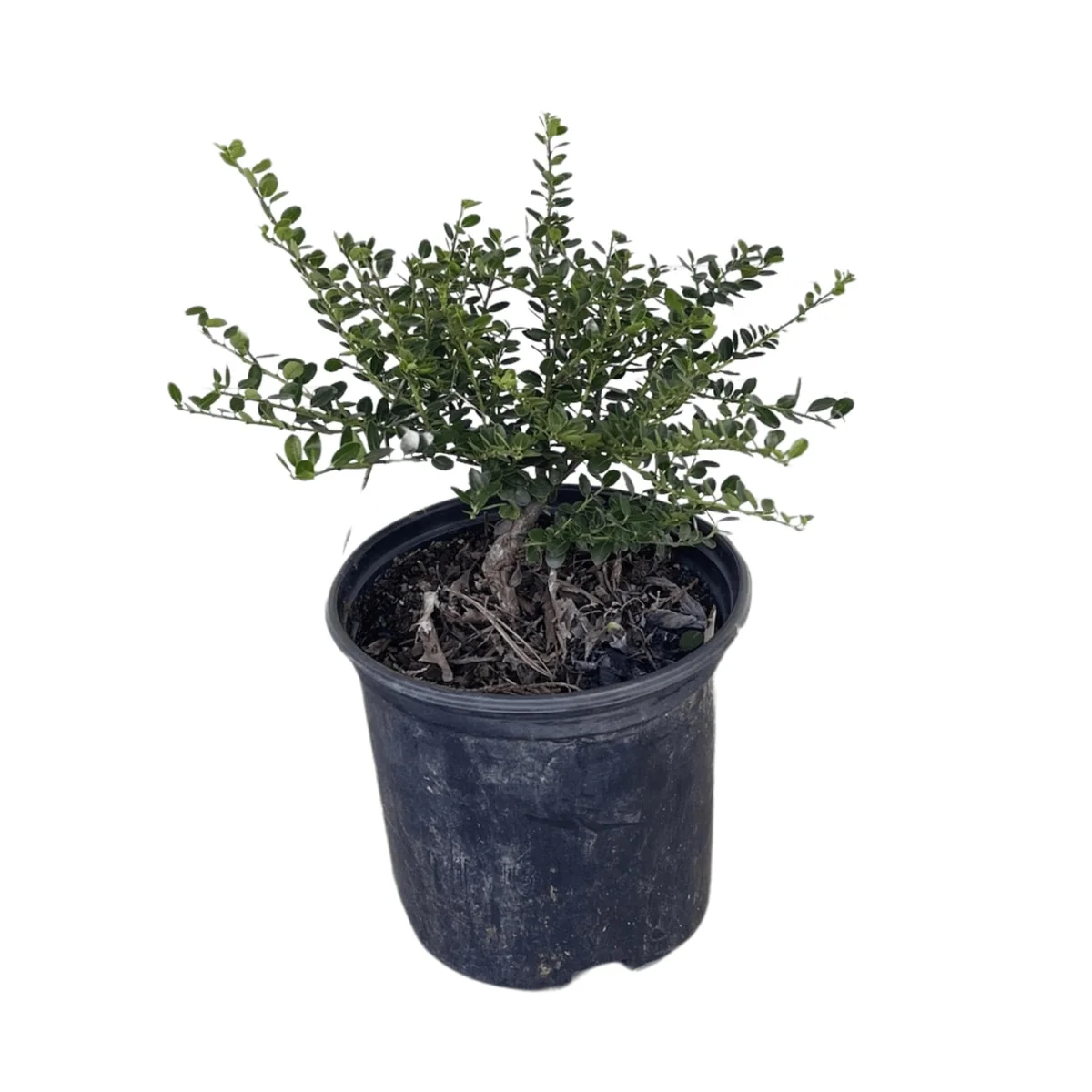
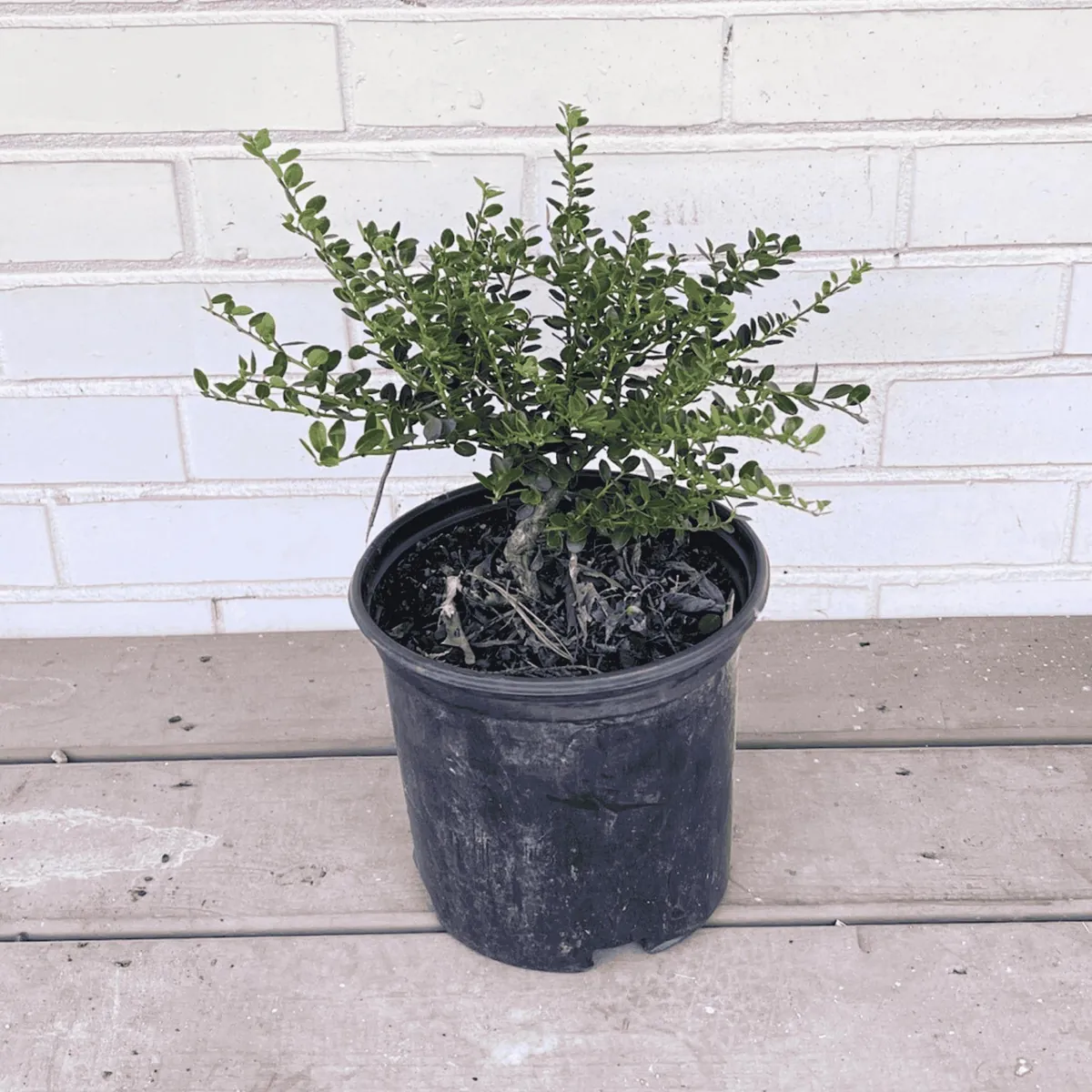
The Helleri Japanese Holly live plant (Ilex crenata ‘Helleri’) is a highly sought-after evergreen shrub renowned for its dense, compact growth habit and attractive foliage. Originating from Japan, this cultivar offers a sophisticated alternative to traditional boxwood, providing year-round visual interest with its small, glossy, dark green leaves. Unlike typical hollies, the ‘Helleri’ variety lacks prickly edges, making it a pleasant addition to any garden or landscape where a refined appearance is desired. This particular offering is for a healthy 1 gallon holly plant, ready to be established in your outdoor space. Its adaptability to various conditions and its naturally neat, rounded shape make it a favorite for both novice and experienced gardeners looking for a reliable and elegant shrub.
Perfect for creating formal hedges, accenting foundation plantings, or adding structure to mixed borders, the Helleri Japanese Holly live plant thrives in a range of settings. Its slow to moderate growth rate ensures it maintains its tidy form without constant pruning, simplifying garden maintenance. The ‘Helleri’ cultivar is a testament to nature’s beauty and resilience, promising to enhance your garden with its understated charm and robust constitution. Discover the timeless elegance and practical benefits of this exceptional evergreen.
Key Benefits
The Helleri Japanese Holly live plant offers numerous advantages that make it an excellent choice for a variety of landscaping needs. Its unique characteristics contribute to a beautiful and functional garden:
- Year-Round Evergreen Foliage: Enjoy continuous beauty with dense, glossy, deep green leaves that maintain their vibrant color throughout all seasons, providing consistent appeal even in winter.
- Compact & Tidy Growth: This shrub naturally grows into a neat, rounded shape, typically reaching 2-3 feet tall and 3-4 feet wide. Its compact size makes it perfect for smaller gardens, containers, or precise landscape designs.
- Low Maintenance: The Helleri Japanese Holly live plant is highly adaptable and requires minimal care. Occasional pruning is sufficient to maintain its desired shape, making it an ideal choice for busy gardeners.
- Versatile Landscaping Use: Excellent for creating formal hedges, defining garden borders, accenting foundation plantings, or serving as a standalone specimen. Its adaptability allows for diverse applications in various garden styles.
- Hardy & Resilient: Tolerant of a wide range of climates, this shrub is hardy in USDA zones 5-9. It can withstand different environmental conditions, ensuring reliable performance in many regions.
- Attractive Seasonal Interest: Inconspicuous small white flowers appear in spring, followed by small black berries in the fall, adding subtle seasonal charm and attracting local wildlife.
- Prickle-Free Leaves: Unlike many traditional holly varieties, the Ilex crenata Helleri features smooth, non-prickly leaves, making it safer and more pleasant to handle and enjoy in high-traffic garden areas.
Plant Care & Growing Tips
Caring for your Helleri Japanese Holly live plant is straightforward, ensuring it thrives and beautifies your landscape for years to come. This resilient shrub prefers a location with full sun to partial shade, meaning it will perform best with at least 4-6 hours of direct sunlight daily, though it can tolerate some afternoon shade in hotter climates. While adaptable, consistent sunlight encourages denser growth and better overall health. The plant prefers well-drained, acidic soil with a pH between 6.0 and 6.5. If your soil is heavy clay, amending it with organic matter like compost or sand will significantly improve drainage and aeration, which is crucial for root health.
When planting, dig a hole that is twice as wide as the root ball but only as deep. Ensure the top of the root ball is slightly above ground level to prevent root rot. After placing the plant, backfill with soil, gently firming it around the roots to eliminate air pockets, and water thoroughly. During the first growing season, keep the soil consistently moist to encourage strong root establishment. Once established, the Japanese Holly shrub is fairly drought-tolerant but will benefit from deep watering during prolonged dry spells. Apply a 2-3 inch layer of mulch around the base to help retain soil moisture, regulate soil temperature, and suppress weeds. Fertilize in early spring with a balanced, slow-release evergreen fertilizer. Pruning should be done in late winter or early spring to maintain its compact shape and remove any dead or damaged branches. This low maintenance evergreen is generally pest and disease resistant, making it a robust choice for a hassle-free garden.
Size & Details
This offering is for a vibrant Helleri Japanese Holly live plant, supplied in a 1 gallon holly plant nursery pot. Upon arrival, the plant will be well-rooted and ready for transplanting into your garden or a larger container. The ‘Helleri’ cultivar is known for its compact and dense growth habit, typically maturing to a size of 2-3 feet tall and 3-4 feet wide, making it an excellent choice for various landscape applications where space is a consideration. Its slow to moderate growth rate ensures it maintains its tidy form without requiring frequent pruning.
The plant will arrive with its distinctive small, glossy, deep green leaves, contributing to its elegant and refined appearance. Being an evergreen, it provides continuous color and structure throughout the year. The expected time to maturity for its full size is typically several years, but it will begin to establish and fill out its space within the first few growing seasons. This particular 1 gallon holly plant offers a good starting size, providing immediate impact while allowing for continued growth and development in your chosen location.
Frequently Asked Questions
- Q: How big does the Helleri Japanese Holly get? A: The Helleri Japanese Holly live plant typically grows to a compact size of 2-3 feet tall and spreads 3-4 feet wide, making it ideal for smaller garden spaces or as a foundation plant.
- Q: Is this an indoor or outdoor plant? A: The Helleri Japanese Holly is primarily an outdoor shrub, hardy in USDA zones 5-9. It thrives in garden beds, hedges, or outdoor containers, but is not suitable as a permanent indoor houseplant.
- Q: How much sunlight does it need? A: This shrub performs best in full sun to partial shade, ideally receiving at least 4-6 hours of direct sunlight per day. While it can tolerate some shade, more sun generally leads to denser foliage.
- Q: Is this plant easy to care for? A: Yes, the low maintenance evergreen Helleri Japanese Holly is considered very easy to care for. It’s adaptable to various soil types and conditions, requiring only occasional pruning to maintain its shape and consistent watering during establishment.
- Q: What condition will the 1 gallon holly plant arrive in? A: Your 1 gallon holly plant will arrive as a healthy, live plant, well-rooted in its nursery pot, and carefully packaged to ensure its safe journey to your home. It will be ready for immediate planting upon arrival.
- Q: When is the best time to plant Helleri Japanese Holly? A: The best time to plant is in spring or early fall when temperatures are moderate. This allows the plant to establish its root system before the stress of extreme summer heat or winter cold.
- Q: Will the Ilex crenata Helleri survive winter in my zone? A: The Ilex crenata Helleri is hardy in USDA zones 5-9. If you are within these zones, it should successfully overwinter outdoors. For zones colder than 5, winter protection or container planting with indoor overwintering might be necessary.
- Q: Does this shrub produce flowers or berries? A: Yes, the Helleri Japanese Holly produces small, inconspicuous white flowers in the spring, followed by small black berries in the fall. These add subtle visual interest and can attract birds.
- Q: Can I use the Helleri Japanese Holly for a hedge? A: Absolutely! Its compact growth, dense foliage, and natural tidy shape make the Japanese Holly shrub an excellent choice for creating formal hedges, borders, or low screens.
- Q: What kind of soil does this plant prefer? A: This plant prefers well-drained, acidic soil with a pH of 6.0-6.5. While adaptable, improving heavy clay soils with organic matter will promote optimal growth and health.


Reviews
There are no reviews yet.