
Overview
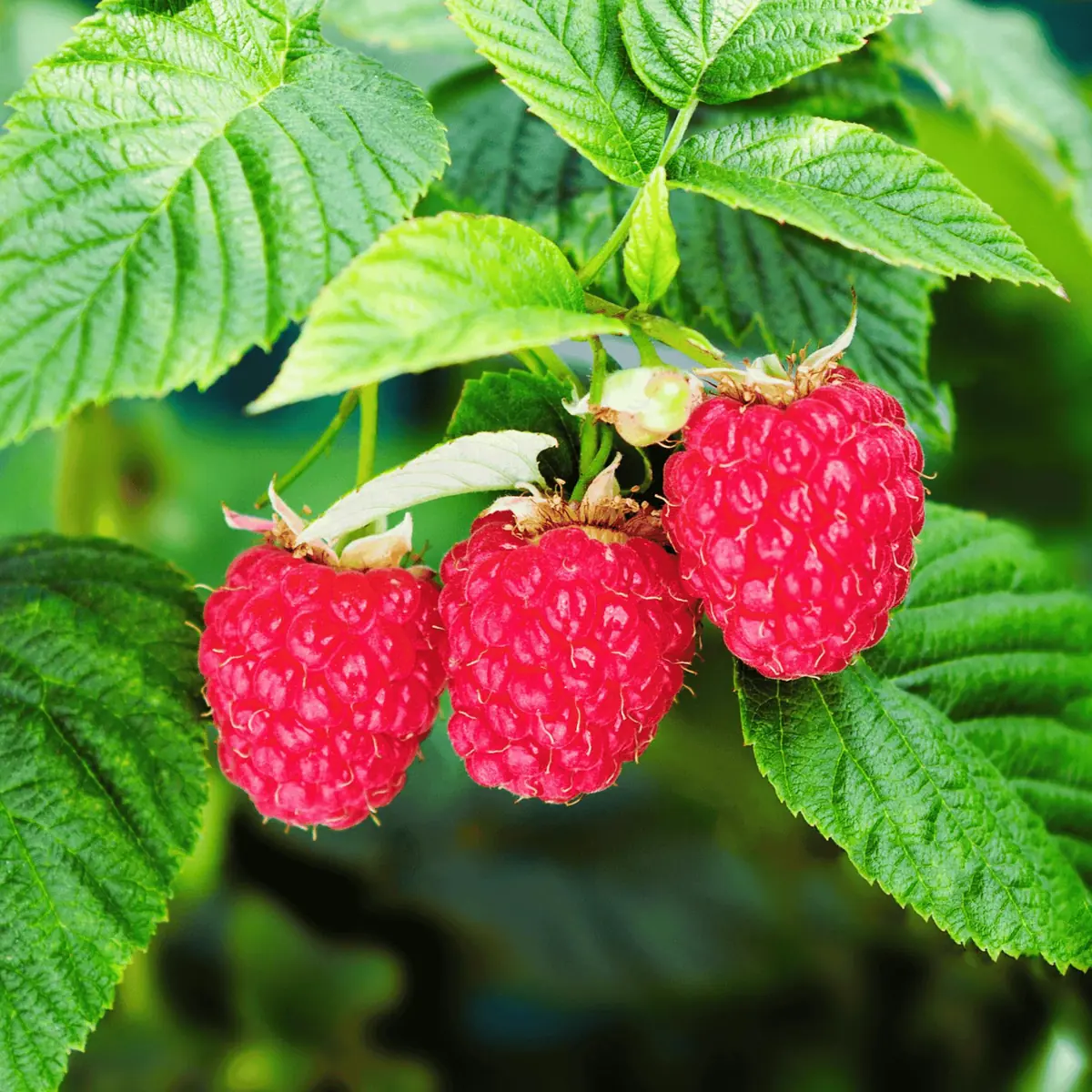
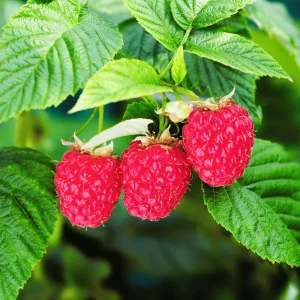
Experience the joy of growing your own delicious fruit with the Imara raspberry bare root. This premium 1-year-old everbearing red variety is renowned for its exceptional performance, vigorous growth, and impressive yields. Designed for both home gardeners and small farms, these productive raspberry plants deliver two full crops annually – one in the summer and another in the fall. The Imara raspberry is a robust and reliable choice, offering large, bright red berries with a perfectly balanced sweet flavor and firm consistency. Whether you’re an experienced gardener or just starting, these bare root canes provide an excellent foundation for a thriving raspberry patch, ensuring a consistent supply of fresh, high-quality fruit.
Known for its adaptability and cold hardiness, the Imara raspberry plant is a resilient choice for various climates within its recommended USDA zones. It’s particularly valued for its natural resistance to common root diseases and cane stress, which contributes to its reliable performance and longevity in the garden. Each everbearing raspberry plant is shipped dormant and ready for planting, making it easy to establish in your garden during the spring or fall. With proper care and attention, your red raspberry cane will reward you with abundant harvests for many seasons to come, providing fresh, homegrown berries that far surpass store-bought varieties in taste and quality.
Key Benefits
The Imara raspberry offers a wealth of advantages for any gardener looking to cultivate their own fruit. Its superior characteristics make it a standout choice for fresh eating, baking, and preserving.
- Dual Harvest Potential: Enjoy two distinct harvest periods annually – a generous crop in late June to July and another bountiful yield from late August through October. This extended fruiting season ensures a continuous supply of fresh berries.
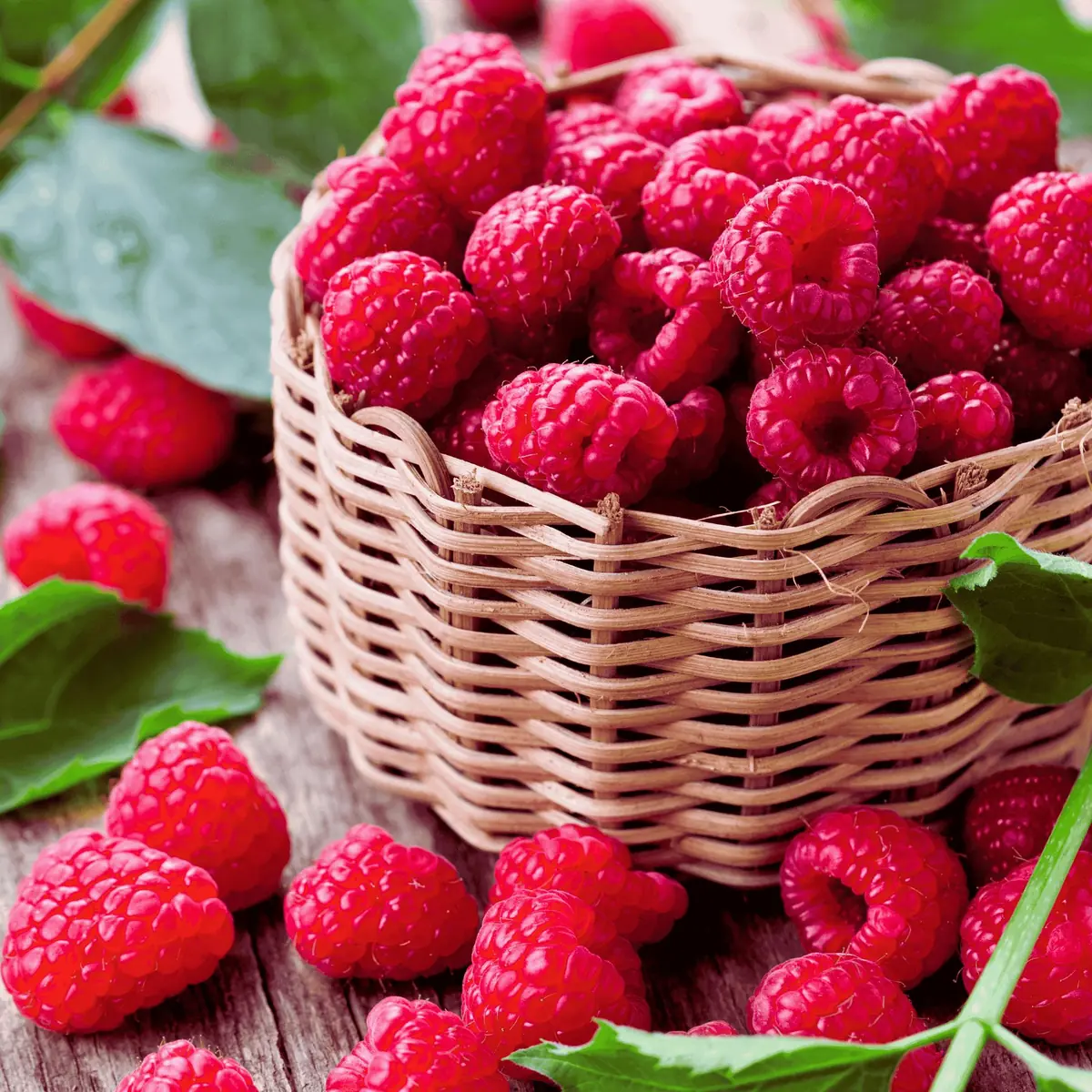
- Exceptional Berry Quality: Produces large, firm, and bright red raspberries with a rich, sweet, and balanced flavor. These berries are perfect for eating fresh, making jams, pies, or freezing for later enjoyment.
- Vigorous & Disease Resistant: The Imara raspberry bare root exhibits strong, vigorous growth and is highly resistant to common root diseases and cane stress, minimizing the need for extensive chemical treatments.
- Everbearing Nature: As an everbearing variety, it reliably produces fruit on both floricanes (second-year canes) and primocanes (first-year canes), maximizing your overall yield from each plant.
- Cold Hardy & Adaptable: Thrives in USDA Hardiness Zones 5-8, demonstrating excellent cold hardiness and adaptability to a range of soil and environmental conditions, making it a versatile choice for many regions.
- High Yield Potential: Known for its high yield raspberries, this variety consistently delivers a heavy crop, ensuring you’ll have plenty of berries for your family and perhaps even enough to share.
- Easy to Grow: With straightforward planting and care instructions, even novice gardeners can achieve success with this robust raspberry plant.
Plant Care & Growing Tips
Proper care is essential for maximizing the yield and health of your Imara raspberry bare root plants. Once established, these plants are relatively low-maintenance but will benefit from consistent attention to their needs. For optimal growth and fruiting, ensure your raspberry patch receives full sun exposure, meaning a minimum of 6-8 hours of direct sunlight daily. Well-drained, fertile soil with a pH between 6.0 and 6.5 is ideal. Before planting, consider amending your soil with organic matter to improve drainage and nutrient content. When planting, space individual canes 2-3 feet apart within the row, with 6-8 feet between rows to allow for proper air circulation and growth.
Watering is crucial, especially during dry spells and the fruiting period. Aim for 1-1.5 inches of water per week, either from rainfall or irrigation. Avoid overhead watering if possible, as this can encourage fungal diseases. Applying a layer of straw or bark mulch around the base of the plants will help retain soil moisture, suppress weeds, and regulate soil temperature. Trellising is strongly recommended for these everbearing raspberry plant varieties to provide upright support for the canes and improve air circulation, which helps prevent disease. Pruning techniques vary depending on whether you desire a dual harvest or a single fall crop. For a dual harvest, only prune spent floricanes after the summer crop. If you prefer to focus on a single, larger fall crop, cut all canes to the ground in late winter. This specific raspberry plant care regimen will ensure vigorous growth and abundant fruit production.
Size & Details
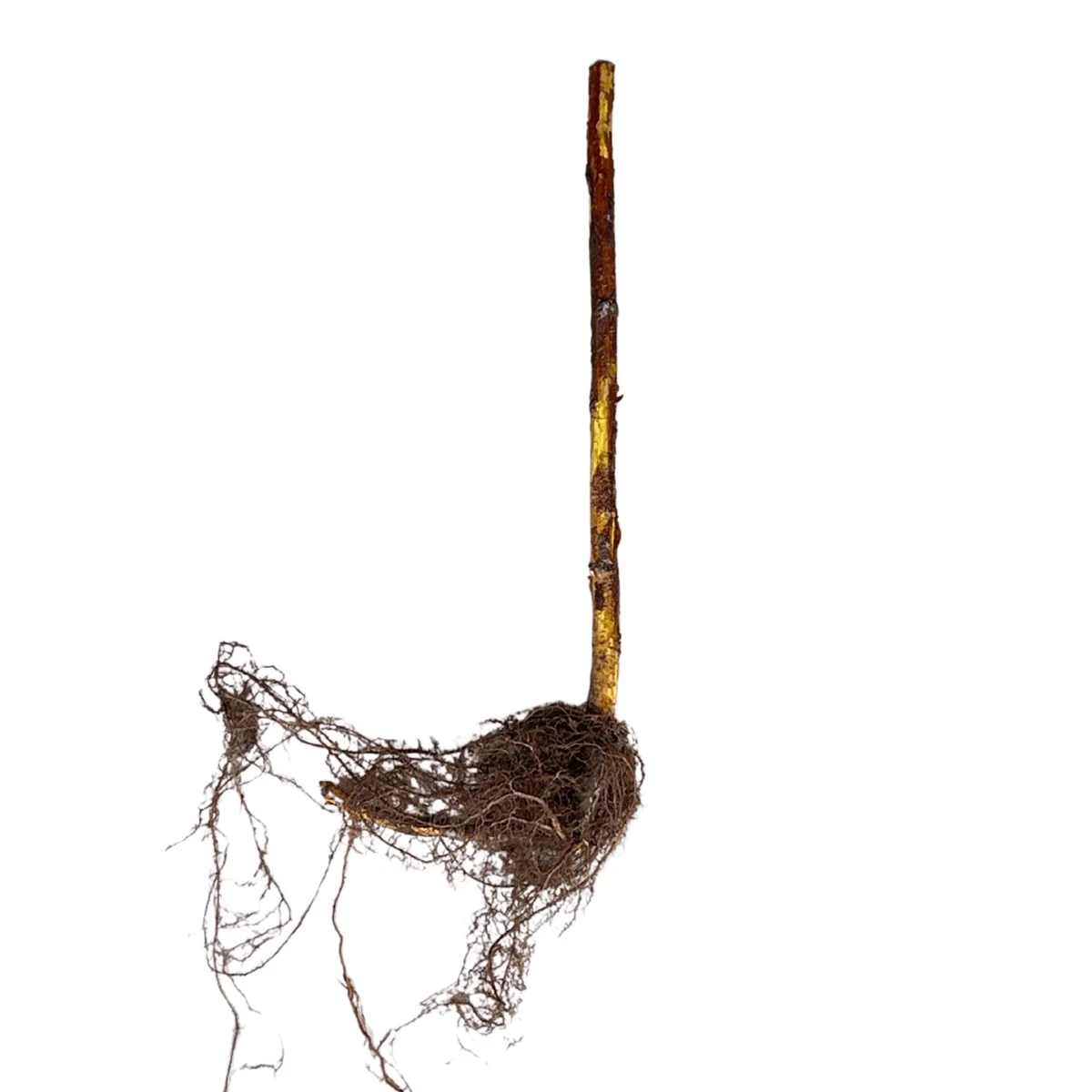
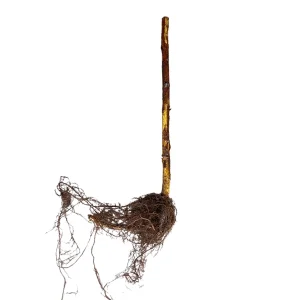
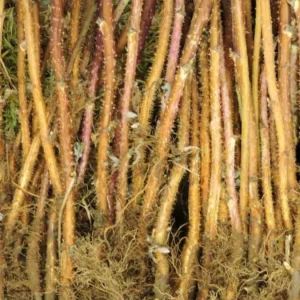
The Imara raspberry bare root cane is shipped as a 1-year-old dormant plant, approximately 6-12 inches in length. These bare root canes are ready for immediate planting upon arrival in either spring or fall. When mature, these vigorous plants typically reach a height of 5-6 feet, often requiring trellising for optimal support. They spread via suckers, forming a productive patch over time. The growth rate is considered moderate to fast, with plants establishing quickly in suitable conditions. The berries themselves are known for their substantial size, contributing to the impressive high yield raspberries this variety produces. Expect your first significant harvest within the second year after planting, with increasing yields in subsequent years. This variety is an excellent choice for creating a long-lasting and productive raspberry patch.
Frequently Asked Questions
- Q: How big will the Imara raspberry plant get? A: Mature Imara raspberry plants typically reach a height of 5-6 feet. They are vigorous growers and will spread via suckers to form a patch, so adequate spacing is important.
- Q: Is this an indoor or outdoor plant? A: The Imara raspberry bare root is an outdoor plant, best suited for garden beds or large containers outdoors where it can receive full sun exposure.
- Q: How much sunlight does this everbearing raspberry plant need? A: These raspberry plants thrive in full sun, requiring a minimum of 6-8 hours of direct sunlight daily for optimal growth and fruit production.
- Q: Is this plant easy to care for? A: Yes, with proper planting and consistent attention to watering and pruning, the Imara raspberry is relatively easy to care for and is a great option for gardeners of all experience levels looking for high yield raspberries.
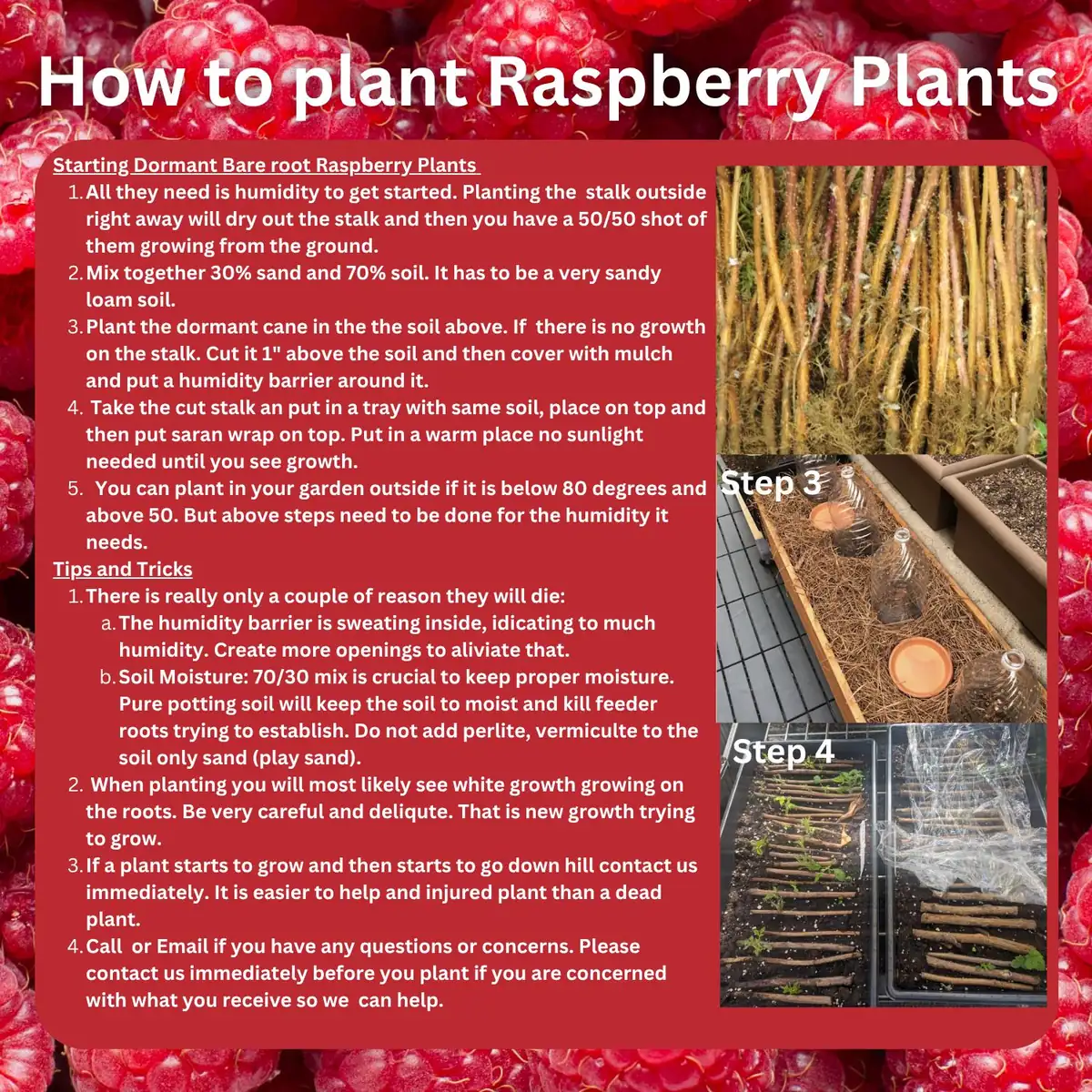
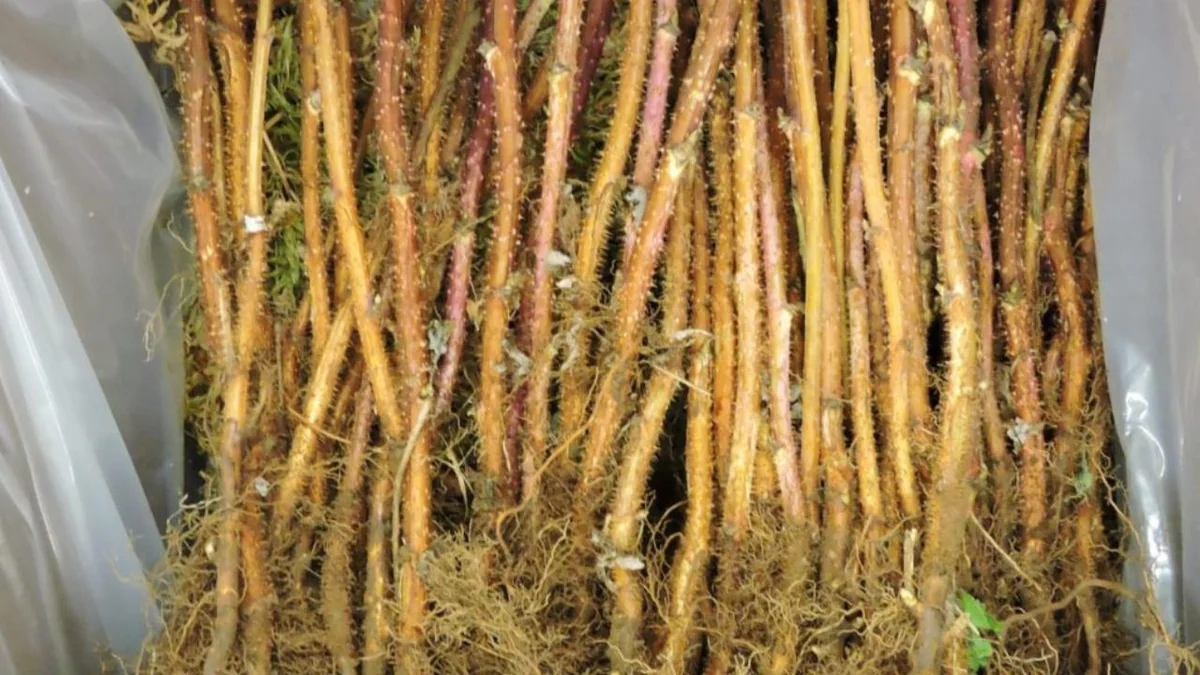
- Q: What condition will the Imara raspberry bare root arrive in? A: Your red raspberry cane will arrive dormant and bare-rooted, meaning it will not have leaves or soil around its roots. This is the ideal condition for planting.
- Q: When is the best time to plant this raspberry variety? A: The best times to plant Imara raspberry bare root canes are in early spring after the last frost, or in late fall before the ground freezes.
- Q: Will this raspberry variety survive winter in my zone? A: The Imara raspberry is cold hardy and well-suited for USDA Hardiness Zones 5-8. In these zones, it will typically survive winter and return vigorously in spring.
- Q: How long until I can harvest berries from my Imara raspberry plant? A: You can expect your first significant harvest of high yield raspberries in the second year after planting, with some fruit potentially appearing in the first year.
- Q: What kind of soil does this raspberry plant prefer? A: This everbearing raspberry plant prefers well-drained, fertile soil with a pH between 6.0 and 6.5. Amending with organic matter can greatly improve soil conditions.
- Q: Do I need to trellis my red raspberry cane? A: Trellising is strongly recommended for the Imara raspberry to provide support for its vigorous canes, improve airflow, and make harvesting easier.


Reviews
There are no reviews yet.