



Overview
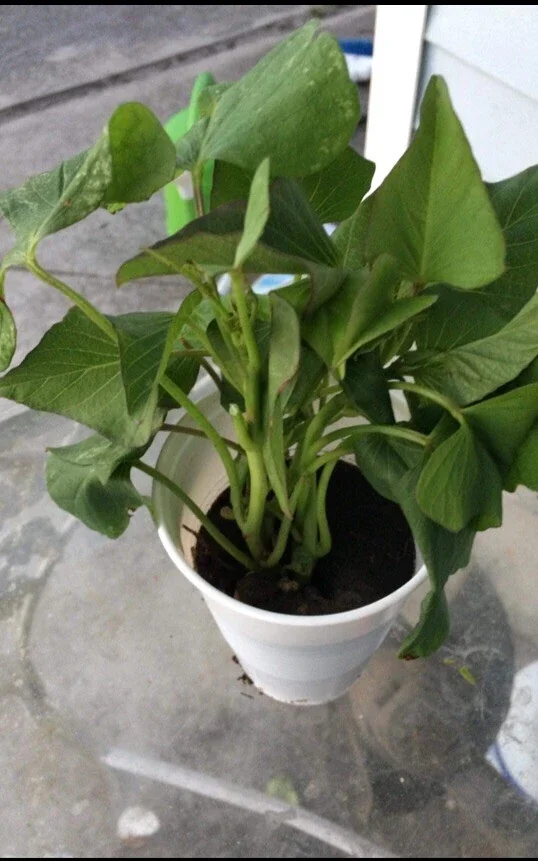
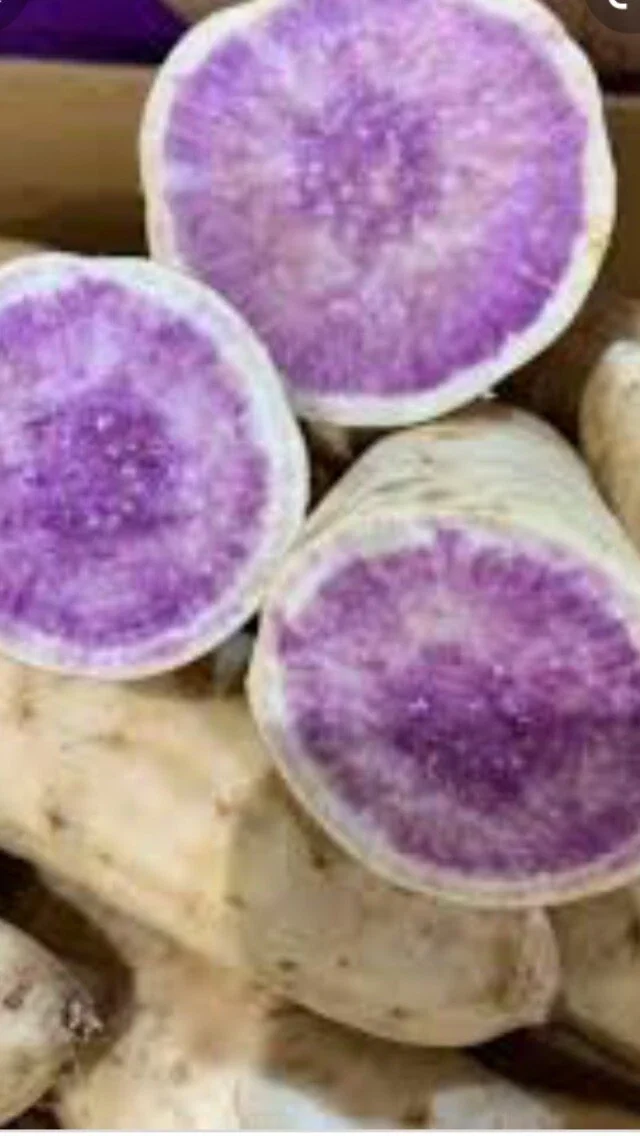
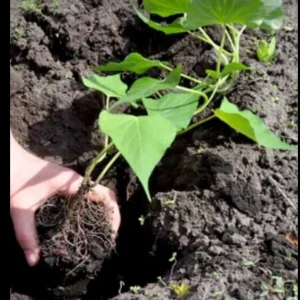
Bring the exotic taste and vibrant color of the tropics to your garden with this pack of 5 purple okinawa sweet potato live plant. Known for their distinctive purple flesh and slightly sweeter taste compared to common sweet potatoes, these plants are a culinary delight and a visually stunning addition to any garden or patio. The Okinawa sweet potato (Ipomoea batatas ‘Okinawa’) is a tropical variety, cherished for its nutritional value and versatility in cooking. Originating from the Okinawa islands, these sweet potatoes are not only delicious but also packed with antioxidants, making them a healthy choice for any diet. Whether you’re an experienced gardener or just starting, cultivating your own purple okinawa sweet potato live plant is a rewarding experience that yields a bountiful harvest of unique and flavorful tubers.
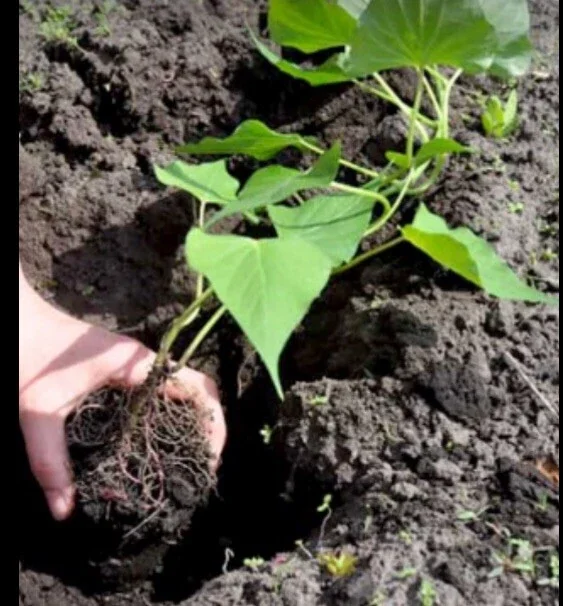
These live plants are ready to be established in your garden or containers, providing a head start to your growing season. They are adaptable and can thrive in various settings, from sunny garden beds to large pots on a balcony. The vigorous growth habit of the purple okinawa sweet potato live plant ensures a healthy and productive yield, allowing you to enjoy fresh, organic sweet potatoes right from your home. Discover the joy of growing okinawa sweet potato and experience the difference in taste and texture that fresh, homegrown produce offers.
Key Benefits
The purple okinawa sweet potato live plant offers a multitude of benefits, from its unique culinary appeal to its robust growth and nutritional profile. These plants are an excellent choice for anyone looking to add an interesting and healthy crop to their garden.
- Unique Culinary Experience: The striking purple flesh of the Okinawa sweet potato provides a visually appealing and delicious alternative to traditional sweet potatoes. Its slightly sweeter and denser texture makes it perfect for roasting, baking, mashing, or incorporating into various savory and sweet dishes.
- Nutrient-Rich Harvest: These sweet potatoes are known for being rich in antioxidants, particularly anthocyanins, which give them their vibrant color. They are also a good source of vitamins A and C, fiber, and other essential minerals, supporting a healthy diet.
- Versatile Growing Options: Suitable for both indoor and outdoor cultivation in appropriate climates. They can be grown directly in the ground, in raised beds, or in large containers, offering flexibility for different gardening spaces.
- Vigorous Growth: The edible sweet potato plant is a fast-growing vine that quickly establishes itself, producing abundant foliage and a generous harvest of tubers. This vigorous growth also makes them an attractive ground cover or trailing plant.
- Tropical Charm: Adds a touch of tropical beauty to your garden with its lush green foliage and vining habit. Even before harvest, the plant itself is ornamental.
- Sustainable Food Source: Growing your own tropical sweet potato reduces reliance on store-bought produce and provides a sustainable, fresh food source for your family.
- Easy to Grow: Once established, these plants are relatively low-maintenance, making them suitable for gardeners of all experience levels.
Plant Care & Growing Tips
Successful okinawa potato cultivation begins with understanding the plant’s needs. These tropical plants thrive in warm conditions and require specific care to produce a healthy crop. Ensure your purple okinawa sweet potato live plant receives adequate sunlight, water, and nutrients to flourish.
Sunlight Requirements
The purple okinawa sweet potato live plant prefers full sun, meaning at least 6-8 hours of direct sunlight per day. In very hot climates, some afternoon shade can be beneficial to prevent scorching, but generally, more sun leads to a better harvest. For indoor cultivation, place the plants in a south-facing window or under grow lights to ensure they receive sufficient light intensity.
Watering & Soil Moisture
Consistent moisture is key for sweet potato development. Water thoroughly when the top inch of soil feels dry to the touch. Avoid overwatering, which can lead to root rot, but do not let the soil dry out completely, especially during tuber formation. Medium watering is generally recommended. Well-draining soil is crucial to prevent waterlogging. During dry spells, increase watering frequency. For plants grown in containers, monitor soil moisture more closely as pots tend to dry out faster.
Soil Type & Drainage
Sweet potatoes prefer loose, well-draining soil that is rich in organic matter. A sandy loam soil with a pH between 5.5 and 6.5 is ideal. Heavy clay soils should be amended with compost or sand to improve drainage and aeration, which is vital for tuber expansion. When planting, ensure the soil is loose enough for the tubers to grow without obstruction. A good quality potting mix designed for vegetables or root crops is suitable for container growing.
Temperature Range & USDA Hardiness Zone
As a tropical plant, the purple okinawa sweet potato live plant thrives in warm temperatures. The ideal temperature range for growth is between 70-85°F (21-29°C). They are not frost-tolerant and will suffer damage or die if exposed to freezing temperatures. They are typically grown as annuals in most temperate regions, but can be perennial in USDA Zones 9-11. For cooler climates, start plants indoors and transplant them after all danger of frost has passed and soil temperatures have warmed up.
Fertilization
Fertilize your sweet potato plants with a balanced fertilizer or one slightly higher in phosphorus and potassium to encourage tuber development, rather than excessive foliage growth. Apply fertilizer sparingly during the growing season, typically every 4-6 weeks after the plants are established. Avoid high-nitrogen fertilizers, which can promote leafy growth at the expense of tuber production. Organic compost or well-rotted manure can also be incorporated into the soil before planting to provide a slow-release nutrient source.
Common Problems & Solutions
While generally robust, sweet potatoes can face issues like pest infestations (sweet potato weevils, aphids) or fungal diseases. Regular inspection of your purple okinawa sweet potato live plant can help detect problems early. Use organic pest control methods like neem oil or insecticidal soap for aphids. Ensure good air circulation and avoid overhead watering to prevent fungal issues. Crop rotation is also beneficial for preventing soil-borne diseases.
Size & Details
This offering includes 5 individual purple okinawa sweet potato live plant starts, ready for planting. Each plant is typically shipped rooted and healthy, prepared for immediate transplanting into your garden or chosen containers. While exact initial size may vary, these vigorous vines are known for rapid growth, often reaching lengths of 6-8 feet with a spread of 2-4 feet when mature in optimal conditions. The tubers themselves develop underground and can vary in size depending on growing conditions and duration, often reaching a good harvestable size within 90-120 days from planting. The specific color of the sweet potato flesh is a vibrant purple, indicating a high concentration of beneficial anthocyanins. These are a fantastic choice for those interested in growing okinawa sweet potato for both culinary and ornamental purposes.
Frequently Asked Questions
- Q: How big does this plant get? A: The vining foliage of the purple okinawa sweet potato live plant can spread 6-8 feet, while the tubers develop underground. The size of the sweet potatoes themselves will depend on growing conditions and how long they are left in the ground.
- Q: What size pot does it come in? A: The plants are typically shipped as healthy rooted starts, ready for transplanting. They do not come in a decorative pot, but are carefully packaged for safe transit.
- Q: Is this an indoor or outdoor plant? A: The purple okinawa sweet potato live plant can be grown both indoors and outdoors. Outdoors, it thrives in tropical and subtropical climates (USDA Zones 9-11). In cooler regions, it’s best grown as an annual or started indoors and moved outside after frost. Indoors, it requires a bright, sunny location.
- Q: How much sunlight does it need? A: These plants require full sun, meaning at least 6-8 hours of direct sunlight daily, for optimal growth and tuber production.
- Q: Is this plant easy to care for? A: Yes, once established, the edible sweet potato plant is relatively low-maintenance. It primarily needs consistent watering, plenty of sunlight, and well-draining soil.
- Q: What condition will it arrive in? A: Your 5 purple okinawa sweet potato live plant starts will arrive carefully packaged, healthy, and ready for planting, ensuring they have the best chance to thrive in your garden.
- Q: Can I use Okinawa sweet potato in cooking? A: Absolutely! The Okinawa sweet potato is renowned for its delicious, vibrant purple flesh. It can be baked, roasted, boiled, mashed, or used in various culinary creations, both savory and sweet.
- Q: When is the best time to plant? A: For outdoor planting, wait until all danger of frost has passed and soil temperatures consistently remain above 65°F (18°C). Indoors, you can start them year-round with adequate light.
- Q: Will it survive winter in my zone? A: The tropical sweet potato is sensitive to frost. It will only survive winter outdoors in USDA Zones 9-11. In colder zones, it is typically grown as an annual or harvested before the first frost.
- Q: What’s the minimum temperature it can tolerate? A: These plants cannot tolerate freezing temperatures. They prefer temperatures above 60°F (15°C) and thrive best when temperatures are consistently above 70°F (21°C).


Reviews
There are no reviews yet.