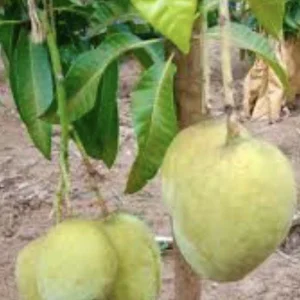
Overview
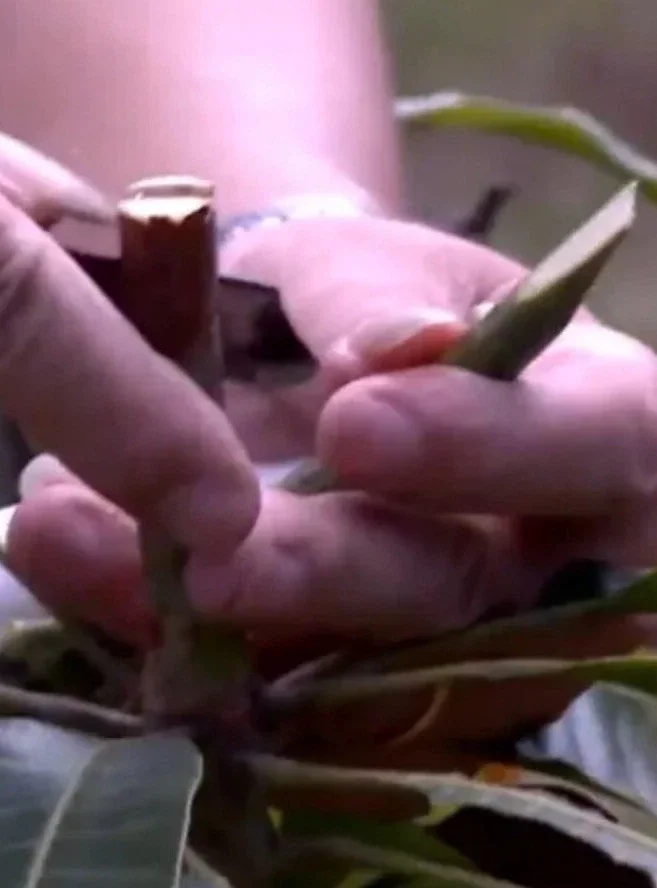
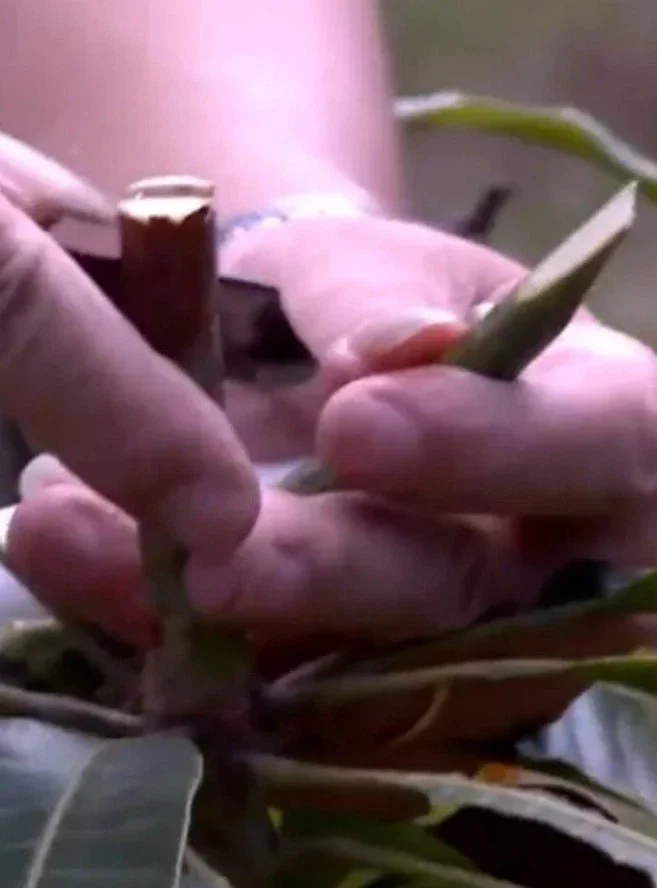
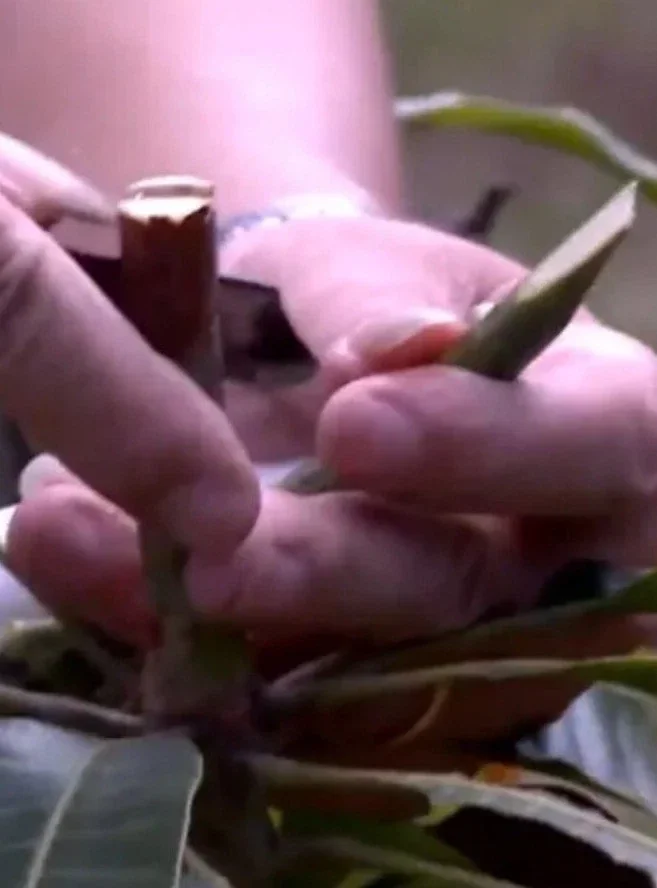
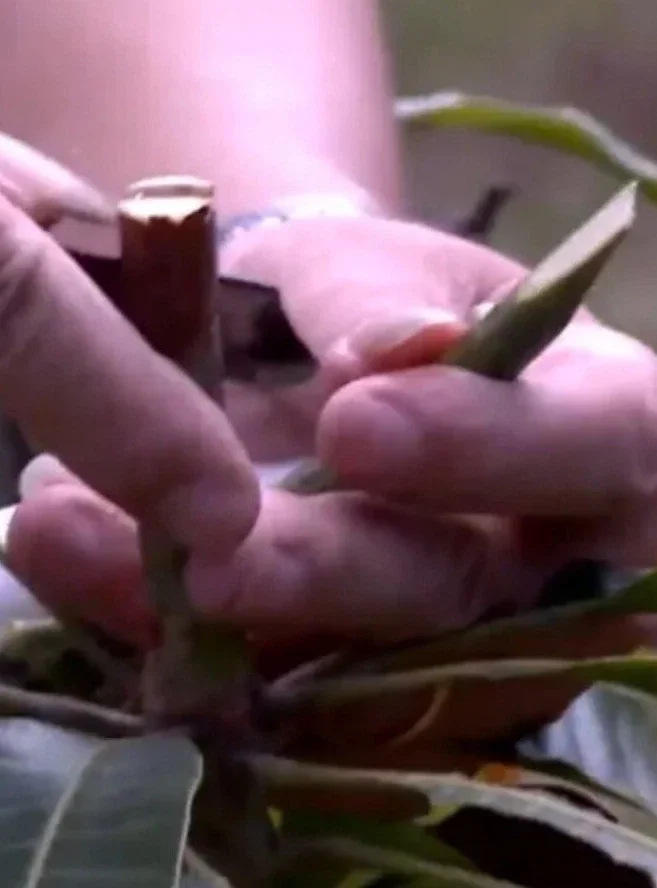
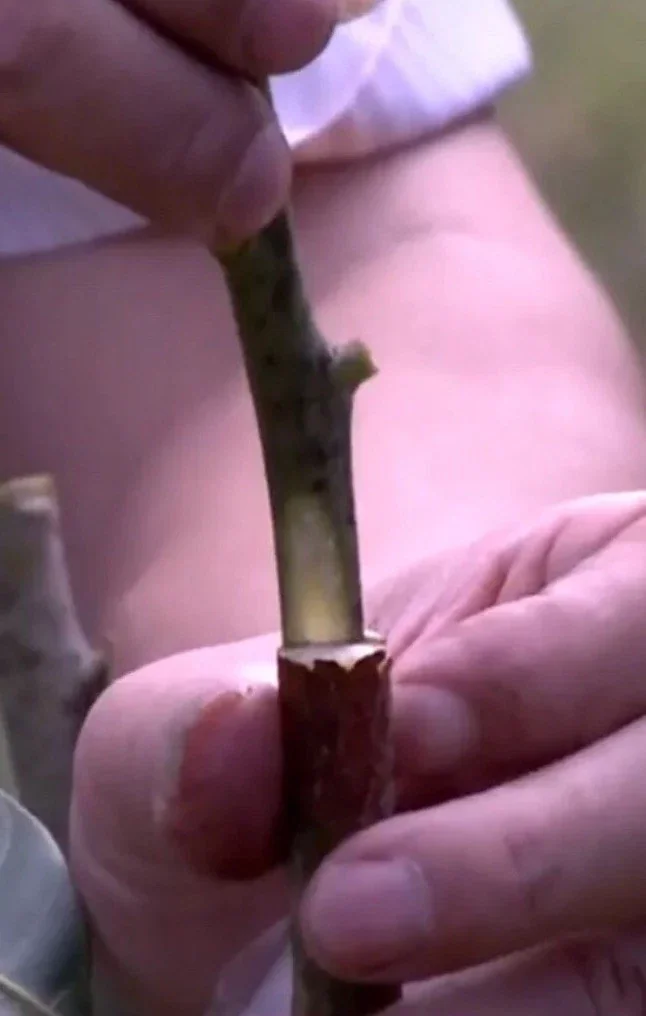
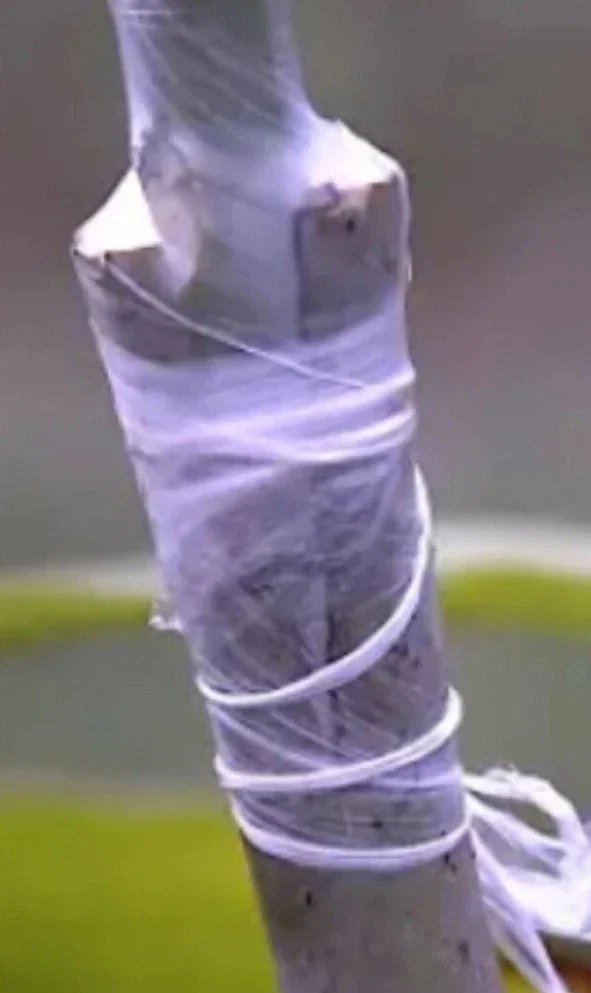
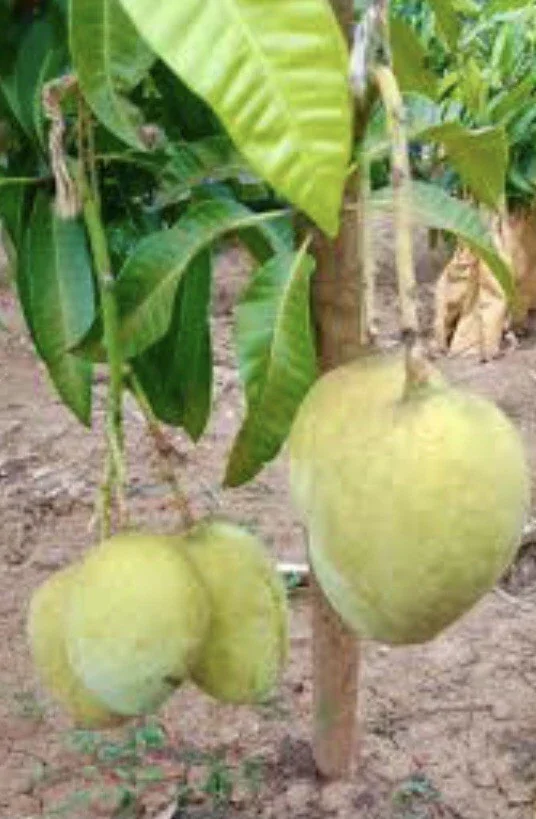
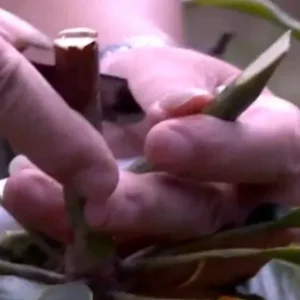
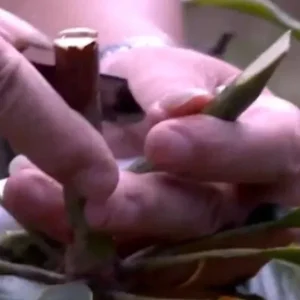
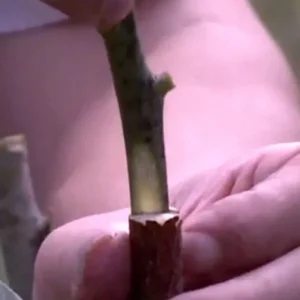
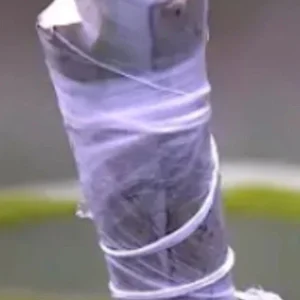
Embark on the rewarding journey of growing your own tropical fruit with these premium Carrie mango scions. This offering includes 3 high-quality cuttings, specifically selected for their viability in grafting. The Carrie mango is renowned for its exceptional flavor, fiber-free flesh, and delightful aroma, making it a highly sought-after variety among mango enthusiasts. By utilizing these grafting mango tree scions, you can create a robust and fruit-bearing mango tree that will thrive in your garden. Grafting allows you to combine the desirable fruiting characteristics of the Carrie mango with the hardiness and established root system of a suitable rootstock, accelerating fruit production and ensuring varietal purity. These mango tree cuttings are an excellent starting point for both novice and experienced grafters looking to expand their edible landscape.
Key Benefits
Discover the numerous advantages of cultivating your own Carrie mango tree using these specialized scions. Growing your own tropical fruit can be a deeply satisfying experience, offering fresh, organic produce right from your backyard. These Carrie mango scions provide a unique opportunity to enjoy one of the finest mango varieties available.
- Superior Fruit Quality: The Carrie mango is celebrated for its sweet, rich flavor and smooth, virtually fiber-free texture. Growing your own ensures you have access to peak-ripened fruit that far surpasses store-bought options.
- Accelerated Fruit Production: Grafting allows a young tree to bear fruit much faster than a seedling, often within 2-3 years, meaning you’ll enjoy delicious mangoes sooner. This is a key advantage when you grow mango from scion.
- Genetic Consistency: Scions ensure that the new tree will produce fruit identical to the parent Carrie mango tree, guaranteeing the desirable traits of this specific variety.
- Cost-Effective Expansion: Propagating new trees from mango tree cuttings is a more economical way to expand your orchard or garden compared to purchasing mature grafted trees.
- Gardening Skill Development: Engaging in the grafting process can be a fulfilling horticultural endeavor, enhancing your gardening knowledge and skills. It’s an exciting way to learn how to grow mango from scion.
- Fresh, Organic Produce: Control the growing conditions of your mango tree, ensuring that your fruit is free from unwanted pesticides and chemicals, offering a healthier choice for your family.
- Tropical Garden Enhancement: A thriving grafting mango tree adds a beautiful, tropical aesthetic to any outdoor space, providing shade and visual appeal in addition to fruit.
Plant Care & Growing Tips
Successful grafting and subsequent growth of your Carrie mango tree require careful attention to specific environmental and care factors. Once your Carrie mango scions have successfully grafted to a suitable rootstock, proper ongoing care is crucial for healthy development and abundant fruit production. Mango trees, particularly the Carrie variety, thrive in warm, humid conditions.
Sunlight requirements: Mango trees need abundant sunlight to flourish and produce fruit. Plant your grafted tree in a location that receives at least 6-8 hours of direct full sun per day. A south-facing exposure is often ideal. While young trees can tolerate some partial shade, mature trees require full sun for optimal growth. Watering schedule: Consistent watering is vital, especially during the establishment phase and while the tree is fruiting. Water deeply 2-3 times per week, ensuring the soil remains moist but not waterlogged. Reduce watering during cooler, dormant periods. Good drainage is paramount to prevent root rot. Soil type and drainage: Mango trees prefer well-draining soil with a pH between 6.0 and 7.0. A sandy loam enriched with organic matter is ideal. Avoid heavy clay soils that retain too much moisture. If your soil is poor, amend it with compost or sand to improve drainage. Temperature range and USDA hardiness zone: Carrie mango trees are tropical and are best suited for USDA Hardiness Zones 9-11. They can tolerate brief drops to around 30°F (-1°C) but are sensitive to prolonged freezing temperatures. Protect young trees from cold snaps. Fertilization schedule and type: Fertilize your grafted mango tree with a balanced fertilizer (e.g., 8-3-9 or similar fruit tree formula) specifically designed for tropical fruit trees, 3-4 times a year during the growing season (spring through fall). Follow package directions for application rates. Avoid fertilizing during the dormant winter months. Common problems and solutions: Watch out for common pests like scale, mealybugs, and mites, which can be treated with horticultural oil or insecticidal soap. Fungal issues like powdery mildew can occur in humid conditions and may require fungicidal sprays. Ensure good air circulation around the tree to minimize fungal problems. Proper care for your mango tree cuttings will ensure a strong and productive tree.
Size & Details
This offering includes 3 Carrie Mango scions, which are fresh cuttings approximately 6-10 inches in length, suitable for grafting onto an established mango rootstock. Each scion is carefully selected to ensure it has viable buds for successful union with your rootstock. The exact diameter of the scions may vary but will be appropriate for standard grafting techniques. Once successfully grafted, a Carrie mango tree can grow to a mature height of 15-20 feet in ideal conditions, though it can be kept smaller with proper pruning. The growth rate is moderate, with fruit typically appearing 2-3 years after successful grafting. These tropical fruit tree scions are harvested fresh to maximize their grafting success rate. You will receive the scions ready for immediate grafting upon arrival. For those looking to grow mango from scion, these cuttings offer an excellent foundation.
Frequently Asked Questions
- Q: How big does a Carrie mango tree get? A: A mature grafting mango tree of the Carrie variety can reach heights of 15-20 feet, though its size can be managed with regular pruning to suit your garden space. Its canopy can spread similarly wide, providing ample shade and fruit.
- Q: Is this an indoor or outdoor plant? A: Carrie mango trees are tropical and are best grown outdoors in USDA Hardiness Zones 9-11. In colder climates, they can be grown in large containers and moved indoors during winter, but they require significant light.
- Q: How much sunlight do these Carrie mango scions need? A: Once grafted and established, the young mango tree will require at least 6-8 hours of direct sunlight daily for optimal growth and fruit production. Full sun exposure is crucial for developing sweet, flavorful mangoes.
- Q: Is grafting difficult for a beginner? A: While grafting requires some practice and specific techniques, it is a skill that can be learned by beginners. There are many resources available, including tutorials and workshops, to help you successfully grow mango from scion.
- Q: What condition will the scions arrive in? A: The mango tree cuttings are typically shipped fresh, wrapped to maintain moisture, and ready for immediate grafting upon arrival. Prompt grafting after receipt is recommended for the best success rate.
- Q: When is the best time to graft mango scions? A: The ideal time for grafting mango scions is typically during the warmer months, such as late spring or early summer, when both the scion and rootstock are actively growing, promoting better union.
- Q: What type of rootstock should I use for these tropical fruit tree scions? A: For Carrie mango, a vigorous and disease-resistant mango seedling rootstock is recommended. Common rootstocks include Turpentine or other local vigorous mango varieties that are well-adapted to your climate.
- Q: How long until my grafted Carrie mango tree produces fruit? A: With proper care and successful grafting, a grafting mango tree can begin producing fruit in as little as 2-3 years, significantly faster than growing a tree from seed.
- Q: Will these scions survive winter in my zone? A: These tropical fruit tree scions are for a tropical plant. If you are outside USDA Zones 9-11, your grafted tree will need protection from frost and freezing temperatures, which may involve moving it indoors or providing significant insulation.
- Q: Can I grow this mango in a pot? A: Yes, Carrie mango trees can be grown in large containers, especially in colder climates. This allows them to be moved indoors during winter. Ensure the pot provides ample space for root growth and has excellent drainage.


Reviews
There are no reviews yet.