Overview
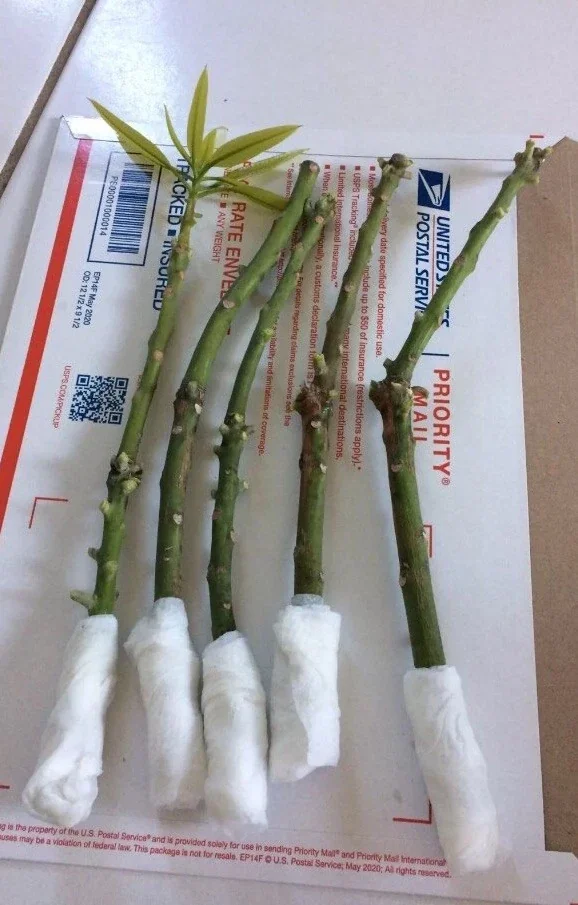
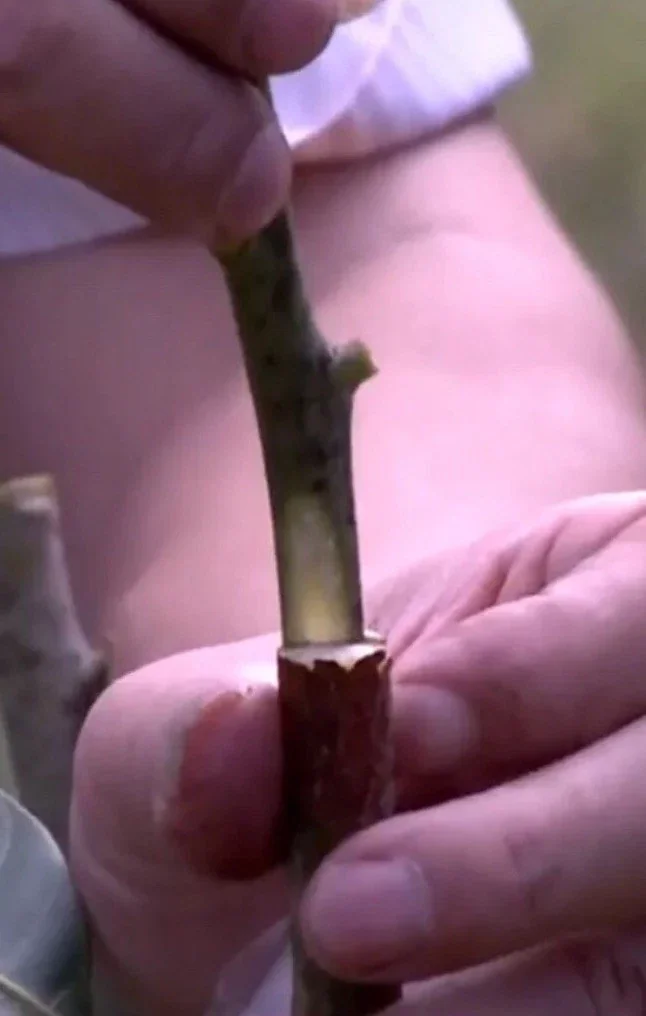
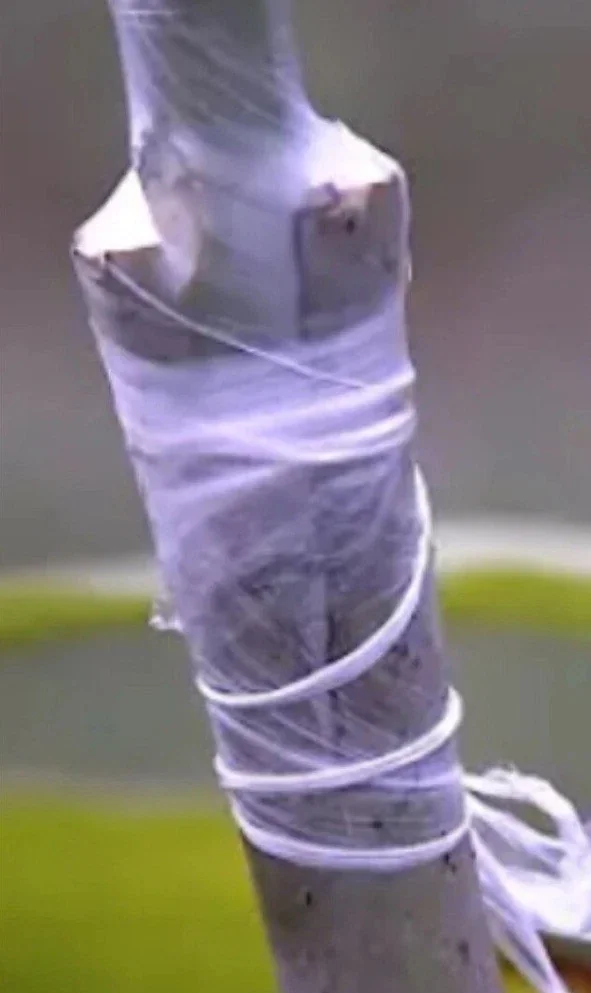
Embark on your fruit-growing journey with our premium selection of valencia mango scions. These high-quality live cuttings are specifically chosen for their viability and genetic purity, ensuring you have the best possible start to propagating your own delicious Valencia mango trees. Grafting is a time-honored technique that allows you to combine the vigorous rootstock of one mango variety with the superior fruit-producing capabilities of another, in this case, the highly sought-after Valencia mango. Our valencia mango cuttings provide an excellent opportunity for both novice and experienced grafters to expand their orchard or simply enjoy the satisfaction of growing their own tropical fruit.
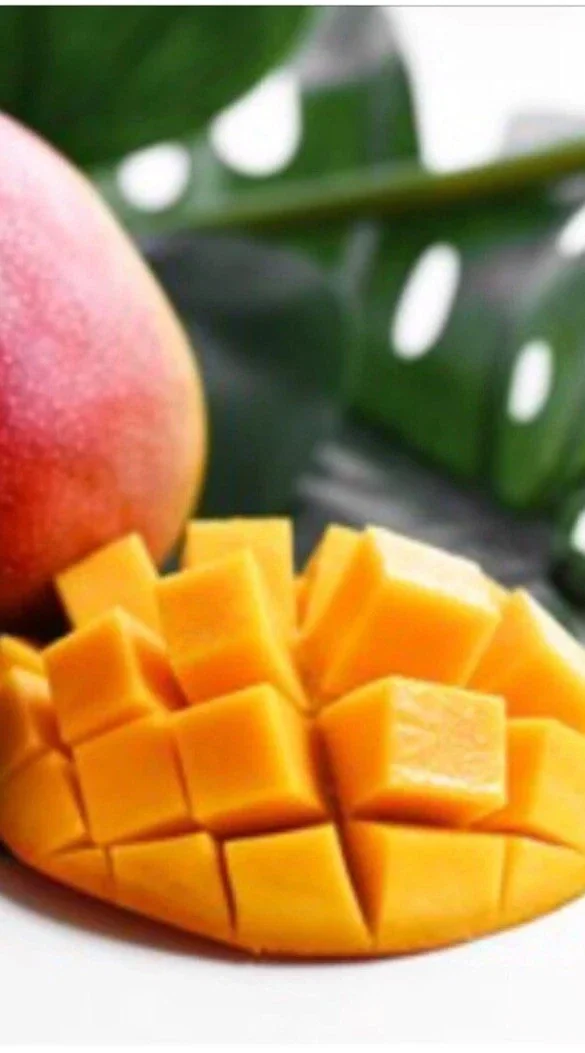
The Valencia mango, known for its sweet, juicy flesh and vibrant color, is a favorite among mango enthusiasts. By using these valencia mango scions, you can create new trees that bear fruit identical to the parent Valencia tree, ensuring consistent quality and flavor. This method bypasses the lengthy and often inconsistent process of growing from seed, allowing for quicker fruit production. Imagine harvesting your own succulent Valencia mangoes, knowing you nurtured them from these very scions. These scions are perfect for anyone looking to grow mango trees and enjoy fresh, homegrown fruit.
Key Benefits
Investing in these Valencia mango scions offers a multitude of benefits for the aspiring fruit grower:
- Reliable Propagation: Grafting with these scions provides a reliable way to reproduce the exact characteristics of the Valencia mango, ensuring the fruit quality you expect.
- Accelerated Fruiting: Grafted trees typically bear fruit much faster than those grown from seed, allowing you to enjoy your harvest sooner.
- Disease Resistance: When grafted onto a robust rootstock, your new trees can benefit from increased disease resistance and adaptability to local soil conditions.
- Space Efficiency: For those with limited space, grafting allows for the cultivation of desirable fruit varieties like Valencia mango without needing to grow a full-sized seedling tree.
- Educational Experience: The process of mango grafting is a rewarding educational experience, offering a deeper understanding of horticultural practices.
- Sustainable Gardening: By propagating new trees from cuttings, you contribute to sustainable gardening practices and reduce reliance on commercially grown fruits.
- Exceptional Flavor: The Valencia mango is celebrated for its rich, sweet flavor and smooth texture, making it a perfect choice for home cultivation.
Plant Care & Growing Tips
Successful mango grafting and subsequent growth of your Valencia mango tree depend on proper care. Once your valencia mango scions are successfully grafted, ensure the new tree receives adequate sunlight. Mango trees thrive in full sun, requiring at least 6-8 hours of direct sunlight per day. If growing outdoors, choose a location that provides ample light and protection from strong winds. For indoor potted trees, place them near a south-facing window or use grow lights to supplement natural light. The USDA Hardiness Zone for mango trees is typically 9-11, meaning they prefer warmer climates and should be protected from frost.
Watering is crucial, especially for young grafted trees. Keep the soil consistently moist but never waterlogged. Allow the top inch or two of soil to dry out slightly between waterings. Overwatering can lead to root rot, so good drainage is essential. Use a well-draining potting mix for container-grown trees or ensure your garden soil has good permeability. Fertilize your newly grafted tree with a balanced, slow-release fertilizer formulated for tropical fruit trees, following the product instructions. Begin fertilization once the graft union has healed and new growth appears, typically in spring and summer. Regularly inspect your tree for pests and diseases, addressing any issues promptly to maintain its health. Understanding how to grow mango trees effectively involves paying close attention to these environmental factors.
Pruning is also an important aspect of care for your grafted mango tree. Prune to maintain a manageable size, encourage branching, and remove any dead or diseased wood. This will help promote better air circulation and fruit production. For those looking to expand their collection of tropical fruit scions, mastering these basic care techniques will be invaluable. Proper care will allow your valencia mango cuttings to thrive and eventually yield delicious fruit.
Size & Details
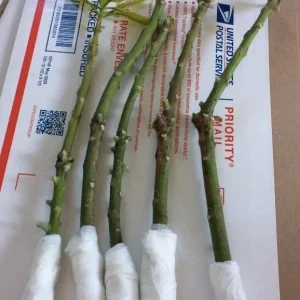
This offering includes 5 high-quality valencia mango scions, each carefully selected for optimal grafting success. These scions are fresh cuttings, typically 6-10 inches in length, and ready for immediate grafting upon arrival. They are specifically prepared to maximize their viability and rooting potential. The Valencia mango tree itself is a medium to large evergreen tree, capable of reaching heights of 20-30 feet in ideal conditions, though it can be kept smaller with proper pruning and container growing. The fruit is typically oval-shaped with a smooth, yellow-orange skin when ripe, weighing between 8-16 ounces.
The scions are designed for outdoor cultivation in suitable climates (USDA Zones 9-11), but can also be grown in large containers and brought indoors during colder months in marginal zones. With successful grafting, you can expect your new mango tree to begin producing fruit within 3-5 years, depending on the rootstock and growing conditions. These valencia mango cuttings are an excellent starting point for any enthusiast eager to cultivate their own tropical fruit. We provide fresh tropical fruit scions to help you achieve your gardening goals.
Frequently Asked Questions
- Q: How big does a grafted Valencia mango tree get? A: A grafted Valencia mango tree can typically reach 10-20 feet in height with proper pruning, making it more manageable than seed-grown trees. Its size can also be controlled further if grown in a large container.
- Q: Is this an indoor or outdoor plant? A: Valencia mango trees are tropical plants best suited for outdoor cultivation in USDA Zones 9-11. In colder climates, they can be grown in large pots and moved indoors during winter to protect them from frost.
- Q: How much sunlight do these valencia mango scions need after grafting? A: After successful grafting and once the tree is established, it requires at least 6-8 hours of direct sunlight daily to thrive and produce fruit. Young grafts should be protected from intense direct sun initially.
- Q: Is mango grafting difficult for beginners? A: While grafting requires some practice, it’s a skill that can be learned by beginners with good instructions and proper tools. There are many online resources and tutorials available to guide you through the process of how to grow mango trees.
- Q: What condition will the valencia mango cuttings arrive in? A: The scions will arrive fresh and carefully packaged to ensure their viability for grafting. It is recommended to graft them as soon as possible after arrival for the best success rate.
- Q: When is the best time to graft mango scions? A: The best time for mango grafting is typically during the warmer months, often in late winter or early spring, when the rootstock is actively growing and the weather is conducive to healing.
- Q: What kind of soil is best for grafted mango trees? A: Grafted mango trees prefer well-draining, slightly acidic to neutral soil (pH 6.0-7.0). For potted trees, a high-quality potting mix designed for fruit trees or tropical plants is ideal.
- Q: How long until my grafted mango tree produces fruit? A: With successful grafting, your new Valencia mango tree can start bearing fruit within 3-5 years, significantly faster than the 7-10 years it might take for a tree grown from seed.
- Q: Can I grow these tropical fruit scions in a container? A: Yes, Valencia mango trees can be successfully grown in large containers, especially advantageous for those in colder climates who need to move the plant indoors during winter.
- Q: What are tropical fruit scions used for? A: Tropical fruit scions, like these Valencia mango ones, are primarily used for grafting onto a compatible rootstock to propagate new trees that will produce the desired fruit variety.


Reviews
There are no reviews yet.