


Overview
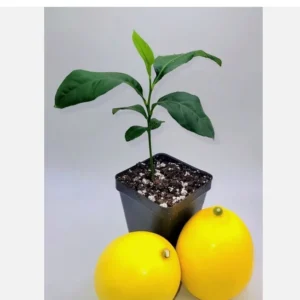
Bring the taste of the tropics to your home with this vibrant grafted mango live plant. This particular specimen measures between 15 to 25 inches in height, making it an ideal size for enthusiasts eager to start their own fruit-bearing tree. Mangoes, scientifically known as Mangifera indica, are celebrated globally for their rich, sweet, and aromatic fruit. Grafting ensures that this plant will produce fruit true to its parent variety and often much faster than seed-grown trees. Whether you dream of harvesting fresh mangoes from your backyard or nurturing a unique tropical specimen indoors, this live plant offers a fantastic opportunity. Its evergreen foliage provides year-round beauty, while the promise of delicious fruit makes it a rewarding addition to any plant collection. This grafted mango live plant is carefully nurtured to ensure it arrives healthy and ready to thrive in its new environment, promising a taste of paradise in the years to come.
Mango trees are not only producers of delectable fruit but also offer significant ornamental value with their lush, dense canopy. This live plant is perfect for those who appreciate both aesthetics and edible gardening. The process of grafting involves joining a scion (a shoot or twig) of a desirable mango variety onto a robust rootstock, which often provides disease resistance and adaptability. This means you’ll be cultivating a high-quality fruit-bearing tree that is more resilient. Embracing the journey of growing mangoes indoors or outdoors allows you to connect with nature and enjoy the unparalleled satisfaction of eating fruit you’ve grown yourself.
Key Benefits
Adding a grafted mango live plant to your garden or indoor space offers a multitude of benefits, from aesthetic appeal to the joy of fresh produce. Here are some of the key advantages:
- Delicious Homegrown Fruit: Enjoy the unparalleled taste of fresh, ripe mangoes straight from your own tree. Homegrown mangoes often surpass store-bought varieties in flavor and sweetness, offering a truly gourmet experience. This tropical mango tree will provide a continuous harvest once mature.
- Ornamental Value: With its lush, evergreen foliage and potential for beautiful blooms, the mango tree adds significant aesthetic appeal to any landscape or indoor setting. It creates a tropical ambiance and can serve as a stunning focal point.
- Faster Fruiting: Grafted mango trees typically begin producing fruit much sooner than trees grown from seed, often within 2-3 years. This means you won’t have to wait long to enjoy your first harvest.
- Known Fruit Quality: Grafting ensures that the fruit produced will be identical to the parent tree from which the scion was taken, guaranteeing the desired flavor, size, and quality of mangoes.
- Air Purification: Like many plants, the mango tree contributes to better air quality by absorbing carbon dioxide and releasing oxygen, creating a healthier environment around it.
- Educational Experience: Growing mangoes indoors or outdoors can be a fantastic educational experience for gardeners of all ages, teaching about plant biology, tropical horticulture, and sustainable food practices.
- Long-Term Investment: A well-cared-for mango tree can live for many decades, providing a sustainable source of fruit and beauty for generations. It’s a living legacy that enhances your property value and enriches your life.
Plant Care & Growing Tips
Proper mango plant care is essential for a healthy and productive grafted mango live plant. Mango trees thrive in warm, tropical, and sub-tropical climates. If you live in USDA Hardiness Zones 9-11, outdoor planting is generally suitable, provided there’s protection from frost. For cooler climates, growing mangoes in large containers that can be moved indoors during colder months is a viable option, ensuring you can still enjoy your tropical mango tree. The genus is Mangifera, and the common name is Mango.
Sunlight Requirements
Your mango tree needs at least 6-8 hours of direct sunlight per day to flourish and produce fruit. In outdoor settings, choose a location that receives full sun exposure. If growing mangoes indoors, place the plant near a south-facing window or use supplemental grow lights to meet its light demands. Insufficient light can lead to poor growth and reduced fruit production.
Watering Schedule & Soil Moisture
Water young mango trees frequently to establish a strong root system, ensuring the soil remains consistently moist but not waterlogged. Once established, mature trees are more drought-tolerant but will benefit from regular watering during dry spells, especially when flowering and fruiting. Allow the top few inches of soil to dry out slightly between waterings. Overwatering can lead to root rot, so good drainage is crucial. The optimal soil pH for mangoes is slightly acidic, between 6.0 and 7.0.
Soil Type & Drainage
Mango trees prefer well-draining soil. A sandy loam or peat-based potting mix amended with compost works well. Ensure the pot has drainage holes if growing in a container. Avoid heavy clay soils that retain too much moisture. For outdoor planting, amend heavy soils with organic matter to improve drainage and aeration. The plant form is typically bare root or potted starter.
Temperature Range & USDA Hardiness Zone
Mango trees are tropical plants and are sensitive to cold. They thrive in temperatures between 70°F and 90°F (21°C-32°C). They can tolerate brief dips to 30-40°F, but prolonged exposure to freezing temperatures will cause damage or death. The ideal USDA Hardiness Zone is 10 and above, requiring frost-free conditions and hot, humid summers for optimal growth and fruiting. If you’re in a cooler zone, bring your potted grafted mango live plant indoors before the first frost.
Fertilization
Feed your mango tree with a balanced fertilizer (e.g., 8-3-9 or similar NPK ratio) specifically formulated for fruit trees. Fertilize young trees every 2-3 months during the growing season (spring and summer) and mature trees 3-4 times a year. Reduce fertilization during dormancy. Always follow the manufacturer’s instructions for application rates to avoid over-fertilizing, which can burn the roots.
Common Problems & Solutions
Watch out for common pests like aphids, mealybugs, and scale insects. Treat them with insecticidal soap or neem oil. Fungal diseases like powdery mildew can occur, especially in humid conditions; ensure good air circulation and consider fungicides if necessary. Proper watering and nutrient management are key to preventing many issues and maintaining a healthy mangifera indica.
Size & Details
This grafted mango live plant typically arrives as a well-rooted specimen, standing approximately 15 to 25 inches tall from the base of the plant to the tip of its tallest leaf. The specific height can vary slightly as these are live, growing organisms. The plant form is a live tree, usually shipped in a bare root form or a small nursery pot, ready for immediate transplanting into a larger container or your garden. Its growth rate is generally fast under optimal conditions, allowing it to establish quickly and begin its journey towards fruit production. While the initial length is around 17 inches, with proper care, this tropical mango tree will continue to grow, eventually reaching a mature size that can range from 10 to 30 feet in height outdoors, or a more manageable size in a container indoors. Foliage is evergreen, providing year-round visual interest. The tree type is fruit-bearing, and it comes as a single plant, ensuring you receive a robust growing specimen.
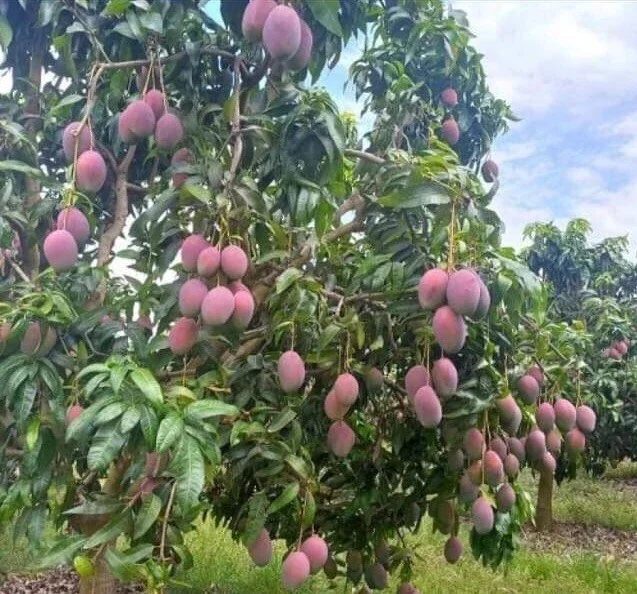
The initial growing stage is typically flowering, indicating its readiness to progress towards fruiting. This grafted mango live plant is designed for both indoor and outdoor cultivation, offering flexibility based on your climate and space. It’s a single specimen, ideal for starting your own mango orchard or adding a singular, stunning fruit tree to your collection. The plant includes its own soil or growing medium for transplanting. While the color of the fruit will vary by variety, many popular mangoes feature shades of purple, red, and yellow when ripe, adding vibrant hues to your harvest. This plant is a fantastic choice for anyone interested in growing mangoes indoors or in a suitable outdoor environment.
Frequently Asked Questions
- Q: How big does this grafted mango live plant get? A: This particular grafted mango live plant is currently 15-25 inches tall. With proper care, outdoor trees can reach 10-30 feet, while potted indoor trees can be maintained at a smaller, more manageable size through pruning.
- Q: What size pot does it come in? A: The plant typically ships as a bare root or in a small nursery pot, ready for you to transplant it into a larger container (e.g., a 3-5 gallon pot) or directly into your garden.
- Q: Is this an indoor or outdoor plant? A: This tropical mango tree can be grown both indoors and outdoors. It thrives outdoors in USDA Hardiness Zones 10 and above. In cooler zones, it should be grown in a container and brought indoors during colder months.
- Q: How much sunlight does it need? A: A grafted mango live plant requires at least 6-8 hours of direct sunlight daily to grow healthy and produce fruit. Choose a sunny spot outdoors or a bright, south-facing window indoors.
- Q: Is this plant easy to care for? Is it good for beginners? A: While not extremely difficult, mango plant care requires attention to light, water, and temperature. With consistent care and research, beginners can successfully grow this plant, especially with the use of a grafted specimen.
- Q: What condition will it arrive in? A: Your grafted mango live plant will arrive as a healthy, well-rooted specimen, carefully packaged to minimize stress during transit, ready for planting.
- Q: Can I use the fruit of this tropical mango tree in cooking? A: Absolutely! The fruit from this tropical mango tree is intended for culinary use. Mangoes are incredibly versatile and can be enjoyed fresh, in smoothies, desserts, salsas, and various other dishes.
- Q: How long until it blooms and fruits? A: Grafted mango trees typically begin to flower and fruit within 2-3 years of planting, much faster than trees grown from seed, which can take 5-8 years or more.
- Q: Will it survive winter in my zone? What’s the minimum temperature? A: This mango tree thrives in frost-free conditions. It can tolerate brief temperatures down to 30-40°F, but prolonged exposure below 40°F will cause damage. It’s best suited for USDA Zones 10-11 for outdoor growth.
- Q: What is the best soil type for growing mangoes indoors? A: For growing mangoes indoors, use a well-draining, peat-based potting mix. Ensure the pot has adequate drainage holes to prevent waterlogging and root rot.


Reviews
There are no reviews yet.