
Overview
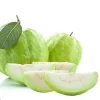
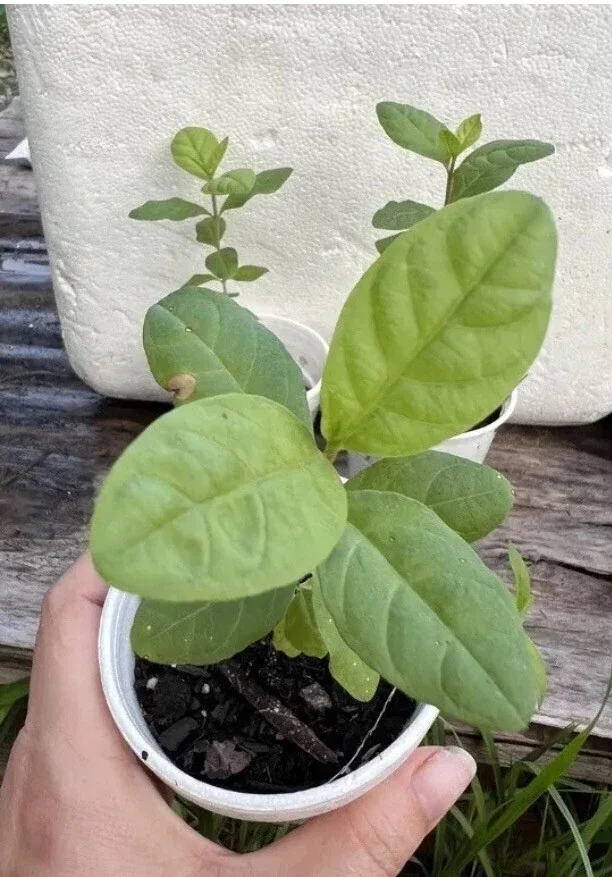
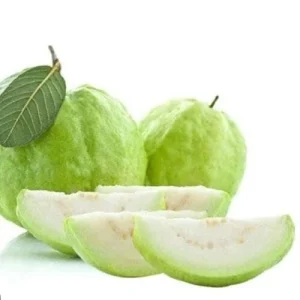
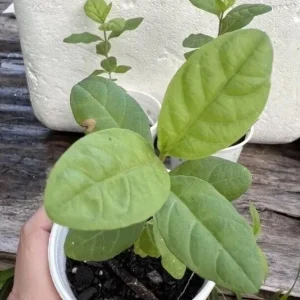
Cultivate your own slice of paradise with this vibrant guava fruit tree live plant. Sized between 5-8 inches, this young plant is ready to establish itself and eventually bear the sweet, aromatic fruits cherished in tropical regions worldwide. Guava, scientifically known as Psidium guajava, is a popular exotic fruit tree known for its delectable taste and numerous health benefits. This particular offering is a healthy, live specimen, carefully nurtured to ensure a successful transition to your garden or container. Imagine plucking your own fresh, ripe guavas, enjoying their unique flavor and fragrance. This tropical fruit plant is an excellent choice for both seasoned gardeners and enthusiastic beginners looking to add an unusual and rewarding edible plant to their collection.
Key Benefits
Growing your own guava tree offers a multitude of advantages, from the joy of fresh produce to enhancing your living space. This guava fruit tree live plant provides a unique opportunity to experience these benefits firsthand:
- Delicious, Fresh Fruit: Enjoy the unparalleled taste of homegrown guava, far superior to store-bought varieties. Guavas are rich in flavor and can be eaten fresh, made into juices, jellies, or desserts.
- Nutrient-Rich Harvest: Guava fruits are packed with Vitamin C, dietary fiber, and various antioxidants, making them a healthy addition to any diet.
- Exotic Garden Appeal: The lush green foliage and potential for beautiful, fragrant flowers and fruit add a distinctive tropical aesthetic to any garden, patio, or indoor space.
- Adaptable Growth: While thriving in tropical climates, guava trees can be grown in containers in cooler regions, allowing you to move them indoors during colder months.
- Rewarding Gardening Experience: Nurturing an exotic fruit tree from a young plant to a fruit-bearing specimen is incredibly satisfying and a great learning experience.
- Supports Local Ecosystem: Growing fruit trees can attract pollinators and contribute to local biodiversity, creating a healthier garden environment.
- Air Purification: Like many plants, the guava tree contributes to better air quality by absorbing carbon dioxide and releasing oxygen.
Plant Care & Growing Tips
Ensuring the success of your guava fruit tree live plant requires attention to its specific needs. Guavas are relatively hardy but thrive best under optimal conditions. For successful growth and abundant fruit, it’s crucial to understand guava tree care. This tropical beauty prefers a warm climate and can be quite productive with the right environment. For those wondering how to grow guava at home, here are some essential tips:
Sunlight Requirements: Guava trees are sun-lovers. They require at least 6-8 hours of direct sunlight daily to produce fruit. If growing outdoors, choose a location that receives full sun. If growing in a container indoors, place it near a south-facing window or use grow lights to supplement natural light. Insufficient light can lead to poor growth and reduced fruit production.
Watering Schedule and Soil Moisture: Consistent moisture is key, especially for young plants. Water thoroughly when the top 1-2 inches of soil feel dry to the touch. Avoid overwatering, as guavas do not like soggy roots, which can lead to root rot. During drier periods or when the plant is actively fruiting, increase watering frequency. Reduce watering slightly during dormant periods.
Soil Type and Drainage: Guavas prefer well-draining soil that is rich in organic matter. A slightly acidic to neutral pH (5.0-7.0) is ideal. A good quality potting mix amended with compost or perlite works well for container planting. For in-ground planting, ensure the soil drains well; if you have heavy clay soil, amend it with organic matter to improve drainage.
Temperature Range and USDA Hardiness Zone: Guava trees are tropical and thrive in warm temperatures. They are best suited for USDA Hardiness Zones 9-12. They can tolerate brief dips in temperature but are susceptible to frost damage. If you live in a cooler zone, it’s best to grow your guava in a pot so it can be moved indoors when temperatures drop below 40°F (4°C).
Fertilization: Fertilize your young guava tree every 1-2 months during the growing season (spring and summer) with a balanced, slow-release fertilizer or a fertilizer specifically formulated for fruit trees. Reduce fertilization during fall and winter. As the tree matures, a fertilizer higher in phosphorus and potassium can encourage flowering and fruiting.
Pruning: Light pruning can help shape the tree, remove dead or diseased branches, and encourage better air circulation and fruit production. The best time to prune is after the fruiting season. Regular pruning can also help manage the size of your exotic fruit tree if growing in a confined space.
Common Problems: Watch out for common pests like aphids and scale insects, which can be treated with insecticidal soap. Fungal issues can arise from overwatering or poor air circulation, so ensure proper care to prevent them. Yellowing leaves can indicate nutrient deficiencies or improper watering.
Size & Details
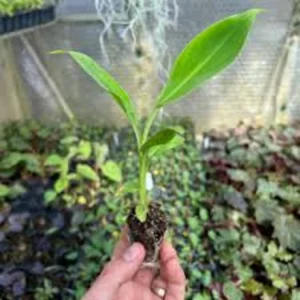
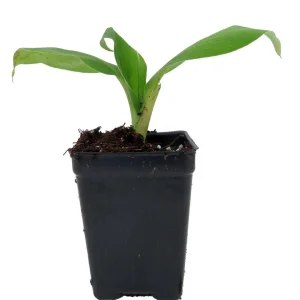
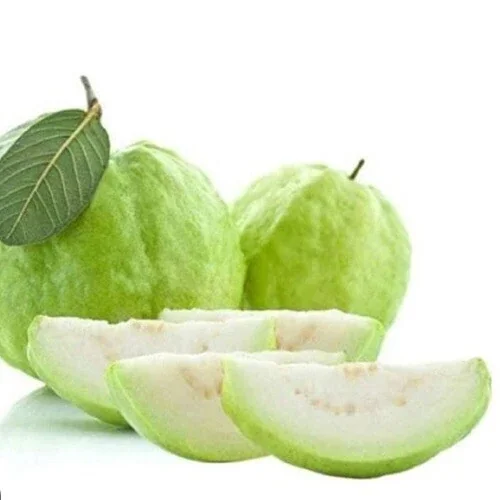
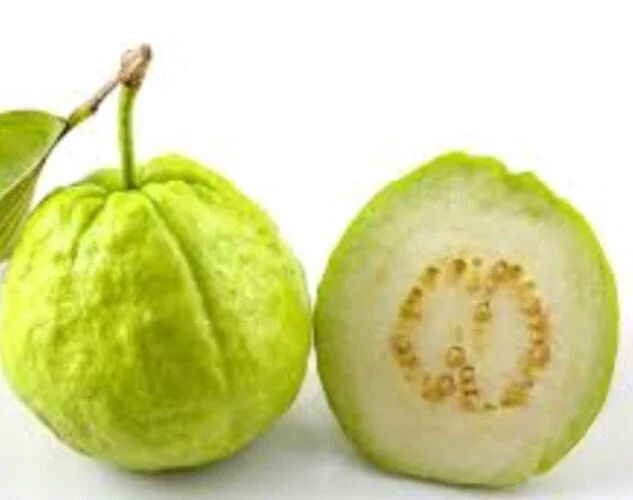
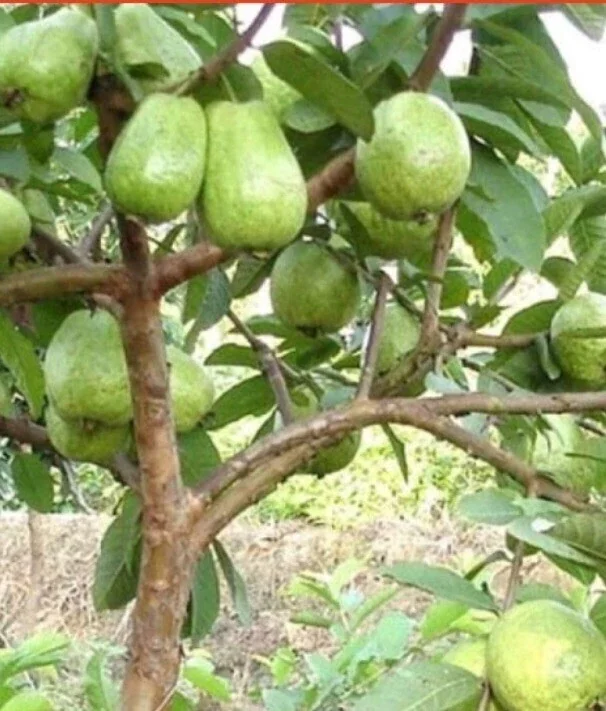
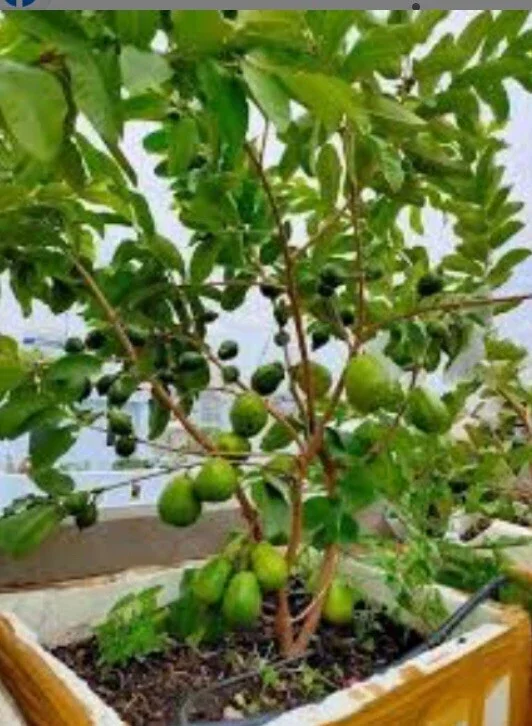
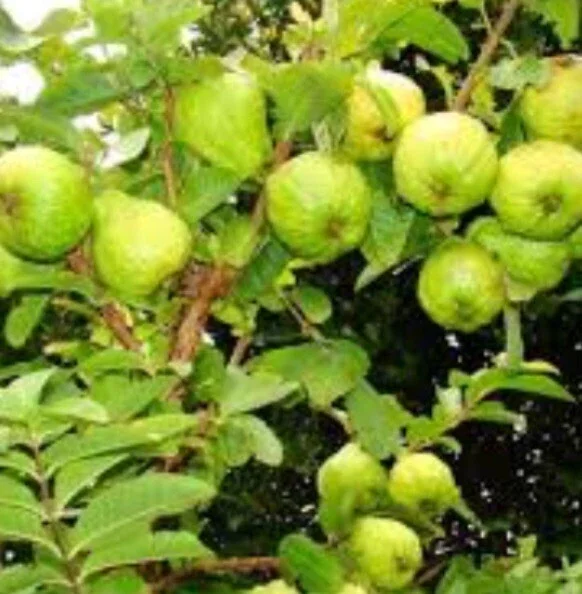
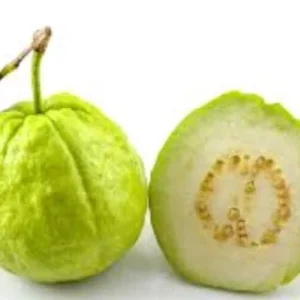
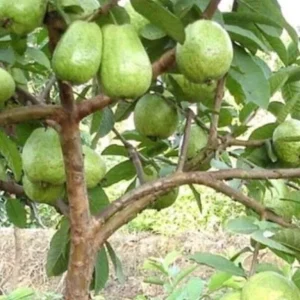
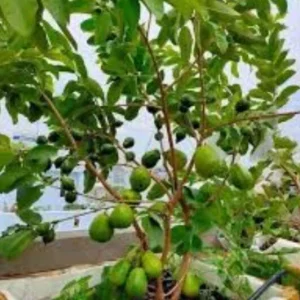
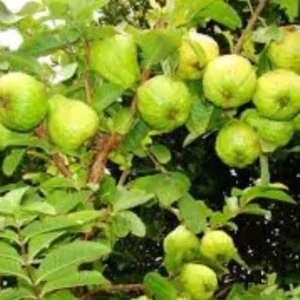
This offering is for one vibrant guava fruit tree live plant, meticulously cultivated and ready for planting. The plant measures approximately 5-8 inches in height from the soil line, making it a young but established specimen. It arrives in a nursery pot, typically around 4 inches in diameter, ensuring its root system is well-protected and ready for transplanting. Guava trees have a moderate to fast growth rate, and with proper care, your plant can begin producing fruit within 2-4 years. The mature size of a guava tree can vary greatly depending on whether it’s planted in the ground or kept in a container, ranging from 10-20 feet tall in optimal conditions when planted directly in the ground, or a more manageable 6-10 feet in a large container. The foliage is typically a vibrant green, and the plant will develop small, fragrant white flowers before fruiting. The fruit itself can be round or oval, with a green or yellow skin, and a sweet, often pink or white, fleshy interior.
Frequently Asked Questions
- Q: How big does this plant get? A: This guava fruit tree live plant is currently 5-8 inches tall. When mature, guava trees can reach 10-20 feet in the ground but can be maintained at a smaller, more manageable size of 6-10 feet in a large container through regular pruning.
- Q: What size pot does it come in? A: The plant typically arrives in a standard nursery pot, approximately 4 inches in diameter, providing ample space for its initial root development.
- Q: Is this an indoor or outdoor plant? A: Guava trees are tropical plants that thrive outdoors in USDA Zones 9-12. In cooler climates, they can be grown as container plants and moved indoors during colder months.
- Q: How much sunlight does it need? A: For optimal growth and fruiting, your tropical fruit plant requires at least 6-8 hours of direct sunlight per day.
- Q: Is this plant easy to care for? A: Guava trees are considered moderately easy to care for, especially if their basic needs for warmth, sunlight, and consistent watering are met. They are a good choice for those interested in guava tree care.
- Q: What condition will it arrive in? A: Your guava fruit tree live plant will arrive carefully packaged to ensure it is healthy and ready for planting. We take great care in protecting the plant during transit.
- Q: Can I use guava fruit in cooking? A: Absolutely! Guava fruit is highly versatile and can be enjoyed fresh, in smoothies, juices, jellies, jams, and various desserts. It’s a key ingredient in many tropical cuisines.
- Q: How long until it blooms and produces fruit? A: With proper care, a young guava tree like this one can begin flowering and producing fruit within 2-4 years after planting.
- Q: Will it survive winter in my zone? A: If you are outside of USDA Zones 9-12, your guava tree will need protection from frost and cold temperatures. It’s recommended to grow it in a pot and bring it indoors during winter.
- Q: What type of soil is best for growing guava at home? A: Guava trees prefer well-draining soil rich in organic matter. A slightly acidic to neutral pH is ideal. For container growing, a good quality potting mix with added compost works well.


Reviews
There are no reviews yet.