Overview
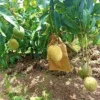
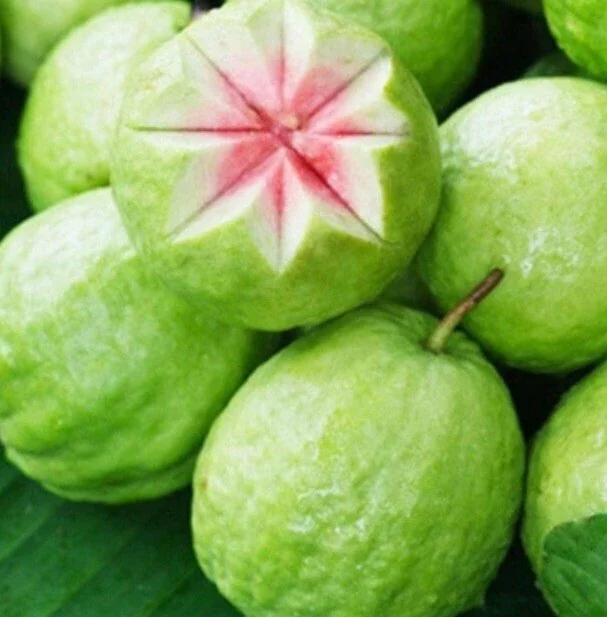
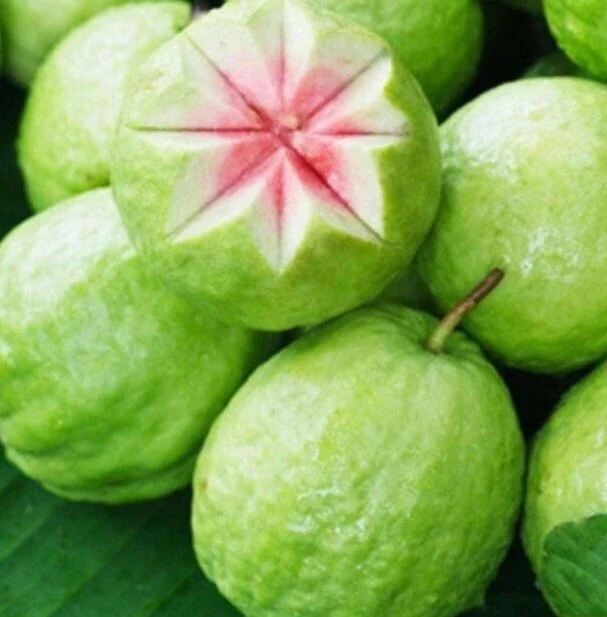
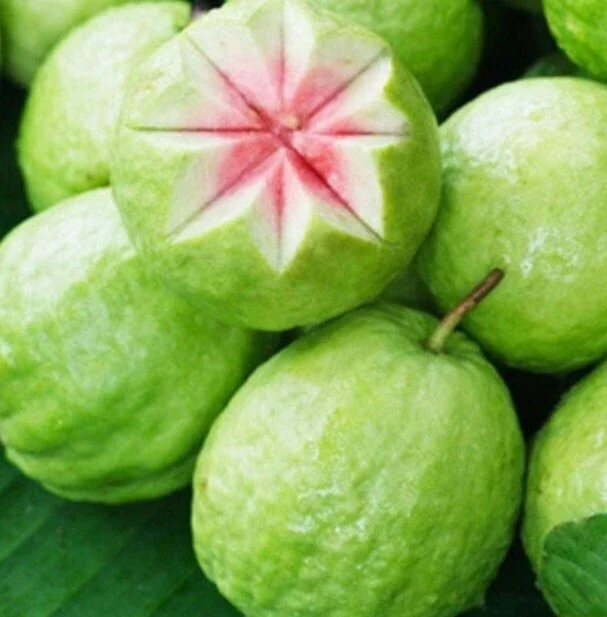
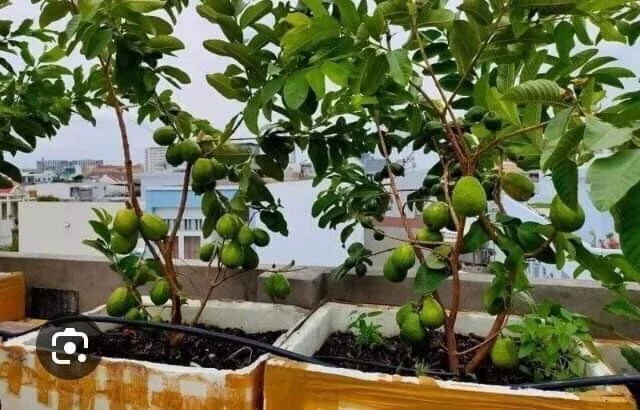
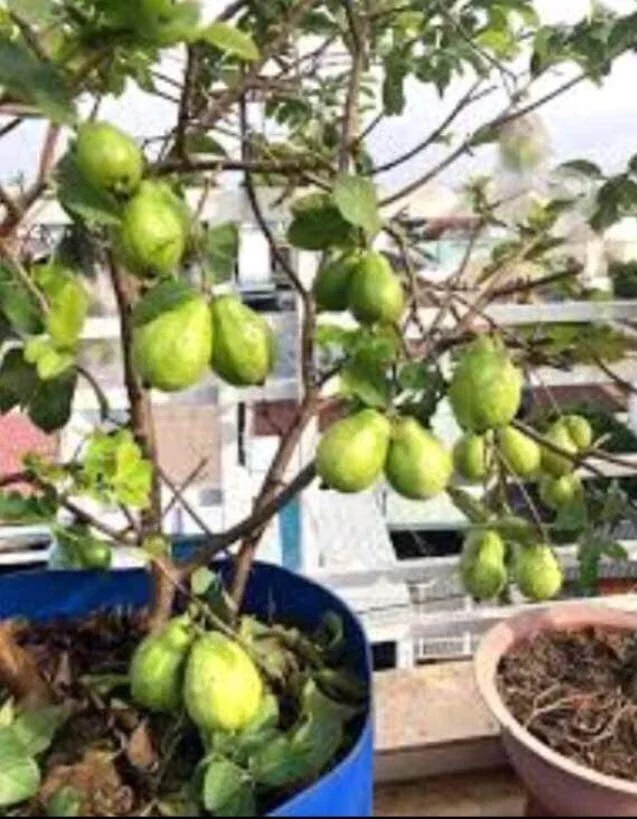
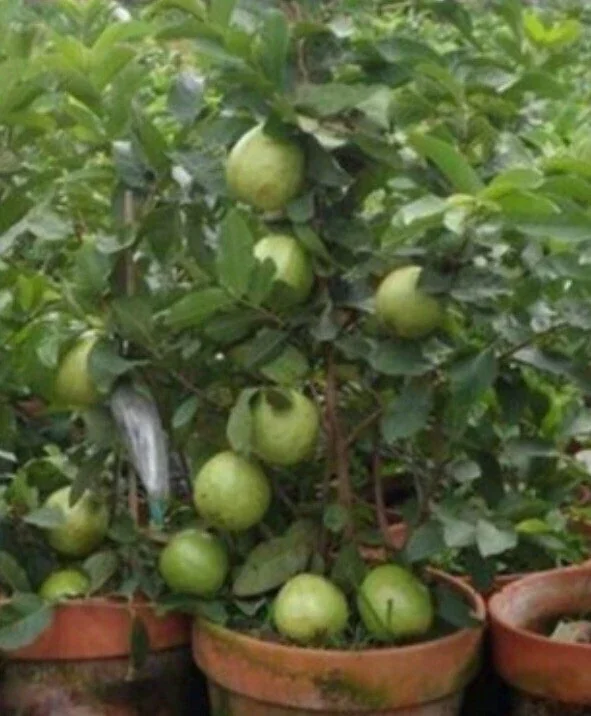
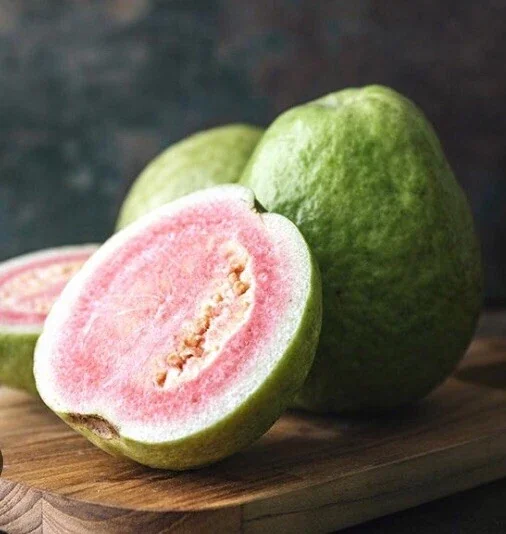
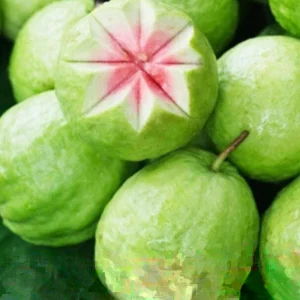
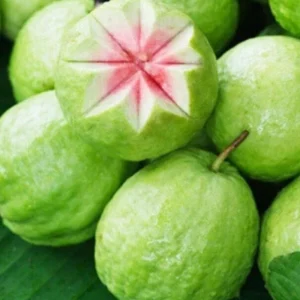
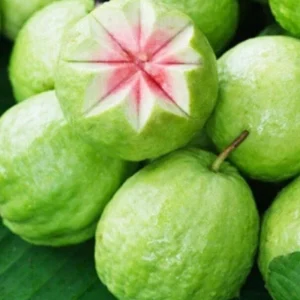
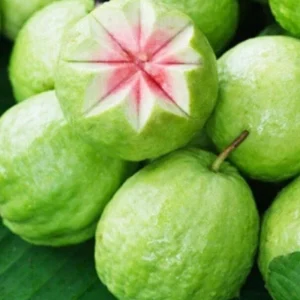
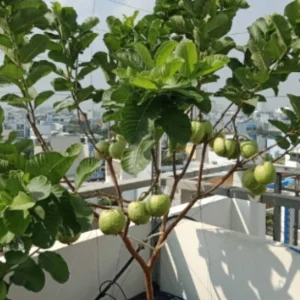
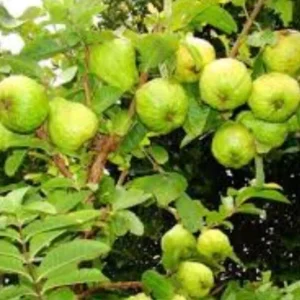
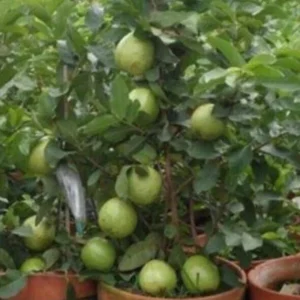
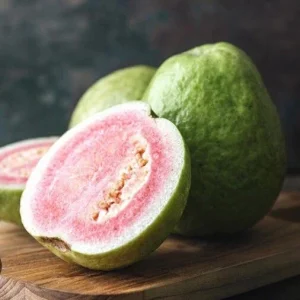
Bring the taste of the tropics to your home with a vibrant pink guava fruit tree. This live plant, measuring between 9 to 12 inches tall, offers the unique opportunity to cultivate your own exotic and delicious fruit. Guava, scientifically known as Psidium guajava, is a popular tropical and subtropical fruit known for its sweet, aromatic pulp and high vitamin C content. This particular variety produces beautiful pink-fleshed fruit, adding both ornamental beauty and culinary delight to your garden or patio. Growing your own pink guava fruit tree is a rewarding experience, providing fresh, healthy fruit right at your fingertips.
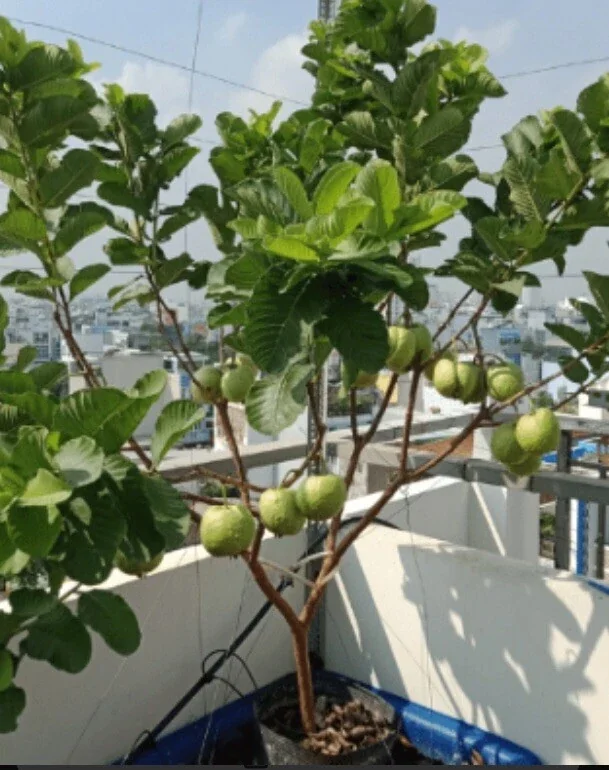
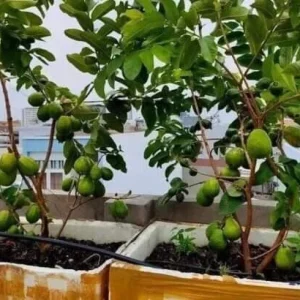
Originating from Central and South America, guava trees are well-suited for warm climates but can also thrive in containers in cooler regions, allowing them to be moved indoors during winter. The compact size of this guava live plant makes it an excellent choice for both experienced gardeners and beginners looking to add an exotic touch to their plant collection. Enjoy the fragrant blossoms and bountiful harvests as this resilient plant matures, offering a continuous supply of succulent pink guavas.
Key Benefits
Adding a pink guava fruit tree to your garden provides numerous advantages, from its aesthetic appeal to its delicious and nutritious fruit. Enjoy a taste of the tropics and the satisfaction of growing your own food.
- Homegrown Tropical Fruit: Enjoy fresh, sweet, and aromatic pink guavas directly from your own garden. The fruit is perfect for eating fresh, making juices, jellies, and desserts.
- High Nutritional Value: Guavas are packed with Vitamin C, antioxidants, and dietary fiber, contributing to a healthy diet and offering a delicious way to boost your daily nutrient intake.
- Ornamental Appeal: Beyond its fruit, the guava live plant features attractive foliage and fragrant white flowers, making it a beautiful addition to any landscape or patio.
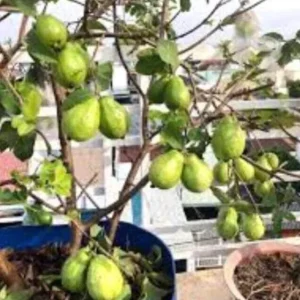
- Versatile Growing Options: This tropical fruit tree can be grown in the ground in warm climates or successfully cultivated in containers, allowing for portability and protection in cooler zones.
- Rewarding Gardening Experience: Experience the joy and satisfaction of nurturing an exotic fruit plant from a young stage to a fruit-bearing tree, enhancing your gardening skills.
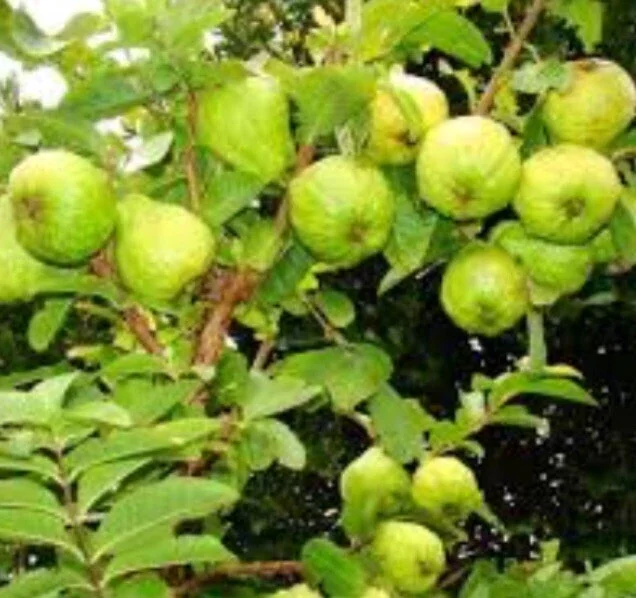
- Continuous Harvest: With proper care, guava trees can produce multiple harvests throughout the year in ideal conditions, ensuring a steady supply of fresh fruit.
- Drought Tolerance: Once established, guava trees exhibit a good degree of drought tolerance, making them relatively low-maintenance compared to some other fruit trees.
Plant Care & Growing Tips
Caring for your pink guava fruit tree is a straightforward process that will reward you with delicious fruit. Guava trees are relatively hardy tropical plants, but providing the right conditions will ensure optimal growth and fruit production. Understanding the needs of your guava live plant is crucial for its long-term health and productivity.
Sunlight Requirements: Guava trees thrive in full sun, requiring at least 6-8 hours of direct sunlight per day. If growing indoors or in a container, place it in the brightest spot available, such as a south-facing window. In extremely hot climates, some afternoon shade can be beneficial to prevent leaf scorch. For an exotic fruit plant like guava, consistent light is key.
Watering Schedule & Soil Moisture: Water your guava tree regularly, especially during dry periods and when the plant is young. The soil should be kept consistently moist but not waterlogged. Allow the top inch or two of soil to dry out slightly between waterings. Reduce watering frequency during cooler months or when the plant is dormant. Good drainage is paramount to prevent root rot, a common issue for many tropical fruit tree varieties.
Soil Type & Drainage: Guava trees prefer well-draining, slightly acidic to neutral soil (pH 5.0-7.0). A rich, loamy soil amended with organic matter is ideal. For container-grown plants, use a high-quality potting mix designed for fruit trees or tropical plants, ensuring excellent drainage. Avoid heavy clay soils that retain too much moisture.
Temperature Range & USDA Hardiness Zone: Guavas are tropical plants and are best suited for USDA Hardiness Zones 9-11. They can tolerate brief cold spells but are sensitive to frost. If you live in a colder zone, it’s best to grow your pink guava fruit tree in a container so you can move it indoors when temperatures drop below 40°F (4°C). Protect young plants from cold drafts.
Fertilization Schedule & Type: Fertilize your guava tree every 1-2 months during the growing season (spring through fall) with a balanced fertilizer formulated for fruit trees or tropical plants. Look for a fertilizer with a slightly higher phosphorus content to encourage flowering and fruiting. Follow the product’s instructions for application rates. Reduce or stop fertilization during winter dormancy.
Common Problems & Solutions: Watch out for common pests like aphids, scale, and mealybugs, which can be managed with insecticidal soap or neem oil. Fungal diseases can occur in overly wet conditions; ensure good air circulation and proper watering. Pruning is important to maintain shape, remove dead or diseased branches, and encourage fruit production. Prune after fruiting or in late winter/early spring before new growth begins. Regular inspection is part of effective guava plant care.
Size & Details
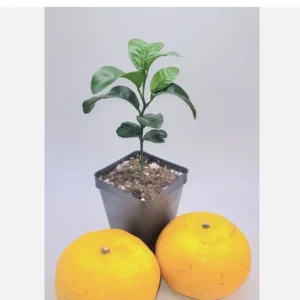
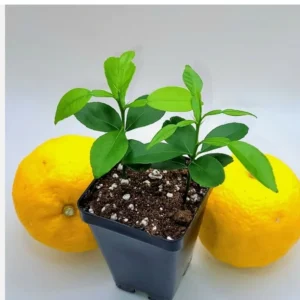
This offering is for a pink guava fruit tree that stands approximately 9-12 inches tall from the base of the plant to the tip of its highest leaf. It is a live, young plant, ready for transplanting into a larger pot or directly into your garden if your climate permits. The plant is typically shipped rooted in a small nursery pot or with its root ball carefully wrapped to ensure its health upon arrival. While growth rates vary based on conditions, guava trees generally grow at a moderate pace, reaching mature heights of 10-20 feet in optimal outdoor conditions, though they can be kept smaller with regular pruning, especially when grown as a tropical fruit tree in a container. Expect fruit production to begin within 2-3 years, with peak yields as the plant matures. The fruit itself is typically round or oval, with a sweet, musky flavor and a vibrant pink interior.
Frequently Asked Questions
- Q: How big will this pink guava fruit tree get? A: In ideal outdoor conditions, guava trees can reach 10-20 feet tall. However, when grown in a container, their size can be managed with regular pruning, making them much more compact and suitable for patios or indoor spaces.
- Q: What size pot should I use for this 9-12 inch guava live plant? A: Upon arrival, you should transplant it into a pot that is at least 1-2 gallons in size. As the plant grows, gradually repot it into larger containers, eventually aiming for a 15-25 gallon pot for a mature, fruit-producing tree.
- Q: Is this an indoor or outdoor tropical fruit tree? A: This pink guava fruit tree can be grown outdoors year-round in USDA Zones 9-11. In colder climates, it must be grown in a container and brought indoors during the winter months to protect it from frost.
- Q: How much sunlight does this exotic fruit plant need? A: Guava trees require at least 6-8 hours of direct sunlight daily for optimal growth and fruit production. Choose a bright, sunny location for your plant, whether indoors or outdoors.
- Q: Is this guava plant care difficult for beginners? A: Guava trees are relatively easy to care for, making them a good choice for beginners interested in growing tropical fruit. Consistent watering, adequate sunlight, and occasional fertilization are the main requirements.
- Q: What condition will my pink guava fruit tree arrive in? A: Your live plant will be carefully packaged to ensure its health during transit. It will arrive rooted, typically in a small nursery pot or with its root ball protected, ready for you to transplant.
- Q: How long until this guava live plant produces fruit? A: With proper care, a young guava tree from this size can begin producing fruit within 2-3 years. Fruit production will increase as the tree matures.
- Q: Can I grow this tropical fruit tree in a colder climate? A: Yes, you can successfully grow a pink guava fruit tree in colder climates by keeping it in a container and moving it indoors to a sunny location during the winter when temperatures drop below freezing.
- Q: What are the best uses for the fruit from this exotic fruit plant? A: The sweet pink guava fruit is delicious when eaten fresh, added to smoothies, made into juices, jellies, jams, or used in various tropical desserts.
- Q: What is the ideal temperature range for a pink guava fruit tree? A: Guava trees prefer temperatures between 65°F and 85°F (18°C-29°C). They can tolerate slightly cooler temperatures but are susceptible to damage below 40°F (4°C).


Reviews
There are no reviews yet.