Overview
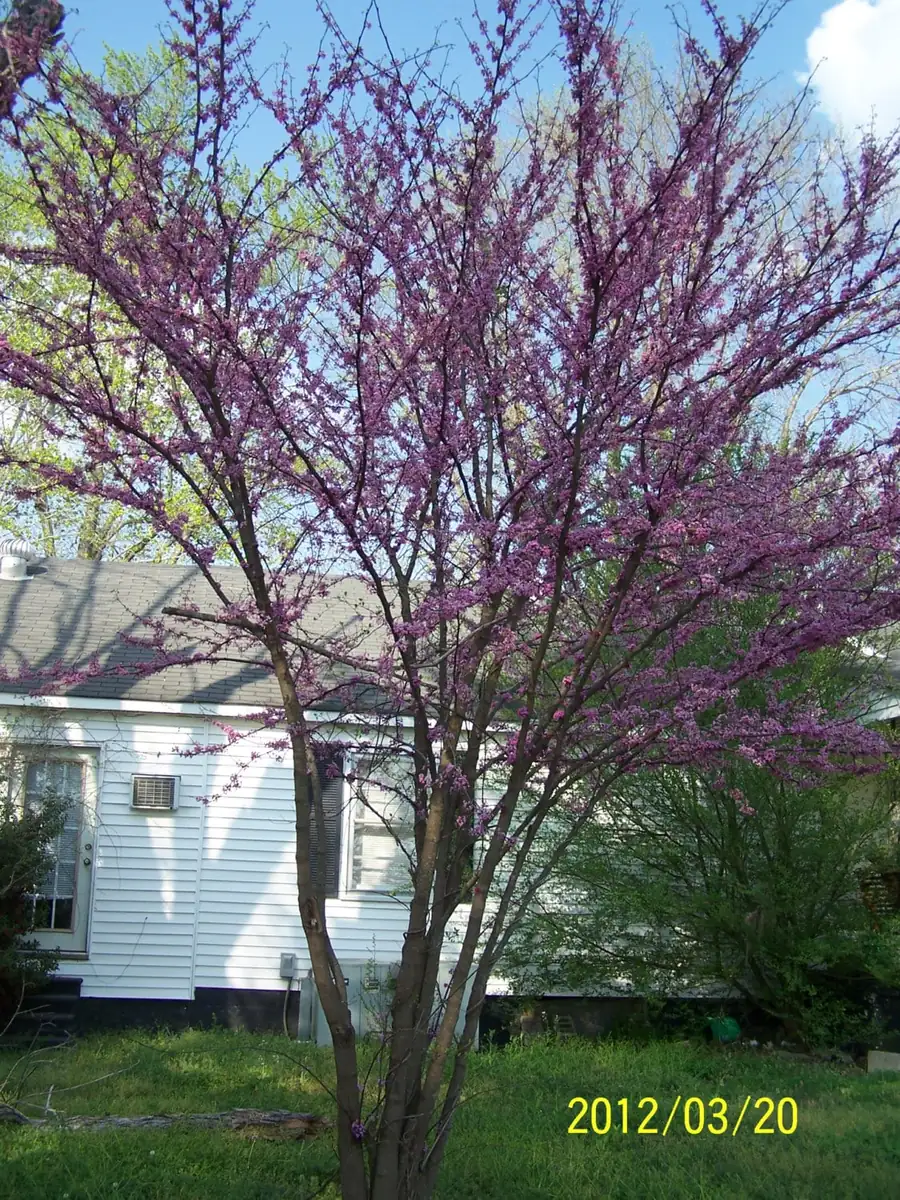
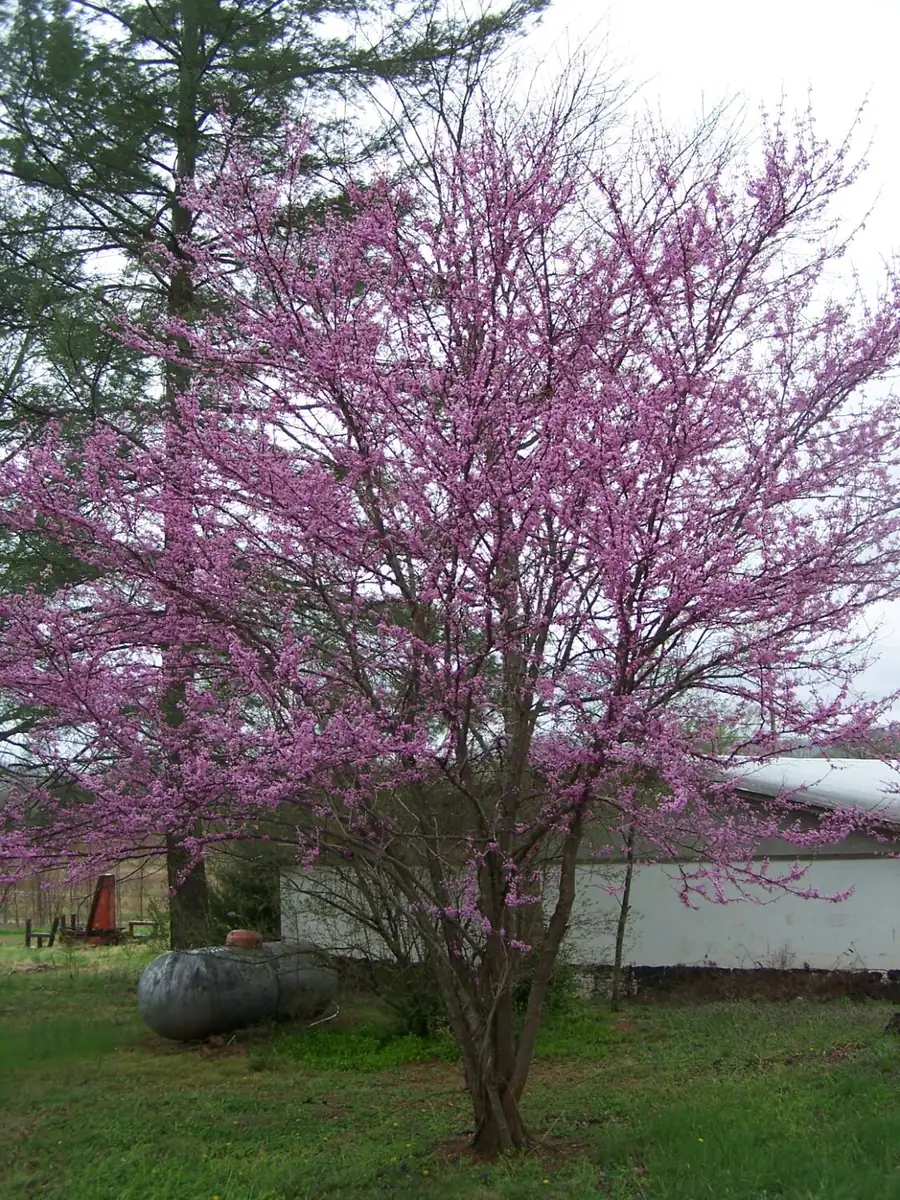
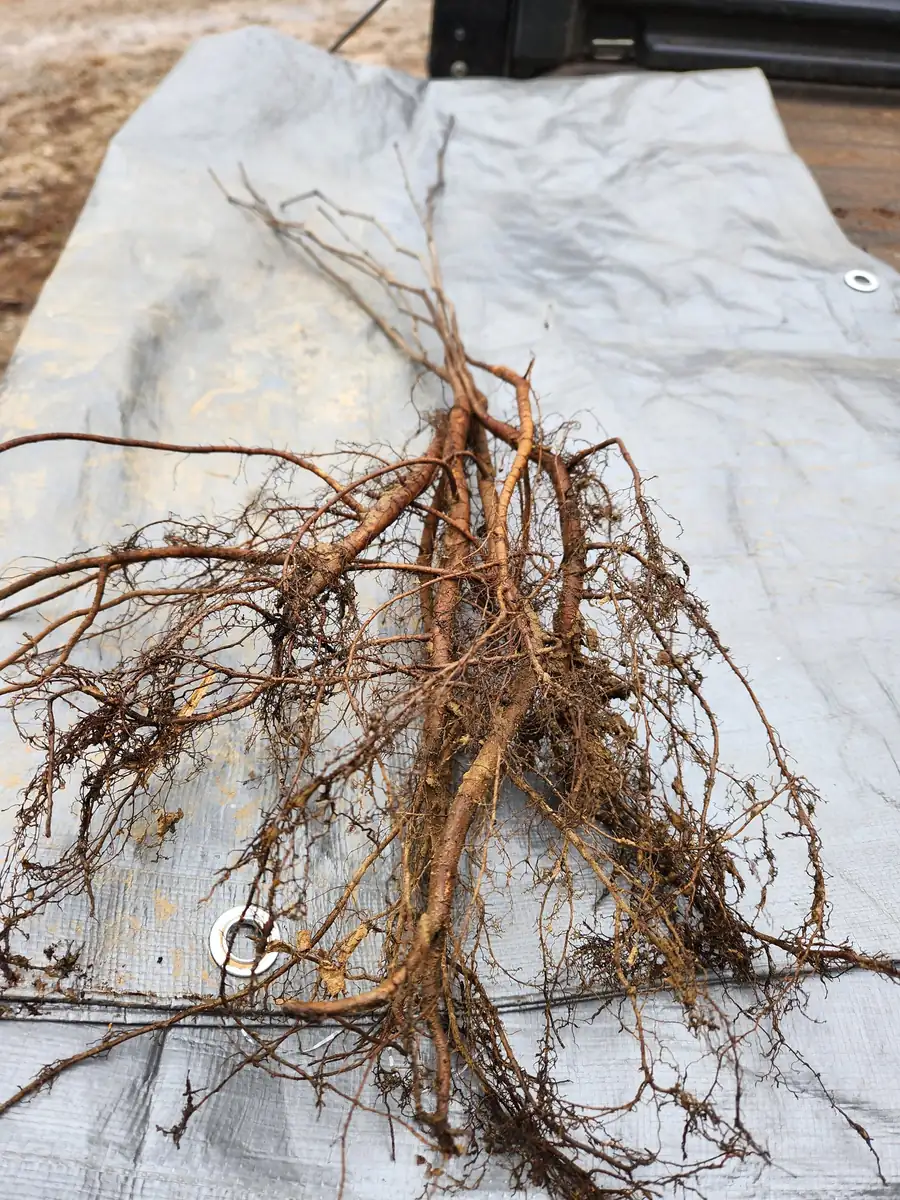
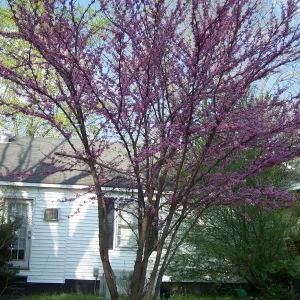
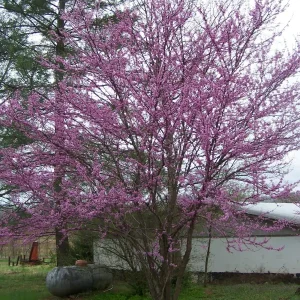
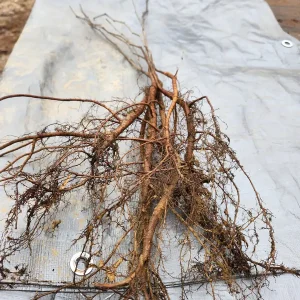
Transform your outdoor space with this exquisite offering of redbud trees bare root. Each purchase includes five healthy Cercis Canadensis plants, also known as Eastern Redbud, shipped in their dormant, bare root state. These young trees, typically 6-12 inches in height upon arrival, are ready to be planted and establish themselves, promising years of vibrant beauty. The Eastern Redbud is celebrated for its breathtaking display of rosy-pink to purple flowers that emerge in early spring, often before the leaves appear, creating a spectacular floral show. Following the blossoms, heart-shaped green leaves develop, providing lush foliage throughout the growing season. This small, graceful tree is a beloved native species across much of North America, making it an excellent choice for a variety of landscape designs and a cornerstone for any gardener looking to add significant aesthetic value and ecological benefit.
The Cercis Canadensis is a versatile and relatively low-maintenance tree that adapts well to various soil conditions and sun exposures, making it suitable for both experienced and novice gardeners. Its distinctive branching pattern and moderate size make it perfect for use as a specimen tree, in groupings, or as an understory tree in woodland settings. The bare root format ensures a robust start, as these plants focus their energy on root development once planted, leading to stronger, healthier growth. Embrace the charm and natural beauty of the Eastern Redbud and watch your garden come alive each spring with its characteristic blooms.
Key Benefits
Investing in redbud trees bare root provides numerous advantages for your landscape and local ecosystem. These trees are not only visually appealing but also contribute significantly to biodiversity and garden health.
- Stunning Spring Blooms: The primary draw of the Eastern Redbud is its profusion of pea-like, rosy-pink to purplish flowers that cover the branches in early spring. This early season color provides a crucial nectar source for pollinators when other plants are still dormant, making it a valuable addition to any pollinator garden.
- Attractive Foliage: Beyond the flowers, the heart-shaped, green leaves of the Cercis Canadensis provide a pleasant, dense canopy throughout the summer, turning a lovely yellow in fall for additional seasonal interest.
- Compact & Graceful Form: Growing to a mature height of 20-30 feet with a spread of 25-35 feet, these trees maintain a manageable size, making them suitable for smaller yards, urban landscapes, or under utility lines. Their spreading, flat-topped to rounded crown adds an elegant architectural element.
- Wildlife Friendly: The flowers attract bees and butterflies, while the seed pods that follow provide food for birds and small mammals, enhancing your garden’s ecological value.
- Adaptable & Hardy: Thriving in USDA Zones 4-9, the redbud tree care requirements are relatively straightforward. It tolerates a range of soil types and is quite resilient once established, making it a reliable choice for diverse climates.
- Versatile Landscape Use: Excellent as a standalone specimen, in a mixed shrub border, or in naturalized woodland gardens. Its ascending branches create an appealing visual structure even in winter.
- Drought Tolerance: Once established, the Eastern Redbud exhibits good drought tolerance, reducing the need for frequent watering during dry periods.
Plant Care & Growing Tips
Proper redbud tree care begins with correct planting and continues with consistent attention during its establishment phase. When your redbud trees bare root arrive, it’s crucial to plant them as soon as possible. Before planting, soak the bare roots in water for a few hours. Choose a site with full sun to partial shade; while it can tolerate some shade, more sun generally leads to better flowering. The ideal soil for Cercis Canadensis is well-draining, moist, and rich in organic matter. Avoid excessively wet or poorly drained areas, as this can lead to root rot. Dig a hole wide enough to accommodate the spread of the roots and deep enough so that the root collar (where the roots meet the stem) is level with or slightly above the soil surface. Gently spread the roots outwards as you backfill the hole with soil, tamping lightly to remove air pockets.
After planting, water thoroughly to settle the soil around the roots. During the first year, consistent moisture is vital for the establishment of your redbud trees bare root. Water regularly, especially during dry spells, ensuring the soil remains evenly moist but not waterlogged. Once established, the Eastern Redbud is relatively drought-tolerant. Fertilization is generally not necessary in the first year if planted in good soil; thereafter, a balanced, slow-release fertilizer can be applied in early spring if growth appears sluggish. Pruning should be done in late winter or early spring while the tree is dormant, focusing on removing dead, damaged, or crossing branches to maintain its attractive form and promote healthy growth. This helps ensure your planting redbud trees efforts result in a thriving, beautiful specimen for years to come.
Size & Details
This offering includes 5 Redbud Trees (Cercis Canadensis), shipped as bare root plants. Upon arrival, each plant will typically measure between 6-12 inches in height, representing young, vigorous specimens ready for planting. These trees are destined to become magnificent additions to your landscape, maturing to an impressive size within a few years. At full maturity, the Eastern Redbud will reach a height of approximately 20-30 feet, with a spreading crown that can extend 25-35 feet wide. This moderate size makes it an excellent choice for a variety of garden settings, from suburban yards to more expansive naturalized areas. The bare root format allows for easy handling and promotes strong root development once planted, facilitating robust growth.
The growth rate of the Cercis Canadensis is considered medium, meaning it will add about 12-24 inches of height per year under optimal conditions. The beautiful purple buds opening to rosy-pink flowers will typically appear in early spring, usually within 2-3 years after planting, depending on growing conditions and care. These trees are cold hardy and suitable for USDA Zones 4-9, making them adaptable to a wide range of climates across the US. When considering planting redbud trees, remember their mature dimensions to ensure adequate space for their beautiful, spreading form.
Frequently Asked Questions
- Q: How big do these Redbud trees get? A: These redbud trees bare root plants will grow into small to medium-sized trees, reaching a mature height of 20-30 feet and a spread of 25-35 feet. Their graceful, spreading crown makes them a lovely focal point.
- Q: What condition will the bare root plants arrive in? A: Your Cercis Canadensis plants will arrive in their dormant state, without soil around their roots. This is the ideal condition for bare root shipping, ensuring they are ready to establish themselves quickly once planted.
- Q: How much sunlight does the Eastern Redbud need? A: The Eastern Redbud thrives in full sun to partial shade. For the best flowering display, aim for at least 6 hours of direct sunlight per day. It can tolerate more shade, but flowering may be reduced.
- Q: Is this plant easy to care for? A: Yes, redbud tree care is relatively straightforward once established. They are quite adaptable and resilient, making them a good choice for both experienced and beginner gardeners. The most critical period is during the first year of establishment.
- Q: When is the best time to plant these bare root trees? A: The best time for planting redbud trees in bare root form is typically in early spring, as soon as the ground can be worked and before the tree breaks dormancy. This allows the roots to establish before the stress of summer heat.
- Q: What kind of soil is best for Redbud trees? A: Cercis Canadensis prefers well-draining, moist, fertile soil. It can tolerate a range of soil types, including clay, loam, and sand, as long as drainage is adequate. Avoid consistently wet or waterlogged conditions.
- Q: Will these Redbud trees survive winter in my zone? A: These redbud trees bare root plants are hardy in USDA Zones 4-9. If you are within these zones, they are well-suited to survive your winter conditions and return with beautiful blooms each spring.
- Q: How long until the trees start to bloom? A: Typically, your Eastern Redbud trees will begin to produce their characteristic rosy-pink flowers within 2-3 years after planting, provided they receive proper care and ideal growing conditions.
- Q: Can I plant these Redbud trees in a container? A: While it is possible to grow young Cercis Canadensis in a large container for a short period, they are ultimately meant to be planted in the ground due to their mature size and extensive root system.
- Q: Do I need to prune my Redbud tree? A: Light pruning can help maintain the shape of your redbud tree care and remove any dead, diseased, or crossing branches. The best time to prune is in late winter or early spring while the tree is dormant.


Reviews
There are no reviews yet.