Overview
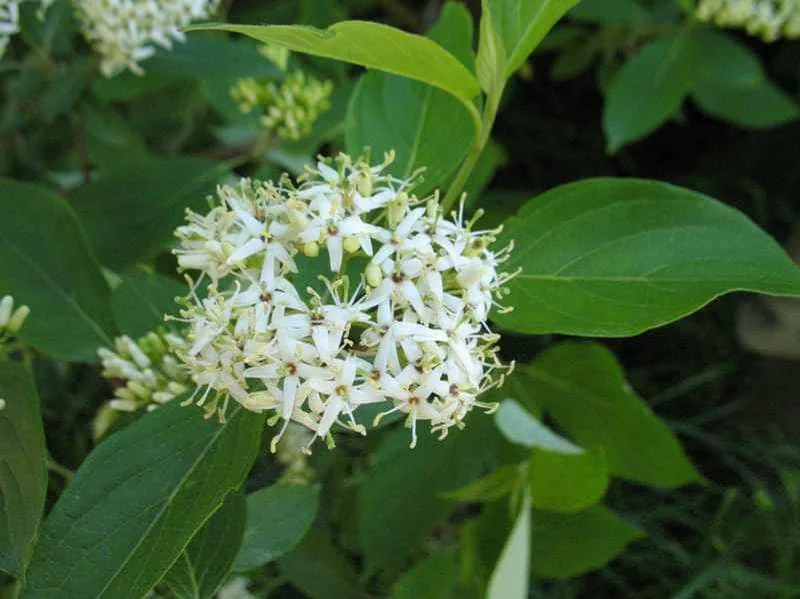
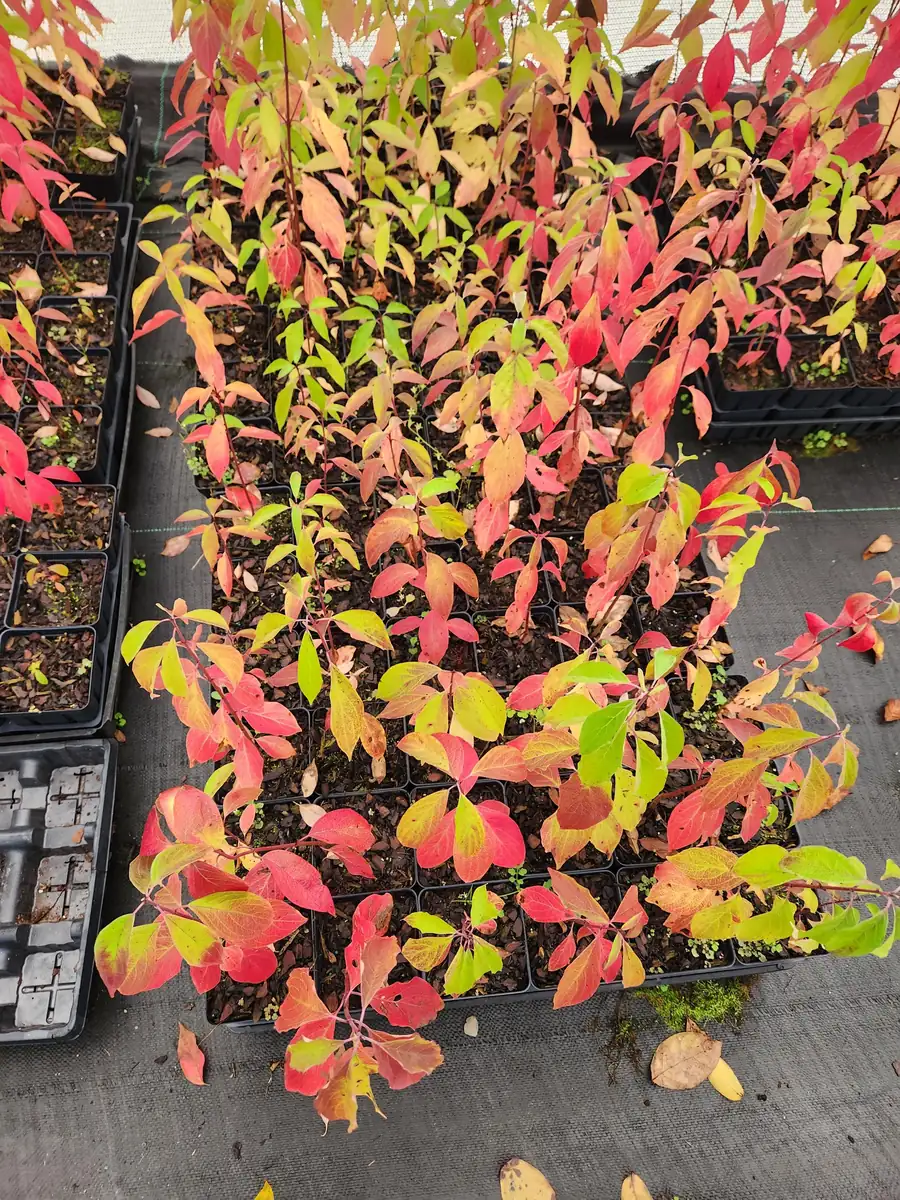
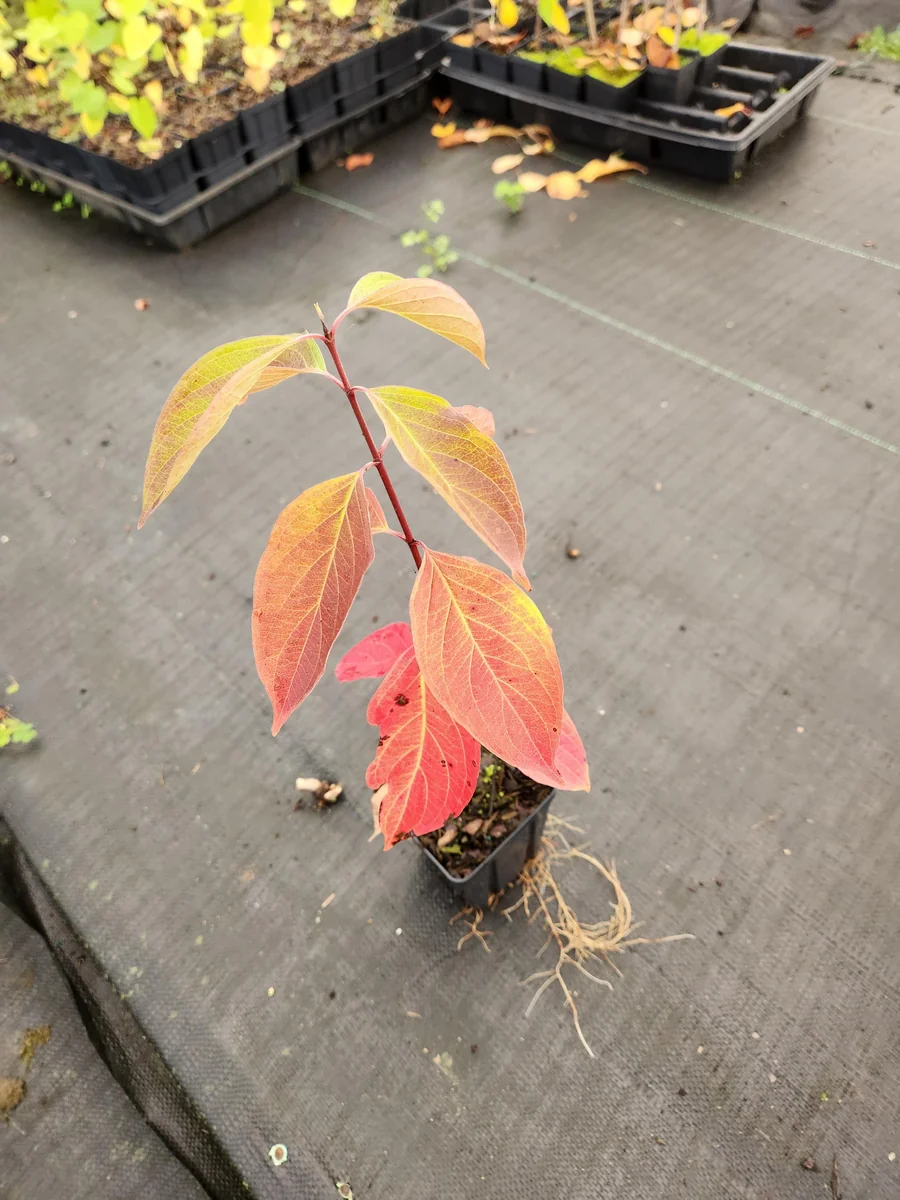
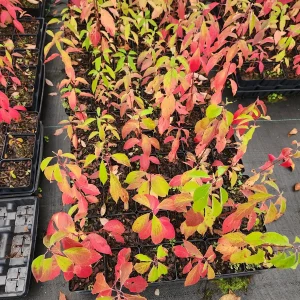
Introduce a touch of natural elegance to your garden with this stunning silky dogwood live plant (Cornus Amomum). A large to medium-sized native shrub, the Silky Dogwood is celebrated for its multi-season appeal. In spring, it bursts forth with delicate creamy white flowers, providing a soft contrast to its dark green foliage. As the seasons progress, its reddish stems become a prominent feature, culminating in a beautiful burgundy fall color that adds warmth and depth to any landscape. This resilient and adaptable shrub is an excellent choice for naturalizing projects, mass plantings, or as a vibrant addition to a shrub border, particularly thriving in moist sites. Its arching, mounded, and multi-stemmed growth habit creates an open, round, and thicket-forming structure, offering excellent habitat and visual interest year-round.
The silky dogwood shrub is not just a treat for the eyes; it’s also a vital component of local ecosystems, attracting pollinators and birds with its flowers and berries. Known for its moderate growth rate, this durable plant is well-suited for a wide range of garden styles, from formal to wild and untamed. Its ability to adapt to various conditions makes it a favorite among gardeners seeking both beauty and resilience. Whether you’re looking to create a dense border, a natural screen, or simply add a specimen plant with year-round interest, the Silky Dogwood is an exceptional choice that will provide lasting beauty and ecological benefits to your outdoor space.
Key Benefits
The silky dogwood live plant offers a multitude of benefits that make it an outstanding addition to any garden or landscape, providing beauty and ecological value throughout the year. Its diverse characteristics ensure it stands out in every season.
- Four-Season Appeal: Enjoy year-round interest with creamy white spring flowers, dark green summer foliage, distinctive reddish stems, and stunning burgundy fall color. This ensures your garden remains vibrant no matter the season.
- Native & Resilient: As a native shrub, the cornus amomum plant is perfectly adapted to local conditions, requiring less maintenance and being more resistant to regional pests and diseases. This makes it a sustainable choice for your garden.
- Wildlife Attractor: The flowers provide nectar for pollinators, and the berries are a valuable food source for various bird species, enhancing biodiversity in your garden. It creates a welcoming environment for local fauna.
- Versatile Landscaping: Ideal for naturalizing, mass plantings, or as a striking element in a shrub border. Its adaptability allows it to fit into diverse garden designs, especially in moist areas.
- Erosion Control: Its thicket-forming growth habit and extensive root system make it excellent for stabilizing soil in areas prone to erosion, especially along streambanks or slopes.
- Low Maintenance: Once established, this silky dogwood shrub is relatively easy to care for, tolerant of various conditions, and generally robust, making it suitable for both experienced and novice gardeners.
- Moderate Growth Rate: Achieves a mature size of up to 8 feet in height at a moderate pace, allowing for steady landscape development without becoming overwhelming too quickly.
Plant Care & Growing Tips
Caring for your silky dogwood live plant is straightforward, making it an excellent choice for gardeners of all skill levels. This adaptable shrub thrives in conditions that mimic its natural habitat. For optimal growth, plant your Silky Dogwood in a location that receives full sun to partial shade. While it can tolerate full sun, especially in cooler climates, a spot with some afternoon shade can be beneficial in hotter regions to protect it from intense heat. The key to a thriving Silky Dogwood is consistent moisture, particularly in its early years. It naturally prefers moist to wet soils, making it an excellent choice for rain gardens, pond edges, or areas with naturally high soil moisture. Ensure the soil is well-draining but retains enough moisture to keep the roots consistently damp.
When it comes to soil, the native dogwood plant is not overly particular but performs best in rich, organic, slightly acidic to neutral soils. Amend heavy clay or sandy soils with compost to improve structure and water retention. Water regularly, especially during dry spells, to maintain consistent soil moisture. Fertilization is typically not heavily required for established plants in good soil. If growth appears sluggish, a balanced, slow-release granular fertilizer applied in early spring can be beneficial. Pruning can be done in late winter or early spring to remove dead or damaged branches, maintain shape, or rejuvenate older plants by cutting back a third of the oldest stems to the ground. This encourages new, vibrant reddish stem growth, enhancing its winter appeal. This dogwood plant care routine will ensure a healthy and vigorous shrub.
The Silky Dogwood is hardy in USDA zones 4-8, demonstrating excellent cold tolerance. While generally robust, keep an eye out for common dogwood issues such as powdery mildew or leaf spot, especially in humid conditions. Good air circulation and proper watering techniques can help prevent these problems. Pests are rarely a major concern for this particular dogwood species. With proper placement and consistent care, your silky dogwood live plant will flourish, providing beauty and ecological benefits for many years.
Size & Details
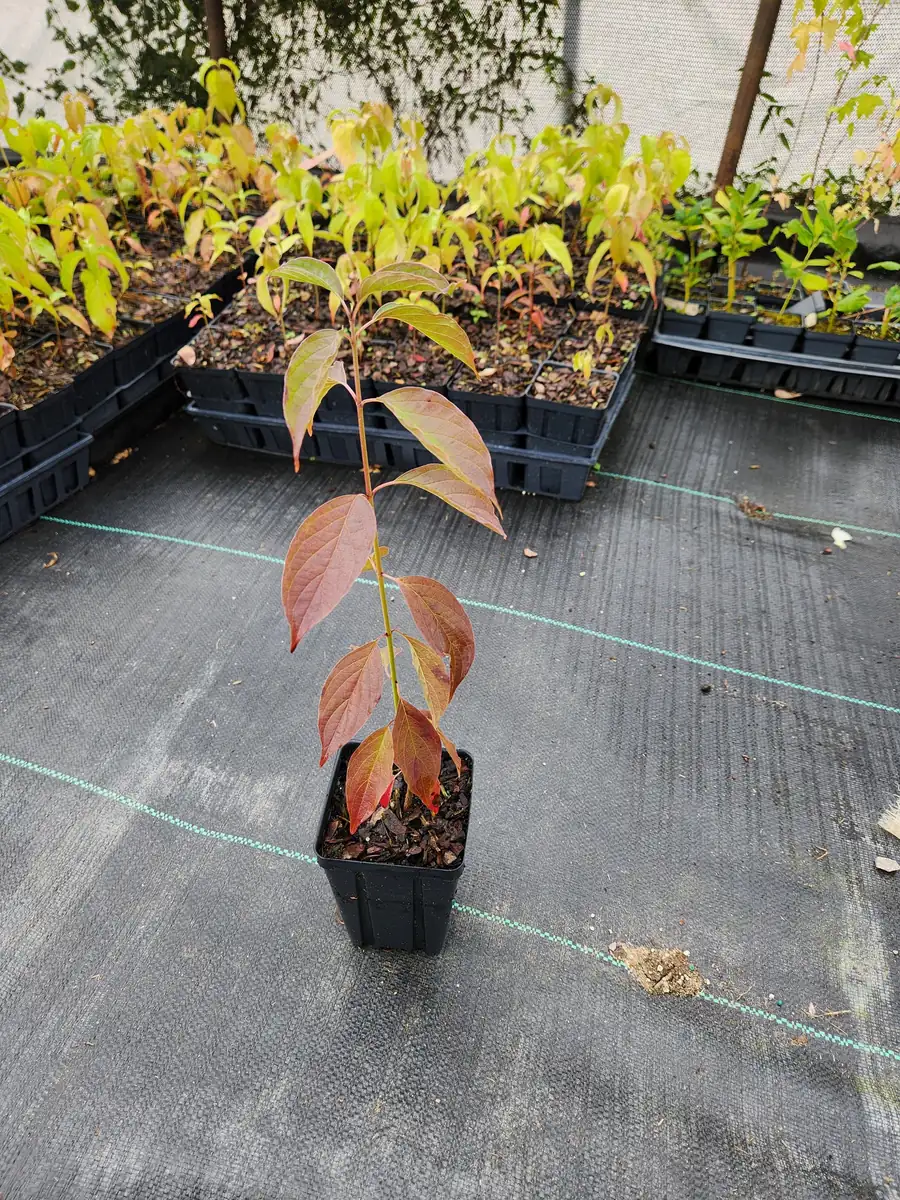
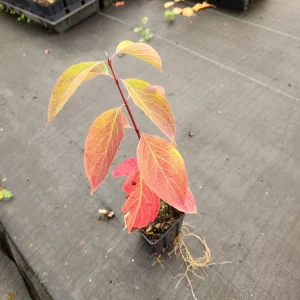
This silky dogwood live plant arrives ready to thrive, rooted in a 4-inch container and standing approximately 6 inches in height. This size is ideal for transplanting and establishing quickly in your garden. Upon maturity, the Silky Dogwood (Cornus Amomum) typically reaches a substantial size, generally growing to about 8 feet in height with a similar spread. Its arching, mounded, and multi-stemmed growth habit creates a full, rounded silhouette, making it an excellent specimen or a key component in a naturalized setting. The growth rate is moderate, allowing you to observe its development over time.
This plant is shipped as a young, actively growing specimen, ensuring it adapts well to its new environment. Its thicket-forming nature means it will gradually spread, creating a dense and attractive shrub border or natural screen. Expect to see significant growth within the first few seasons, with its full mature size typically achieved over several years, depending on growing conditions. The plant’s reddish stems are a particularly striking feature in late fall and winter, providing color when many other plants are dormant.
Frequently Asked Questions
- Q: How big does this silky dogwood live plant get? A: This Silky Dogwood (Cornus Amomum) typically grows to a mature height of about 8 feet with a similar spread, forming a large, multi-stemmed shrub.
- Q: What size pot does it come in? A: Your silky dogwood live plant will arrive rooted in a 4-inch container, with the plant itself standing approximately 6 inches tall, ready for planting.
- Q: Is this an indoor or outdoor plant? A: The Silky Dogwood is an outdoor plant, best suited for gardens and landscapes. It thrives in various outdoor conditions and is hardy in USDA zones 4-8.
- Q: How much sunlight does it need? A: This silky dogwood shrub prefers full sun to partial shade. In hotter climates, some afternoon shade can be beneficial to protect it from intense heat.
- Q: Is this plant easy to care for? A: Yes, the Silky Dogwood is known for its relatively easy care. Once established, it is quite resilient and requires minimal maintenance, especially when planted in suitable conditions.
- Q: What condition will it arrive in? A: Your plant will arrive as a healthy, actively growing specimen, carefully packaged to ensure its safe journey to your home.
- Q: When is the best time to plant a native dogwood plant? A: The best time to plant your Silky Dogwood is in spring or early fall, allowing the plant sufficient time to establish its root system before extreme temperatures.
- Q: Will it survive winter in my zone? A: The Silky Dogwood is hardy in USDA zones 4-8, meaning it is well-equipped to survive cold winter temperatures within this range.
- Q: What type of soil does this cornus amomum plant prefer? A: It prefers moist to wet, well-draining soils that are rich in organic matter. It tolerates a range of soil types but thrives in consistently damp conditions.
- Q: Does this plant have any special seasonal interest? A: Absolutely! It offers creamy white spring flowers, dark green summer foliage, vibrant reddish stems that stand out in fall and winter, and beautiful burgundy fall color.


Reviews
There are no reviews yet.