Overview
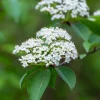
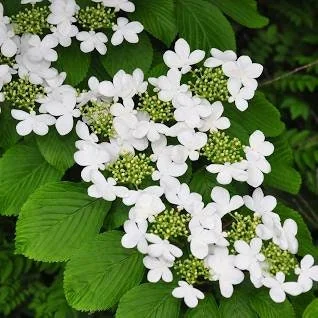
Introduce a touch of classic beauty to your garden with the magnificent Japanese Snowball Plant (Viburnum plicatum). This highly sought-after deciduous shrub is celebrated for its breathtaking clusters of pure white flowers that resemble large snowballs, hence its charming common name. Originating from East Asia, this particular variety is rooted in a 3-inch container, making it an ideal starter plant for gardeners looking to establish a stunning focal point or natural hedge. The Japanese Snowball Plant is a robust and resilient specimen, perfect for enhancing the aesthetic appeal of various garden settings. Its graceful, multi-stemmed form and vibrant green foliage provide year-round interest, culminating in a spectacular floral display from April to May. For those seeking a reliable and visually striking addition to their outdoor space, the Viburnum Plicatum offers unparalleled charm and beauty.
The white flowering shrub is not only admired for its ornamental value but also for its adaptability. It can grow into a dense, upright specimen, providing excellent privacy or a beautiful backdrop for other plants. Whether you are a seasoned gardener or just starting, this plant offers a rewarding experience with its relatively easy care and impressive growth. Invest in a Japanese Snowball Plant today and watch your garden transform into a springtime wonderland.
Key Benefits
The Japanese Snowball Plant offers a multitude of benefits that make it a superb choice for any garden. Its striking appearance and hardy nature contribute to a vibrant and low-maintenance landscape.
- Spectacular Spring Blooms: Enjoy an abundance of large, pure white, snowball-like flower clusters from April to May. These showy blooms create a dramatic visual impact, making the Japanese Snowball Plant a true garden highlight during spring.
- Attractive Deciduous Foliage: Beyond its flowers, the plant features lush, green, pleated leaves that provide a beautiful backdrop throughout the growing season. In autumn, the foliage often turns to attractive shades of red-purple, adding seasonal interest.
- Versatile Landscape Use: This shrub is highly versatile and can be used as a specimen plant, in mixed borders, as an informal hedge, or even in woodland gardens. Its dense growth habit also makes it effective for screening.
- Hardy and Adaptable: Thriving in USDA hardiness zones 5-8, the Viburnum Plicatum is known for its resilience to various environmental conditions, making it a reliable choice for many climates.
- Low Maintenance: Once established, the Japanese Snowball Plant requires minimal care, making it suitable for busy gardeners. It’s generally resistant to most pests and diseases, simplifying its upkeep.
- Pollinator Friendly: While the flowers are sterile, their abundance can still attract some beneficial insects to your garden, contributing to a healthy ecosystem.
- Excellent for Cut Flowers: The beautiful white flower clusters can be cut and brought indoors to create stunning floral arrangements, bringing the beauty of your garden inside.
Plant Care & Growing Tips
Proper care is essential for your Japanese Snowball Plant to thrive and produce its signature abundant blooms. These plants are relatively easy to care for, making them a great choice for various gardening skill levels. The first step in successful snowball bush care is selecting the right location. This shrub prefers a site that receives full sun to partial shade. Full sun (at least 6 hours of direct sunlight per day) will generally result in the most prolific flowering, while partial shade (2-4 hours of direct sun, especially afternoon shade in hotter climates) can help prevent leaf scorch in intense heat.
When it comes to watering, consistent moisture is key, especially during the first year after planting and during dry spells. The soil should be kept evenly moist but not waterlogged. Well-draining soil is crucial to prevent root rot. A good rule of thumb is to water deeply when the top inch or two of soil feels dry to the touch. For soil type, the Viburnum Plicatum prefers rich, well-draining, slightly acidic to neutral soil. Amending heavy clay soils with organic matter like compost can significantly improve drainage and fertility. Fertilize in early spring with a balanced slow-release granular fertilizer formulated for trees and shrubs. Avoid over-fertilizing, as this can lead to excessive foliage growth at the expense of flowers.
Pruning should be done after flowering to maintain shape and remove any dead or crossing branches. Avoid heavy pruning in late summer or fall, as this can remove the flower buds that form on old wood for the following spring. The deciduous viburnum is generally hardy in USDA zones 5-8. While mature plants are quite cold-tolerant, young plants may benefit from a layer of mulch around the base in colder regions to protect their root systems during winter. Keep an eye out for common pests like aphids or spider mites, which can usually be managed with insecticidal soap if caught early. Adequate air circulation also helps prevent fungal diseases.
Size & Details
This offering is for one Japanese Snowball Plant (Viburnum plicatum) rooted in a 3-inch container. At the time of shipping, the plant typically measures 8-12 inches in height, providing a robust young specimen ready for transplanting. While currently compact, this white flowering shrub has the potential to grow into a substantial size, reaching an impressive mature height of 8-15 feet with a spread of 10-18 feet. Its dense, upright, multi-stemmed habit contributes to its majestic presence in the landscape. The plant is shipped as a live, rooted plant, ensuring a strong start in your garden. Expect the spectacular white blooms to appear from April to May, transforming your garden with their iconic snowball clusters. With proper care, this deciduous viburnum will establish quickly and become a long-lasting feature of your outdoor space, providing years of seasonal beauty.
Frequently Asked Questions
- Q: How big does this plant get? A: The Japanese Snowball Plant can reach a mature height of 8-15 feet and a spread of 10-18 feet, forming a dense, upright shrub. Its size makes it suitable for various landscape uses.
- Q: What size pot does it come in? A: This plant is shipped rooted in a 3-inch container, with a typical height of 8-12 inches at the time of purchase, ready for transplanting into your garden.
- Q: Is this an indoor or outdoor plant? A: The Japanese Snowball Plant is an outdoor deciduous shrub. It is not suitable for indefinite indoor cultivation and requires outdoor conditions to thrive and bloom.
- Q: How much sunlight does it need? A: This plant performs best in full sun to partial shade. For the most abundant flowers, aim for at least 6 hours of direct sunlight daily. Partial shade is beneficial in hotter climates to protect foliage.
- Q: Is this plant easy to care for? A: Yes, the Viburnum Plicatum is considered relatively easy to care for once established. It requires consistent moisture, well-draining soil, and occasional pruning to maintain its shape and health.
- Q: What condition will it arrive in? A: Your Japanese Snowball Plant will arrive as a live, rooted plant in a 3-inch container, carefully packaged to ensure its health during transit. Planting instructions will be included.
- Q: When is the best time to plant? A: The best time to plant your Japanese Snowball Plant is in spring or early fall, allowing the plant sufficient time to establish its root system before extreme temperatures.
- Q: Will it survive winter in my zone? A: This deciduous viburnum is hardy in USDA zones 5-8. It is well-adapted to survive winter in these regions, though young plants may benefit from winter protection in the colder parts of its range.
- Q: How long until it blooms? A: Depending on when it was planted and its growing conditions, your Japanese Snowball Plant can start producing its characteristic white blooms as early as the first spring after planting, typically from April to May.
- Q: What is the best soil for this plant? A: The Japanese Snowball Plant prefers rich, well-draining soil that is slightly acidic to neutral. Amending the planting site with organic matter will help ensure optimal growth.


Reviews
There are no reviews yet.