Overview
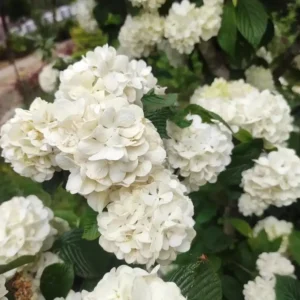
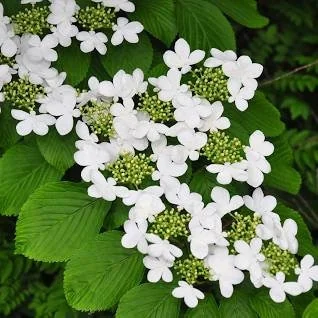
Introduce a touch of timeless beauty to your garden with the exquisite Japanese Snowball Plant, scientifically known as Viburnum Plicatum. This offering is for one robust Japanese Snowball Plant, rooted and thriving in a 3-inch container, ready for planting. Celebrated for its spectacular, large, spherical white flower clusters that resemble snowballs, this deciduous shrub is a true garden classic. Originating from Japan and China, Viburnum Plicatum is highly prized for its ornamental value, bringing a dramatic display of blooms in spring and early summer. It’s an ideal choice for gardeners looking to create a stunning focal point or add elegant structure to their landscape. The plant you receive will be 8-12 inches in height, ensuring a healthy start for establishment in your garden.
The Japanese Snowball Plant is a versatile and resilient shrub, known for its dense, upright, multi-stemmed growth habit. Its distinctive tiered branching creates an architectural interest even when not in bloom. As a deciduous plant, it sheds its leaves in the fall, often after putting on a show of reddish-purple autumn foliage, adding another layer of seasonal appeal. This particular variety, Viburnum Plicatum, is a popular choice for its hardiness and ease of care, making it suitable for both experienced and novice gardeners.
Key Benefits
The Japanese Snowball Plant offers numerous advantages that make it a superb addition to any garden. Its captivating beauty and robust nature provide continuous enjoyment throughout the seasons.
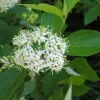
- Spectacular Blooms: Enjoy a breathtaking display of large, pure white, spherical flower clusters that truly resemble snowballs. These blooms appear in April to May, transforming your garden into a serene, elegant sanctuary. The abundant flowers are a highlight of spring.
- Architectural Form: This shrub features a dense, upright, multi-stemmed, deciduous growth habit with distinctive tiered branching. This creates significant visual interest and structure in the landscape, even when the plant is not in flower.
- Versatile Landscaping: Perfect for use as a specimen plant, in mixed shrub borders, as an informal hedge, or even in woodland gardens. Its adaptable nature makes it suitable for various garden locations and designs, enhancing curb appeal.
- Seasonal Interest: Beyond its stunning spring flowers, the Japanese Snowball Plant also offers attractive green foliage throughout the summer, which often turns to beautiful shades of reddish-purple in the fall, providing multi-seasonal appeal.
- Hardy and Resilient: Thriving in USDA hardiness zones 5-8, this plant is known for its robust nature and ability to withstand a range of environmental conditions. This makes it a reliable choice for many regions, requiring less intensive care.
- Attracts Pollinators: While the flowers are sterile, the overall presence of a large, flowering shrub can still contribute to the biodiversity of your garden, offering shelter and visual appeal that supports a healthy ecosystem.
- Low Maintenance: Once established, the deciduous viburnum requires minimal care, making it a great option for gardeners who prefer an attractive plant without constant attention. Its natural growth habit often requires little pruning.
Plant Care & Growing Tips
Caring for your Japanese Snowball Plant (Viburnum Plicatum) is relatively straightforward, ensuring it thrives and produces its beloved ‘snowball’ blooms. This plant prefers a location that receives full sun to partial shade. For optimal flowering, aim for at least 6 hours of direct sunlight per day, though it will tolerate some afternoon shade, especially in hotter climates, which can help prevent leaf scorch. Ensure the planting site has well-draining soil. While adaptable to various soil types, a rich, moist, loamy soil with a neutral to slightly acidic pH is ideal. Avoid heavy clay soils that retain too much water, as this can lead to root rot.
Water your white flowering shrub regularly, especially during dry periods and its first growing season, to help establish a strong root system. The soil should remain consistently moist but not waterlogged. Once established, it becomes more drought-tolerant but will benefit from supplemental watering during prolonged dry spells. Fertilize in early spring with a balanced, slow-release granular fertilizer formulated for trees and shrubs. Follow the product instructions for application rates. Pruning is best done after flowering to maintain shape and remove any dead or crossing branches. Avoid heavy pruning in late summer or fall, as this can remove next year’s flower buds. The plant is hardy in USDA zones 5-8, meaning it can withstand winter temperatures down to -20°F (-29°C).
To ensure healthy growth and prevent potential issues, monitor your snowball bush care routine. While generally robust, Viburnum Plicatum can occasionally be susceptible to aphids or viburnum leaf beetle. Inspect leaves regularly for signs of pests and treat promptly with appropriate organic or chemical controls if necessary. Proper air circulation and avoiding overhead watering can help prevent fungal diseases. With consistent care, your deciduous viburnum will flourish, providing years of beautiful blooms and landscape interest.
Size & Details
This offering includes one vibrant Japanese Snowball Plant (Viburnum Plicatum), carefully rooted in a 3-inch container. Upon arrival, the plant will measure approximately 8-12 inches in height, providing a robust young specimen ready for transplanting into your garden. At maturity, this magnificent shrub can reach an impressive size, typically growing 8-15 feet in height with a spread of 10-18 feet. Its vigorous growth rate ensures it will quickly establish and begin to fill out your chosen space.
The plant blooms prolifically from April to May, showcasing its iconic white, snowball-like flower clusters. It is a dense, upright, multi-stemmed deciduous shrub, offering excellent structure and visual appeal throughout the growing season and into the fall with its attractive foliage. This particular variety is well-suited for a wide range of garden locations, thriving in USDA hardiness zones 5-8. Your plant will be shipped securely, ensuring it arrives in excellent condition, ready to be planted and enjoyed. Detailed planting instructions will be included with your purchase, guiding you through the successful establishment of your new white flowering shrub.
Frequently Asked Questions
- Q: How big does this Japanese Snowball Plant get at maturity? A: The Japanese Snowball Plant (Viburnum Plicatum) can grow to a mature height of 8-15 feet with a spread of 10-18 feet. It’s a substantial shrub that makes a great focal point.
- Q: What size pot does it come in? A: This Japanese Snowball Plant is shipped rooted in a 3-inch container, and the plant itself will be approximately 8-12 inches tall upon arrival.
- Q: Is this an indoor or outdoor plant? A: The Japanese Snowball Plant is an outdoor deciduous shrub, best suited for garden locations where it can grow to its full mature size and receive appropriate sunlight.
- Q: How much sunlight does it need? A: This deciduous viburnum thrives in full sun to partial shade. For the best flowering display, aim for at least 6 hours of direct sunlight daily.
- Q: Is this plant easy to care for? A: Yes, the Japanese Snowball Plant is generally considered low-maintenance once established. It’s hardy and adaptable, making snowball bush care relatively easy for most gardeners.
- Q: What condition will it arrive in? A: Your plant will arrive healthy and securely packaged in its 3-inch container, ready for planting. We take great care to ensure safe transit.
- Q: When is the best time to plant this shrub? A: The best time to plant your Japanese Snowball Plant is typically in spring or fall when temperatures are moderate. This allows the plant to establish its root system before extreme weather.
- Q: Will it survive winter in my zone? A: This plant is hardy in USDA zones 5-8, meaning it is well-equipped to survive winter temperatures within this range.
- Q: What type of soil does it prefer? A: The white flowering shrub prefers well-draining, moist, fertile soil. It can tolerate a range of soil types but thrives in loamy soil with a neutral to slightly acidic pH.
- Q: How frequently should I water my Japanese Snowball Plant? A: Water regularly, especially during its first year, to keep the soil consistently moist but not waterlogged. Established plants are more drought-tolerant but benefit from watering during dry spells.


Reviews
There are no reviews yet.