Overview
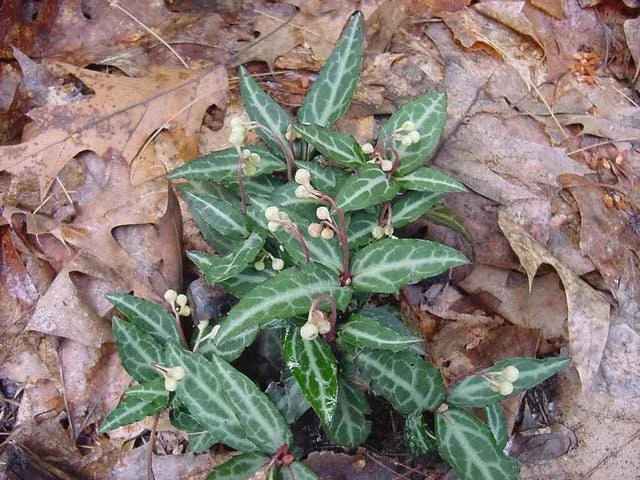
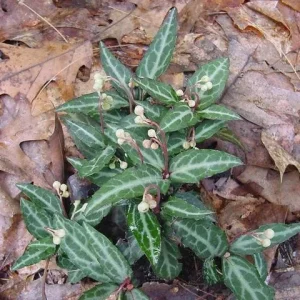
Transform your garden landscape with these exquisite wintergreen plants live. This offering includes 20 individual Chimaphila Maculata plants, a species celebrated for its striking variegated foliage and robust growth habit. Also known by charming common names such as spotted wintergreen groundcover, striped wintergreen, prince’s pine, and pipsissewa, this plant is a true jewel for any shaded garden. Its unique appearance and ability to thrive in specific conditions make it a sought-after choice for gardeners looking to add year-round interest and natural elegance. These plants are live specimens, ready to be integrated into your outdoor spaces, providing immediate visual impact and long-term beauty.
The botanical name, Chimaphila Maculata, refers to its distinctive spotted leaves, which remain evergreen throughout the year, offering continuous color even in colder months. These plants develop a stoloniferous root system, meaning they spread by sending out runners, which makes them an excellent choice for creating a dense, natural groundcover. Their dwarf, spreading habit ensures they won’t overpower other plants in your garden, but rather complement them with a verdant carpet. Perfect for woodland gardens, shaded borders, or under trees, wintergreen plants live are a fantastic addition for both aesthetic appeal and ecological benefit, providing habitat and cover for small wildlife.
Key Benefits
Integrating wintergreen plants live into your garden offers a multitude of advantages, enhancing both the beauty and ecological value of your outdoor space. These plants are not only visually appealing but also incredibly functional.
- Exceptional Groundcover: The stoloniferous root system and dwarf spreading habit of spotted wintergreen groundcover make it an ideal choice for covering bare ground. It suppresses weeds naturally and creates a lush, evergreen carpet, reducing the need for constant maintenance.
- Year-Round Interest: Unlike many deciduous plants, Chimaphila Maculata retains its beautiful variegated foliage throughout the year, providing continuous color and texture in your garden, even during winter.
- Low Maintenance: Once established, these wintergreen plants live require minimal care. They are resilient and tolerant of various conditions, making them perfect for gardeners seeking beauty without constant effort.
- Shade Loving: Thriving in partial to full shade, these plants are perfect for those difficult-to-fill spots under trees or on the north side of buildings where other plants struggle.
- Unique Foliage: The distinctive spotted leaves, a hallmark of chimaphila maculata care, add an exotic and elegant touch to any garden design, serving as a focal point or a beautiful backdrop.
- Erosion Control: Their spreading root system helps to stabilize soil on slopes and prevents erosion, making them a practical choice for challenging garden areas.
- Ecological Value: As a native plant in many regions, prince’s pine for gardens contributes to local biodiversity, supporting pollinators and other wildlife.
Plant Care & Growing Tips
Caring for your wintergreen plants live (Chimaphila Maculata) is relatively straightforward, especially when you understand their specific needs. These plants are known for their resilience, but providing the right conditions will ensure they thrive and spread beautifully. Understanding proper chimaphila maculata care is key to a successful groundcover.
Sunlight Requirements: Spotted wintergreen prefers partial to full shade. In their natural woodland habitat, they grow under the canopy of trees, receiving dappled sunlight. Avoid direct, intense afternoon sun, which can scorch their delicate leaves. A location that receives morning sun and afternoon shade, or filtered light throughout the day, is ideal. Too much shade, however, can lead to sparse growth, so aim for a balance.
Watering Schedule and Soil Moisture: These plants prefer consistently moist, but not waterlogged, soil. Water regularly, especially during dry spells and in their first year of establishment. Once established, they are somewhat drought-tolerant but will perform best with consistent moisture. Check the soil moisture by feeling the top inch; if it’s dry, it’s time to water. Good drainage is crucial to prevent root rot.
Soil Type and Drainage Requirements: Spotted wintergreen groundcover thrives in well-draining, acidic to neutral soil, rich in organic matter. A sandy-loam soil amended with compost or leaf mold is excellent. Mimicking their native woodland soil composition is beneficial. Ensure the planting site has good drainage to prevent water from sitting around the roots, which can be detrimental to the plant’s health. Heavy clay soils should be amended with grit and organic matter to improve drainage.
Temperature Range and USDA Hardiness Zone: These plants are hardy in USDA zones 6-7, as indicated. They are well-adapted to temperate climates and can tolerate cold winter temperatures within these zones. Protection from extreme winter winds might be beneficial in the colder parts of their range. They prefer cooler summer temperatures and can struggle in very hot, humid climates.
Fertilization Schedule and Type: Chimaphila Maculata typically does not require heavy fertilization. If your soil is poor, a light application of a balanced, slow-release granular fertilizer formulated for acid-loving plants can be applied in early spring. Alternatively, top-dressing with compost or leaf mold provides a natural, slow release of nutrients and improves soil structure. Avoid over-fertilizing, which can harm the plant.
Common Problems and Solutions: These are generally resilient plants, but they can occasionally face issues. The most common problem is root rot due to poor drainage. Ensure your soil is well-draining. Pests are rarely a significant problem. Yellowing leaves can indicate either too much sun, nutrient deficiency, or overwatering. Adjust conditions accordingly. Understanding these aspects of chimaphila maculata care will help maintain healthy, vigorous plants.
Size & Details
This offering includes 20 Wintergreen Plants (Chimaphila Maculata), provided as live plants, ready for immediate planting. Each plant is carefully prepared for shipping to ensure it arrives in the best possible condition, complete with planting instructions to guide you. These plants are naturally dwarf, typically reaching a height of 4 to 8 inches (10-20 cm) and spreading outwards through their stoloniferous root system to form a dense groundcover. The spread can vary depending on growing conditions but can create patches several feet wide over time. They are best suited for areas where their spreading habit is desired, such as under deciduous trees or along shaded pathways.
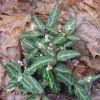
The growth rate of prince’s pine for gardens is moderate, allowing them to establish and spread effectively without becoming overly aggressive. The plants are shipped in a manner that protects their delicate root systems, ensuring a smooth transition to your garden. While they don’t produce showy flowers, their evergreen, variegated leaves provide continuous visual interest. They are a long-lived perennial, offering years of beauty and groundcover once established. The distinctive leaf patterns, featuring dark green with a lighter midrib, are a key characteristic of this beautiful species, making pipsissewa plant benefits extend beyond just groundcover to unique ornamental appeal.
Frequently Asked Questions
- Q: How big do these wintergreen plants live get? A: Chimaphila Maculata typically grows to a height of 4 to 8 inches (10-20 cm). They have a dwarf, spreading habit, forming a dense groundcover through their stoloniferous root system rather than growing tall.
- Q: Are these an indoor or outdoor plant? A: These wintergreen plants live are primarily outdoor plants, native to woodland environments. They thrive in partial to full shade in garden settings within their recommended USDA hardiness zones.
- Q: How much sunlight does spotted wintergreen groundcover need? A: They prefer partial to full shade. Dappled sunlight or morning sun with afternoon shade is ideal. Avoid direct, intense afternoon sun, which can damage their foliage.
- Q: Is this plant easy to care for? A: Yes, once established, these plants are relatively low maintenance. They require consistently moist, well-draining soil and protection from harsh sun. Following basic chimaphila maculata care guidelines will ensure their success.
- Q: What condition will the prince’s pine for gardens arrive in? A: The 20 plants will arrive as live, healthy specimens, carefully packaged to protect their roots and foliage during transit. Planting instructions will be included to assist with their successful establishment.
- Q: When is the best time to plant these wintergreens? A: The best time to plant is typically in spring or early fall, allowing the plants to establish their root systems before extreme summer heat or winter cold. However, with proper care, they can be planted throughout the growing season.
- Q: Will pipsissewa plant benefits include winter foliage? A: Absolutely! One of the key benefits of Chimaphila Maculata is its evergreen foliage. The distinctive spotted leaves remain vibrant throughout the winter, providing continuous color and interest in your garden.
- Q: What kind of soil is best for these plants? A: They prefer well-draining, acidic to neutral soil that is rich in organic matter. Amending your soil with compost or leaf mold will provide the ideal growing medium for these woodland plants.
- Q: Are these plants deer resistant? A: While no plant is entirely deer-proof, Chimaphila Maculata is generally considered to be deer resistant, making it a good choice for gardens in areas with deer populations.
- Q: Do these plants produce flowers? A: Yes, Chimaphila Maculata does produce small, nodding, waxy white to pinkish flowers in late spring to early summer. While not as showy as some flowering plants, they add a delicate charm to the evergreen foliage.


Reviews
There are no reviews yet.