
Overview
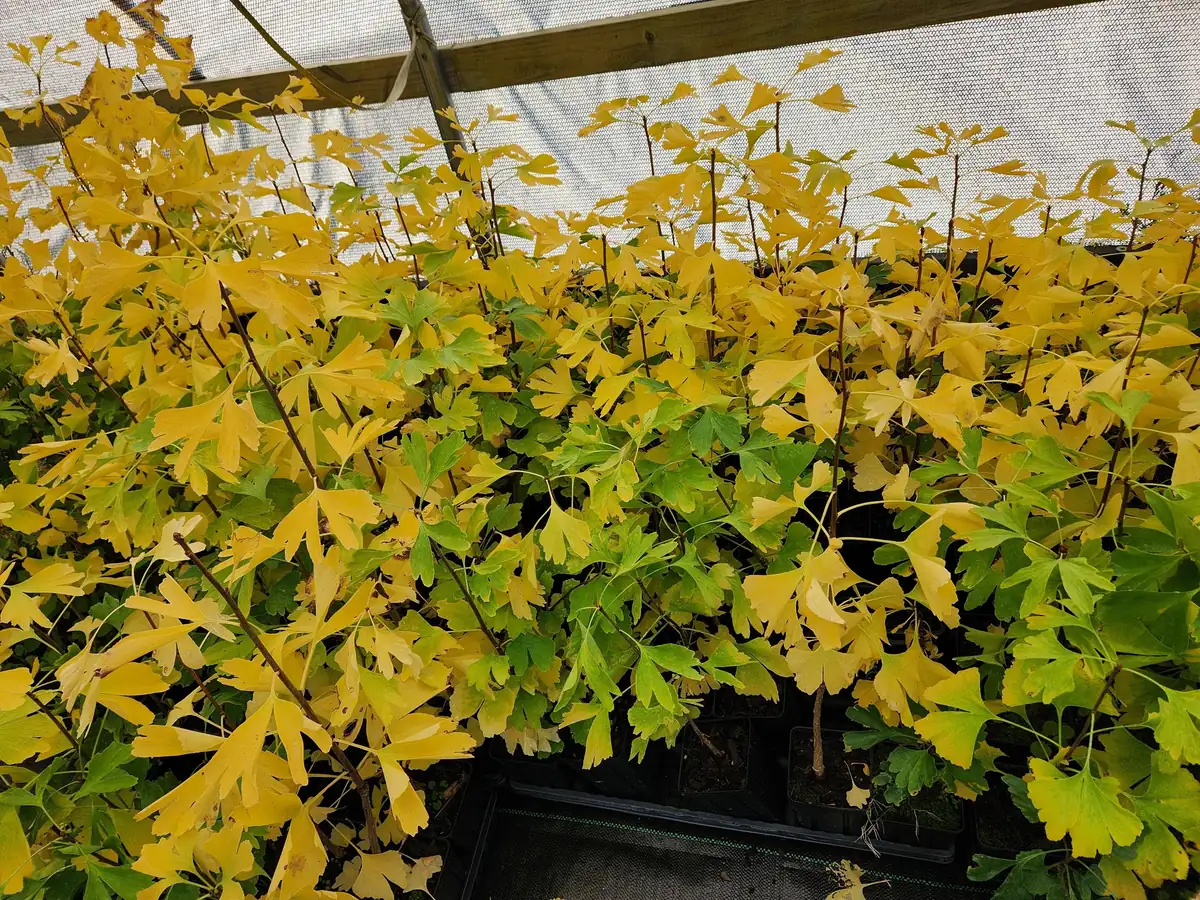
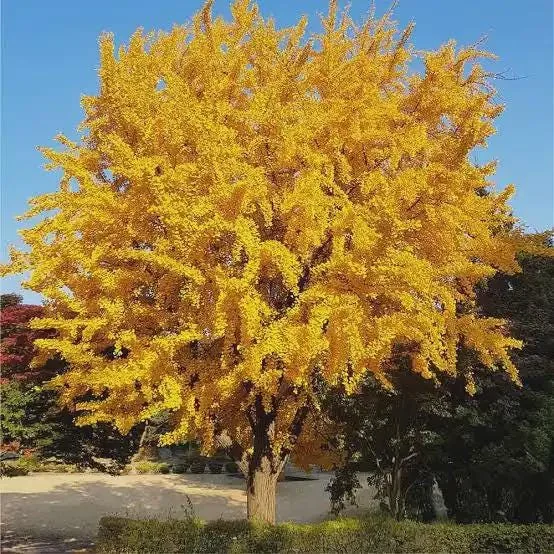
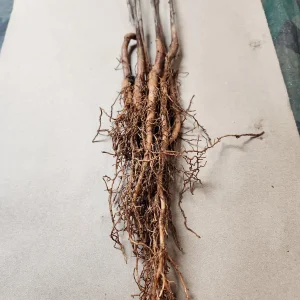
Transform your landscape with a collection of 5 Ginkgo Biloba trees, offered as robust bareroot specimens. Known as living fossils, Ginkgo trees (Ginkgo biloba) are celebrated for their unique fan-shaped leaves and exceptional resilience. These particular trees are 4-6 inches in height, ready to be planted and establish themselves in your garden. The Ginkgo is a truly remarkable deciduous tree, renowned for its striking bright green summer foliage that transitions into an absolutely brilliant, golden yellow in the fall, creating a spectacular display. Initially growing with a pyramidal outline, mature specimens develop a wide-spreading canopy with massive, picturesque branches, making them a focal point in any setting. This offering includes 5 Ginkgo Biloba trees, perfect for creating a memorable landscape feature or adding to a public area.
The Ginkgo Biloba trees are an excellent choice for a variety of landscapes, including urban environments where they tolerate pollution and confined spaces remarkably well. Their slow growth rate ensures a manageable development, eventually reaching an impressive size of 50-80 feet in height with a spread of 30-40 feet at maturity. These trees are hardy in USDA zones 3-8, making them suitable for a wide range of climates across the United States. Planting these bareroot Ginkgo specimens is an investment in long-term beauty and ecological benefit, providing shade, visual interest, and a unique botanical history to your property.
Key Benefits
The Ginkgo Biloba trees offer a multitude of advantages for any landscape, blending aesthetic appeal with practical resilience. These trees are not just plants; they are living testaments to enduring beauty and adaptability.
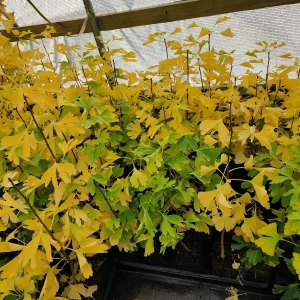
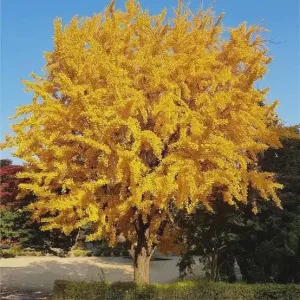
- Spectacular Fall Foliage: The most iconic feature of the Ginkgo Biloba trees is their breathtaking fall color. The bright green leaves of summer transform into an intense, luminous golden yellow, creating a stunning visual impact that stands out in any garden or streetscape. This vibrant display is a highlight of the autumn season.
- Exceptional Hardiness: These trees thrive in USDA zones 3-8, demonstrating remarkable cold hardiness and adaptability to various environmental conditions. They are known for their ability to withstand urban pollution, making them ideal for city planting.
- Unique Leaf Structure: The distinctive fan-shaped leaves are unlike any other, offering a unique texture and form throughout the growing season. This ancient leaf design adds an element of botanical intrigue and elegance.
- Long-Lived & Low Maintenance: Ginkgo trees are incredibly long-lived, often surviving for hundreds, even thousands, of years. Once established, they require minimal care, making them a great choice for those seeking a majestic yet easy-to-maintain tree.
- Disease and Pest Resistance: Ginkgo Biloba trees are notably resistant to most common diseases and insect pests, reducing the need for constant monitoring and chemical treatments. This natural resilience contributes to their low-maintenance profile.
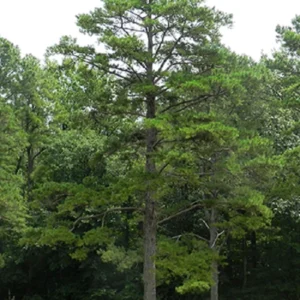
- Architectural Form: While young, Ginkgos typically exhibit a pleasing pyramidal shape. As they mature, they develop a wide-spreading, picturesque habit with strong, massive branches that provide excellent shade and a commanding presence in the landscape.
Plant Care & Growing Tips
Caring for your Ginkgo Biloba trees, especially when starting with bareroot specimens, is straightforward and rewarding. These resilient trees are relatively low-maintenance once established, but proper initial care ensures strong growth. For a successful planting, consider the following guidelines to ensure your Ginkgo tree care routine is effective.
Sunlight & Watering: Ginkgo trees prefer full sun to partial shade, meaning they should receive at least 6 hours of direct sunlight per day for optimal growth and fall color. When planting bareroot trees, it’s crucial to keep the roots moist until planting. After planting, water regularly and deeply, especially during dry periods in the first few years, to help establish a strong root system. Once established, Ginkgos are quite drought-tolerant. Ensure the soil is consistently moist but not waterlogged.
Soil & Fertilization: Ginkgo Biloba trees are highly adaptable to a variety of soil types, but they thrive best in well-draining soil. They can tolerate sandy, loamy, or clay soils, as long as drainage is adequate. Amend heavy clay soils with organic matter to improve drainage and aeration. Fertilization is generally not necessary in the first year after planting bareroot trees. Once established, a balanced, slow-release fertilizer can be applied in early spring, following product instructions, to promote vigorous growth. Avoid over-fertilizing, which can harm the tree.
Hardiness & Pruning: These trees are remarkably hardy, suitable for USDA zones 3-8. They are tolerant of cold winters and hot summers. Minimal pruning is required for Ginkgo trees. Focus on removing any dead, damaged, or crossing branches to maintain a healthy structure. Pruning is best done in late winter or early spring before new growth begins. For aesthetic purposes, you can shape the tree, but its natural form is quite attractive. Understanding Ginkgo planting guide recommendations will help ensure these trees reach their full potential.
Size & Details
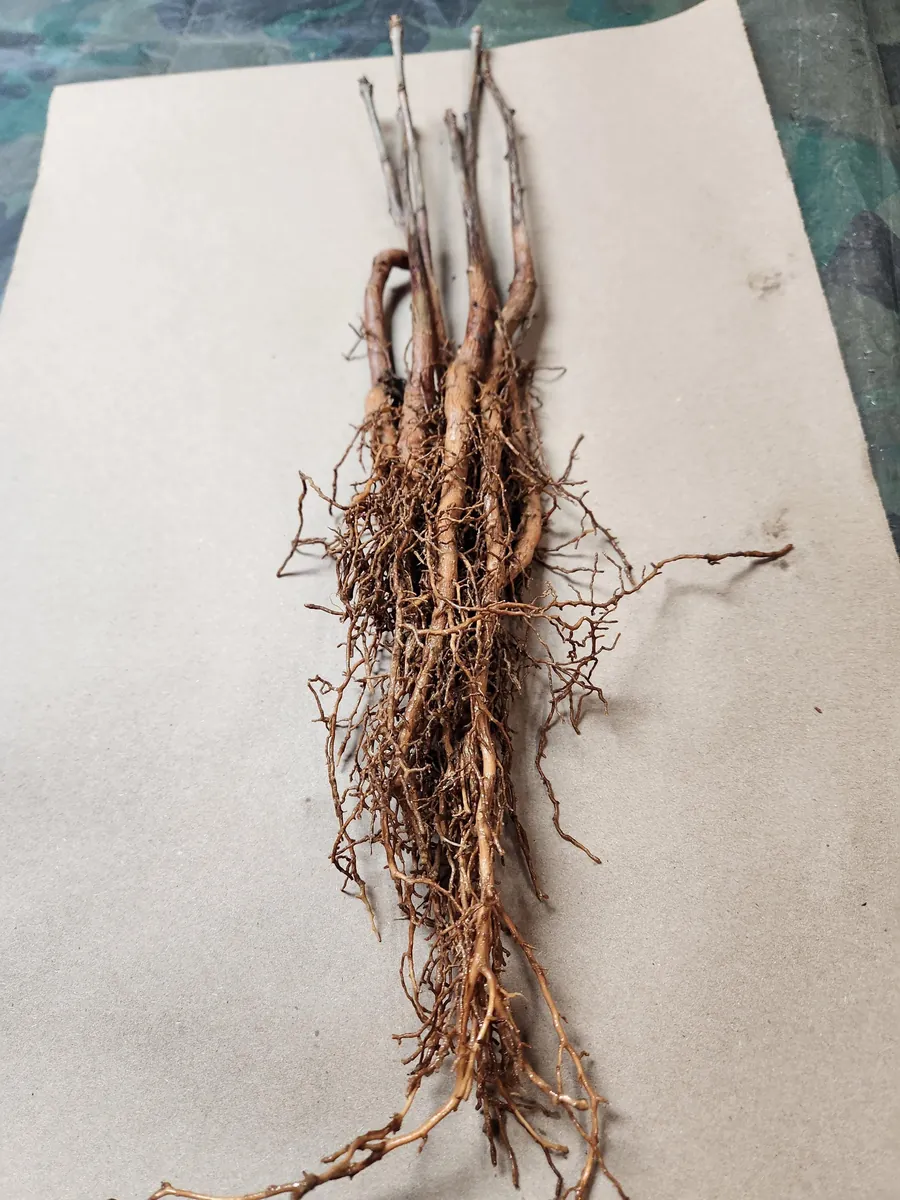
This offering includes 5 Ginkgo Biloba trees, each measuring approximately 4-6 inches in height. These are supplied as bareroot specimens, meaning they are dormant deciduous plants without soil around their roots, ready for immediate planting upon arrival. When mature, these magnificent trees can reach an impressive height of 50-80 feet with a substantial spread of 30-40 feet, providing significant shade and a grand presence in your landscape. Their growth rate is considered slow, allowing for controlled development over many years. They are robust and long-lived, promising decades of beauty.
The bareroot Ginkgo format allows for easy shipping and planting, offering a cost-effective way to acquire multiple trees. These trees are hardy in USDA zones 3-8, making them suitable for a wide range of climates. Their mature form typically starts as pyramidal in youth, gradually evolving into a wide-spreading silhouette with age. With proper care and establishment, you can expect these trees to become a cherished and enduring part of your outdoor environment, showcasing their unique foliage and impressive stature for generations.
Frequently Asked Questions
- Q: How big do these Ginkgo Biloba trees get at maturity? A: These Ginkgo Biloba trees can grow to an impressive height of 50-80 feet and have a spread of 30-40 feet at maturity. Their growth rate is slow, allowing them to develop into majestic specimens over time.
- Q: Are these suitable for planting in urban areas? A: Yes, Ginkgo trees are an excellent choice for urban settings. They are highly tolerant of air pollution and can thrive in challenging city environments, making them perfect for street trees or public parks.
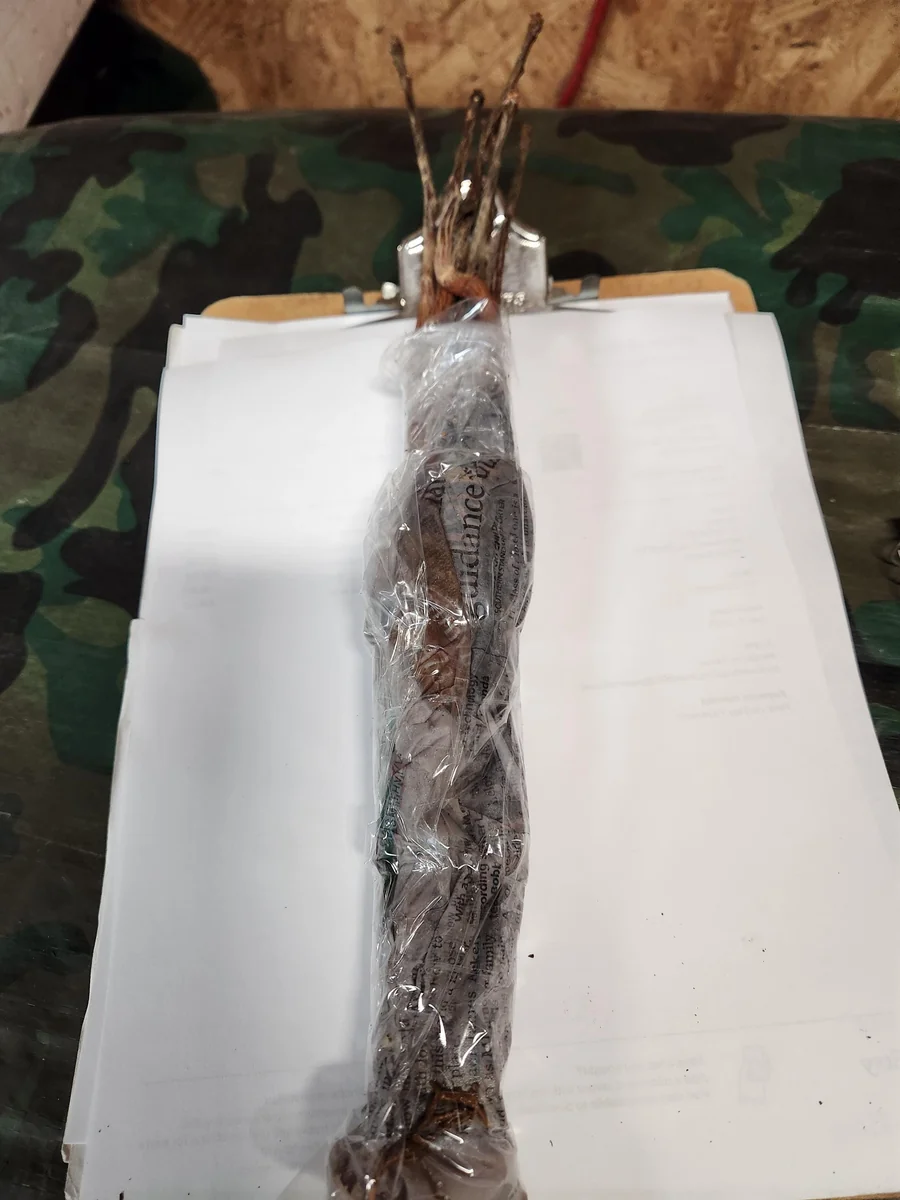
- Q: What condition will the trees arrive in? A: The trees will arrive as bareroot Ginkgo specimens, meaning they will be dormant with their roots carefully packaged without soil. This is a common and effective way to ship deciduous trees for transplanting.
- Q: What is the best time to plant these bareroot Ginkgo trees? A: The ideal time for Ginkgo planting guide recommendations is typically in early spring, after the last hard frost and before the trees break dormancy. This allows them to establish their root system before the stress of summer heat.
- Q: How much sunlight do these trees need? A: Ginkgo Biloba trees perform best in full sun, receiving at least 6 hours of direct sunlight daily. They can tolerate partial shade, but full sun will promote stronger growth and more vibrant fall color.
- Q: What kind of soil is best for Ginkgo Biloba trees? A: Ginkgos are adaptable but prefer well-draining soil. They can grow in a variety of soil types, including sandy, loamy, or clay, as long as the drainage is good. Amending with organic matter can improve soil conditions.
- Q: Is there anything specific about Ginkgo tree care I should know for bareroot planting? A: When planting bareroot Ginkgo trees, ensure the roots are spread out in the planting hole and covered with soil to the same depth they grew previously. Water thoroughly after planting and keep the soil consistently moist for the first few years to encourage root development.
- Q: Will these trees produce fruit? A: Ginkgo trees are dioecious, meaning there are separate male and female trees. The female trees produce a fleshy, ill-smelling fruit. It is generally recommended to plant male cultivars in landscapes to avoid the fruit. These bareroot specimens are typically unsexed, so the sex is unknown.
- Q: What USDA hardiness zones are these Ginkgo trees suitable for? A: These Ginkgo Biloba trees are hardy in USDA zones 3 through 8, making them suitable for a wide range of climates across the United States.
- Q: How quickly do Ginkgo trees grow? A: Ginkgo trees have a slow growth rate, typically adding about 12-24 inches in height per year once established. This slow growth contributes to their strong structure and longevity.


Reviews
There are no reviews yet.