Overview
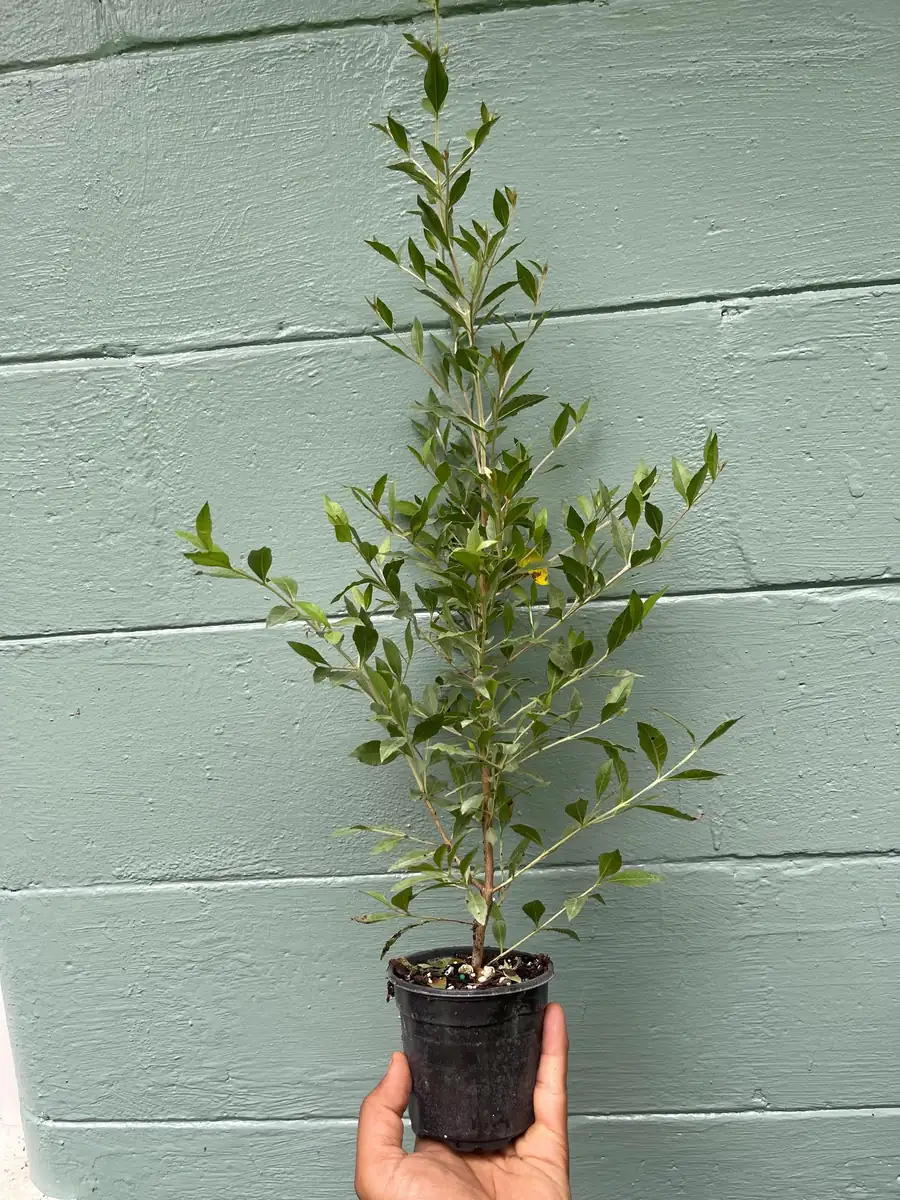
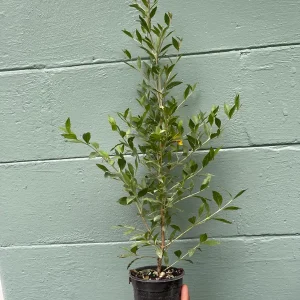
Introduce a touch of ancient tradition and natural beauty to your garden with this vibrant henna plant live, scientifically known as Lawsonia inermis. This sun-loving shrub is treasured for centuries for its unique properties as a natural dye, used in traditional body art (mehndi) and herbal care. Originating from warm, arid regions, this unique plant is both ornamental and practical, making it a perfect addition for herbalists, gardeners, and plant collectors alike. Our healthy 4-inch potted specimen provides a strong start for growing your own source of natural color and cultural heritage. Discover the joy of cultivating a plant with such a rich history and diverse applications.
Key Benefits
Growing a henna plant live offers a multitude of benefits, from its aesthetic appeal to its practical uses. This versatile shrub is not only beautiful but also provides a sustainable source for natural dyes and traditional remedies. It’s an excellent choice for those interested in ethnobotany or seeking drought-tolerant additions to their landscape.
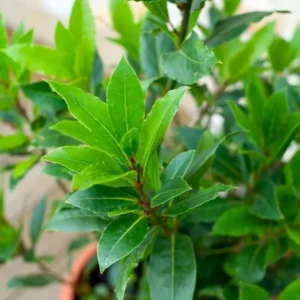
- Natural Dye Source: The glossy green leaves of the henna plant live are the primary source for creating natural henna dye, traditionally used for skin, hair, and fabrics. Cultivate your own supply for fresh, potent dye.
- Traditional & Herbal Uses: Beyond dye, Henna is steeped in cultural significance, used in traditional body art (mehndi) and various herbal applications across different cultures.
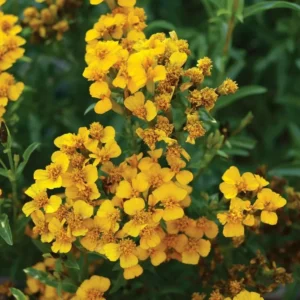
- Attracts Pollinators: The small, fragrant white to pinkish blooms of the lawsia inermis plant are a delightful addition to any garden, attracting beneficial pollinators like bees and butterflies, enhancing your garden’s ecosystem.
- Drought Tolerant: Once established, this shrub thrives in hot, dry climates and is remarkably drought-tolerant, making it an ideal choice for water-wise gardening and low-maintenance landscapes.
- Unique & Exotic Appeal: The natural dye plant is not commonly found in typical nurseries, offering a unique and exotic presence that distinguishes your plant collection. It adds a distinctive texture and history to your outdoor or indoor space.
- Versatile Growth: While it can reach 6–8 feet outdoors, the henna plant live is easily pruned for size and can be grown in containers indoors in cooler zones, offering flexibility for various growing environments.
- Ornamental Value: With its vibrant green foliage and delicate, fragrant flowers, the plant serves as an attractive ornamental shrub even when not being used for its dye properties.
Plant Care & Growing Tips
Caring for your henna plant live is relatively straightforward, especially if you provide it with the warm, sunny conditions it naturally prefers. Understanding its needs will ensure a healthy, thriving shrub capable of producing abundant leaves for dye.
The lawsia inermis plant thrives in full sun, requiring at least 6-8 hours of direct sunlight per day. In extremely hot climates, some afternoon shade can be beneficial to prevent leaf scorch, but generally, the more sun it receives, the better its growth and dye production. For indoor cultivation, place it in your brightest window, preferably south-facing, or supplement with grow lights. When it comes to watering, this natural dye plant prefers consistent moisture but is also quite drought-tolerant once established. Allow the top inch or two of soil to dry out between waterings. Overwatering can lead to root rot, so ensure good drainage. During cooler months or if grown indoors, reduce watering frequency.
Well-draining soil is crucial for the health of your henna plant live. A sandy loam mix or a good quality potting mix amended with perlite or sand will provide the necessary drainage. It prefers slightly acidic to neutral soil (pH 6.0-7.0). Fertilize sparingly during the growing season (spring and summer) with a balanced liquid fertilizer diluted to half strength. Avoid fertilizing in fall and winter. The plant is hardy in USDA Zones 9-11 outdoors; in cooler zones, it must be brought indoors before the first frost or grown as an annual. Pruning can be done to maintain desired size and shape, and regular harvesting of leaves will encourage bushier growth. Watch out for common pests like spider mites and mealybugs, especially in dry indoor environments, and treat with organic insecticidal soap if necessary. Proper mehndi plant care will ensure a robust and productive specimen.
Size & Details
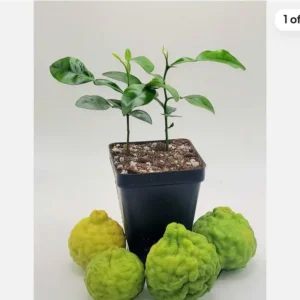
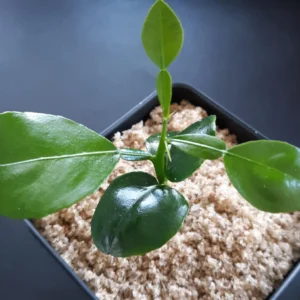
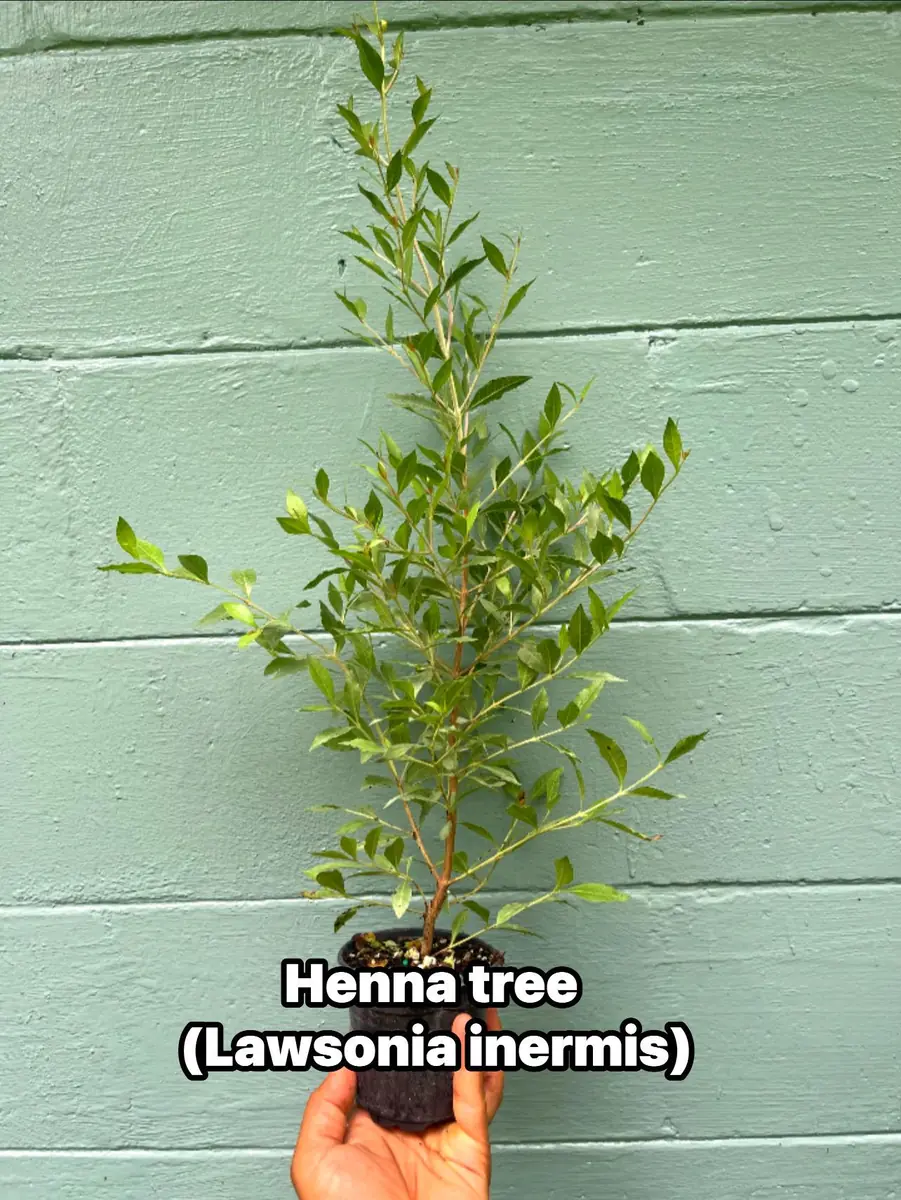
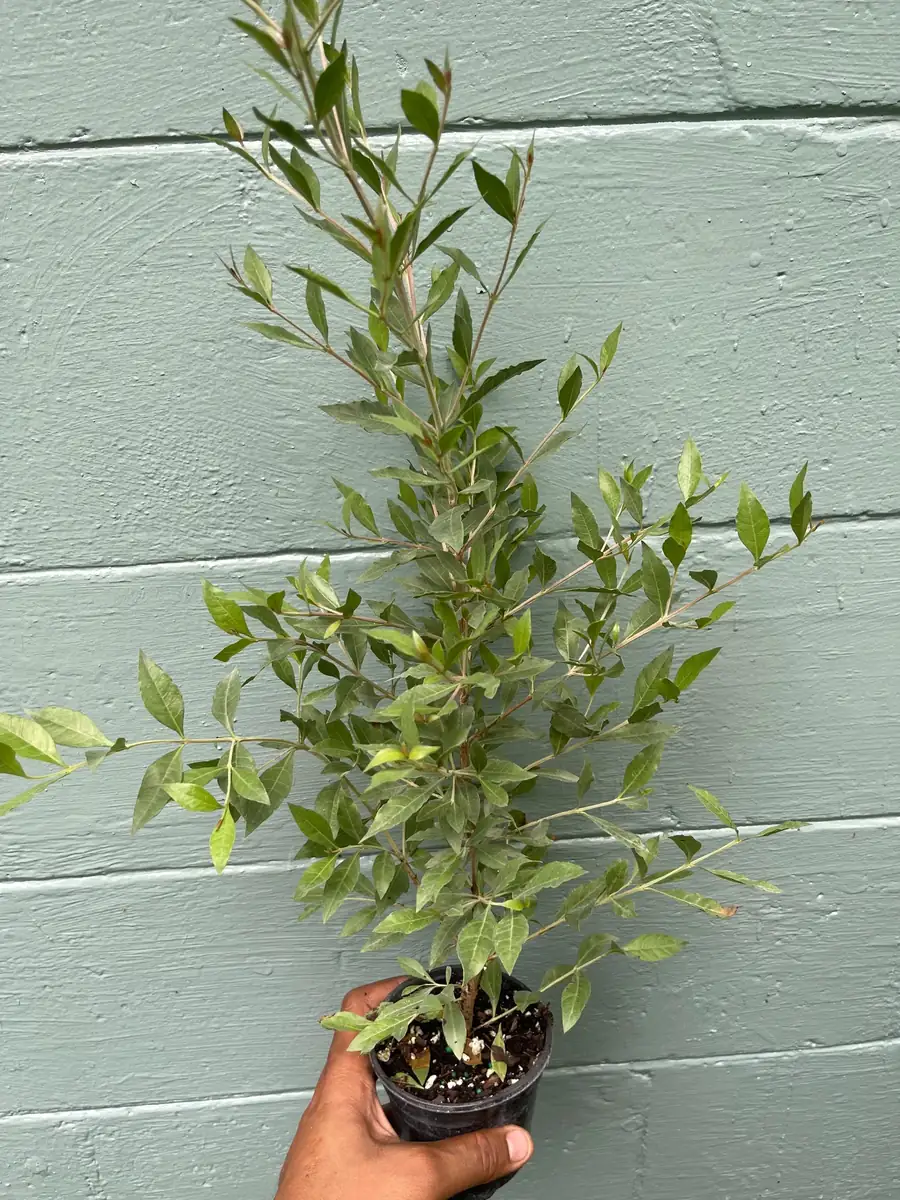
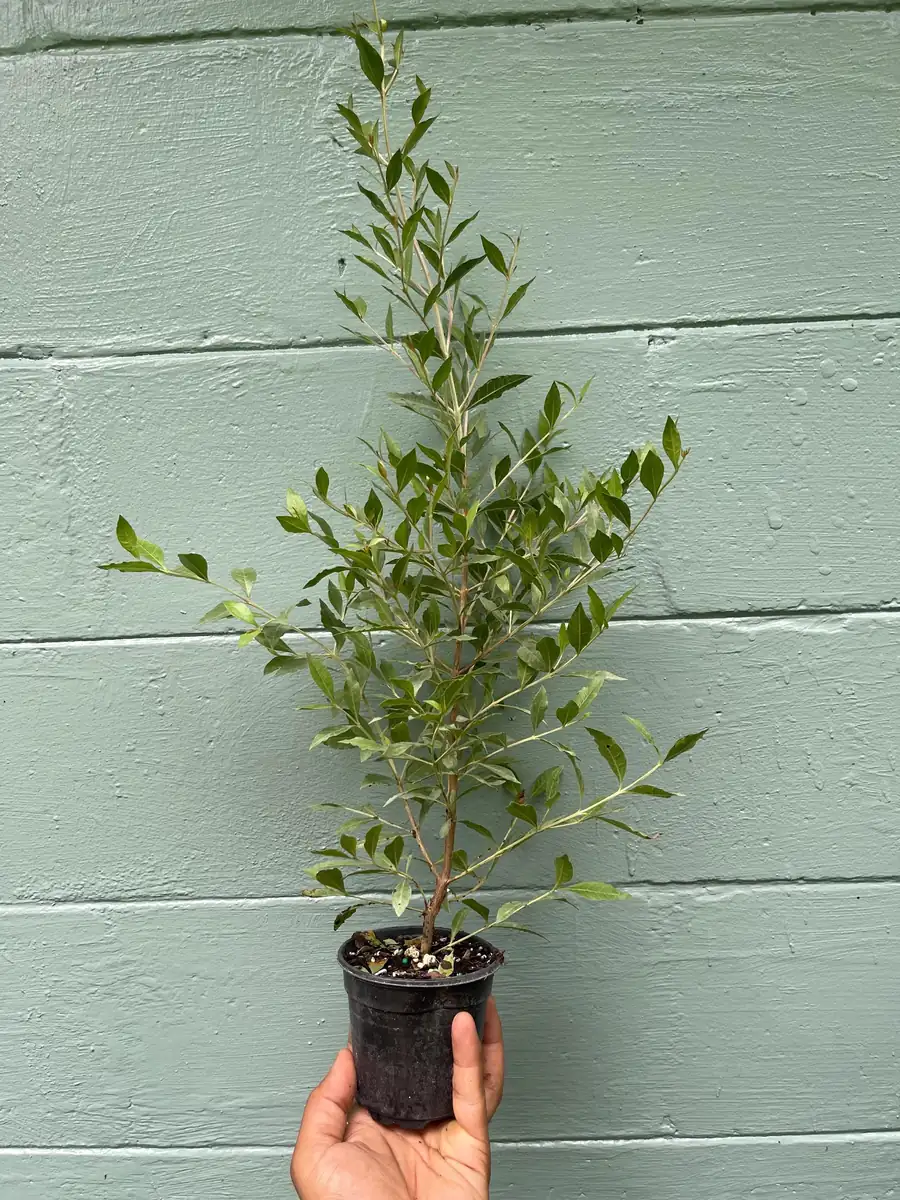
This offering is for one healthy, well-rooted henna plant live (Lawsonia inermis) shipped in a 4-inch nursery pot. At the time of shipping, the plant typically stands approximately 6-10 inches tall, with established root systems ready for transplanting. While it is a shrub that can reach 6–8 feet outdoors in ideal conditions, it is easily pruned to maintain a smaller, more manageable size, making it suitable for container gardening. When you grow henna at home, you’ll observe its glossy green leaves and, with maturity, small, fragrant white to pinkish blooms. It has a moderate growth rate and will benefit from repotting into a larger container as it outgrows its current pot. Your plant will arrive carefully packaged to ensure its safe journey and immediate readiness for planting.
Frequently Asked Questions
- Q: How big does this plant get? A: Outdoors, the henna plant live can reach 6-8 feet tall. However, it can be easily pruned to maintain a smaller size, and when grown in a container, its size will be naturally limited by the pot and pruning.
- Q: What size pot does it come in? A: This lawsia inermis plant is shipped in a 4-inch nursery pot, containing a healthy, well-rooted live specimen ready for your garden or a larger pot.
- Q: Is this an indoor or outdoor plant? A: The natural dye plant thrives outdoors in USDA Zones 9-11. In cooler climates, it can be grown outdoors during warm months and brought indoors before frost, or cultivated year-round as a houseplant.
- Q: How much sunlight does it need? A: It requires full sun, meaning at least 6-8 hours of direct sunlight daily, to grow optimally and produce the best quality leaves for dye.
- Q: Is this plant easy to care for? A: Yes, once established and provided with ample sunlight and well-draining soil, the henna plant live is relatively low-maintenance and quite drought-tolerant. Following basic mehndi plant care guidelines will ensure its success.
- Q: What condition will it arrive in? A: Your live plant will arrive carefully packaged to minimize stress during transit, with its roots protected and moist, ready for planting upon arrival.
- Q: Can I use the leaves for natural dye? A: Absolutely! The primary purpose of growing this natural dye plant is to harvest its leaves for making your own henna paste for body art, hair dye, or fabric coloring.
- Q: When is the best time to plant? A: If planting outdoors in suitable zones, spring after the last frost is ideal. For indoor container growing, it can be planted any time of year.
- Q: Will it survive winter in my zone? A: If you are outside USDA Zones 9-11, the plant will not survive outdoor winter temperatures and must be brought indoors to a warm, sunny location or protected. This is key for those who want to grow henna at home in colder regions.
- Q: What type of soil is best for a henna plant? A: A well-draining soil mix is essential. A sandy loam or a good quality potting mix amended with perlite or sand works best.


Reviews
There are no reviews yet.