Overview
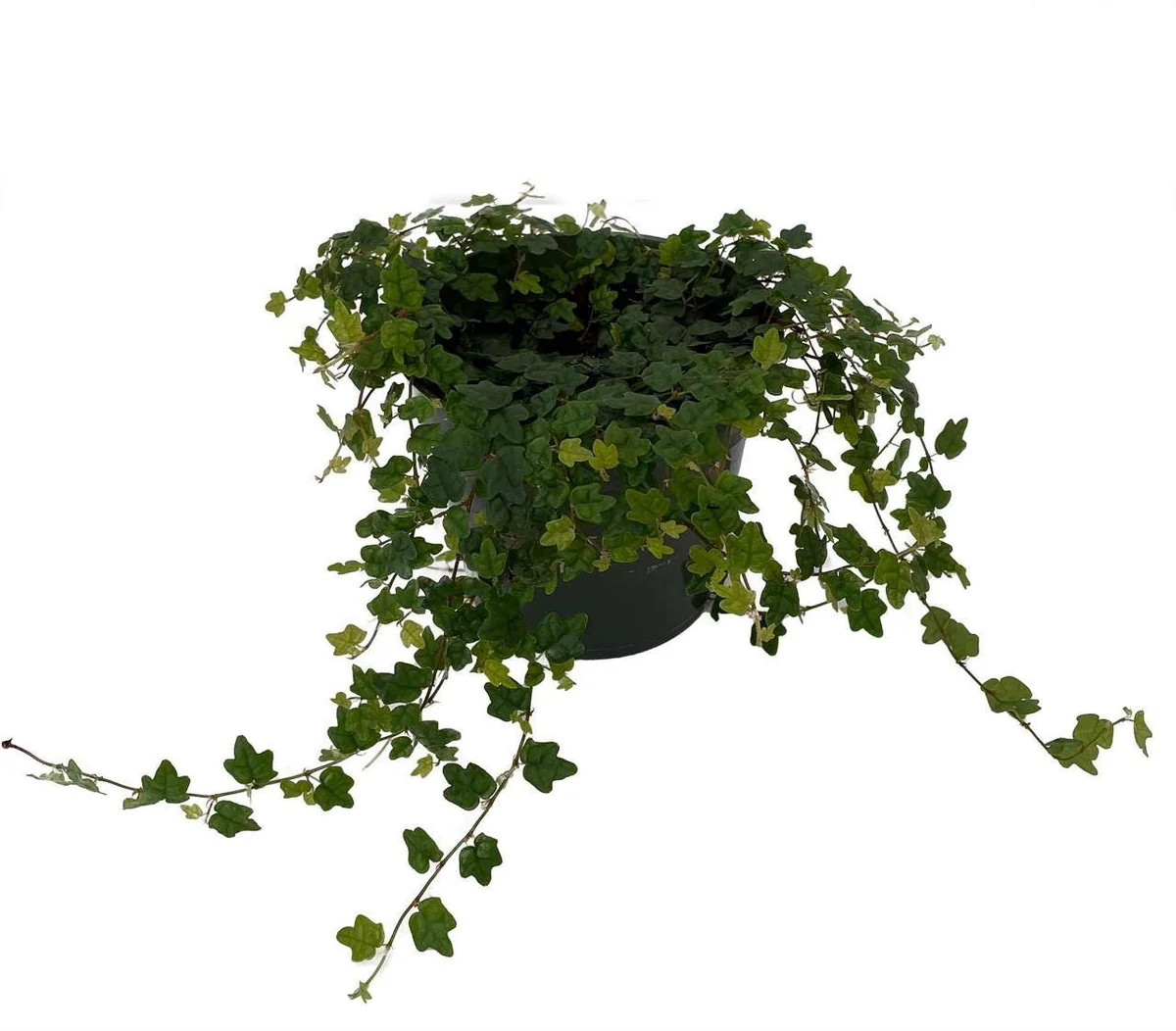
Introduce a touch of miniature elegance to your indoor plant collection with the mini oakleaf creeping fig, a truly captivating live plant. Scientifically known as Ficus pumila ‘Quercifolia’, this cultivar of the classic Creeping Fig stands out with its exceptionally small, deeply lobed leaves that resemble tiny oak leaves. It’s considered the crown jewel among creeping fig varieties, offering a more clumping than vining habit, making it perfectly suited for sophisticated terrariums, intricate living topiaries, or as a charming addition to any houseplant display. This easy-to-grow plant brings lush, dense greenery to compact spaces, making it a favorite for plant enthusiasts seeking unique and manageable foliage.
The mini oakleaf creeping fig is a live plant that thrives indoors, transforming ordinary spaces into vibrant botanical havens. Its unique texture and growth pattern make it an excellent choice for those looking to create miniature landscapes or add a distinctive accent to their home decor. This plant is not just beautiful; it’s also relatively low-maintenance, offering a rewarding experience for both novice and experienced gardeners. Its ability to adapt to various indoor environments further enhances its appeal as a versatile and desirable plant.
Key Benefits
The mini oakleaf creeping fig offers a multitude of benefits, making it an excellent choice for various indoor gardening projects and home decor. Its unique characteristics contribute to its popularity and ease of integration into diverse settings.
- Aesthetic Appeal: The tiny, deeply lobed leaves of the mini oakleaf creeping fig create a delicate and intricate texture, adding a sophisticated touch to terrariums, fairy gardens, and indoor planters. Its dense growth provides a lush, miniature landscape effect.
- Versatile Use: This plant is incredibly adaptable, serving as an excellent groundcover in larger pots, a charming element in terrariums, a base for living topiaries, or simply a beautiful standalone houseplant. Its clumping habit ensures a neat and tidy appearance.
- Easy Care: Known for its resilience, this easy care houseplant is forgiving and straightforward to maintain, making it suitable for beginners. With proper light and consistent moisture, it flourishes beautifully, offering long-lasting enjoyment.
- Compact Growth: Unlike its more vigorous vining relatives, the ‘Quercifolia’ cultivar exhibits a more controlled, clumping growth habit. This makes it ideal for smaller spaces or for detailed horticultural projects where precise plant placement is key.
- Unique Foliage: The distinctive oak-leaf shape of its tiny foliage sets it apart from other creeping fig types, providing a unique visual interest that draws the eye and sparks conversation. It’s a true collector’s item among creeping fig varieties.
- Air Purification: Like many indoor plants, the ficus pumila quercifolia contributes to a healthier indoor environment by helping to filter airborne toxins, promoting fresher air quality in your home or office.
Plant Care & Growing Tips
Caring for your mini oakleaf creeping fig is straightforward, making it an ideal choice for various indoor settings. This easy care houseplant thrives with consistent attention to its basic needs, ensuring vibrant growth and lush foliage. Provide very bright indirect light; direct harsh sunlight can scorch its delicate leaves, while too little light can lead to sparse growth. An east or north-facing window is often ideal, or a spot a few feet away from a south or west-facing window. Consistent light is key to maintaining its dense, attractive form.
Watering should be consistent to keep the soil evenly moist but never waterlogged. Allow the top inch of soil to dry out slightly between waterings. Overwatering can lead to root rot, so ensure your pot has adequate drainage. Humidity is also beneficial for this plant, especially in dry indoor environments. Consider misting regularly, placing it near a humidifier, or using a pebble tray with water to increase ambient moisture. The ficus pumila quercifolia prefers a well-draining potting mix that retains some moisture. A standard houseplant mix with added perlite or coco coir works well.
Maintain a stable room temperature, ideally between 60-85°F (15-29°C), and protect it from cold drafts. While it can tolerate a range of temperatures, consistent warmth promotes optimal growth. Fertilize every 2-4 weeks during the growing season (spring and summer) with a balanced, diluted liquid fertilizer. Reduce feeding in fall and winter. This terrarium plant is generally pest-resistant, but keep an eye out for common houseplant pests like spider mites or mealybugs, treating them promptly if they appear. With these simple care tips, your mini oakleaf creeping fig will thrive for years to come.
Size & Details
This offering is for one live mini oakleaf creeping fig plant, carefully cultivated and shipped in a 4 inch pot. At this size, the plant is well-established, ready to be integrated into your terrarium, topiary project, or as a standalone houseplant. The plant exhibits a compact, clumping growth habit, typically spreading rather than climbing vigorously, making it manageable for various decorative uses. While its mature height and spread can vary depending on growing conditions and pruning, it generally remains a small, dense plant ideal for miniature landscapes.
The tiny, deeply lobed leaves are a distinguishing feature, giving it its common name. Expect a healthy root system and vibrant green foliage upon arrival, ensuring a strong start in its new home. This live plant is meticulously packed to ensure it arrives safely and in excellent condition, ready for immediate placement or transplanting. Its relatively fast growth rate in optimal conditions means you’ll quickly see it fill out its intended space, whether as a lush groundcover or part of a living art piece.
Frequently Asked Questions
- Q: How big does this plant get? A: The mini oakleaf creeping fig in a 4 inch pot will typically spread out rather than grow tall. Its size largely depends on the container and pruning; it can be kept very compact for terrariums or allowed to spread to about 6-12 inches wide.
- Q: Is this an indoor or outdoor plant? A: While Ficus pumila can grow outdoors in warmer climates (USDA zones 9-11), the mini oakleaf creeping fig is primarily cultivated as an indoor plant or a terrarium plant due to its smaller size and preference for controlled environments.
- Q: How much sunlight does it need? A: This plant thrives in very bright indirect light. Avoid direct, harsh sunlight which can burn its leaves. A spot near an east or north-facing window is often ideal.
- Q: Is this plant easy to care for? A: Yes, the mini oakleaf creeping fig is considered an easy care houseplant. It requires consistent moisture and bright indirect light but is generally forgiving and low-maintenance, making it great for beginners.
- Q: What condition will it arrive in? A: Your ficus pumila quercifolia will arrive as a healthy, well-rooted live plant in its 4 inch pot, carefully packaged to ensure minimal stress during transit and ready for immediate enjoyment.
- Q: How often should I water my mini oakleaf creeping fig? A: Keep the soil consistently moist but not soggy. Water when the top inch of soil feels dry to the touch. This often means watering every few days, depending on humidity and temperature.
- Q: Can I use this plant for a topiary? A: Absolutely! The clumping and relatively dense growth habit of the mini oakleaf creeping fig makes it an excellent choice for creating detailed and beautiful living topiaries.
- Q: What makes this different from other creeping figs? A: The ‘Quercifolia’ variety, or mini oakleaf creeping fig, is distinguished by its significantly smaller, deeply lobed leaves resembling tiny oak leaves, and its more clumping, less aggressive vining habit compared to standard creeping figs.
- Q: Is it pet-safe? A: Ficus plants, including the mini oakleaf creeping fig, are generally considered mildly toxic to pets if ingested. It’s best to keep them out of reach of curious animals.
- Q: What kind of soil does it prefer? A: A well-draining, peat-based potting mix that retains some moisture is ideal. You can use a general houseplant mix, possibly amending it with perlite for extra drainage.


Reviews
There are no reviews yet.