Overview
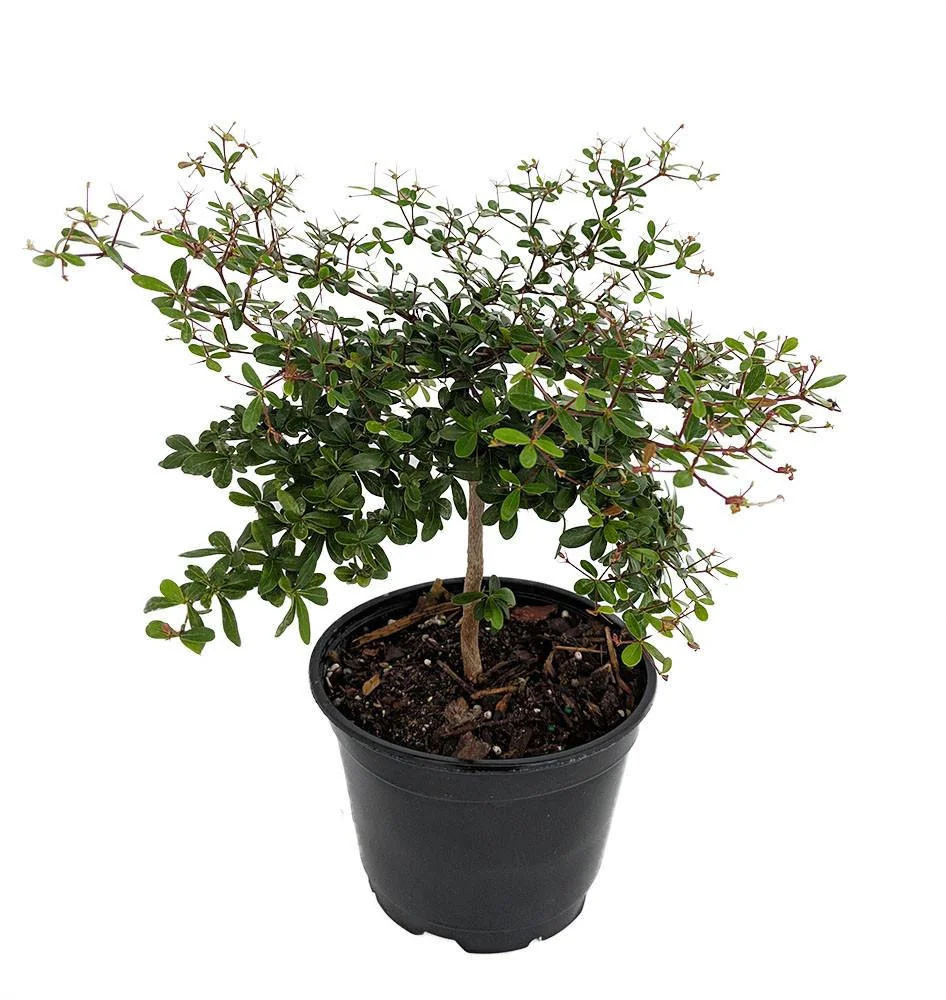
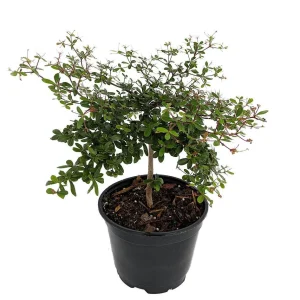
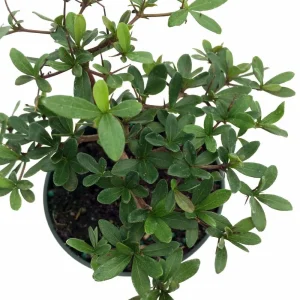
Introduce a touch of sophisticated nature into your home or garden with the exquisite dwarf black olive tree (Bucida spinosa). This captivating live plant, often celebrated by bonsai enthusiasts, is renowned for its distinctive strong, angular trunk lines and delicate, tiny leaves that create a beautiful, lacey canopy. The Bucida spinosa bonsai is a versatile specimen, thriving equally well as an indoor houseplant or an outdoor accent in warmer climates. Its unique aesthetic makes it a focal point in any setting, offering a serene and artistic presence. This particular offering comes as a healthy live plant, ready to be nurtured and enjoyed.
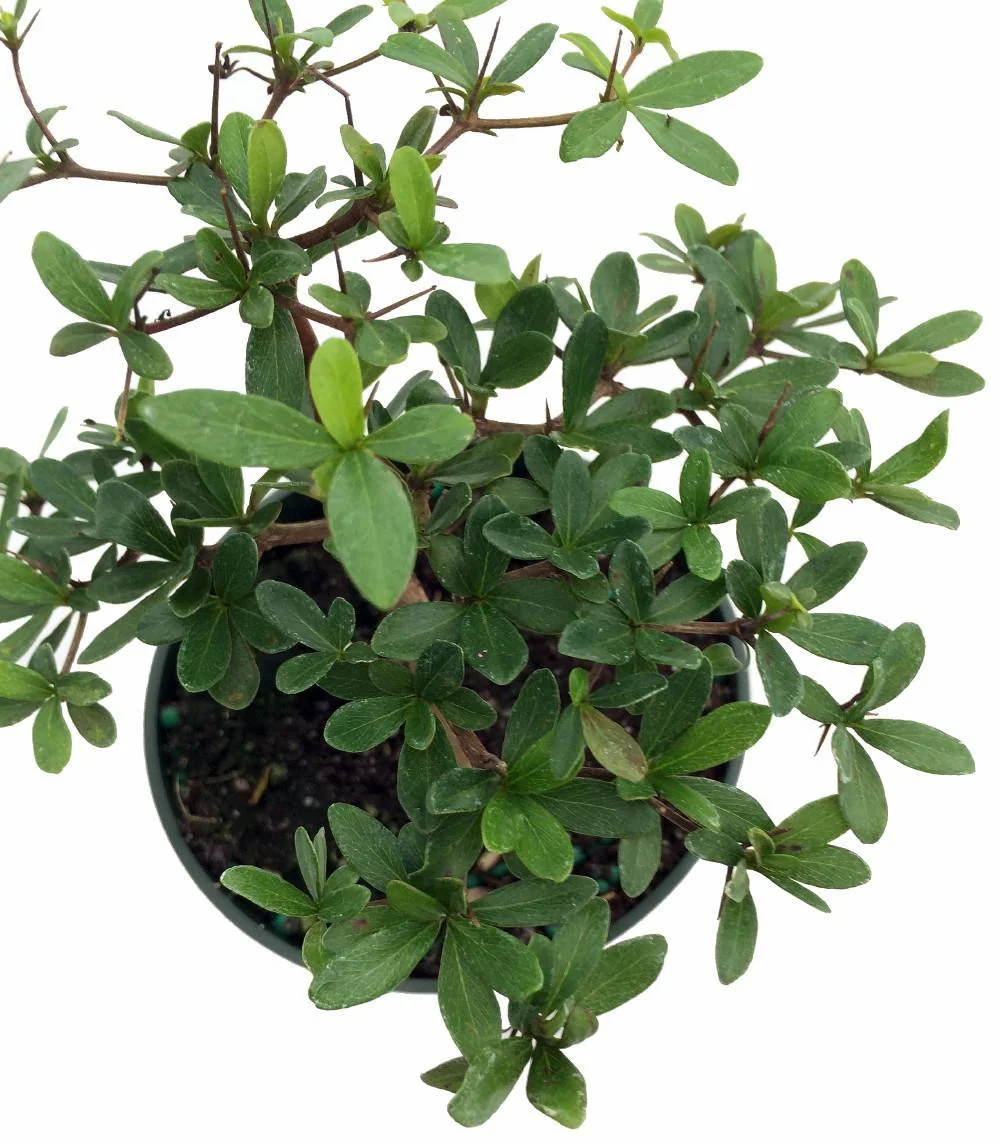
The Black Olive Tree, scientifically known as Bucida spinosa, is not actually an olive tree but earned its common name from its small, olive-like fruits. It’s a favored choice for bonsai due to its naturally small leaves and ability to develop interesting trunk structures. Whether you’re an experienced bonsai artist or a budding plant parent, this dwarf black olive tree provides an engaging and rewarding growing experience. Its compact size and striking appearance make it an ideal candidate for desks, shelves, or small garden spaces, adding natural elegance wherever it is placed.
Key Benefits
The dwarf black olive tree offers numerous advantages for plant enthusiasts, combining aesthetic appeal with relative ease of care. Its unique characteristics make it a standout choice for both decorative and horticultural purposes.
- Exceptional Bonsai Potential: The natural growth habit of the Bucida spinosa bonsai, with its strong, angular branches and small leaves, makes it an ideal specimen for bonsai cultivation. It readily adapts to shaping and pruning, allowing for intricate and artistic designs.
- Striking Visual Appeal: With its elegant trunk line clearly visible through the sparse, lacey foliage, this plant provides a sophisticated and minimalist aesthetic. The tiny leaves create a delicate texture that adds depth and interest to any space.
- Versatile Growing Conditions: This resilient plant thrives in warm, sunny locations and can be grown successfully both indoors in average home conditions and outdoors in suitable climates. This adaptability makes it a flexible choice for various living situations.
- Low Maintenance (Once Established): While it appreciates consistent care, the indoor black olive plant is relatively easy to maintain once its environmental needs are met. It doesn’t require constant fussing, making it suitable for those with busy schedules.
- Air Purifying Qualities: Like many live plants, the Dwarf Black Olive Tree contributes to a healthier indoor environment by naturally filtering the air and increasing oxygen levels, promoting a sense of well-being.
- Unique Conversation Starter: Its distinct appearance and status as a popular bonsai subject often spark interest and admiration, making it a wonderful conversation piece for guests.
- Year-Round Greenery: As an evergreen, the dwarf black olive tree maintains its vibrant green foliage throughout the year, providing continuous beauty and life to your surroundings, even during colder months when other plants may be dormant.
Plant Care & Growing Tips
Proper care is essential for maintaining the health and beauty of your dwarf black olive tree. This species generally prefers warm conditions and ample sunlight, making it well-suited for bright indoor spots or sunny outdoor patios in warmer regions. For sunlight, aim for at least 4-6 hours of direct sunlight daily. If growing indoors, place it near a south or west-facing window, or supplement with a grow light if natural light is insufficient. Outdoors, ensure it’s in a location that receives full to partial sun. The delicate foliage benefits from good air circulation, which also helps prevent fungal issues.
When it comes to watering, the Bucida spinosa bonsai prefers its soil to dry out slightly between waterings. Overwatering is a common mistake and can lead to root rot. Check the soil moisture by sticking your finger about an inch or two into the soil; if it feels dry, it’s time to water thoroughly until water drains from the bottom of the pot. Reduce watering frequency during cooler months. A well-draining potting mix is crucial for this plant. A blend formulated for bonsai or succulents, typically comprising akadama, pumice, and lava rock, works best to ensure proper drainage and aeration, which are vital for healthy root development. The ideal temperature range for the indoor black olive plant is between 65-80°F (18-27°C), and it is sensitive to cold temperatures, making it suitable for USDA zones 9-11 outdoors. If temperatures drop below 50°F (10°C), it’s best to bring the plant indoors.
Fertilize your dwarf black olive tree during the growing season (spring and summer) with a balanced liquid fertilizer diluted to half strength, typically every 2-4 weeks. Reduce or cease fertilization during fall and winter when the plant’s growth slows. Pruning is an important aspect of black olive tree care, especially for maintaining its bonsai shape. Regular trimming helps encourage denser foliage and refines its angular structure. Watch out for common pests like spider mites or mealybugs, especially in dry indoor environments. Treat infestations promptly with horticultural oil or insecticidal soap. Providing adequate humidity, especially indoors, can also deter pests and keep the foliage vibrant. Repotting should be done every 2-3 years, or when the plant becomes root-bound, preferably in early spring.
Size & Details
This offering is for a healthy, vibrant dwarf black olive tree, specifically a Bucida spinosa bonsai, cultivated in a 4 inch black olive tree nursery pot. At this size, the plant is typically young but well-established, showcasing its characteristic angular lines and tiny leaves. The exact height and spread will vary slightly, but it generally stands between 6 to 12 inches tall from the base of the pot, providing a compact and manageable size perfect for starting your bonsai journey or adding to an existing collection. It is shipped as a live, potted plant, ensuring it arrives with its root ball intact and ready to thrive in its new environment. The growth rate is moderate, allowing you to observe its development over time. With proper black olive tree care, it will gradually mature into a more pronounced bonsai specimen.
The small 4-inch pot makes it an ideal desktop plant or a charming addition to a small patio garden. While it may not be fully mature, it exhibits all the desirable traits of the Bucida spinosa, including its natural tendency for strong branch structure and delicate foliage. Expect a healthy root system and well-formed trunk. This size is particularly suitable for those who enjoy shaping and training their plants from a relatively young age, allowing for a personalized bonsai creation. It’s a fantastic starting point for anyone interested in the art of bonsai or simply looking for a distinctive and appealing live plant.
Frequently Asked Questions
- Q: How big does this plant get? A: This dwarf black olive tree is provided in a 4 inch black olive tree pot. While it can be trained to remain small as a bonsai, in ideal conditions, it can eventually reach several feet in height if allowed to grow freely, though it’s typically kept much smaller through pruning.
- Q: Is this an indoor or outdoor plant? A: The Bucida spinosa bonsai is versatile and can thrive both indoors and outdoors. It prefers warm, sunny conditions, making it an excellent indoor plant in most climates and an outdoor plant in USDA zones 9-11.
- Q: How much sunlight does it need? A: This plant requires ample sunlight. Aim for at least 4-6 hours of direct sunlight daily. Indoors, a south or west-facing window is ideal, and outdoors, a full sun to partial sun location is best for optimal growth and health.
- Q: Is this plant easy to care for? A: Once its light and watering needs are understood, the indoor black olive plant is considered moderately easy to care for. It’s not overly demanding but benefits from consistent attention, especially regarding watering and occasional pruning for shape.
- Q: What condition will it arrive in? A: Your dwarf black olive tree will arrive as a healthy, live potted plant in its 4-inch nursery pot, carefully packaged to ensure its safety during transit. It will be ready to be placed in your desired location upon arrival.
- Q: How often should I water my black olive tree? A: Water your Bucida spinosa bonsai when the top inch or two of soil feels dry to the touch. It’s crucial to avoid overwatering, as this can lead to root rot. Ensure proper drainage to prevent waterlogging.
- Q: Can I use this plant for bonsai? A: Absolutely! The Dwarf Black Olive Tree is a highly favored species for bonsai due to its small leaves, naturally angular growth, and responsiveness to training and pruning, making it perfect for creating intricate bonsai designs.
- Q: What type of soil is best for black olive tree care? A: A well-draining, airy potting mix is essential. Many bonsai enthusiasts use a specialized bonsai mix, or a blend of organic matter with inorganic components like pumice, akadama, or lava rock to ensure good drainage and aeration.
- Q: Does this plant produce actual olives? A: Despite its common name, the dwarf black olive tree (Bucida spinosa) does not produce edible olives. It gets its name from its small, dark, olive-like fruits that are not for consumption.
- Q: Is this plant pet-safe? A: While generally considered non-toxic, it’s always best to keep plants out of reach of curious pets to prevent any potential stomach upset from ingestion of plant material. Consult a veterinarian if you have concerns about specific pets.


Reviews
There are no reviews yet.