Overview
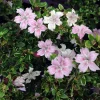
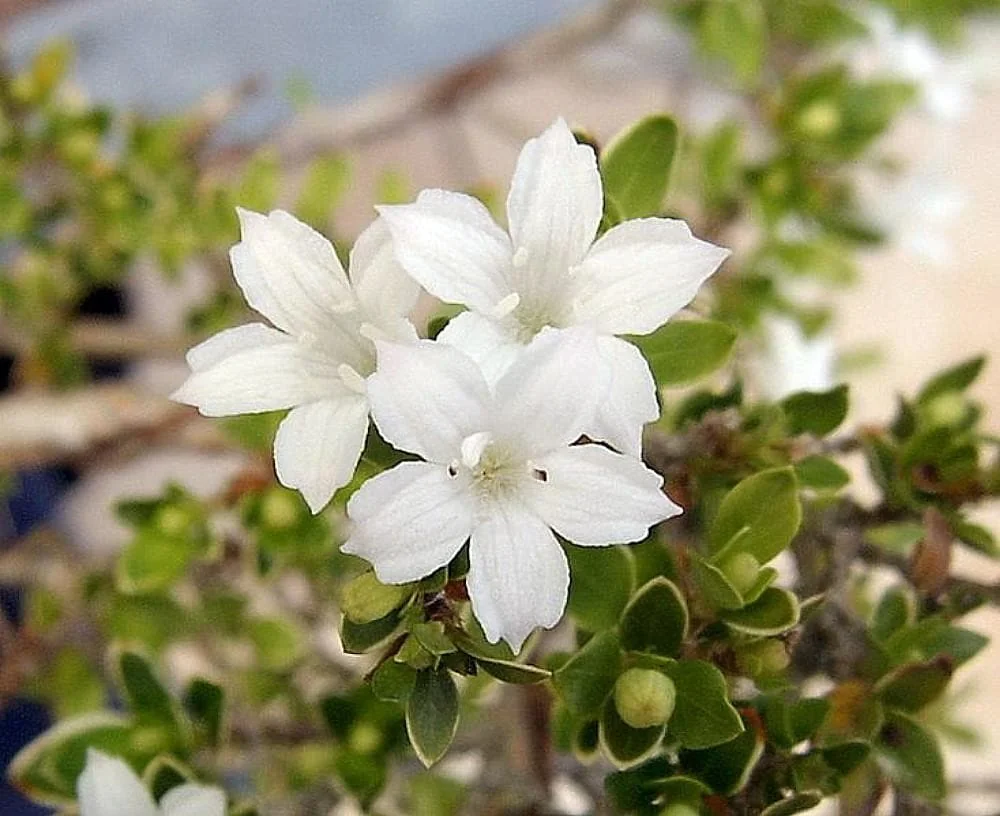
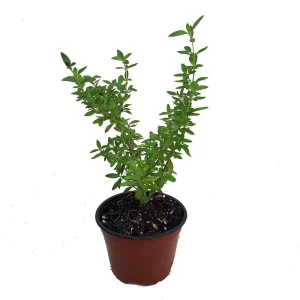
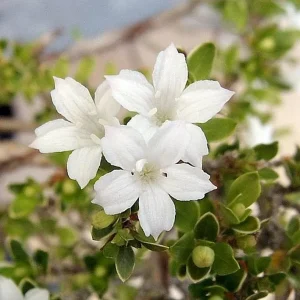
Introduce a touch of natural beauty and tranquility into your home with the exquisite serissa foetida live plant. Also widely recognized as the Japanese Snow Rose or Tree of a Thousand Stars, this charming evergreen shrub is a popular choice for both aspiring and experienced bonsai artists, as well as those seeking a delightful indoor houseplant. Known scientifically as Serissa foetida (syn. Serissa japonica), this species is celebrated for its delicate white, funnel-shaped flowers that bloom almost year-round, particularly from spring to fall. Its rough, grey trunk develops character with age, making it an ideal specimen for bonsai training. The deep green, oval leaves contribute to its dense, neat habit, providing a lush aesthetic that brightens any indoor space. This plant is a fantastic way to bring a piece of nature indoors, offering continuous visual interest with its prolific flowering and attractive foliage. It’s a truly rewarding plant to cultivate, especially for those interested in the art of bonsai or simply enjoying a beautiful, long-flowering houseplant.
Key Benefits
The serissa foetida live plant offers a multitude of benefits, making it an excellent addition to your indoor plant collection or bonsai journey. Its aesthetic appeal combined with its manageable size and continuous bloom cycles contribute to a positive and serene home environment. This plant is not just a decorative item; it’s a living piece of art that brings joy and a sense of accomplishment to its caretaker. Understanding the specific needs for serissa plant care can unlock the full potential of this beautiful specimen.
- Continuous Flowering: Enjoy beautiful white, funnel-shaped flowers practically all year round, with peak blooms from spring through fall. This consistent floral display adds vibrant beauty and a refreshing touch to your indoor decor, making it a standout feature.
- Ideal for Bonsai: The Japanese Snow Rose bonsai is highly prized for its suitability for bonsai cultivation. Its naturally small leaves, dense branching, and developing rough bark make it easy to shape and prune into stunning miniature trees, offering a rewarding hobby.
- Elegant Indoor Houseplant: With its neat habit and attractive foliage, this plant serves as a perfect indoor houseplant. It adds a sophisticated and serene atmosphere to any room, fitting well on desks, shelves, or windowsills where it can receive ample light.
- Compact & Manageable Size: Growing up to 18 inches (45 cm) high, the Serissa Foetida remains a compact plant, making it ideal for smaller living spaces or for those who appreciate plants that don’t take up too much room. Its manageable size simplifies both placement and care.
- Unique Trunk & Foliage: The plant develops a distinctive rough, grey trunk that lightens with age, adding character. Its deep green, rather thick oval leaves create a lush, full appearance, providing a beautiful backdrop for its delicate flowers.
- Air Purifying Qualities: Like many houseplants, the Serissa Foetida contributes to a healthier indoor environment by helping to purify the air, making your living space fresher and more pleasant.
- Rewarding Cultivation: Tending to a serissa foetida live plant can be a deeply satisfying experience. Observing its growth, flowering, and responding to your care fosters a connection with nature and offers a peaceful, engaging pastime, especially when pursuing the art of the indoor bonsai tree.
Plant Care & Growing Tips
Proper serissa plant care is crucial for the health and longevity of your serissa foetida live plant. This plant, whether kept as an indoor bonsai tree or a general houseplant, thrives with consistent attention to its specific needs regarding light, water, and temperature. Understanding these requirements will ensure your Japanese Snow Rose flourishes and continues to produce its beautiful white blooms.
The Serissa Foetida requires as much light as possible when grown indoors. Position it in a well-aired area where it can receive abundant bright, indirect light. While it appreciates light, protect it from harsh, direct afternoon sun, which can scorch its delicate leaves. During the summer months, it can be moved outdoors to a partially shaded spot, but always remember to bring it back inside before temperatures drop. Maintain an indoor temperature between 55-65 degrees F (13-18 degrees C) and keep it away from drafts, which can cause stress and leaf drop. The japanese snow rose bonsai is sensitive to environmental changes, so consistency is key. Ensure good air circulation to prevent fungal issues.
Water your Serissa plentifully and frequently. The soil should be kept consistently moist but never waterlogged. Allow the top inch of soil to dry slightly between waterings, but avoid letting it dry out completely. Overwatering can lead to root rot, while underwatering can cause wilting and defoliation. Repotting should be done every two years in the spring, which is also an excellent time for root pruning to maintain its compact size and encourage healthy growth. When repotting, use a well-draining potting mix. Fertilize with a slow-yielding organic fertilizer during the growing season (spring to fall) to support its continuous flowering and lush foliage. Pruning is best done after flowering, when new shoots have developed several nodes; leave at least 4-5 leaves to encourage new growth and maintain its desired shape, which is particularly important for an indoor bonsai tree. Regular pruning is essential for an attractive and healthy serissa foetida care routine.
Size & Details
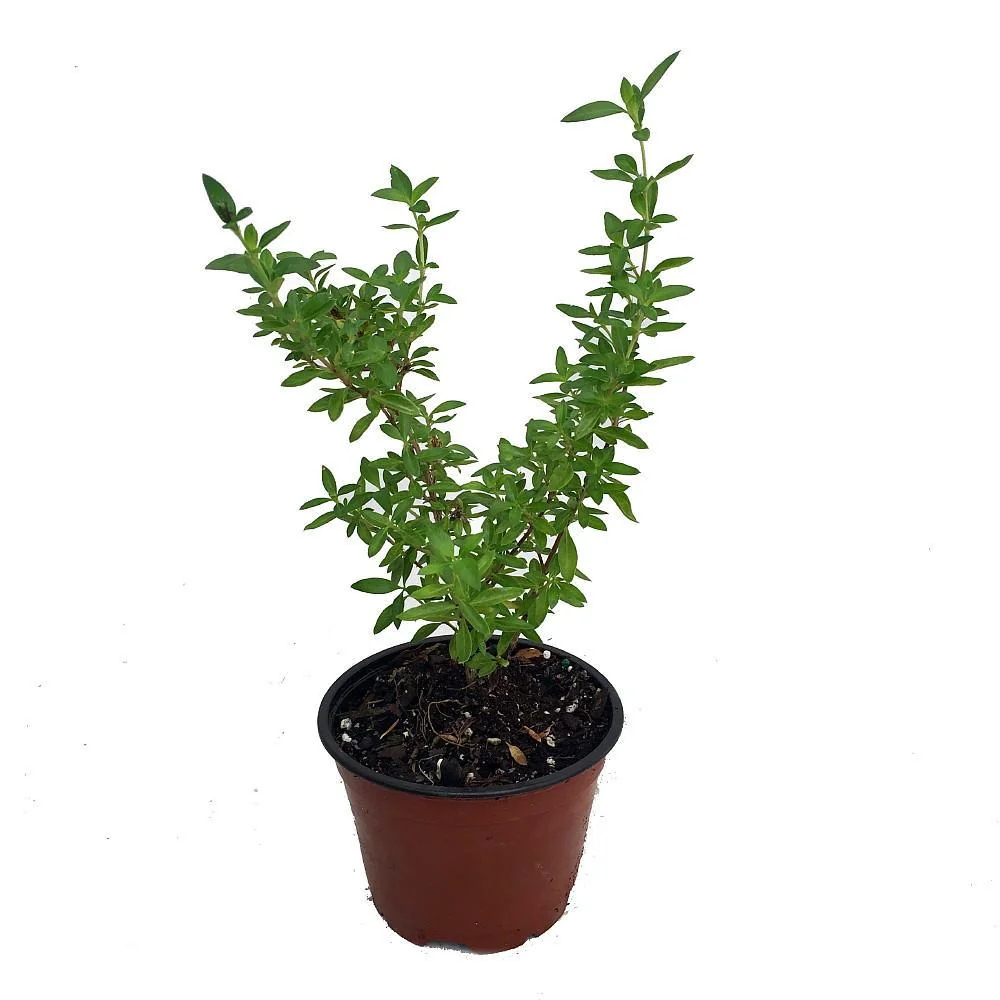
This serissa foetida live plant is supplied in a 4-inch pot, providing a perfect starter size for either an indoor bonsai tree project or a charming houseplant. Typically, the Serissa Foetida grows as an evergreen shrub up to 18 inches (45 cm) high, with a similar spread if left unpruned. When cultivated as a japanese snow rose bonsai, its size can be meticulously controlled through regular pruning and root trimming, allowing it to remain much smaller, often just a few inches to a foot tall. The plant features oval, deep green leaves that are rather thick and have a distinctive, unpleasant smell if bruised, which is a characteristic of the foetida (foetid) epithet. Its rough, grey trunk develops a lighter color with age, adding to its visual appeal. This plant is known for its relatively quick growth rate compared to some other bonsai species, which makes it a rewarding choice for beginners. Expect to see its delicate white flowers bloom frequently throughout the year, especially during warmer months. Your plant will arrive as a healthy, established specimen, ready to be nurtured and enjoyed in your home. With consistent serissa foetida care, this plant will thrive and provide years of beauty.
Frequently Asked Questions
- Q: How big does this plant get? A: As a general houseplant, the serissa foetida live plant can grow up to 18 inches (45 cm) high. When trained as a Japanese Snow Rose bonsai, its size can be kept much smaller, often under a foot, through consistent pruning and root maintenance.
- Q: What size pot does it come in? A: This Serissa Foetida plant comes in a convenient 4-inch nursery pot, perfectly sized for its initial growth stage and ready for you to place in your desired decorative container.
- Q: Is this an indoor or outdoor plant? A: The Serissa Foetida is primarily an indoor plant, especially in cooler climates, as it prefers temperatures between 55-65 degrees F. It can be moved outdoors to a partially shaded spot during warm summer months, but must be protected from frost.
- Q: How much sunlight does it need? A: This plant requires as much bright, indirect light as possible. Place it near a sunny window where it receives ample light but is shielded from harsh, direct afternoon sun that can scorch its leaves. Adequate light is essential for prolific flowering and good serissa foetida care.
- Q: Is this plant easy to care for? A: The Serissa Foetida is considered moderately easy to care for. It requires consistent watering, proper light, and protection from drafts. With a good understanding of serissa plant care, even beginners can successfully grow this beautiful plant, especially as an indoor bonsai tree.
- Q: What condition will it arrive in? A: Your serissa foetida live plant will arrive as a healthy, well-established plant in its nursery pot, carefully packaged to ensure its safe journey to your home. It will be ready for immediate enjoyment and care.
- Q: How long until it blooms? A: The Serissa Foetida is known for its long flowering time, often blooming practically all year round, with its most abundant flowers appearing from spring to fall. You can expect to see flowers soon after receiving your plant if conditions are favorable.
- Q: What’s the minimum temperature this plant can tolerate? A: The Serissa Foetida prefers temperatures between 55-65 degrees F (13-18 degrees C). It is not frost-tolerant and should be protected from temperatures below 50 degrees F (10 degrees C).
- Q: What type of soil is best for Serissa? A: A well-draining potting mix is essential for Serissa Foetida. Good drainage prevents root rot, which is a common issue for this plant. A mix formulated for bonsai or general houseplants with added perlite or grit works well.
- Q: Can I use this plant for bonsai? A: Absolutely! The Japanese Snow Rose (Serissa Foetida) is one of the most popular and suitable species for bonsai due to its small leaves, dense branching, and attractive trunk development, making it an excellent choice for an indoor bonsai tree.


Reviews
There are no reviews yet.