Overview
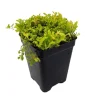
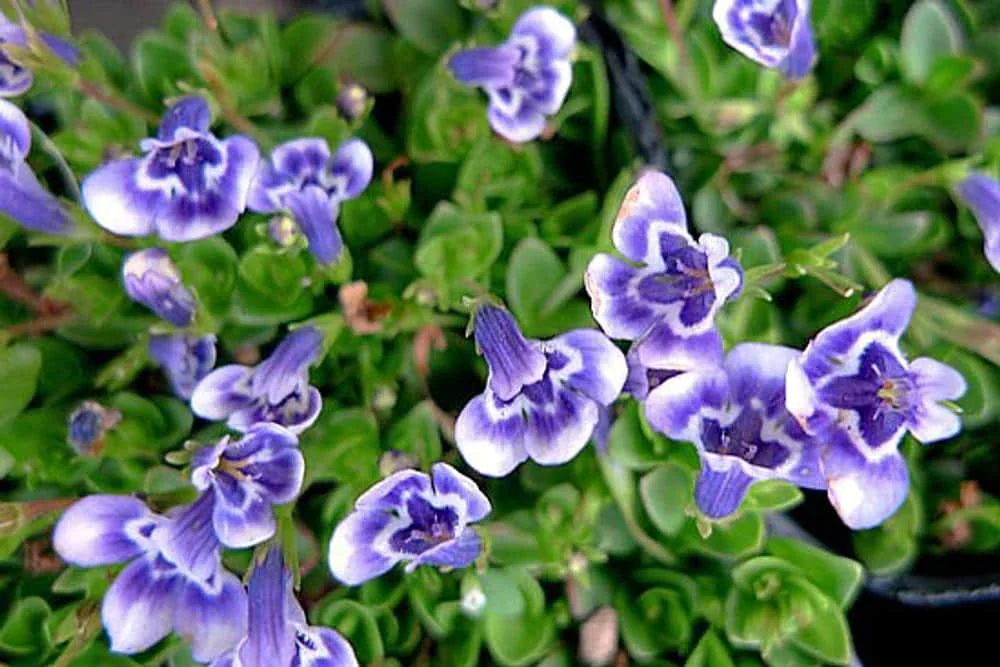
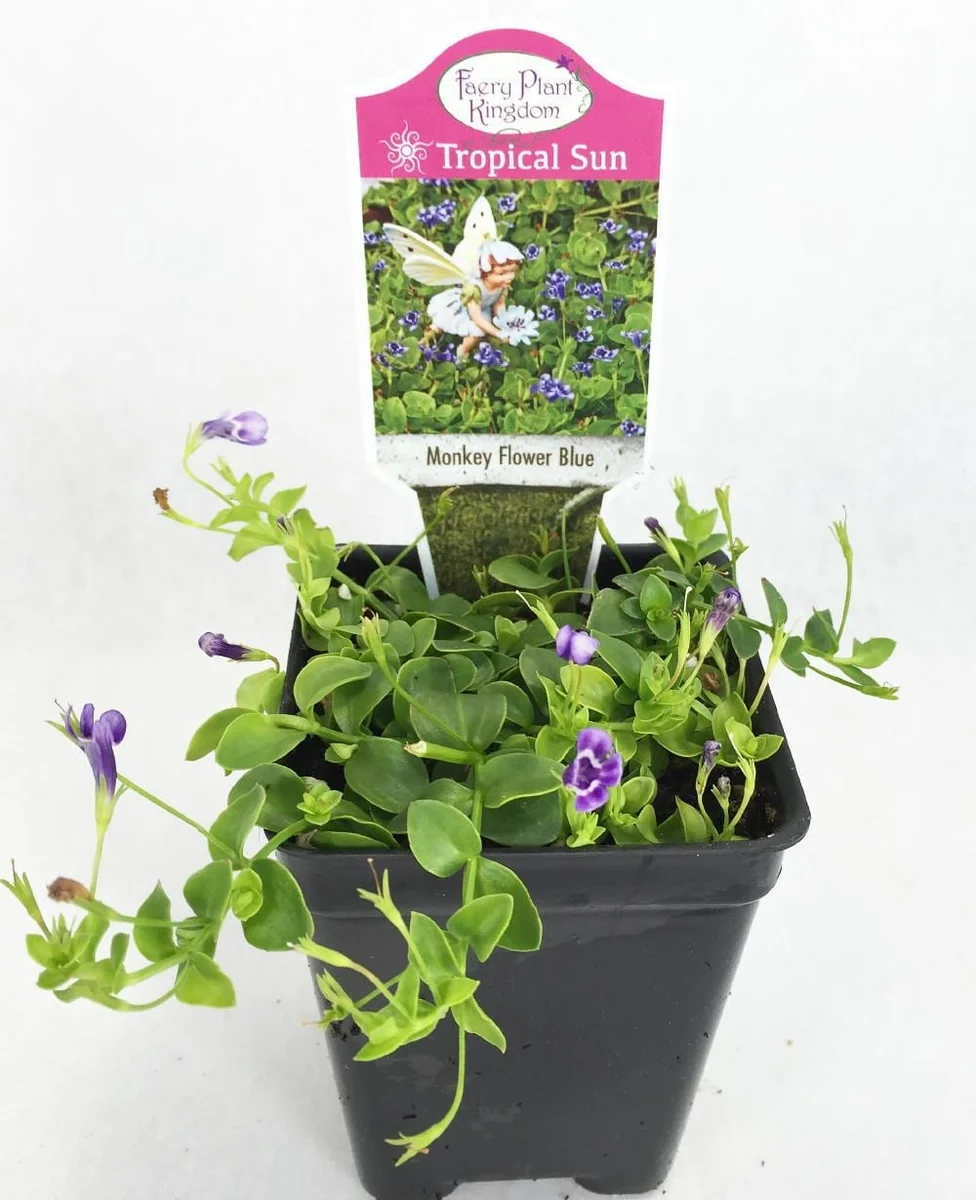
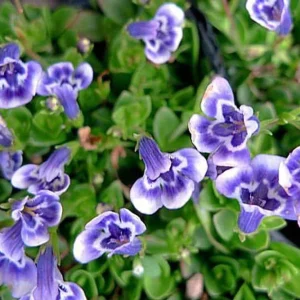
Introduce a touch of whimsical beauty to your indoor plant collection with the blue moneywort live plant, scientifically known as Lindernia grandiflora. This delightful specimen, often called Blue Monkey Flower, is perfect for those seeking an easy-to-care-for plant that adds both color and texture. Originating from wetland areas, Lindernia grandiflora is celebrated for its attractive light green foliage that forms a lush mat, making it an excellent ground cover. Its most captivating feature is undoubtedly the unique blue flowers, each adorned with a distinct white throat, which bloom profusely and create a charming display. This 2.5″ potted plant is ready to thrive in various settings, from adding a splash of life to miniature landscapes in terrariums and fairy gardens to serving as an elegant spilling plant in containers or a vibrant addition to your houseplant arrangements. Its compact growth habit and striking blooms make it a versatile and rewarding choice for plant enthusiasts of all levels.
Key Benefits
The blue moneywort live plant offers a multitude of benefits, making it a highly desirable addition to any plant collection. Its unique characteristics contribute to both aesthetic appeal and ease of care, ensuring a rewarding gardening experience.
- Vibrant Floral Display: Enjoy the beauty of charming blue flowers with delicate white throats that appear consistently, providing a cheerful and eye-catching accent to your display. These unique blooms are a true conversation starter.
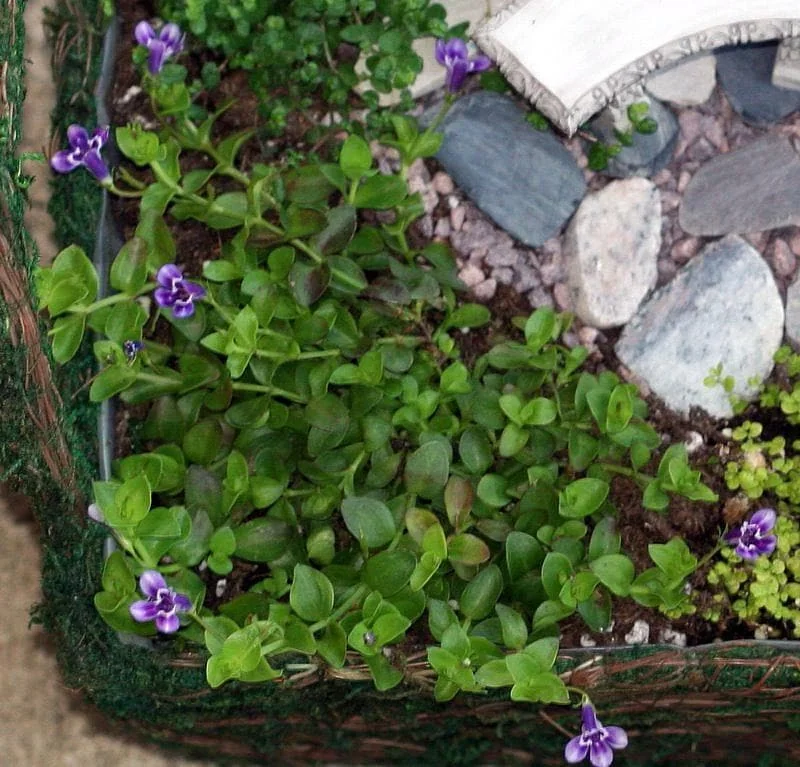
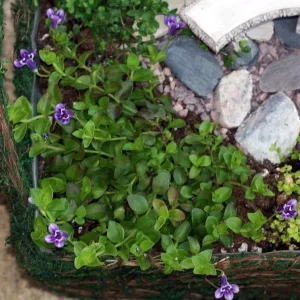
- Versatile Use: This plant is incredibly adaptable, thriving as a delightful terrarium plant, a whimsical addition to fairy gardens, or a beautiful houseplant. It also excels as a ground cover, gracefully hugging the soil or spilling over container edges.
- Low Maintenance: Lindernia grandiflora is known for its relatively easy care requirements, making it suitable for both novice and experienced plant parents. It doesn’t demand constant attention, allowing you to enjoy its beauty with minimal effort.
- Attractive Foliage: Beyond its flowers, the plant boasts lush, light green leaves that create a dense, appealing carpet. This foliage provides an excellent backdrop for its blooms and adds a fresh, vibrant element to any setting.
- Compact Growth Habit: Its naturally compact and creeping growth makes it an ideal choice for smaller spaces, containers, and specialized gardens like terrariums where space is at a premium. It maintains a tidy appearance, contributing to a well-kept aesthetic.
- Enhances Miniature Landscapes: Perfect for creating miniature ecosystems, the blue moneywort live plant adds a natural, established look to terrariums and fairy gardens, offering a sense of depth and realism.
Plant Care & Growing Tips
Caring for your blue moneywort live plant, or Lindernia grandiflora, is straightforward, ensuring it remains a vibrant and healthy addition to your home or garden. This plant thrives in conditions that mimic its natural wetland habitat, preferring consistent moisture and bright, yet indirect, light. When it comes to sunlight, aim for bright indirect light. While it can tolerate some morning sun, direct afternoon sun can be too intense and potentially scorch its delicate leaves. An east-facing window or a spot a few feet from a south or west-facing window works well indoors. For optimal growth, provide at least 4-6 hours of bright light daily.
Watering is crucial for this moisture-loving plant. The soil should be kept consistently moist but not waterlogged. Allow the top inch of soil to dry out slightly between waterings, but never let the soil become completely parched. Using a well-draining potting mix is essential to prevent root rot while retaining adequate moisture. A mix designed for houseplants or a blend of peat moss, perlite, and a good quality potting soil works perfectly. This plant appreciates high humidity, so consider placing it on a pebble tray with water or misting it regularly, especially in dry indoor environments. The ideal temperature range is between 65-80°F (18-27°C), making it well-suited for typical indoor conditions. It is generally hardy in USDA zones 9-11 if grown outdoors, but it’s predominantly enjoyed as an indoor specimen or annual in cooler climates. Fertilize lightly during the growing season (spring and summer) with a balanced liquid fertilizer diluted to half strength, typically once a month. Avoid over-fertilizing, as this can lead to leggy growth and fewer blooms. Monitoring for common pests like aphids or spider mites is wise, though infestations are rare with proper care. Regularly removing spent flowers will encourage more blooms and maintain a tidy appearance. Understanding lindernia grandiflora care will ensure your plant flourishes.
Size & Details
This offering includes one blue moneywort live plant, Lindernia grandiflora, carefully cultivated and shipped in a 2.5-inch nursery pot. At the time of shipment, the plant typically stands approximately 2-4 inches tall and will have a similar spread, forming a compact and healthy specimen ready for planting. As a creeping plant, its growth rate is moderate, and it will gradually spread to cover an area of approximately 6-12 inches in diameter over a growing season, depending on its environment. The plant ships as a fully rooted, established plant, ensuring a smooth transition to its new home. Expect the charming blue flowers to appear as the plant matures, typically within a few weeks of planting, and continue blooming throughout its active growing season. The foliage maintains its vibrant light green hue year-round when kept in suitable conditions, providing consistent appeal. This size is ideal for immediate placement in terrariums, small containers, or as a foreground plant in larger arrangements, making it a versatile choice for various decorative needs. For those interested in fairy garden plants, this compact size is perfect for creating intricate, miniature landscapes.
Frequently Asked Questions
- Q: How big does this plant get? A: The blue moneywort live plant typically grows as a low-spreading ground cover, reaching a height of about 2-4 inches and spreading up to 6-12 inches in diameter. Its compact nature makes it ideal for smaller spaces.
- Q: What size pot does it come in? A: This Lindernia grandiflora plant is shipped in a standard 2.5-inch nursery pot, providing it with ample space to establish itself before transplanting.
- Q: Is this an indoor or outdoor plant? A: While it can be grown outdoors in warmer climates (USDA zones 9-11), it is most commonly cultivated as an indoor houseplant or used in terrariums and fairy gardens. It thrives in consistent indoor temperatures.
- Q: How much sunlight does it need? A: The blue moneywort live plant prefers bright, indirect light. Avoid direct afternoon sun, which can be too harsh. An east-facing window or a spot near a bright window with filtered light is ideal.
- Q: Is this plant easy to care for? A: Yes, Lindernia grandiflora is considered relatively easy to care for, making it a good choice for beginners. Its main requirements are consistent moisture and bright, indirect light. Understanding terrarium plants indoor care is straightforward with this species.
- Q: What condition will it arrive in? A: Your plant will arrive as a healthy, fully rooted specimen in its 2.5-inch nursery pot, carefully packaged to ensure its safety during transit. It will be ready for immediate planting or display.
- Q: Is it shipped in soil? A: Yes, the plant is shipped in its original growing medium within the nursery pot, which provides essential nutrients and moisture for its journey.
- Q: Can it be used as a ground cover houseplant? A: Absolutely! Its spreading habit makes it an excellent choice for a ground cover houseplant, creating a lush, green carpet that can spill over the edges of pots or fill in gaps in larger planters.
- Q: How long until it blooms? A: If the plant is mature upon arrival, you can expect blooms within a few weeks, especially during its active growing season (typically spring through fall). Consistent light and moisture encourage flowering.
- Q: What’s the minimum temperature it can tolerate? A: For optimal health, avoid temperatures below 60°F (15°C). It prefers warmer, consistent indoor temperatures and is not frost-tolerant.


Reviews
There are no reviews yet.