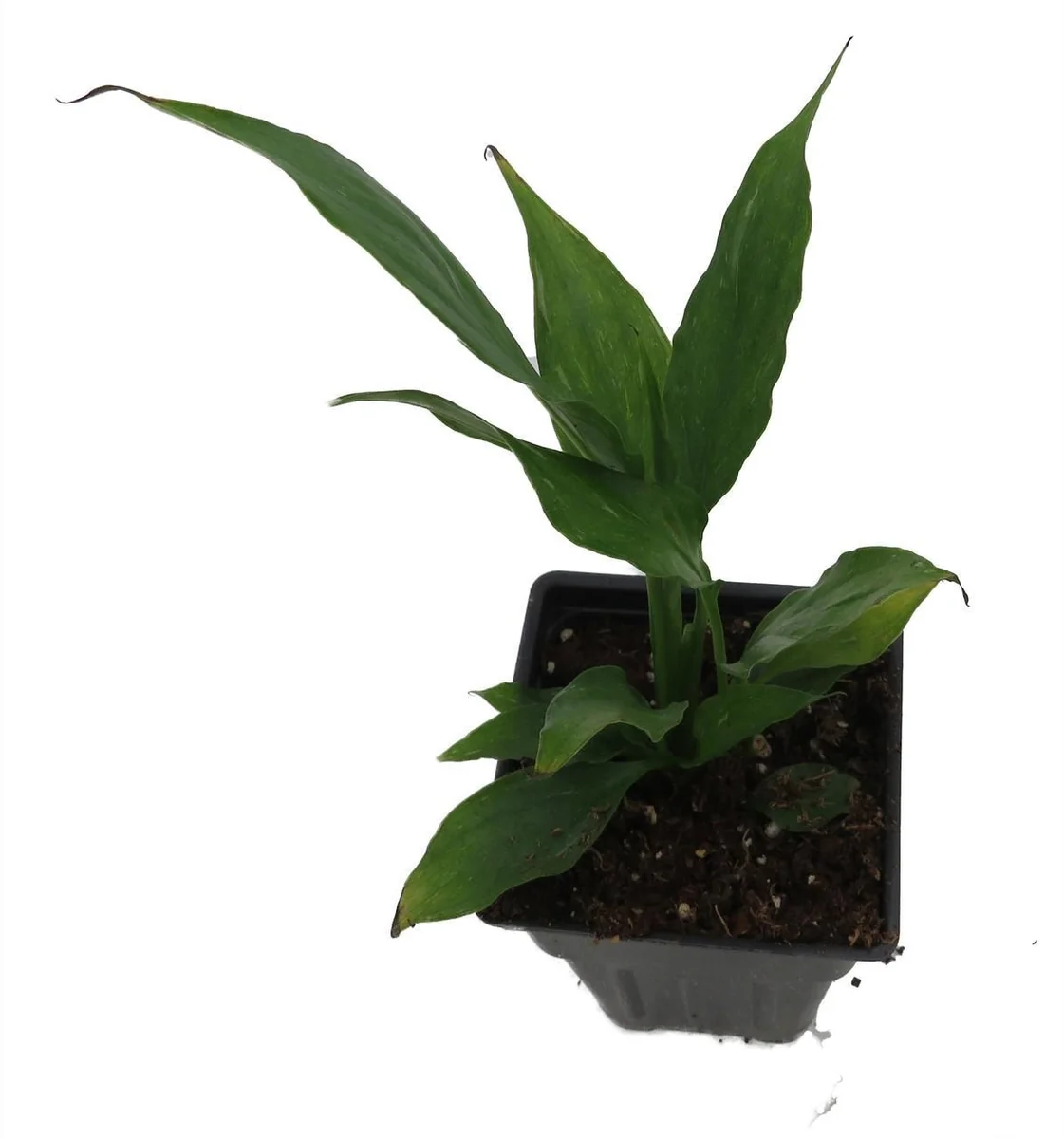
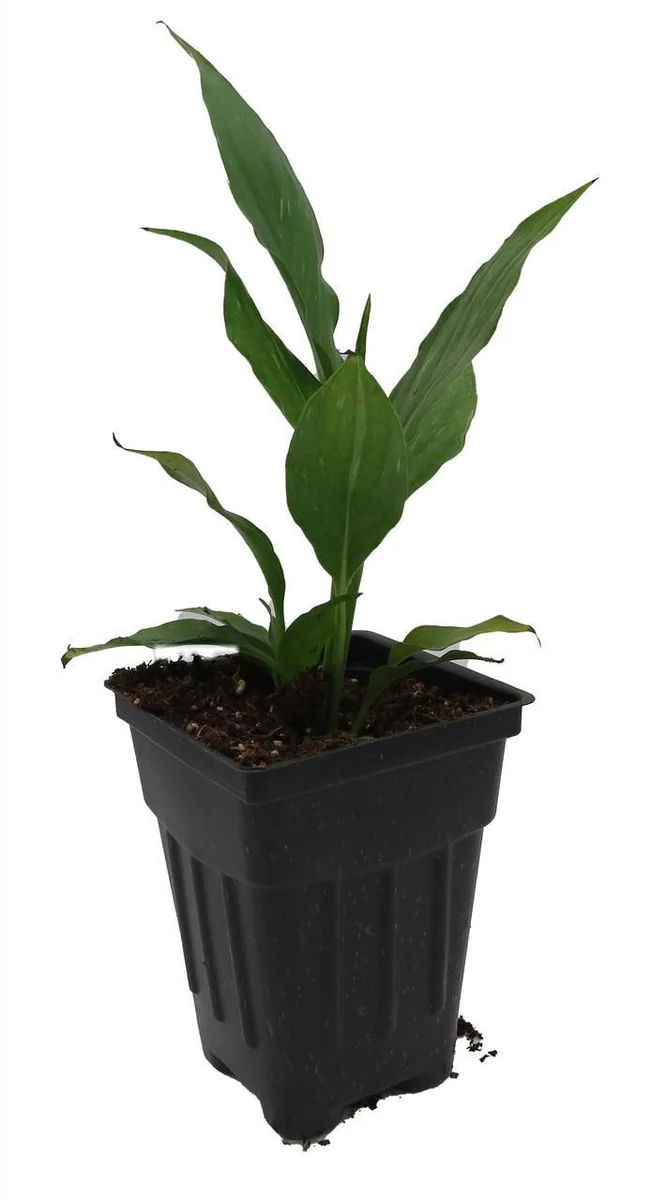
Overview
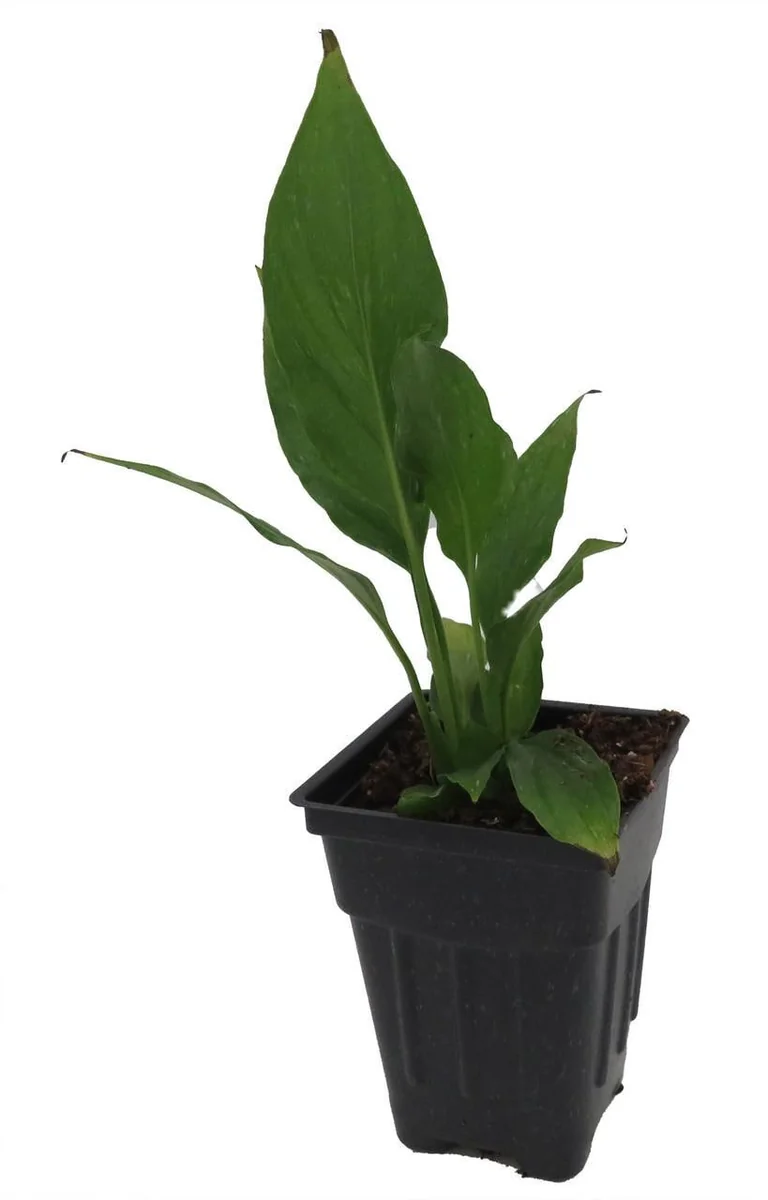
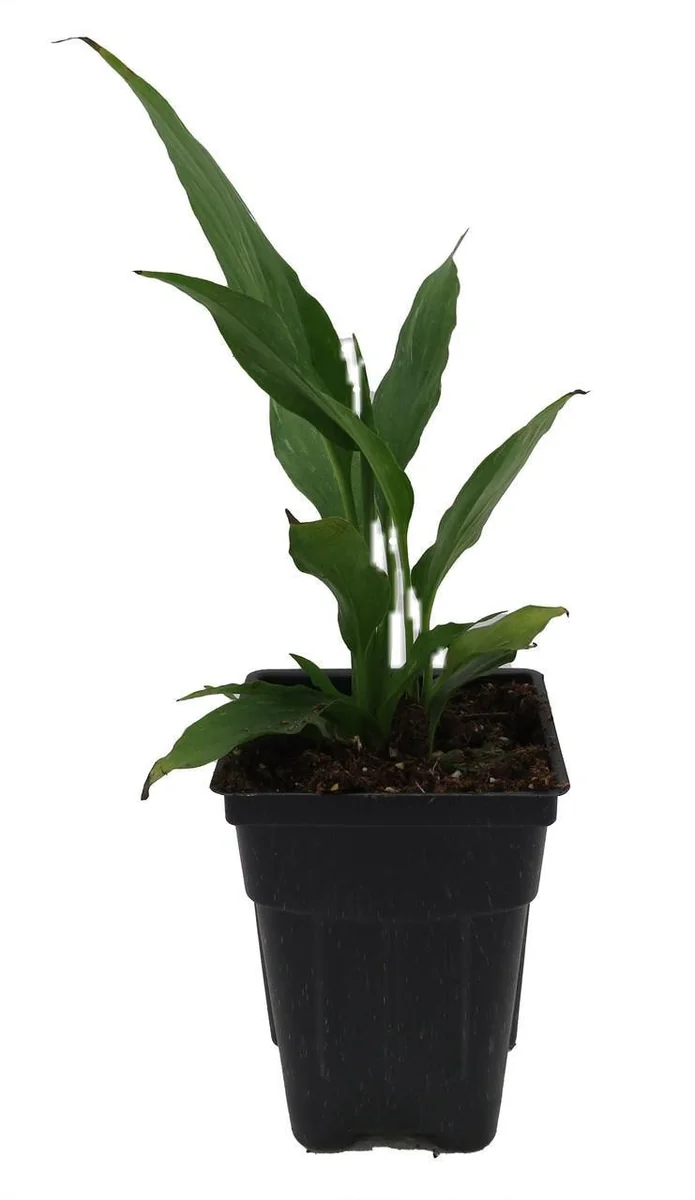
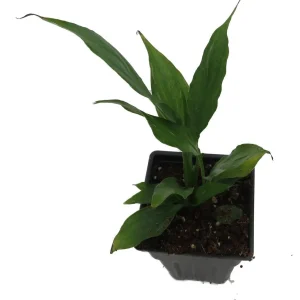
Introduce a touch of serene elegance to your living space with the exquisite peace lily live plant. Known botanically as Spathiphyllum, this beloved houseplant is celebrated for its striking white, spathe-like flowers and lush, dark green foliage. The genus name, Spathiphyllum, literally translates to ‘leaf spathe’, referring to the unique flower structure that cradles the spadix. Widely recognized as ‘Peace Lily’, its widespread popularity for interior use stems from its exceptional ability to adapt and thrive in low light conditions, making it an ideal choice for nearly any room in your home or office. This particular offering comes as a healthy live plant in a 2.5″ Pot, ready to enhance your indoor environment. With approximately 30 different species, Spathiphyllum varieties are native to the humid tropical rainforest understories of Central and South America, with some found as far as Malaysia, showcasing their remarkable adaptability and enduring beauty across the globe.
The peace lily live plant is distinct from many common houseplants due to its communicative nature. It will visibly droop its foliage when it needs water, acting as a clear indicator that it’s time for a drink. Fortunately, it quickly bounces back to its vibrant self once adequately watered. This characteristic makes spathiphyllum care incredibly intuitive, even for novice plant enthusiasts. Its robust nature and ability to flourish in less-than-ideal lighting make it one of the best low light houseplant options available, promising consistent beauty with minimal fuss.
Key Benefits
The peace lily live plant offers a multitude of advantages beyond its aesthetic appeal, making it a favorite among indoor gardeners. Its benefits contribute to a healthier and more visually pleasing home environment.
- Air Purification: Renowned for its air-cleaning capabilities, the Peace Lily effectively filters out common indoor air pollutants such as formaldehyde, benzene, and carbon monoxide, creating a fresher and healthier atmosphere in your home. This makes the indoor peace lily not just a decorative item, but a functional one.
- Low Maintenance: This plant is incredibly forgiving and easy to care for, especially for beginners. Its prominent drooping leaves signal exactly when it needs water, simplifying the care routine. With straightforward spathiphyllum care, you can enjoy lush foliage and blooms with minimal effort.
- Elegant Aesthetics: The striking contrast of its deep green leaves against the pure white ‘flowers’ (which are actually modified leaves called spathes) provides a sophisticated and calming presence in any decor style. It adds a touch of natural beauty and tranquility.
- Adaptable to Low Light: One of its most celebrated qualities is its ability to thrive in dimly lit spaces where many other plants struggle. This makes it an excellent choice for offices, bathrooms, or rooms with limited natural light, solidifying its reputation as a premier low light houseplant.
- Natural Humidity Boost: As a tropical plant, the Peace Lily releases moisture into the air through transpiration, which can slightly increase humidity levels in its immediate surroundings, beneficial for both people and other plants, especially in dry indoor environments.
- Stress Reduction: Studies suggest that having plants indoors can reduce stress levels and improve overall well-being. The calming presence and vibrant green of the indoor peace lily contribute to a more peaceful and relaxing atmosphere.
- Pet-Friendly (with caution): While not entirely non-toxic, many pet owners successfully keep Peace Lilies. However, it’s advisable to keep them out of reach of curious pets, as ingestion can cause mild irritation. Understanding peace lily benefits often involves weighing all aspects.
Plant Care & Growing Tips
Caring for your peace lily live plant is straightforward, making it an excellent choice for both experienced plant parents and beginners. Understanding its basic needs will ensure a vibrant and healthy plant that brings continuous beauty to your home. When considering spathiphyllum care, remember its tropical origins, which guide its preferences for light, water, and humidity.
Sunlight Requirements: Peace Lilies are renowned for being an excellent low light houseplant. They prefer bright, indirect light. Direct sunlight can scorch their leaves, causing yellowing and browning. An east-facing window is often ideal, providing gentle morning sun, or a north-facing window for consistent, indirect light. If placed in a room with south or west-facing windows, ensure it’s positioned far enough away that direct rays don’t hit the foliage. While they tolerate low light, extremely dark conditions can reduce flowering, so a balance is key for optimal growth and blooms.
Watering Schedule and Soil Moisture: The Peace Lily is unique in that it clearly communicates its watering needs. Its leaves will visibly droop when it’s thirsty. This is the perfect time to water. Water thoroughly until water drains from the bottom of the pot. Allow the top inch or two of soil to dry out before watering again. Overwatering is a common issue that can lead to root rot, so always check the soil moisture before watering. Ensure good drainage to prevent waterlogged conditions. For best results, use filtered water or allow tap water to sit overnight to dissipate chlorine, enhancing the vitality of your peace lily live plant.
Soil Type and Drainage: A well-draining potting mix is crucial for your Peace Lily. A standard houseplant potting mix amended with perlite or orchid bark will provide the necessary aeration and drainage. Good drainage prevents water from sitting around the roots, which is vital for preventing root rot. The pot itself should have drainage holes at the bottom. As a tropical plant, it appreciates slightly acidic to neutral soil (pH 5.5-6.5).
Temperature Range and Humidity: Peace Lilies thrive in warm, humid conditions, mimicking their native rainforest environment. Ideal temperatures range between 65-80°F (18-27°C). Avoid exposing them to temperatures below 45°F (7°C) or sudden cold drafts, which can cause damage. They also appreciate high humidity. You can increase humidity by misting the leaves regularly, placing the pot on a pebble tray with water, or using a humidifier, especially in dry indoor environments. This helps to keep the leaf tips from browning.
Fertilization Schedule: Fertilize your Peace Lily sparingly, primarily during the growing season (spring and summer) every 2-4 weeks with a balanced liquid houseplant fertilizer diluted to half strength. Reduce or stop fertilization during fall and winter when the plant’s growth slows down. Over-fertilization can lead to salt buildup in the soil, which can burn the roots and leaves. Proper spathiphyllum care includes mindful feeding.
Common Problems and Solutions: Yellowing leaves can indicate overwatering or underwatering, or too much direct sunlight. Brown leaf tips usually point to low humidity or too much fertilizer. If your plant isn’t flowering, it might need more indirect light or a balanced fertilizer application. Pests like spider mites or mealybugs can be treated with insecticidal soap. Prompt attention to these signs ensures a healthy and thriving indoor peace lily.
Size & Details
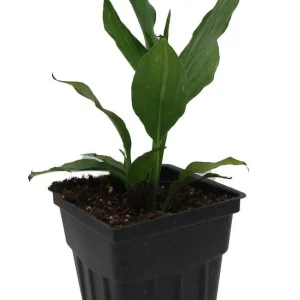
This offering is for a healthy peace lily live plant, shipped in a convenient 2.5″ Pot, making it a perfect size for a desk, shelf, or as part of a larger plant arrangement. At this stage, the plant typically stands approximately 4-8 inches tall from the base of the pot, with a compact spread suitable for immediate display. As it matures, a Peace Lily can typically grow to a height of 1-3 feet tall and equally wide, depending on the specific variety and growing conditions. Its growth rate is moderate, allowing you to enjoy its development over time. When you receive your indoor peace lily, it will be a well-rooted specimen, ready to adapt to its new home. It will arrive carefully packaged to ensure its safety during transit, preserving its lush foliage and potential for future blooms.
The plant will begin to produce its characteristic white spathes, which are long-lasting and contribute significantly to its ornamental value, once it is well-established and receiving adequate indirect light. While they can bloom multiple times a year, the most prolific flowering typically occurs in spring and summer. With proper spathiphyllum care, this plant will continue to grow and flourish, potentially requiring repotting into a slightly larger container every 1-2 years to accommodate its root system. Its robust nature and manageable size make it an excellent choice for bringing natural beauty into any indoor setting.
Frequently Asked Questions
- Q: How big does this plant get? A: This peace lily live plant is shipped in a 2.5″ pot and is typically 4-8 inches tall. With proper care, it can grow to 1-3 feet tall and wide at maturity.
- Q: What size pot does it come in? A: This Peace Lily is delivered in a 2.5″ Pot, which is a great starter size for establishing it in your home.
- Q: Is this an indoor or outdoor plant? A: The Peace Lily is primarily an indoor peace lily. It thrives in typical household temperatures and humidity, but can be placed outdoors in shaded areas during warm summer months in appropriate USDA zones.
- Q: How much sunlight does it need? A: This is a fantastic low light houseplant. It prefers bright, indirect light and should be kept away from direct sunlight, which can scorch its leaves.
- Q: Is this plant easy to care for? A: Yes, spathiphyllum care is considered easy. Its unique ability to droop when thirsty makes watering straightforward, making it ideal for beginners.
- Q: What condition will it arrive in? A: Your peace lily live plant will arrive carefully packaged, healthy, and well-rooted, ready to be introduced to its new environment. We ensure safe transit for our plants.
- Q: Is it shipped in soil? A: Yes, the Peace Lily is shipped actively growing in its 2.5″ nursery pot with appropriate potting mix, ensuring minimal shock upon arrival.
- Q: How long until it blooms? A: With good indirect light and consistent spathiphyllum care, your Peace Lily can start producing its signature white spathes within a few months, with peak blooming in spring and summer.
- Q: Is it pet-safe? A: While often kept by pet owners, Peace Lilies are mildly toxic if ingested and can cause irritation. It’s best to keep them out of reach of pets.
- Q: What’s the minimum temperature it can tolerate? A: Peace Lilies are tropical plants and prefer temperatures between 65-80°F (18-27°C). They should not be exposed to temperatures below 45°F (7°C).


Reviews
There are no reviews yet.