Overview
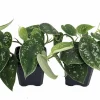
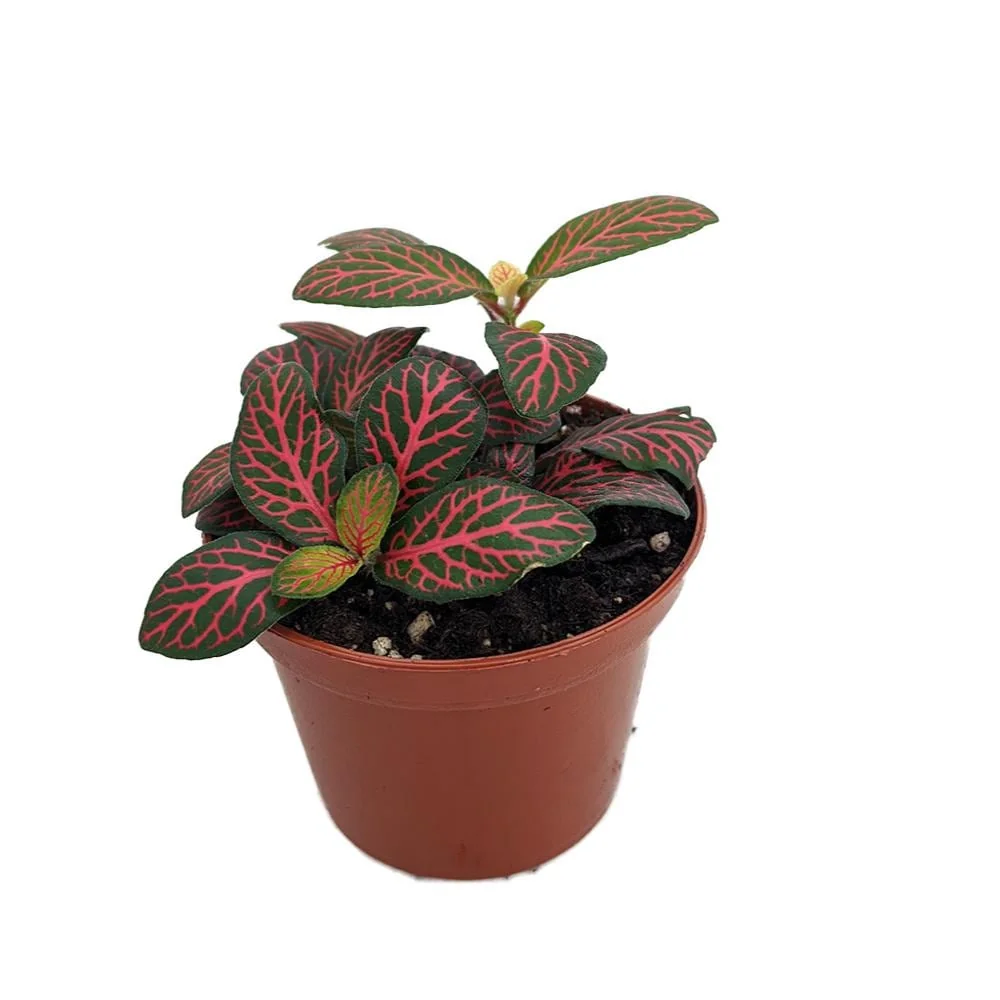
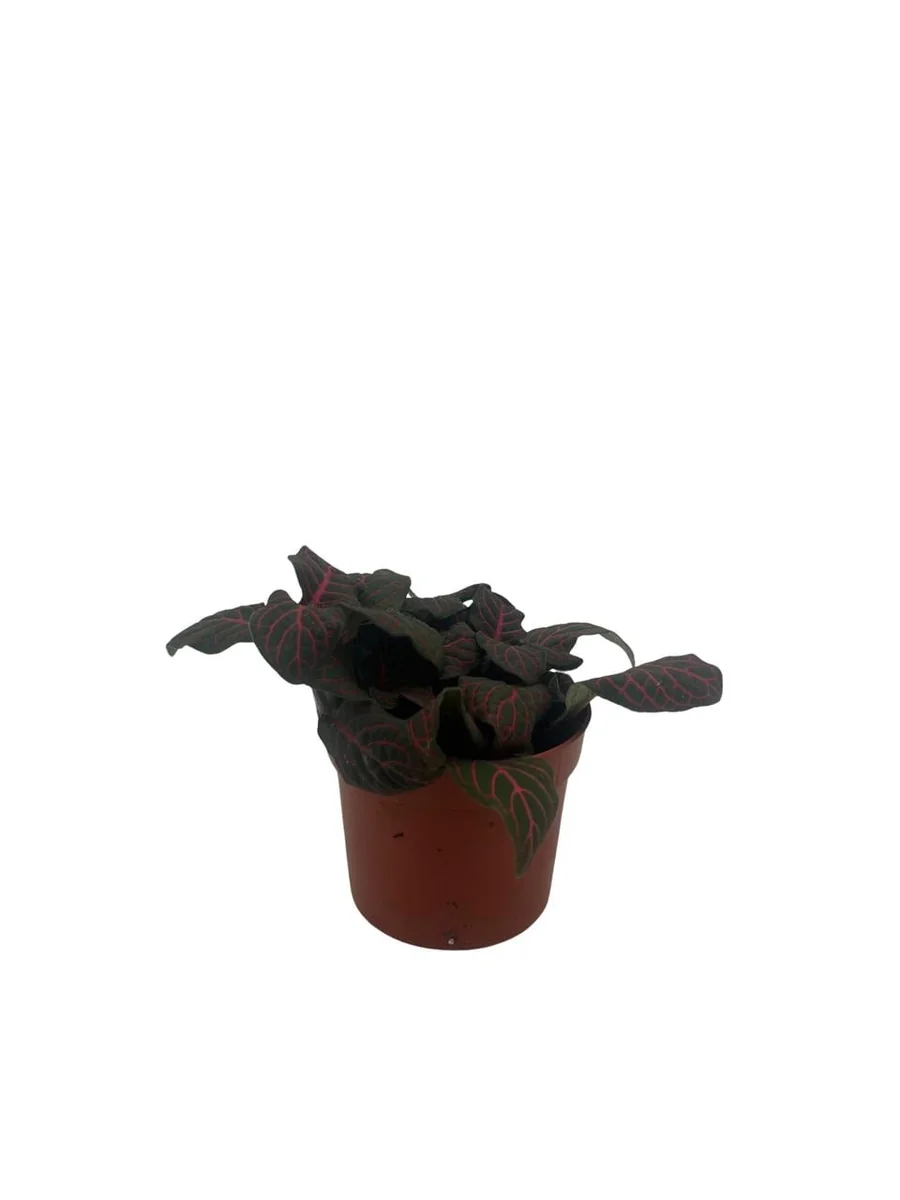
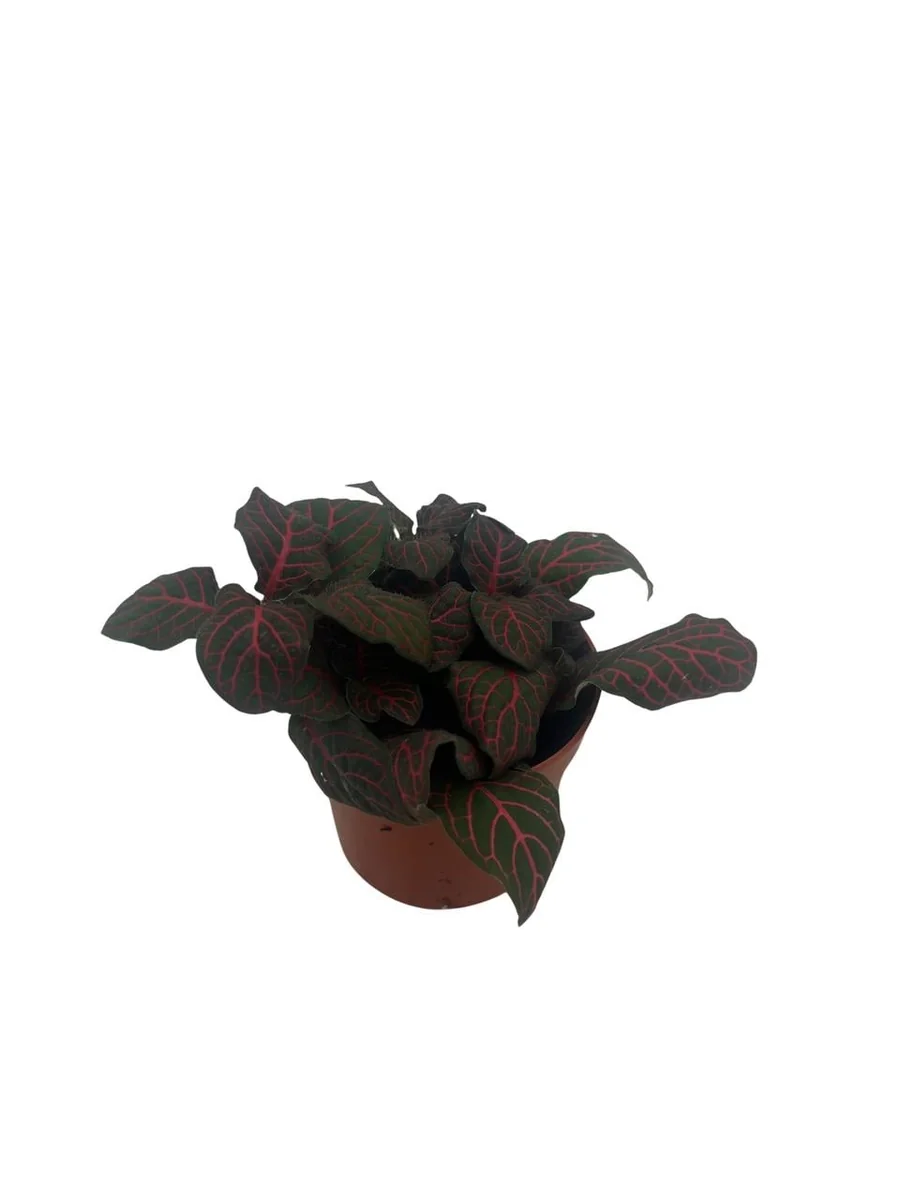
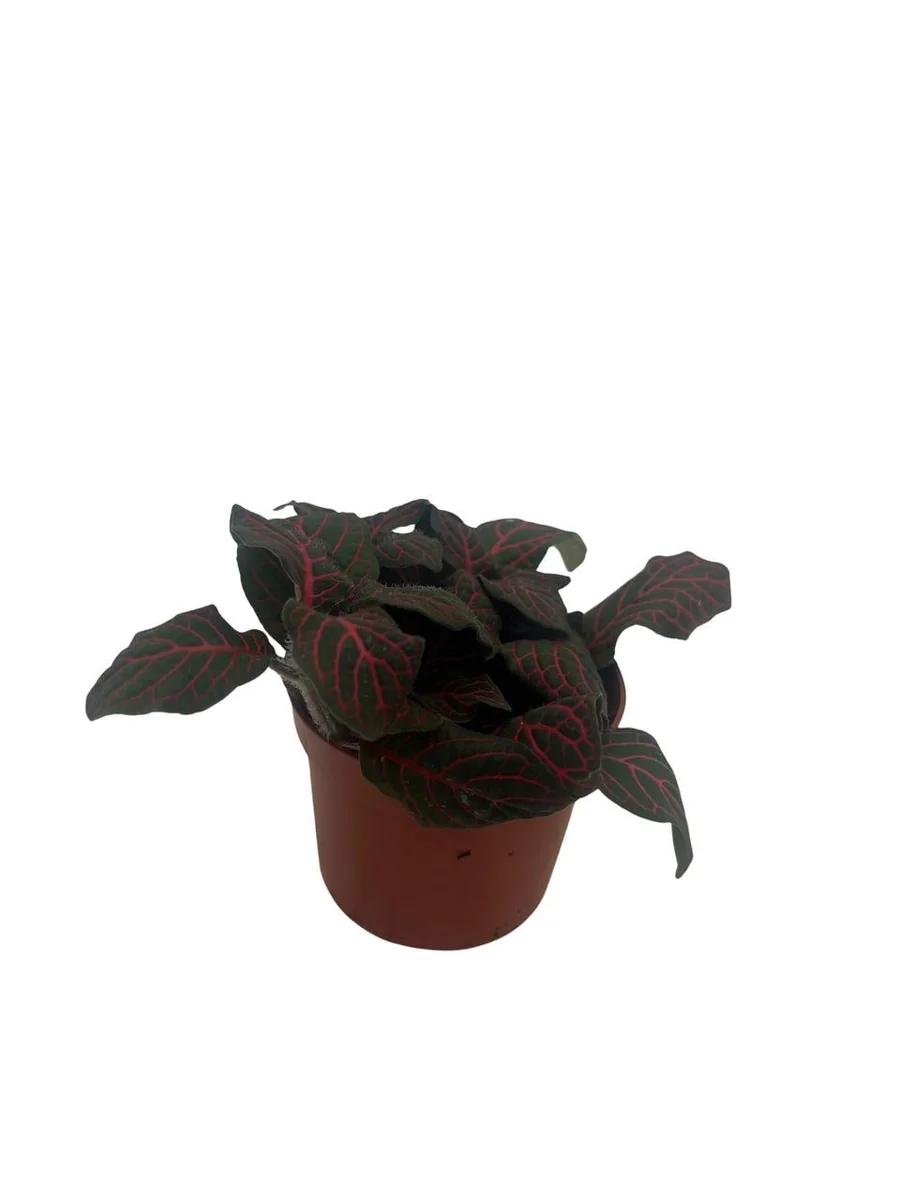
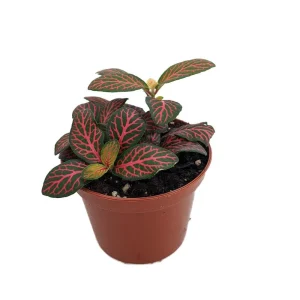
Introduce a vibrant splash of natural beauty to your indoor sanctuary with the exquisite mini red veined nerve plant. This captivating Fittonia, also widely recognized as the Nerve Plant, is celebrated for its stunning foliage, featuring delicate green leaves intricately patterned with striking red veins. As a popular fittonia house plant, it’s an ideal choice for both novice and experienced plant enthusiasts due to its relatively straightforward care requirements. Originating from the tropical rainforests of South America, particularly Peru, the Fittonia albivenis ‘Red Vein’ variety brings a touch of exotic charm and lush greenery to any room. Its compact size and eye-catching appearance make it a perfect candidate for accentuating small spaces, adding visual interest to terrariums, or creating a vibrant display on a desk or shelf. Embrace the allure of this beautiful foliage plant and elevate your home decor with its unique texture and color.
The mini red veined nerve plant is a true gem among indoor plants, offering not just aesthetic appeal but also a unique personality. Its dramatic coloring and distinctive leaf patterns ensure it stands out, making it a fantastic conversation starter. Often chosen for its ability to thrive in controlled environments like terrariums, it also flourishes in standard pots, provided its specific needs are met. This easy indoor plant is a testament to nature’s artistry, proving that even small plants can make a significant impact on an interior space. Discover the joy of nurturing this charming Fittonia and watch as its vivid hues brighten your everyday surroundings.
Key Benefits
The mini red veined nerve plant offers a multitude of benefits that make it a cherished addition to any indoor plant collection. Beyond its undeniable beauty, this plant is a fantastic choice for enhancing your living or working environment.
- Stunning Visual Appeal: The vibrant red veins contrasting against the deep green foliage create an eye-catching display. This intricate pattern adds unique texture and color, making it a focal point in any room or terrarium.
- Compact & Versatile Size: Its small and manageable growth habit means it fits perfectly in tight spaces, on windowsills, bookshelves, or as part of a miniature garden. This versatility makes the fittonia house plant suitable for various decorative styles.
- Easy to Care For: Despite its exotic appearance, the mini red veined nerve plant is surprisingly low-maintenance. It’s an excellent choice for beginners looking to add a touch of greenery without extensive effort, making it an easy indoor plant to grow.
- Terrarium Favorite: Its love for humidity and compact growth make it an ideal candidate for enclosed terrarium environments, where it can truly thrive and create a lush, miniature ecosystem.
- Air Quality Enhancement: Like many houseplants, Fittonia contributes to a healthier indoor environment by naturally filtering airborne toxins and releasing oxygen, promoting a fresher atmosphere.
- Boosts Mood & Well-being: Surrounding yourself with plants, especially those with vibrant colors like the red fittonia plant, has been shown to reduce stress, improve focus, and generally enhance feelings of well-being and calmness.
- Unique Foliage Texture: The slightly crinkled, soft texture of its leaves adds another dimension of interest, inviting closer inspection and appreciation of its natural beauty.
Plant Care & Growing Tips
Caring for your mini red veined nerve plant is a rewarding experience, and with a few key considerations, it will flourish beautifully. The primary secret to successful nerve plant care lies in replicating its native tropical environment, focusing on consistent moisture and high humidity.
Sunlight Requirements: This fittonia house plant thrives in bright, indirect light. Direct sunlight can scorch its delicate leaves, causing them to fade or burn. An east-facing window is often ideal, providing gentle morning sun, or a few feet away from a south or west-facing window. If leaves appear dull or growth is leggy, it may need slightly more light. Too little light, and the vibrant red veins may not be as pronounced. Rotate the plant periodically to ensure even growth.
Watering Schedule and Soil Moisture: The Nerve Plant prefers consistently moist soil but absolutely detests being waterlogged. Water thoroughly when the top inch of soil feels dry to the touch, ensuring excess water drains away. Never let the pot sit in standing water, as this can lead to root rot. If the plant dramatically wilts, it’s often a sign it’s thirsty; a good watering will usually revive it quickly. This dramatic wilting is a key indicator for effective nerve plant care. Reduce watering slightly during its resting period in winter.
Soil Type and Drainage: Use a high-quality, well-draining potting mix. A standard houseplant mix amended with perlite or peat moss works well to retain some moisture while preventing sogginess. Good drainage is crucial for the health of your mini red veined nerve plant.
Temperature and Humidity: Fittonia prefers warm temperatures, ideally between 65-80°F (18-27°C). Avoid sudden temperature drops or cold drafts. High humidity is paramount for this tropical plant. If your home has dry air, consider placing the pot on a pebble tray with water, grouping it with other plants, or using a humidifier. Misting can also help but is often not enough on its own. This high humidity requirement is vital for keeping your red fittonia plant happy and healthy.
Fertilization: Feed your mini red veined nerve plant monthly during the active growing season (spring and summer) with a balanced liquid houseplant fertilizer diluted to half strength. Reduce feeding to bi-monthly or cease entirely during the fall and winter months when the plant’s growth naturally slows down. Over-fertilization can lead to nutrient burn.
Pruning: Trim back leggy stems to encourage bushier growth and maintain a compact shape. Pinching off the growing tips will promote branching and a fuller appearance. You can also prune to remove any yellowing or damaged leaves. Pruning is an important part of maintaining a healthy and attractive fittonia house plant.
Size & Details
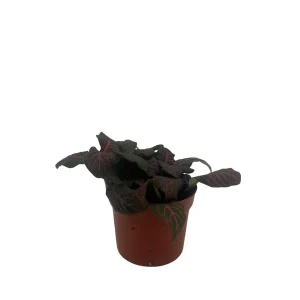
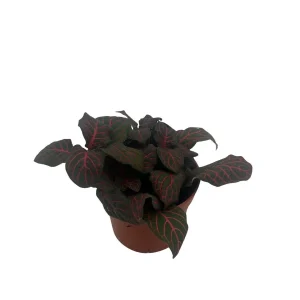
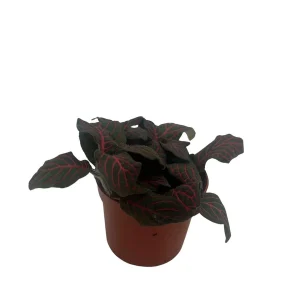
This offering is for a vibrant mini red veined nerve plant, specifically a Fittonia, cultivated to bring lush greenery and striking color to your indoor environment. Each plant is carefully grown and shipped in a 2.5-inch nursery pot, providing a perfect foundation for its continued growth in your home. At this size, the plant is typically compact, measuring approximately 3-5 inches in height and spread, ideal for immediate placement on a desk, shelf, or as a charming addition to a terrarium. Its growth rate is moderate, and with proper nerve plant care, it can eventually reach a spread of up to 6-12 inches, though it can be easily maintained at a smaller size through regular pruning. The plant is shipped as a live, established specimen, ready to thrive in its new home. Expect to see lively foliage with clearly defined red veins, characteristic of a healthy red fittonia plant.
Frequently Asked Questions
- Q: How big does this plant get? A: The mini red veined nerve plant typically grows to about 6-12 inches in height and spread when mature, but it can be kept smaller with regular pruning. It’s perfect for compact spaces.
- Q: What size pot does it come in? A: This fittonia house plant is shipped in a 2.5-inch nursery pot, providing a good starting point for its root system. You can repot it into a slightly larger decorative pot upon arrival if desired.
- Q: Is this an indoor or outdoor plant? A: The mini red veined nerve plant is primarily an easy indoor plant, thriving in the stable temperatures and high humidity typical of indoor environments. It is not suited for outdoor conditions in most climates.
- Q: How much sunlight does it need? A: It requires bright, indirect light. Avoid direct sunlight, which can burn its delicate leaves. A North or East-facing window is usually ideal, or a spot a few feet away from a brighter window.
- Q: Is this plant easy to care for? A: Yes, it is considered an easy indoor plant, especially if you can provide consistent moisture and high humidity. Its dramatic wilting when thirsty makes nerve plant care straightforward as it clearly signals its needs.
- Q: What condition will it arrive in? A: Your mini red veined nerve plant will arrive as a healthy, live plant, carefully packaged to ensure its safety during transit. It will be in its nursery pot with soil.
- Q: Is it pet-safe? A: Fittonia plants are generally considered non-toxic to cats and dogs, making the red fittonia plant a safe choice for homes with pets. However, it’s always best to prevent pets from consuming large amounts of any plant material.
- Q: How often should I water my nerve plant? A: Water when the top inch of soil feels dry. The plant prefers consistently moist, but not soggy, soil. It’s known for its dramatic wilting when thirsty, which quickly recovers after watering.
- Q: Can I put my Fittonia in a terrarium? A: Absolutely! Fittonia plants, including the mini red veined nerve plant, are excellent choices for terrariums due to their love for high humidity and compact growth habit.
- Q: Why are my nerve plant’s leaves turning brown? A: Brown, crispy leaves often indicate a lack of humidity or underwatering. Ensure you’re maintaining consistent soil moisture and providing adequate humidity for your fittonia house plant.


Reviews
There are no reviews yet.