Overview
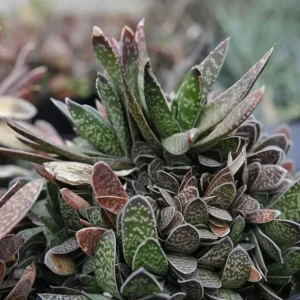
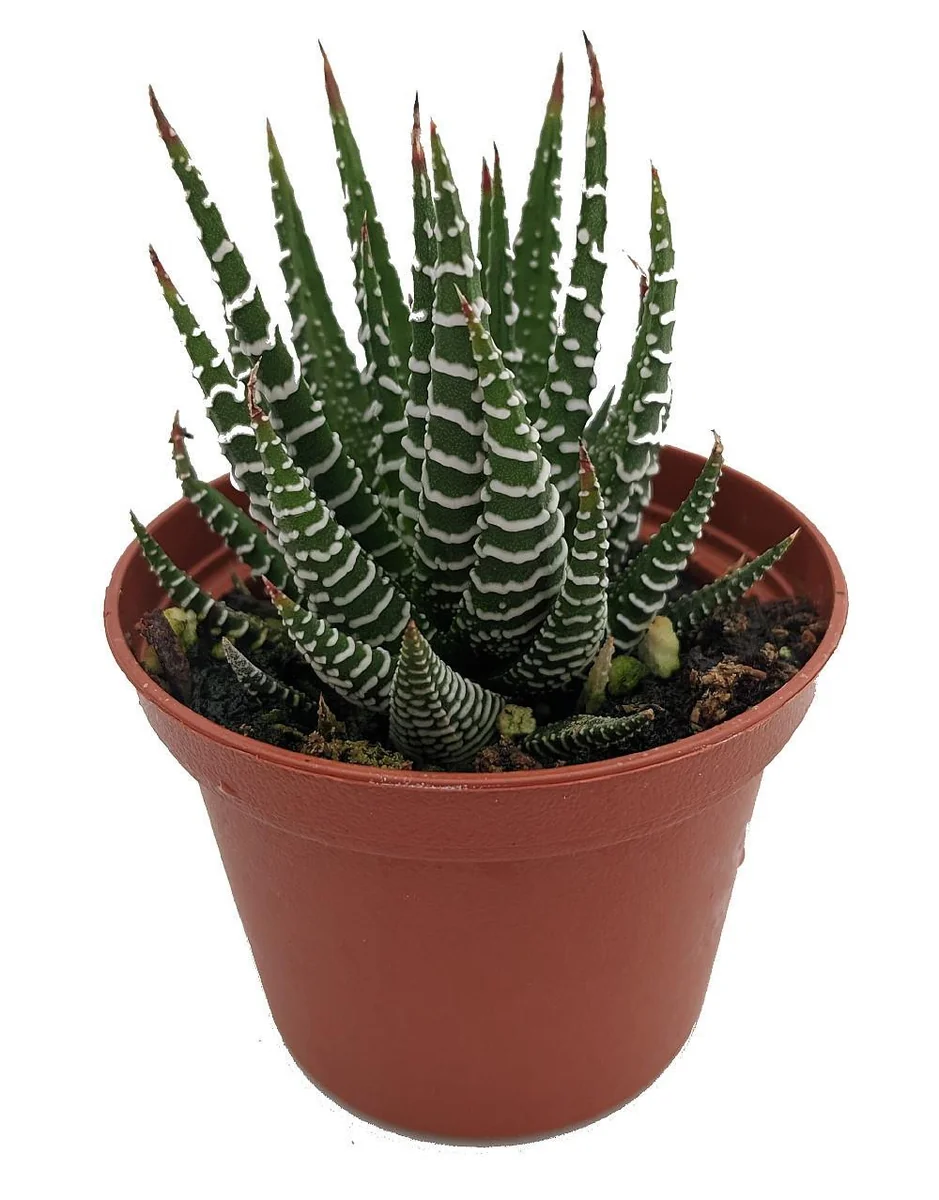
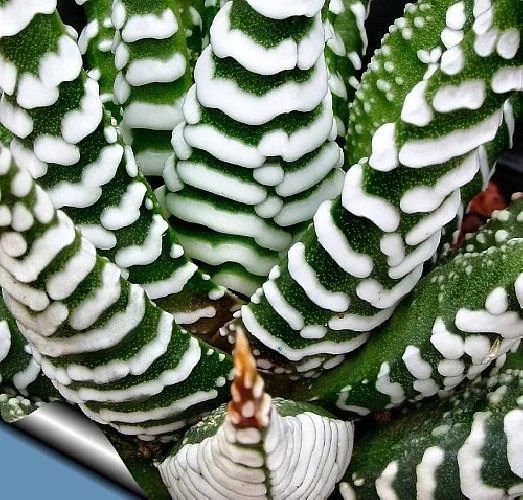
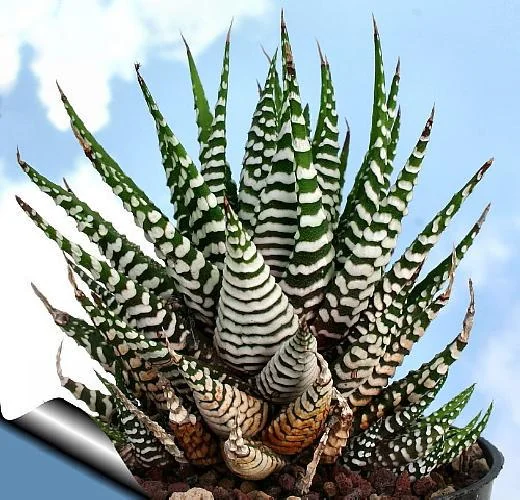
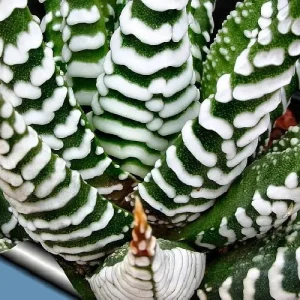
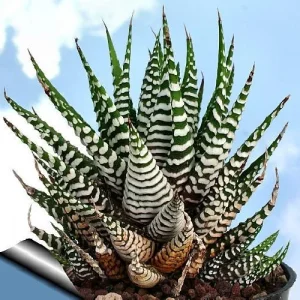
Introduce a touch of natural artistry to your home with the captivating zebra haworthia live plant. This distinctive succulent, scientifically known as Haworthia fasciata, is celebrated for its striking white, zebra-like bands that adorn its dark green, triangular leaves. Originating from South Africa, this compact and resilient plant is a fantastic choice for both seasoned plant enthusiasts and those new to gardening. Unlike many plants, the zebra haworthia live plant is remarkably forgiving, requiring minimal attention to flourish. Its architectural form and unique patterning make it an excellent focal point in small spaces, adding texture and visual interest without demanding extensive care or space.
The Haworthia fasciata, often confused with Haworthia attenuata due to similar appearances, is a popular succulent that forms neat rosettes. These plants grow slowly, eventually producing small offsets around the base, which can be propagated to create new plants. Occasionally, a slender flower spike will emerge from the center, bearing tiny, inconspicuous white flowers. This easy care succulent is perfect for desks, windowsills, or terrariums, bringing a slice of the desert’s unique flora into your living environment.
Key Benefits
The zebra haworthia live plant offers a multitude of advantages beyond its aesthetic appeal, making it a highly desirable addition to any plant collection. Its robust nature and charming appearance contribute to a positive and serene indoor atmosphere.
- Low Maintenance Marvel: This succulent is incredibly easy to care for, requiring infrequent watering and minimal fuss. It’s the perfect plant for those with busy schedules or anyone seeking a beautiful yet undemanding companion.
- Striking Visual Appeal: The distinctive white stripes on its dark green leaves create a bold, graphic pattern that stands out. It adds a modern and sophisticated touch to any interior decor.
- Compact Size: Growing to only a few inches tall, the zebra haworthia live plant is ideal for small living spaces, shelves, desks, or as part of a succulent arrangement. It won’t outgrow its spot quickly.
- Drought Tolerant: As a succulent, it naturally stores water in its leaves, making it highly resilient to periods of drought. This forgiving nature means you don’t have to worry about daily watering.
- Air Purification: Like many houseplants, Haworthias contribute to slightly improved indoor air quality by absorbing certain toxins and releasing oxygen, albeit on a smaller scale due to their size.
- Beginner-Friendly: Its hardy nature and simple care requirements make it an excellent starter plant. Learning to care for a zebra haworthia live plant builds confidence for aspiring plant parents.
- Unique Foliage Texture: The slightly bumpy texture of its leaves adds another layer of sensory interest, making it a fascinating plant to observe and admire.
Plant Care & Growing Tips
Caring for your zebra haworthia live plant is straightforward, making it a joy to grow. Understanding its basic needs will ensure a thriving and healthy succulent for years to come. These plants prefer conditions similar to their natural arid habitats.
Sunlight Requirements: Place your zebra haworthia live plant in a location that receives bright, indirect light. A south-facing window is often ideal, but ensure it’s not exposed to intense, direct afternoon sun, which can scorch its leaves. While it tolerates lower light conditions, too little light can lead to stretching (etiolation) and loss of its vibrant color. Rotate the pot occasionally to ensure even growth. For optimal growth, replicate its natural habitat where it often grows under the shade of larger plants or rocks.
Watering Schedule & Soil Moisture: The most crucial aspect of haworthia fasciata care is proper watering. Allow the soil to dry out completely between waterings. Typically, watering once every three to four weeks is sufficient, but this can vary based on light, temperature, and humidity. During winter months, reduce watering even further. When you do water, soak the soil thoroughly until water drains from the bottom of the pot, then discard any excess water. Overwatering is the biggest killer of succulents, leading to root rot. If you’re unsure, it’s always better to underwater than overwater. The leaves should feel firm; if they become soft and mushy, it’s a sign of overwatering; if they shrivel, it indicates underwatering.
Soil Type & Drainage: Use a well-draining potting mix specifically formulated for succulents and cacti. A standard potting mix amended with perlite, pumice, or coarse sand will also work. Excellent drainage is paramount to prevent waterlogging and root rot. Ensure the pot has drainage holes. The ideal soil pH for haworthias is slightly acidic to neutral.
Temperature Range & USDA Hardiness Zone: Zebra haworthia thrives in average room temperatures, ideally between 65-80°F (18-27°C). It is not frost-tolerant and should be protected from temperatures below 50°F (10°C). As an indoor plant, it’s generally grown outside of USDA zones, but if placed outdoors in suitable climates, it would do well in USDA zones 9-11, provided it’s protected from excessive rain and cold snaps. Sudden temperature fluctuations should be avoided.
Fertilization Schedule & Type: Fertilize sparingly during the growing season (spring and summer) with a diluted liquid succulent or cactus fertilizer. Feeding 3 or 4 times per year is usually ample. Reduce or cease fertilization during the dormant winter months. Over-fertilizing can harm the plant. For healthy growth of your zebra succulent indoor plant, a balanced approach to feeding is best.
Common Problems & Solutions: The most common issue is root rot from overwatering. Ensure good drainage and allow soil to dry. Pests like mealybugs can occasionally appear; treat with rubbing alcohol on a cotton swab or insecticidal soap. If leaves turn yellow or brown, it could be due to too much direct sun or improper watering. Adjust conditions accordingly. You may notice small offshoots appearing around the base; these can be carefully separated and propagated to grow new plants, helping you expand your collection of haworthia attenuata or fasciata.
Size & Details
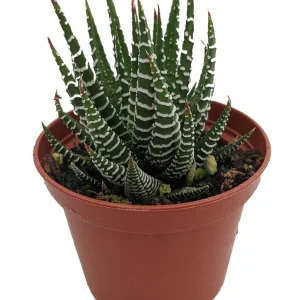
This offering is for one zebra haworthia live plant, potted in a convenient 2.5-inch nursery pot. At this size, the plant typically stands about 2-4 inches tall and wide, forming a compact rosette. As it matures, it will slowly grow larger, reaching up to 6-8 inches in height and width, and will begin to produce offsets around its base, creating a fuller cluster. Your plant will arrive healthy and actively growing, ready to be placed in its new home or repotted into a decorative container of your choice. The slow growth rate ensures it remains a manageable size for many years, making it an excellent long-term indoor companion. The plant is shipped in its nursery pot with soil, ensuring a smooth transition upon arrival.
Frequently Asked Questions
- Q: How big does this plant get? A: The zebra haworthia live plant typically grows to about 4-8 inches tall and wide when mature, forming a compact rosette. Its slow growth rate means it will maintain a manageable size for a long time.
- Q: What size pot does it come in? A: This zebra haworthia live plant is shipped in a 2.5-inch nursery pot, perfectly sized for its current stage of growth. You can repot it into a slightly larger decorative pot upon arrival if desired.
- Q: Is this an indoor or outdoor plant? A: While it can tolerate outdoor conditions in very warm, arid climates (USDA zones 9-11), the zebra haworthia live plant is predominantly grown as an indoor succulent. It thrives in controlled indoor environments where it’s protected from frost and excessive moisture.
- Q: How much sunlight does it need? A: It prefers bright, indirect sunlight. A south-facing window with some protection from intense afternoon sun is ideal. Too much direct sun can scorch its leaves, while too little can lead to leggy growth.
- Q: Is this plant easy to care for? A: Yes, the zebra haworthia live plant is considered an easy care succulent, making it excellent for beginners. Its primary requirements are bright, indirect light and infrequent watering.
- Q: What condition will it arrive in? A: Your zebra haworthia live plant will arrive healthy and securely packaged in its nursery pot with soil, ready for its new home. We take great care to ensure safe transit.
- Q: How often should I water my Zebra Haworthia? A: Water sparingly. Allow the soil to dry out completely between waterings, typically every 3-4 weeks. Reduce watering significantly during the cooler winter months to prevent root rot.
- Q: Can I propagate this plant? A: Yes, Haworthia fasciata care often includes propagation. As the plant matures, it will produce small offsets or ‘pups’ around its base. These can be carefully separated and replanted to grow new individuals.
- Q: What type of soil is best for a zebra succulent indoor plant? A: A well-draining succulent or cactus potting mix is essential. You can also create your own by mixing regular potting soil with perlite or coarse sand to improve drainage.
- Q: Is this plant related to haworthia attenuata? A: Yes, Haworthia fasciata and Haworthia attenuata are closely related species within the Haworthia genus and are often confused due to their similar appearance and common names like ‘Zebra Plant’. Both are popular, easy-care succulents.


Reviews
There are no reviews yet.