Overview
Introduce an element of exotic mystery to your home or garden with the incredible night blooming cactus live plant, scientifically known as Acanthocereus tetragonus. This captivating succulent is celebrated for its spectacular, fragrant flowers that unfurl only after dusk, offering a truly unique botanical experience. Our Acanthocereus tetragonus care guide will help you nurture this intriguing plant, which is native to regions spanning from Florida and the Lower Rio Grande Valley of Texas down through Mexico, Central America, and parts of South America. It’s often recognized by common names such as Night-Blooming Cereus, Barbed-Wire Cactus, and sword-pear cactus, making it a conversation starter for any enthusiast.
This resilient and visually striking cactus thrives in environments that mimic its natural habitat, enjoying plenty of sun and well-drained soil. Its architectural stems, which can sometimes appear triangular (hence the name triangle cactus for sale), add a distinctive texture to your plant display. Whether you’re a seasoned collector or new to the world of succulents, this night blooming cactus live plant promises to be a rewarding and beautiful addition, bringing a touch of the wild desert night to your personal oasis.
Key Benefits
Owning a night blooming cactus live plant comes with a multitude of benefits, from its stunning aesthetics to its low-maintenance nature. Here are some of the key advantages of adding Acanthocereus tetragonus to your collection:
-
Spectacular Nocturnal Blooms
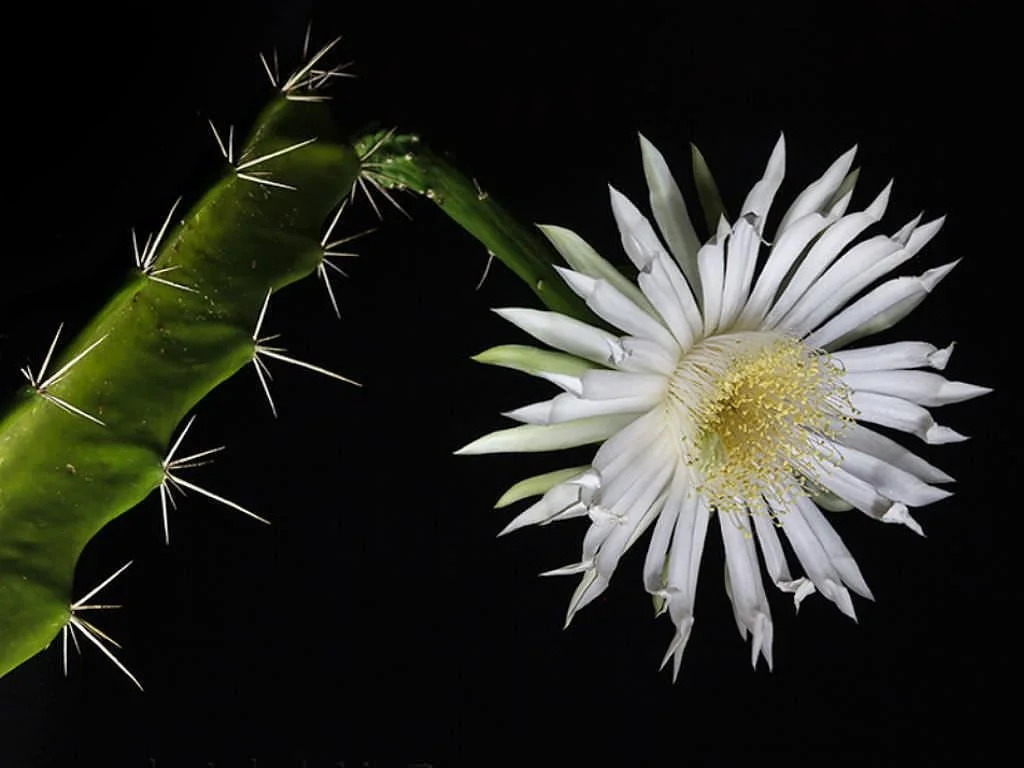
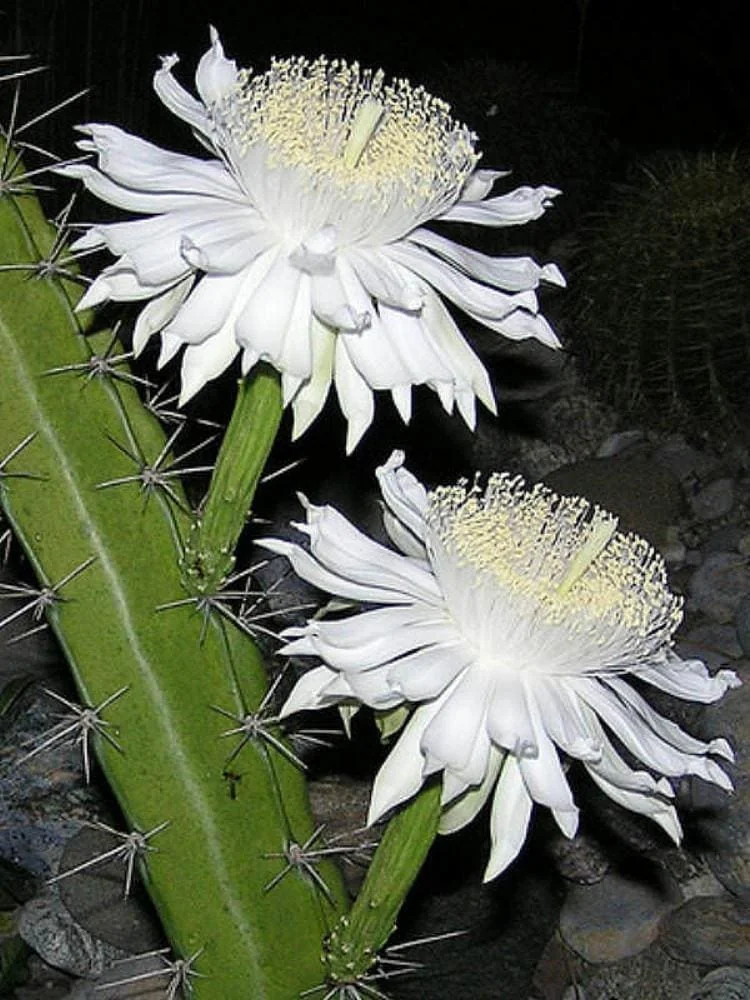
The most remarkable feature of the night blooming cactus live plant is its large, fragrant flowers that open at night. These ephemeral blooms are a rare and beautiful sight, creating a magical experience for those who witness them.
-
Unique Architectural Form
With its distinctive, often columnar and sometimes triangular stems, the Acanthocereus tetragonus care is simple, and it provides an interesting structural element to any plant arrangement. Its unique growth habit makes it a focal point in both indoor and outdoor settings.
-
Low Maintenance & Drought Tolerant
As a cactus, this plant is incredibly forgiving and requires minimal attention once established. It is highly drought-tolerant, making it an excellent choice for busy individuals or those looking for a plant that doesn’t demand constant watering. It’s a perfect example of a hardy sword-pear cactus.
-
Versatile Placement
While it loves the sun, this cactus can adapt to various light conditions, making it suitable for bright windowsills indoors or sunny garden spots outdoors in appropriate climates. Its adaptability contributes to its appeal as a versatile triangle cactus for sale.
-
Air Purification Qualities
Like many plants, the night blooming cactus live plant contributes to a healthier indoor environment by absorbing carbon dioxide and releasing oxygen, especially at night when its flowers are open, subtly improving air quality.
-
Resilience and Longevity
Acanthocereus tetragonus is a robust plant that, with proper Acanthocereus tetragonus care, can live for many years, growing into an impressive specimen that continues to reward you with its unique blooms season after season.
-
Easy Propagation
For those interested in expanding their collection, this cactus is relatively easy to propagate from stem cuttings, allowing you to share its beauty with friends and family.
Plant Care & Growing Tips
Providing the right conditions is key to ensuring your night blooming cactus live plant thrives and produces its stunning nocturnal flowers. The primary requirement for healthy growth is ample sunlight. This cactus loves bright, direct sun, so place it in a location where it can receive at least 6 hours of direct sunlight daily. Indoors, a south-facing window is ideal. While it tolerates some partial shade, too little light can lead to leggy growth and fewer blooms.
When it comes to watering, the golden rule for Acanthocereus tetragonus care is to allow the soil to dry out completely between waterings. Overwatering is the most common cause of root rot in cacti. During the active growing season (spring and summer), water thoroughly until water drains from the bottom of the pot, then wait until the soil is bone dry before watering again. Reduce watering significantly in fall and winter. For soil, a well-draining cactus or succulent mix is essential. You can amend regular potting soil with perlite or coarse sand to improve drainage. This plant is not fussy about soil pH, as long as it drains well.
This robust sword-pear cactus is quite cold-hardy for a tropical cactus, tolerating temperatures down to about 20-25°F (-6 to -4°C) for short periods, but it generally prefers warmer climates. It is best suited for USDA Zones 9-11 if planted outdoors. If growing indoors, protect it from drafts and maintain average room temperatures. Fertilize sparingly during the growing season with a diluted, balanced liquid fertilizer formulated for cacti and succulents, typically once a month. Pests are rarely an issue, but occasionally mealybugs or spider mites can appear. Treat with insecticidal soap if needed. With consistent Acanthocereus tetragonus care, your plant will grow strong and produce beautiful blooms.
Size & Details
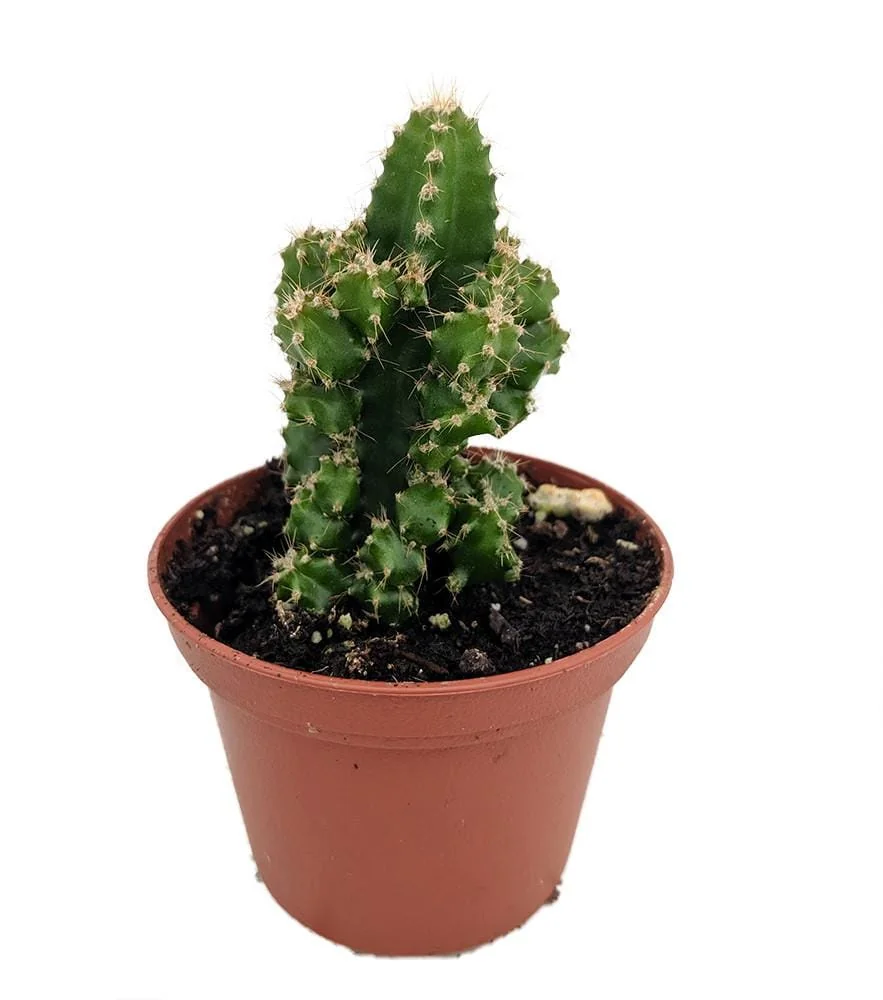
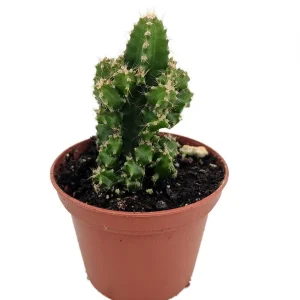
This offering is for a night blooming cactus live plant, specifically Acanthocereus tetragonus, presented in a 2.5-inch nursery pot. At this size, the plant is young but established, ready to grow and develop its unique form. The triangle cactus for sale typically grows as a sprawling shrub or climbing vine in its natural habitat, eventually reaching heights of 10-20 feet or more when mature, with stems that can be 1-3 inches thick. In a container, its size will be more constrained, making it manageable for indoor spaces or smaller outdoor gardens. Expect a moderate growth rate, with the plant adding several inches to a foot of growth per year under optimal conditions. While it may take a few years to reach flowering maturity from this small pot size, the journey of watching it grow is part of its charm. The plant will be shipped in its nursery pot with soil, ensuring minimal transplant shock and a healthy start in its new home.
Frequently Asked Questions
- Q: How big does this night blooming cactus get? A: In its natural environment, the night blooming cactus live plant can grow quite large, reaching up to 10-20 feet tall as a climbing or sprawling shrub. When grown in a pot, its size is much more manageable and can be controlled by pruning and pot size, typically staying within a few feet in height.
- Q: What size pot does it come in? A: This night blooming cactus live plant is supplied in a 2.5-inch nursery pot, providing a healthy start for its growth.
- Q: Is this an indoor or outdoor plant? A: The night blooming cactus live plant can be grown both indoors and outdoors. Outdoors, it thrives in USDA Zones 9-11. Indoors, it needs a bright, sunny location, such as a south-facing window.
- Q: How much sunlight does it need? A: This sword-pear cactus prefers full sun, meaning at least 6 hours of direct sunlight per day. It can tolerate some partial shade but will produce fewer blooms in lower light conditions.
- Q: Is this plant easy to care for? A: Yes, Acanthocereus tetragonus care is considered relatively easy, making it suitable for both beginner and experienced plant enthusiasts. Its drought tolerance and minimal feeding requirements simplify its upkeep.
- Q: What condition will it arrive in? A: Your night blooming cactus live plant will arrive carefully packaged in its 2.5-inch nursery pot with soil, ensuring it is healthy and ready to be placed in its new home.
- Q: How long until it blooms? A: From a 2.5-inch pot, it typically takes a few years for the night blooming cereus to mature enough to produce its first flowers. Patience will be rewarded with spectacular nocturnal blooms.
- Q: When is the best time to plant? A: For outdoor planting, spring to early summer is ideal. For indoor growing, you can plant or repot your triangle cactus for sale year-round.
- Q: What type of soil does it need? A: A well-draining cactus or succulent potting mix is essential. Good drainage is crucial to prevent root rot in this night blooming cactus live plant.
- Q: Will it survive winter in my zone? A: If you are in USDA Zones 9-11, it can typically survive mild winters outdoors. In colder zones, it must be brought indoors before the first frost to protect it from freezing temperatures.


Reviews
There are no reviews yet.