Overview
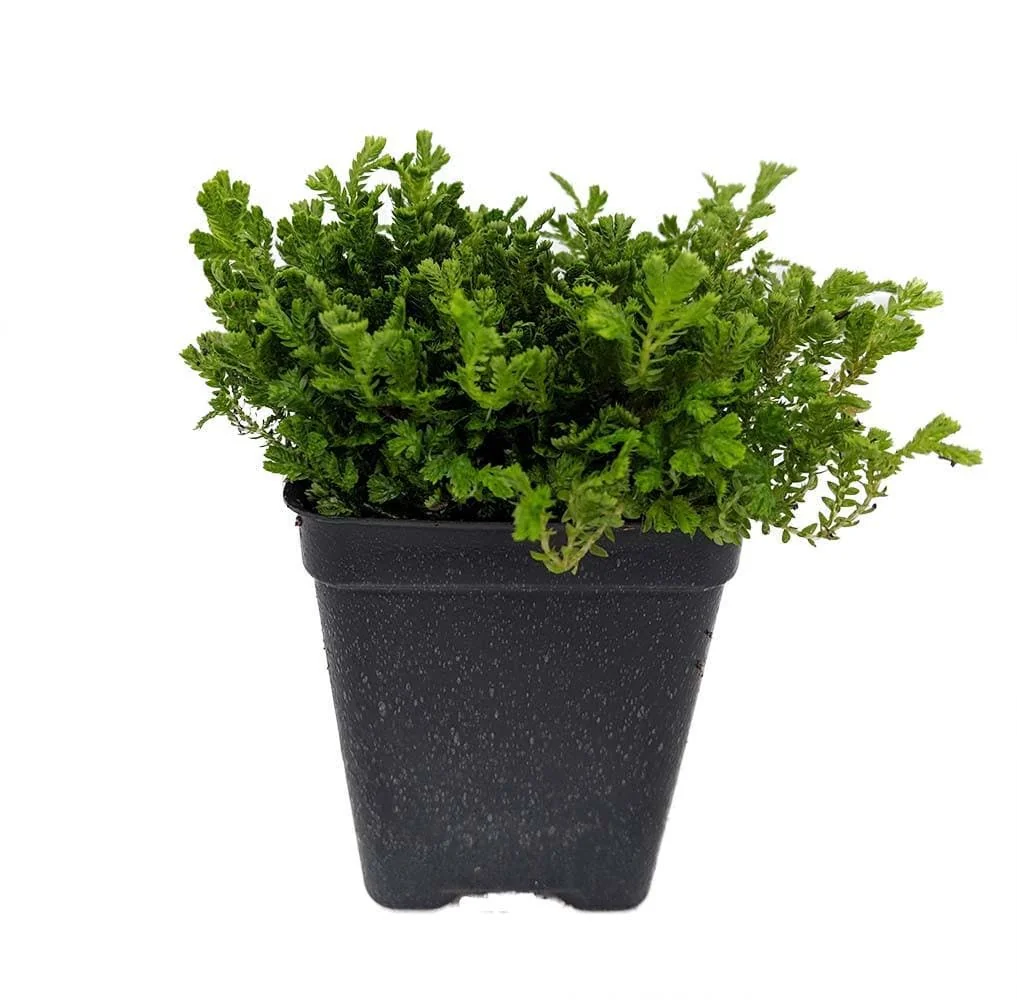
Introduce a touch of ancient elegance to your indoor plant collection with the green spikemoss live plant (Selaginella). This fascinating perennial is not a true fern, but rather a ‘fern ally’, belonging to a genus boasting over 700 species. Selaginella, commonly known as spikemoss, creates dense, soft mounds of scale-like leaves that are ideal for adding texture and visual interest to a variety of settings. Its creeping growth habit makes it a superb choice for groundcover in shaded areas, mimicking the lush undergrowth of a forest floor. This particular green spikemoss live plant comes in a convenient 2.5-inch pot, ready to transform your terrarium, fairy garden, or shaded indoor planter into a miniature natural landscape. Known for its primitive beauty and unique growth pattern, spikemoss offers a distinct aesthetic that differs from traditional ferns.
The Selaginella genus is renowned for its adaptability to specific growing conditions, primarily requiring ample moisture and high humidity. These characteristics make it a natural fit for enclosed environments like terrariums, where these conditions can be easily maintained. The delicate, textured foliage of the green spikemoss live plant provides a vibrant green carpet, enhancing the beauty of any miniature ecosystem. Whether you’re a seasoned plant enthusiast or a newcomer to indoor gardening, this spikemoss variety offers a rewarding and visually stunning addition to your plant repertoire.
Key Benefits
The green spikemoss live plant offers numerous advantages for indoor gardeners and plant enthusiasts, providing both aesthetic appeal and environmental benefits:
- Unique Aesthetic Appeal: With its intricate, scale-like leaves and creeping growth, spikemoss forms a beautiful, dense green carpet that adds a unique texture and visual interest to terrariums, fairy gardens, and shaded planters. It creates a miniature forest floor effect.
- Ideal for Terrariums: This plant thrives in high humidity and consistent moisture, making it perfectly suited for closed or open terrariums where it can flourish and create a vibrant, self-sustaining environment. It contributes to the natural balance within these miniature ecosystems.
- Low Light Tolerance: Unlike many houseplants, spikemoss prefers shaded conditions and indirect light, making it an excellent choice for areas of your home that don’t receive abundant sunlight. This resilience simplifies placement and care.
- Enhances Humidity: As a moisture-loving plant, the green spikemoss live plant can contribute to increasing local humidity levels, which can benefit other humidity-loving plants nearby and create a more comfortable environment.
- Easy to Propagate: Once established, spikemoss can be relatively easy to propagate through stem cuttings, allowing you to expand your collection or share with friends. This makes it a rewarding plant for those who enjoy plant propagation.
- Versatile Groundcover: In appropriate indoor settings, it acts as a superb living groundcover, filling in spaces between larger plants or rocks, providing a lush, natural look. Its ability to sprawl makes it effective for covering surfaces.
- Conversation Starter: Its unusual appearance and status as a ‘fern ally’ often spark curiosity and conversation, making it a unique addition to any plant collection. This distinctive nature sets it apart from common houseplants.
Plant Care & Growing Tips
Caring for your green spikemoss live plant is straightforward, especially when its preferred spikemoss growing conditions are met. This plant thrives on consistency and high humidity. For sunlight, spikemoss prefers low to moderate indirect light. Avoid direct sunlight, as it can scorch the delicate foliage and lead to browning. An east-facing window or a shaded spot a few feet from a bright window is ideal. In terrariums, the enclosed environment naturally filters light, providing optimal conditions. Adequate light ensures vibrant green growth without stressing the plant.
Watering is crucial for selaginella care. Spikemoss requires consistently moist soil but should not be waterlogged. Water frequently enough to keep the potting mix damp, but ensure good drainage to prevent root rot. Misting daily is highly recommended to maintain the high humidity levels this plant loves. If you notice the edges of the leaves turning brown or crispy, it’s a sign that the humidity is too low or the plant is not receiving enough water. A pebble tray with water can also help increase ambient humidity around the plant. The ideal temperature range for spikemoss is between 60-75°F (15-24°C), making it well-suited for average indoor temperatures. It is not frost-tolerant and should always be kept indoors in cooler climates.
The best soil for spikemoss is a well-draining, moisture-retentive potting mix. A mix designed for ferns or African violets often works well, as it provides the right balance of drainage and water retention. Fertilize sparingly; a diluted liquid fertilizer (half strength) once a month during the growing season (spring and summer) is usually sufficient. Over-fertilization can harm the delicate roots. Pruning is generally not necessary, but you can trim back any leggy growth to maintain a more compact shape or to encourage bushier growth. Watch out for common pests like spider mites if humidity drops; regular misting can help deter them. Providing consistent moisture and high humidity are the keys to successful spikemoss growing conditions.
Size & Details
This green spikemoss live plant is supplied in a 2.5-inch nursery pot, perfectly sized for immediate integration into your terrarium, fairy garden, or small decorative planter. Selaginella is a creeping plant, and while its specific height can vary, it typically forms a dense, low-growing carpet, rarely exceeding a few inches in height. The spread can be quite significant over time, as it will naturally sprawl and fill available space, making it an excellent groundcover. It exhibits a moderate growth rate under optimal conditions, gradually expanding to create a lush green mat. Your plant will arrive as a healthy, established specimen, ready to thrive in its new environment. While it does not produce flowers, its intricate foliage provides year-round visual appeal. This terrarium plant is a mature starter plant, offering instant impact for your miniature landscapes.
Frequently Asked Questions
- Q: How big does this plant get? A: The green spikemoss live plant is a low-growing creeper, typically forming a dense mat that is only a few inches tall. Its spread can be quite extensive over time, covering the surface of its container or terrarium.
- Q: What size pot does it come in? A: This spikemoss plant comes in a 2.5-inch nursery pot, making it a perfect starter size for terrariums, small planters, or fairy gardens.
- Q: Is this an indoor or outdoor plant? A: Selaginella is primarily an indoor plant in most climates, especially given its need for high humidity and consistent temperatures. It can be grown outdoors in very warm, humid, and shaded environments within its specific hardiness zones.
- Q: How much sunlight does it need? A: This terrarium plant prefers low to moderate indirect light. Direct sunlight should be avoided as it can cause the leaves to scorch and turn brown. Shaded spots or filtered light are ideal.
- Q: Is this plant easy to care for? A: Yes, spikemoss is relatively easy to care for if its specific needs for high humidity and consistent moisture are met. It’s a great choice for those looking for a unique and rewarding plant that thrives in specific conditions.
- Q: What condition will it arrive in? A: Your green spikemoss live plant will arrive as a healthy, established plant in its nursery pot, carefully packaged to ensure its safe journey and ready for planting or display.
- Q: Can I use this plant in a closed terrarium? A: Absolutely! Spikemoss is an excellent choice for closed terrariums because the enclosed environment naturally provides the high humidity and consistent moisture that this plant absolutely loves, making for ideal spikemoss growing conditions.
- Q: How often should I water my spikemoss? A: Keep the soil consistently moist but not waterlogged. You should water when the top layer of soil just begins to feel dry to the touch. Daily misting is also highly beneficial for maintaining humidity.
- Q: Is this plant pet-safe? A: While generally considered non-toxic to pets, it’s always best to prevent pets from ingesting any houseplant. If you have concerns, consult a veterinarian.
- Q: What type of soil is best for Selaginella? A: A well-draining, moisture-retentive potting mix is best. A mix formulated for ferns or African violets often provides the ideal balance for healthy selaginella care.


Reviews
There are no reviews yet.