Overview
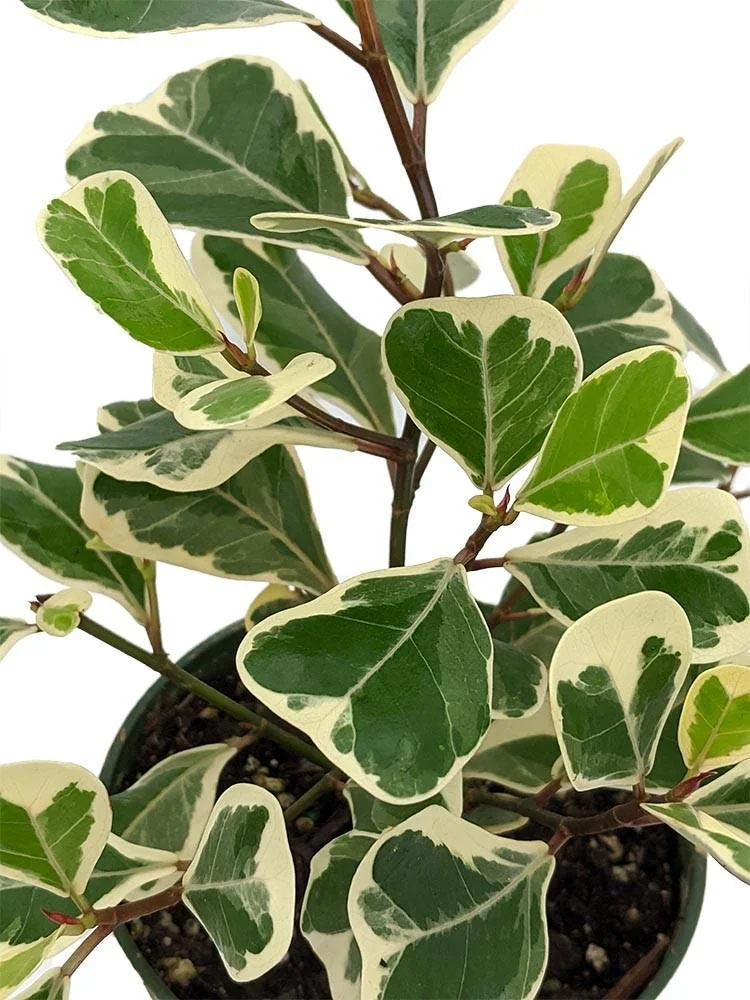
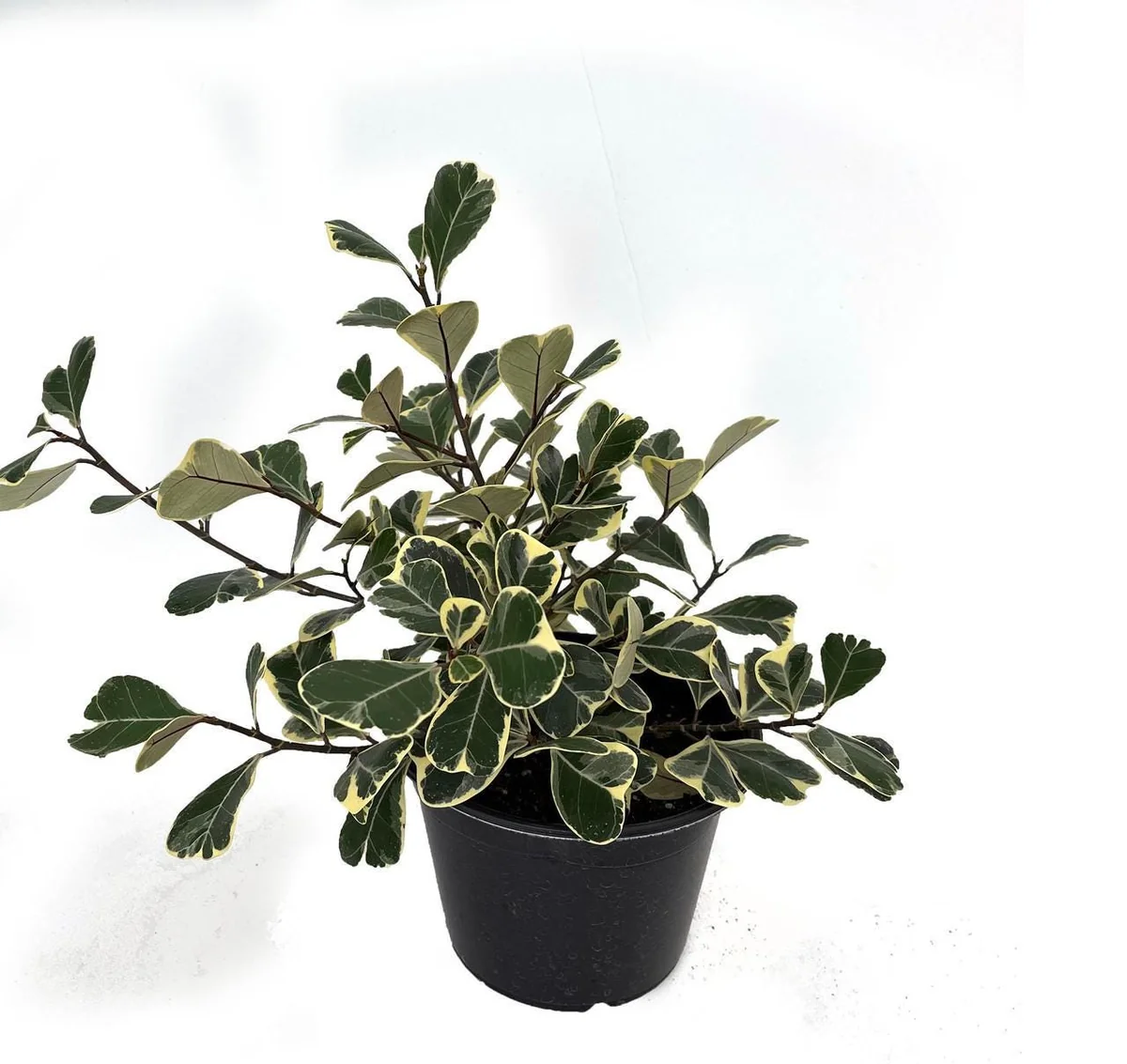
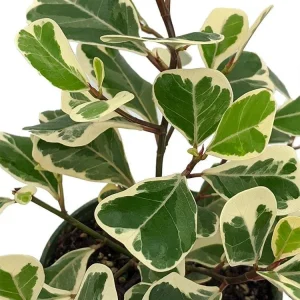
Introducing the exquisite variegated triangle weeping fig, a truly remarkable addition for any plant enthusiast or collector. This live plant, scientifically known as Ficus triangularis variegata, is celebrated for its distinctive triangular-shaped leaves adorned with a captivating creamy yellow and irregular gray-green variegation. Often referred to as the ‘Variegated Dwarf Triangle Fig,’ this African native slowly grows into a showy, small specimen plant, making it an ideal choice for indoor environments where its unique foliage can be admired up close. Its elegant appearance and manageable growth habit ensure it stands out among other houseplants, offering a touch of exotic beauty to your home or office space.
The charm of the variegated triangle weeping fig lies in its striking visual appeal. The bright variegation truly pops, creating a dynamic contrast that draws the eye. As a member of the ficus family, it shares some characteristics with its more common relatives but offers a unique leaf shape and color pattern that sets it apart. This particular cultivar is a testament to nature’s artistry, providing a sophisticated and serene presence wherever it is placed. Whether you’re a seasoned collector or new to the world of rare plants, this Ficus triangularis variegata is sure to become a cherished part of your green sanctuary.
Key Benefits
The variegated triangle weeping fig offers numerous benefits beyond its stunning appearance, enhancing both your living space and well-being:
- Unique Ornamental Value: The distinct triangular leaves with their creamy yellow and gray-green variegation provide an unparalleled visual appeal, making this rare ficus plant a conversation starter and a focal point in any room. Its elegant form and vibrant colors contribute significantly to interior aesthetics.
- Collector’s Item: As a relatively rare and sought-after cultivar, the Ficus triangularis variegata is perfect for plant collectors looking to expand their unique and diverse plant assortment. Its distinctiveness adds prestige to any collection.
- Slow, Manageable Growth: This ficus is a slow-growing specimen, which means it will maintain a manageable size for an extended period, making it suitable for smaller spaces or for those who prefer plants that don’t quickly outgrow their pots. It typically reaches 4 to 6 feet tall indoors.
- Air Purification: Like many ficus varieties, the weeping fig variegated contributes to improving indoor air quality by filtering out common airborne toxins, creating a healthier and more refreshing environment.
- Versatile Placement: While primarily an indoor plant, it can thrive in various indoor settings from bright living rooms to offices, adding a touch of nature’s beauty wherever it’s placed. Its adaptable nature makes it a forgiving companion.
- Easy to Maintain: With proper Ficus triangularis care, this plant is relatively low maintenance, making it suitable for both experienced gardeners and those new to houseplant care. Its needs are straightforward once established.
- Year-Round Beauty: Unlike seasonal flowering plants, the variegated triangle weeping fig provides consistent, lush foliage and vibrant color throughout the entire year, offering continuous enjoyment and beauty.
Plant Care & Growing Tips
Caring for your variegated triangle weeping fig is straightforward, ensuring its stunning variegation and healthy growth for years to come. This indoor ficus plant thrives with consistent conditions and a little attention to its specific needs. For optimal Ficus triangularis care, pay close attention to light, watering, and temperature.
Sunlight Requirements: The variegated triangle weeping fig prefers bright, indirect light. Place it near a window where it can receive plenty of ambient light but avoid direct, harsh afternoon sun, which can scorch its delicate variegated leaves. An east-facing window is often ideal, providing gentle morning sun. If placed in lower light conditions, the variegation may become less pronounced. Rotate your plant every few weeks to ensure even growth and light exposure on all sides.
Watering Schedule & Soil Moisture: Allow the top inch or two of the soil to dry out completely between waterings. Overwatering is a common issue for ficus plants and can lead to root rot. When you do water, do so thoroughly until water drains from the bottom of the pot. Ensure the pot has good drainage holes. Reduce watering frequency during the cooler, darker months of winter. A good rule of thumb for this rare ficus plant is to check the soil moisture with your finger before watering.
Soil Type & Drainage: A well-draining potting mix is crucial for the health of your weeping fig variegated. A mix designed for houseplants or a general-purpose potting mix amended with perlite or orchid bark for extra drainage will work well. Good drainage prevents waterlogging and promotes healthy root development. Repot only when necessary, typically every 2-3 years, to a pot that is only slightly larger than the current one.
Temperature Range & USDA Hardiness Zone: This tropical plant thrives in warm, stable temperatures, ideally between 65°F and 85°F (18°C-29°C). Avoid sudden temperature fluctuations or cold drafts, which can stress the plant and cause leaf drop. The variegated triangle weeping fig is not frost-tolerant and should be kept indoors in most climates. It is best suited for USDA Zones 10-11 if grown outdoors, but it is predominantly cultivated as an indoor houseplant.
Fertilization: During the growing season (spring and summer), feed your plant with a balanced liquid fertilizer diluted to half strength every 2-4 weeks. Reduce or stop fertilization during fall and winter when the plant’s growth slows down. Always water your plant before fertilizing to prevent root burn.
Common Problems & Solutions: Leaf drop can be a sign of stress from sudden environmental changes, overwatering, or underwatering. Adjust your care routine accordingly. Pests like spider mites or mealybugs can occasionally affect ficus plants. Inspect your plant regularly and treat any infestations with insecticidal soap or neem oil.
Size & Details
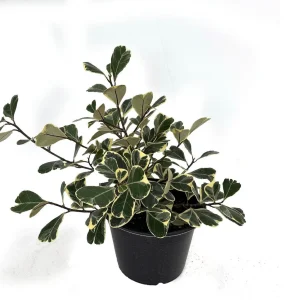
This variegated triangle weeping fig is supplied as a thriving live plant in a 6-inch nursery pot, providing a well-established root system for an easy transition into your home. At maturity, this slow-growing indoor ficus plant typically reaches an indoor height of 4 to 6 feet, with a similar spread, making it an ideal specimen for a corner or as a tabletop feature when young. While it can grow up to 6 feet tall, its growth rate is moderate, allowing you to enjoy its compact form for a significant period. The plant’s distinctive triangular leaves, with their vibrant creamy yellow and gray-green patterns, emerge from sturdy stems, creating a dense and attractive canopy. This particular rare ficus plant is a true showstopper, offering continuous beauty with minimal fuss.
Frequently Asked Questions
- Q: How big does this variegated triangle weeping fig get? A: This slow-growing plant typically reaches an indoor height of 4 to 6 feet, with a similar spread, making it a manageable size for most indoor spaces. Its growth can be influenced by pot size and pruning.
- Q: What size pot does it come in? A: Your variegated triangle weeping fig will arrive in a 6-inch nursery pot, ready to be placed in your decorative planter or repotted into a slightly larger container if desired.
- Q: Is this an indoor or outdoor plant? A: While it is native to Africa, in most climates, the Ficus triangularis care requirements make it best suited as an indoor houseplant due to its sensitivity to cold temperatures. It can be moved outdoors in warm, shaded areas during summer.
- Q: How much sunlight does it need? A: This indoor ficus plant thrives in bright, indirect light. Avoid direct, intense sunlight, which can scorch its variegated leaves. A spot near an east or north-facing window is often ideal.
- Q: Is this plant easy to care for? A: Yes, with consistent conditions and proper Ficus triangularis care, this plant is considered relatively easy to maintain. It’s important to avoid overwatering and provide stable temperatures.
- Q: What condition will it arrive in? A: Your rare ficus plant will be carefully packaged and shipped as a healthy, live plant in its nursery pot, with established roots and vibrant foliage, ready to thrive in its new home.
- Q: Is it good for beginners? A: While specific care for variegation might require a bit more attention than a basic green plant, its overall needs for light and water are straightforward, making it suitable for beginners willing to learn.
- Q: What’s the minimum temperature it can tolerate? A: The weeping fig variegated prefers temperatures above 60°F (15°C). It is sensitive to cold and should not be exposed to temperatures below 45°F (7°C) to prevent damage or stress.
- Q: How often should I water my variegated triangle weeping fig? A: Water when the top 1-2 inches of soil feel dry to the touch. This typically means once every 1-2 weeks, but it can vary based on humidity, light, and pot size. Ensure good drainage.
- Q: Can I prune my variegated triangle weeping fig? A: Yes, you can prune to maintain its desired shape and size, or to encourage bushier growth. Pruning is best done in spring or early summer.


Reviews
There are no reviews yet.