Overview
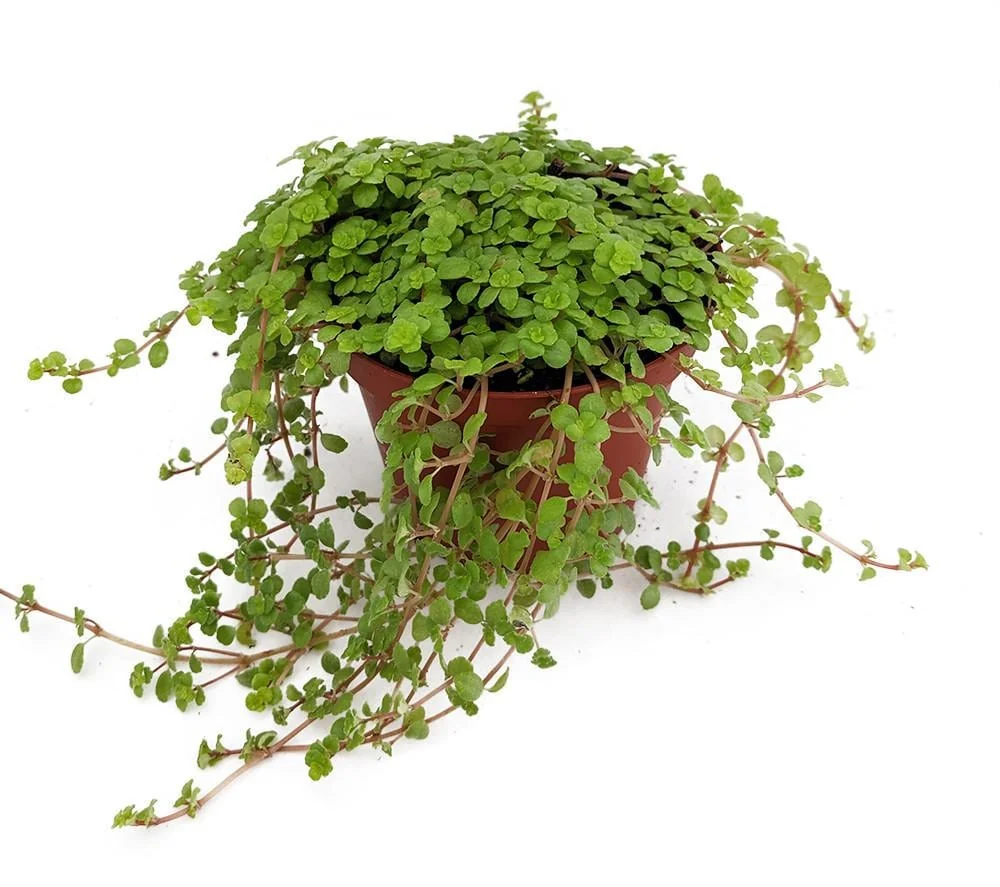
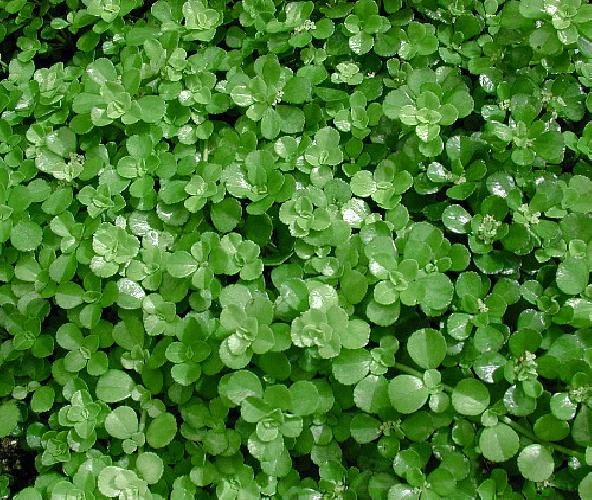
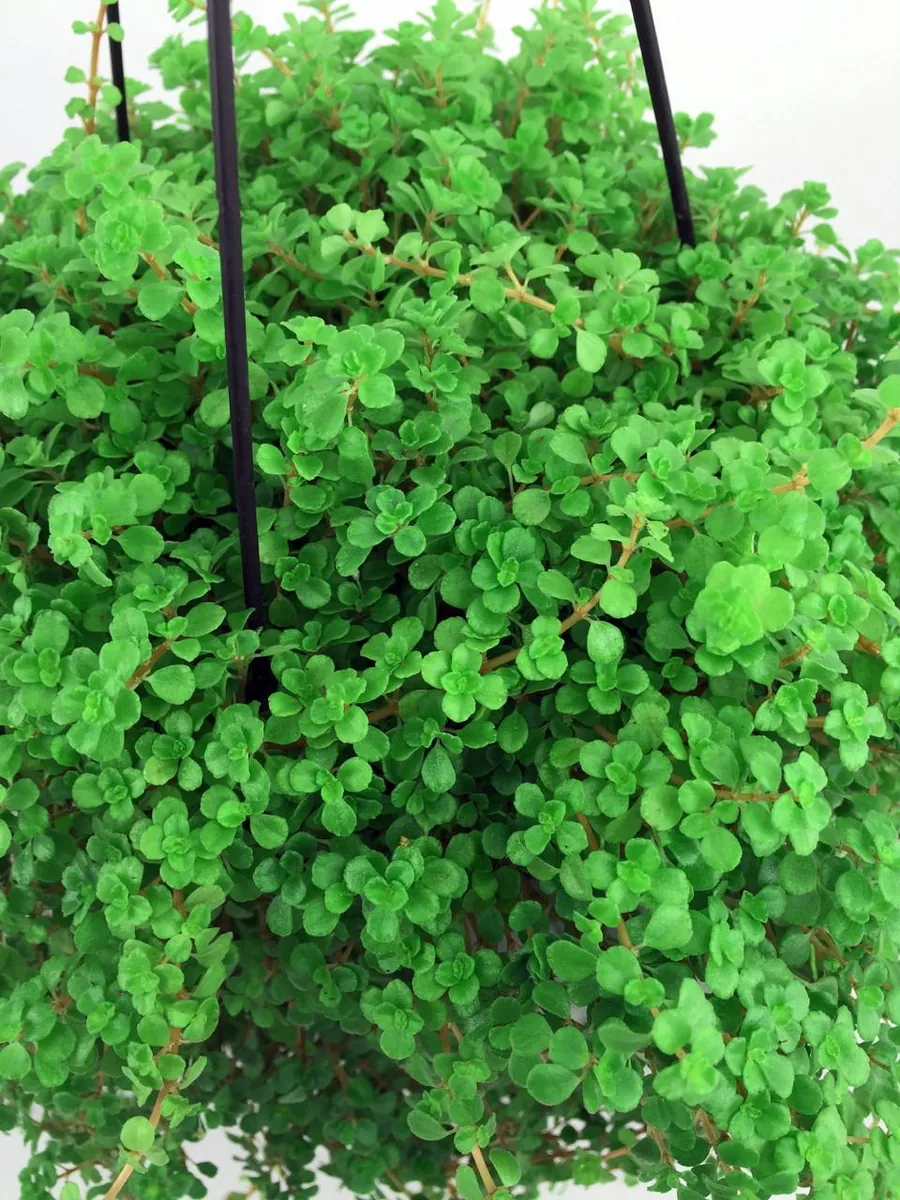
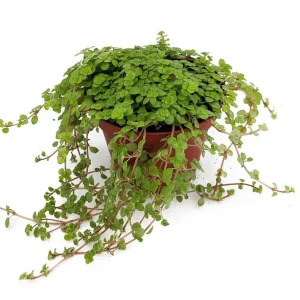
Introduce a touch of delicate charm to your indoor garden with the exquisite Pilea depressa live plant. Commonly known as Baby Tears Plant or Tiny Tears Plant Indoor, this captivating species is a must-have for plant enthusiasts and beginners alike. Originating from Mexico and the Caribbean, Pilea depressa is celebrated for its abundant, tiny, rounded, medium-green leaves that cascade beautifully, making it an ideal choice for hanging baskets, terrariums, or as a vibrant ground cover in larger planters. This live plant arrives in a 3.7-inch pot, ready to bring immediate lushness to your space. Its vigorous yet compact growth habit makes it versatile for various indoor applications, adding a refreshing pop of natural beauty wherever it’s placed. The Pilea depressa is not only visually appealing but also relatively low-maintenance, thriving with minimal fuss and rewarding you with its continuous, trailing foliage.
The scientific name, Pilea depressa, accurately reflects its low-growing, spreading nature. This particular variety is cherished for its dense foliage, which creates a carpet-like effect, making it an excellent candidate for miniature landscapes such as fairy gardens. Its rapid growth allows for quick establishment and a full, verdant display. Whether you’re looking to enhance a cozy corner, create a living art piece in a terrarium, or simply add to your collection of unique houseplants, the Pilea depressa live plant offers an abundance of beauty and growth potential. Its vibrant green leaves and graceful trailing habit make it a standout among foliage plants, promising to uplift any indoor environment with its natural elegance.
Key Benefits
The Pilea depressa live plant offers numerous advantages that make it a beloved choice for indoor gardening. Its unique aesthetic and straightforward care regimen contribute to a rewarding plant ownership experience. Here are some of the key benefits you can expect from this charming houseplant:
- Excellent for Decorative Displays: The tiny, rounded leaves and trailing growth habit of the Baby Tears Plant make it perfect for creating stunning visual interest in hanging baskets, shelves, or as a ‘spiller’ plant in mixed containers. It adds a delicate, lush texture to any arrangement.
- Ideal for Terrariums and Fairy Gardens: Its compact size and preference for humidity make the Tiny Tears Plant Indoor an exceptional choice for enclosed environments like terrariums and miniature fairy gardens, where it can thrive and create a captivating miniature landscape.
- Air Purifying Qualities: Like many houseplants, Pilea depressa contributes to a healthier indoor environment by naturally filtering and improving air quality, helping to remove common indoor toxins.
- Low Maintenance and Easy Care: This plant is remarkably forgiving, making it suitable for both novice and experienced plant parents. It doesn’t demand constant attention, preferring consistent but not overly complicated care.
- Vigorous Growth: The pilea depressa live plant grows relatively quickly, allowing you to enjoy a full and lush display in a short amount of time. This also means you can easily propagate it to share with friends or expand your collection.
- Versatile Placement: Due to its adaptability and attractive trailing form, it can be placed in various locations, from bright windowsills to office desks, provided it receives adequate indirect light.
Plant Care & Growing Tips
Caring for your Pilea depressa live plant is relatively simple, allowing you to enjoy its beauty with ease. This plant thrives with consistent attention to its basic needs. For optimal growth, provide bright, indirect light. Direct sunlight can scorch its delicate leaves, while too little light can lead to leggy growth. An east or north-facing window is often ideal, or a spot a few feet away from a south or west-facing window. Rotate your plant occasionally to ensure even growth and prevent it from leaning towards the light source. The baby tears plant care routine emphasizes consistent moisture without overwatering.
When it comes to watering, the key is to allow the top inch or two of soil to dry out between waterings. Pilea depressa dislikes sitting in soggy soil, which can lead to root rot. Use a well-draining potting mix and a pot with drainage holes to prevent waterlogging. During the growing season (spring through fall), you’ll likely need to water more frequently than in the dormant winter months. Humidity is also appreciated by this plant, so consider misting it regularly, placing it near a humidifier, or using a pebble tray, especially in dry indoor environments. The ideal temperature range for your tiny tears plant indoor is between 65-75°F (18-24°C). Avoid exposing it to temperatures below 50°F (10°C) or sudden drafts, which can cause stress. Fertilize once a month during the spring and summer with a balanced liquid houseplant fertilizer, diluted to half strength. Trim as needed to maintain its shape and encourage fuller growth; these cuttings can often be rooted to create new plants.
Size & Details
This offering is for one live Pilea depressa live plant, commonly known as Baby Tears Plant, carefully nurtured and shipped in a 3.7-inch nursery pot. The plant’s trailing stems can reach lengths of up to 12-18 inches or more when mature, creating a beautiful cascading effect. Its compact growth habit makes it suitable for smaller spaces, and its relatively fast growth rate means you won’t have to wait long to enjoy its full, lush appearance. The plant will arrive healthy and ready to be placed in its new home, whether that’s a hanging basket, a terrarium, or a decorative pot. Expect a vibrant green specimen with numerous small, rounded leaves, already beginning to display its characteristic trailing form.
While specific growth rates can vary based on environmental conditions and care, the Pilea depressa is known for its ability to quickly fill out its container. It typically establishes well within a few weeks of arrival and will continue to grow vigorously with proper care. This plant is shipped in its nursery pot to minimize stress during transit, ensuring a smooth transition to your home. No specific time to maturity is needed as it is primarily grown for its foliage, which is present from the moment it arrives. The tiny tears plant indoor is a delightful addition that brings immediate life and texture to any setting.
Frequently Asked Questions
- Q: How big does this plant get? A: The Pilea depressa live plant is a trailing variety, with stems that can grow up to 12-18 inches long. It creates a dense, lush appearance rather than growing tall.
- Q: What size pot does it come in? A: This plant is shipped in a 3.7-inch nursery pot, providing a good starting size for its root system and allowing for easy transplanting if desired.
- Q: Is this an indoor or outdoor plant? A: The Baby Tears Plant is primarily grown as an indoor houseplant due to its preference for consistent temperatures and humidity. It can be grown outdoors in very warm, humid, and frost-free climates.
- Q: How much sunlight does it need? A: It thrives in bright, indirect light. Avoid direct harsh sunlight, which can scorch its leaves. A spot near an east or north-facing window is often ideal for optimal baby tears plant care.
- Q: Is this plant easy to care for? A: Yes, the Pilea depressa is considered a relatively easy-care plant, making it suitable for beginners. Its main requirements are consistent watering and bright, indirect light.
- Q: What condition will it arrive in? A: Your pilea depressa live plant will arrive healthy and well-packaged in its 3.7-inch nursery pot, ready to be unboxed and placed in its new home.
- Q: Is it shipped in soil? A: Yes, the plant is shipped securely in its original nursery pot with soil to ensure its health and minimize stress during transit.
- Q: Can I use this plant in a terrarium? A: Absolutely! The Tiny Tears Plant Indoor is an excellent choice for terrariums due to its love for humidity, compact size, and trailing habit, which creates a beautiful miniature landscape.
- Q: Is this plant pet-safe? A: Pilea depressa is generally considered non-toxic to cats and dogs, making it a safe choice for homes with pets. However, it’s always best to prevent pets from consuming large quantities of any plant material.
- Q: What’s the minimum temperature it can tolerate? A: This plant prefers temperatures above 50°F (10°C). It is sensitive to cold and frost, so it should be kept indoors in cooler climates.


Reviews
There are no reviews yet.