Overview
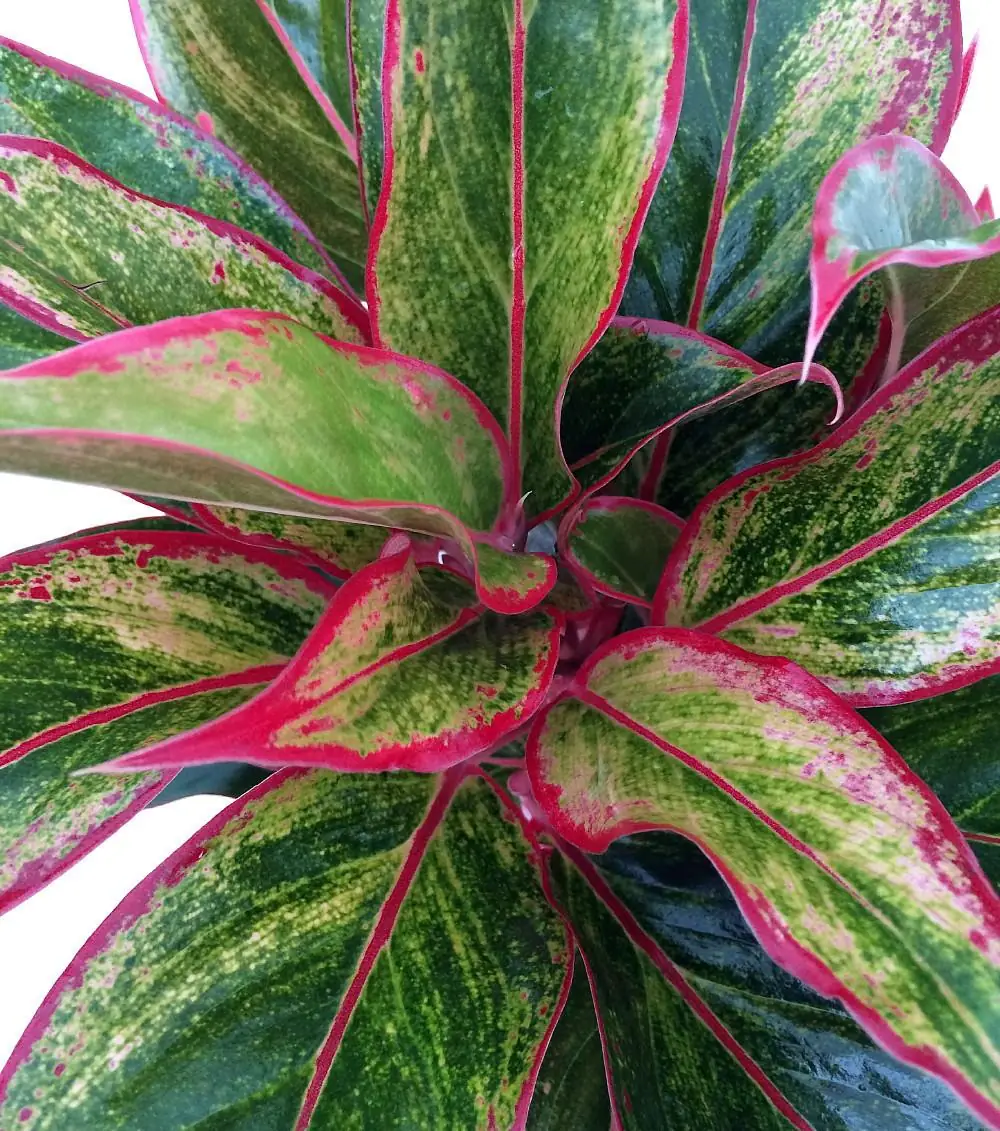
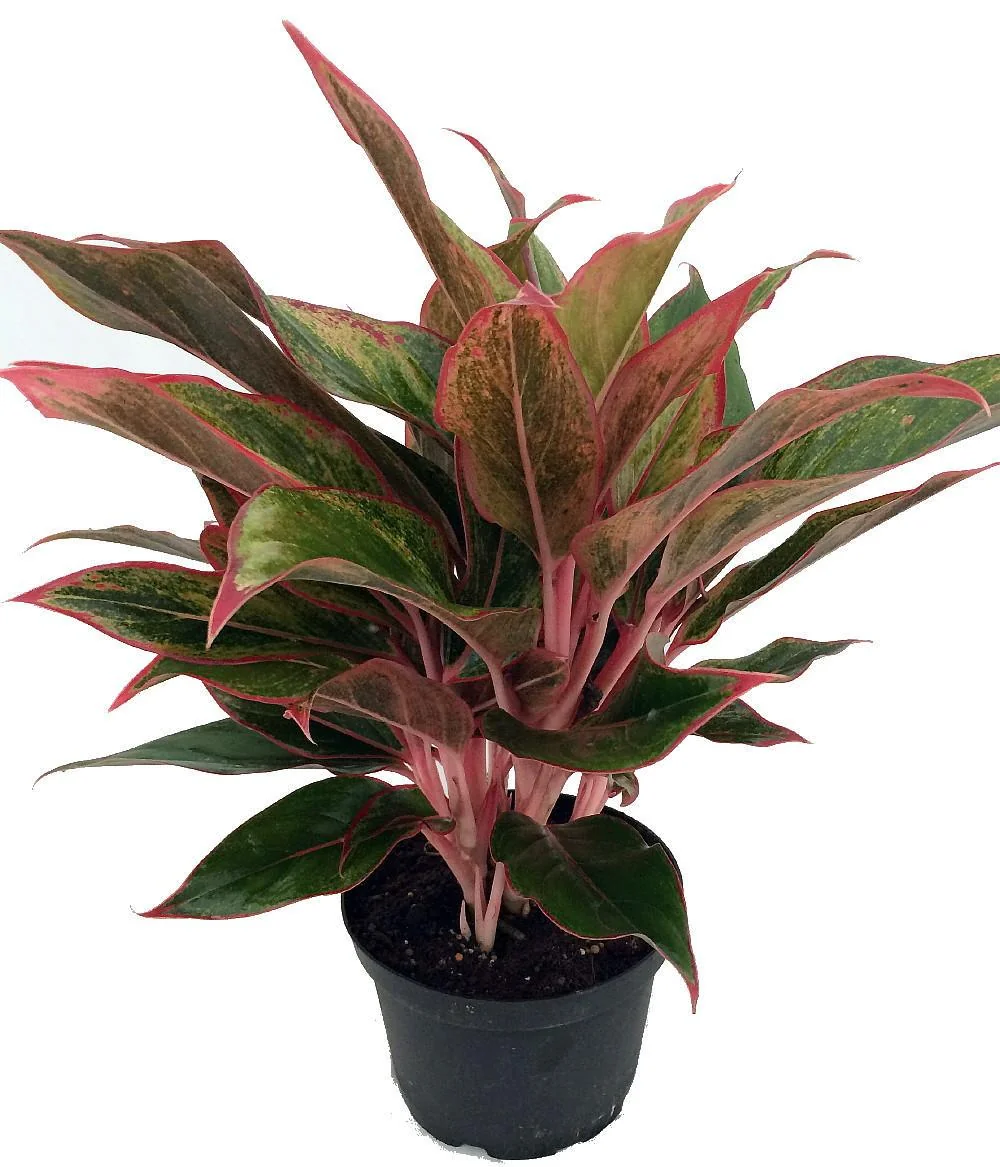
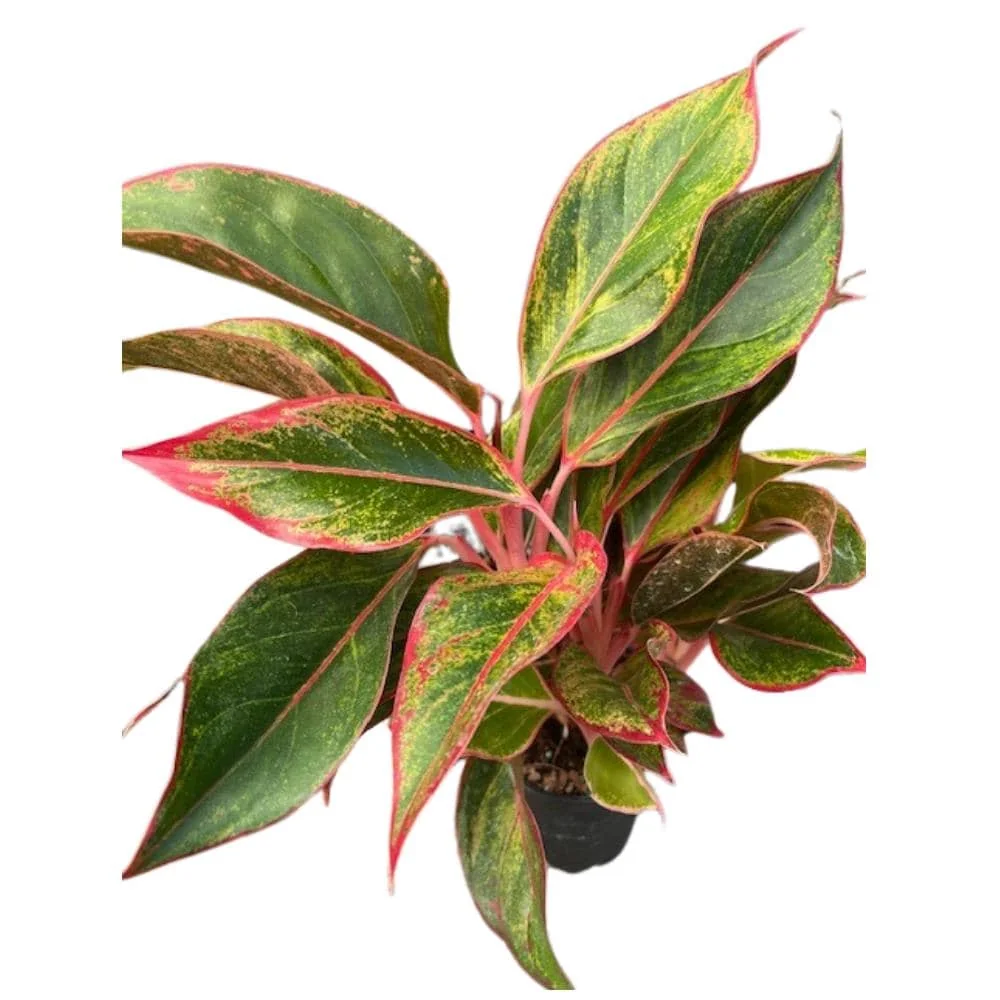
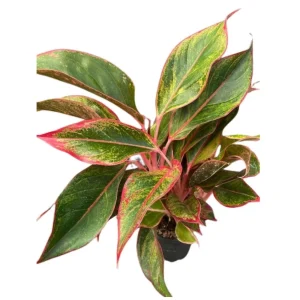
Introduce a splash of vibrant color and natural elegance to your indoor spaces with the Siam Aurora Chinese Evergreen. This striking live plant, scientifically known as Aglaonema, is a popular choice for both novice and experienced plant enthusiasts alike. Originating from the tropical and subtropical regions of Asia, the Aglaonema plant has long been cherished for its ornamental foliage, characterized by its beautiful red and green hues. Its ability to flourish in less-than-ideal lighting conditions makes it a perfect addition to homes and offices where natural light might be limited. The Siam Aurora Chinese Evergreen is a resilient and low-maintenance houseplant that effortlessly enhances any interior decor, bringing a touch of the exotic indoors. This particular variety stands out with its bright, almost neon-red edges and veins that contrast beautifully with its deep green leaves, creating a dynamic visual appeal.
As a low light houseplant, the Siam Aurora Chinese Evergreen is an excellent choice for those seeking to green up darker corners or simply want a plant that doesn’t demand constant bright sunlight. Its robust nature means it’s forgiving of occasional neglect, making it an ideal companion for busy individuals. This tropical beauty not only adds aesthetic value but also contributes to a healthier indoor environment by purifying the air. Its lush, dense foliage creates a vibrant focal point, transforming any room into a more inviting and serene space. Whether you’re looking to start your plant journey or expand your existing collection, the Siam Aurora Chinese Evergreen offers both beauty and ease of care.
Key Benefits
The Siam Aurora Chinese Evergreen offers a wealth of benefits that make it a standout choice for indoor gardening. Its striking appearance combined with its adaptability ensures it’s a rewarding plant to own. This Aglaonema plant is more than just a pretty face; it’s a living piece of art that also works to improve your living space.
- Stunning Visual Appeal: The vibrant red and green foliage of the Siam Aurora Chinese Evergreen provides a dramatic and beautiful contrast, instantly brightening any room and adding a tropical flair. Its unique coloration makes it a captivating focal point.
- Thrives in Low Light: Unlike many houseplants, this Aglaonema is perfectly suited for areas with dim or indirect light, making it incredibly versatile for various indoor settings where other plants might struggle. It is truly a remarkable low light houseplant.
- Easy Care & Low Maintenance: Known for its resilience, the Siam Aurora Chinese Evergreen is an excellent choice for beginners or those with busy schedules. It tolerates occasional watering lapses and is generally pest-resistant, making it an easy indoor plant to maintain.
- Air Purifying Qualities: Like many houseplants, the Aglaonema helps to filter indoor air, removing common toxins and contributing to a healthier living environment. This natural air purification is a significant advantage.
- Versatile Decor Piece: Its compact growth habit and striking colors make it suitable for a wide range of containers and settings, from desk plants to floor accents, seamlessly integrating into various interior design styles.
- Long-Lived Plant: With proper care, the Siam Aurora Chinese Evergreen can live for many years, providing continuous beauty and enjoyment, becoming a lasting part of your home decor.
- Pet-Friendly (with caution): While generally considered mildly toxic if ingested, many plant owners successfully keep Aglaonemas in homes with pets by placing them out of reach. Always exercise caution.
Plant Care & Growing Tips
Caring for your Siam Aurora Chinese Evergreen is straightforward, making it an accessible plant for gardeners of all experience levels. Its adaptability is one of its most appealing traits. To ensure your Aglaonema plant thrives and maintains its vibrant coloration, follow these simple guidelines.
Sunlight Requirements: The Siam Aurora Chinese Evergreen excels in low to medium indirect light. Direct sunlight can scorch its delicate leaves, causing discoloration and damage. An east or north-facing window is ideal, or a well-lit interior space away from direct sun. If light is too low, the vibrant red coloration may fade slightly, making it more green. This particular red aglaonema variety will show its best colors with bright, indirect light.
Watering Schedule and Soil Moisture: Water thoroughly when the top 1-2 inches of soil feel dry to the touch. Allow the soil to dry out partially between waterings to prevent root rot, as this plant does not like consistently wet feet. Reduce watering frequency in winter when growth slows. Ensure good drainage, as standing water can be detrimental to the health of your Siam Aurora Chinese Evergreen. Overwatering is a common issue for this easy indoor plant.
Soil Type and Drainage Requirements: A well-draining potting mix is crucial for the Aglaonema. A standard houseplant mix amended with perlite or orchid bark for extra drainage works well. The soil should be airy and allow water to pass through easily while retaining some moisture. Ensure your pot has drainage holes.
Temperature Range and USDA Hardiness Zone: This tropical plant prefers warm temperatures between 65-80°F (18-27°C). Avoid temperatures below 60°F (15°C) and sudden cold drafts, which can shock the plant. As an indoor plant, USDA hardiness zones are less relevant, but it would typically thrive outdoors only in zones 10-11. Humidity is also appreciated; consider misting or placing it near a humidifier.
Fertilization Schedule and Type: Feed your Siam Aurora Chinese Evergreen once a month during the growing season (spring and summer) with a balanced liquid houseplant fertilizer diluted to half strength. Do not fertilize in fall or winter when the plant is dormant. Over-fertilization can lead to salt buildup and damage the roots.
Common Problems and Solutions: Yellowing leaves often indicate overwatering or poor drainage. Brown leaf tips can suggest low humidity or under-watering. Pests like spider mites or mealybugs can occur but are usually manageable with insecticidal soap. Regularly inspect your Aglaonema plant care routine to catch issues early.
Size & Details
The Siam Aurora Chinese Evergreen is offered as a healthy, established live plant, cultivated for its vibrant foliage and resilience. Each plant comes in a 5 inch pot, providing a stable foundation for its initial growth. At this stage, the plant typically stands approximately 8-12 inches tall from the base of the pot, with a spread of 6-10 inches, making it a compact desk-friendly size or a perfect accent for shelves and side tables. Its growth rate is moderate, and with optimal conditions, it can eventually reach heights of 1-2 feet indoors, developing a lush, bushy appearance. The mature leaves display the characteristic red and green variegation that makes this red aglaonema so desirable.
While measurements are approximate, we ensure each Siam Aurora Chinese Evergreen is robust and ready to thrive in its new indoor environment. It ships as a fully rooted plant in its nursery pot, minimizing transplant shock upon arrival. This plant is well-suited for continued growth in its current pot for several months before requiring repotting into a slightly larger container. The vibrant colors of this low light houseplant will continue to intensify as it matures, provided it receives adequate indirect light and consistent care.
Frequently Asked Questions
- Q: How big does this Siam Aurora Chinese Evergreen get? A: Your Siam Aurora Chinese Evergreen typically arrives in a 5 inch pot, standing about 8-12 inches tall. With proper care, it can grow to an indoor height of 1-2 feet, forming a bushy, attractive plant over time.
- Q: Is this an indoor or outdoor plant? A: The Siam Aurora Chinese Evergreen is primarily an indoor plant. It thrives in typical household temperatures and humidity and is sensitive to cold. It can be grown outdoors in very warm, humid climates (USDA zones 10-11) but is best kept as an easy indoor plant in most regions.
- Q: How much sunlight does my Aglaonema plant need? A: This plant prefers low to medium indirect light. Direct sunlight can scorch its leaves and fade its vibrant colors. An east or north-facing window, or a well-lit room away from direct sun, is ideal for your red aglaonema.
- Q: Is this plant easy to care for? A: Yes, the Siam Aurora Chinese Evergreen is considered a very easy-care plant, making it perfect for beginners. It’s forgiving of occasional watering lapses and adapts well to various indoor conditions, solidifying its reputation as a fantastic easy indoor plant.
- Q: What condition will it arrive in? A: Your plant will arrive as a healthy, established live plant, fully rooted in its 5 inch pot, carefully packaged to ensure minimal stress during transit. It will be ready to be placed in your home upon arrival.
- Q: How often should I water my Siam Aurora Chinese Evergreen? A: Water thoroughly when the top 1-2 inches of soil feel dry to the touch. Allow the soil to dry out partially between waterings to prevent root rot. This usually means watering every 1-2 weeks, depending on your home’s conditions.
- Q: Is the Aglaonema plant care different for the Siam Aurora variety? A: General Aglaonema plant care principles apply to the Siam Aurora variety. The main difference is that the ‘Siam Aurora’ often displays its best red coloration when exposed to slightly brighter, but still indirect, light compared to some other Aglaonema varieties.
- Q: Is this plant pet-safe? A: All Chinese Evergreens, including the Siam Aurora Chinese Evergreen, contain calcium oxalate crystals which can cause irritation if ingested. It’s best to keep them out of reach of pets and children.
- Q: What kind of soil is best for this low light houseplant? A: A well-draining potting mix is essential. A mix designed for houseplants, often containing peat, perlite, or coco coir, will provide the necessary drainage and aeration for healthy root growth for your Siam Aurora Chinese Evergreen.
- Q: When is the best time to repot this plant? A: Repot your Siam Aurora Chinese Evergreen when it becomes root-bound, typically every 1-2 years, or when you notice roots growing out of the drainage holes. Spring or early summer is the best time for repotting.


Reviews
There are no reviews yet.