Overview
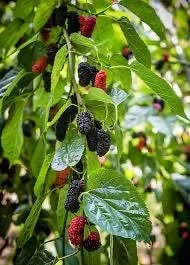
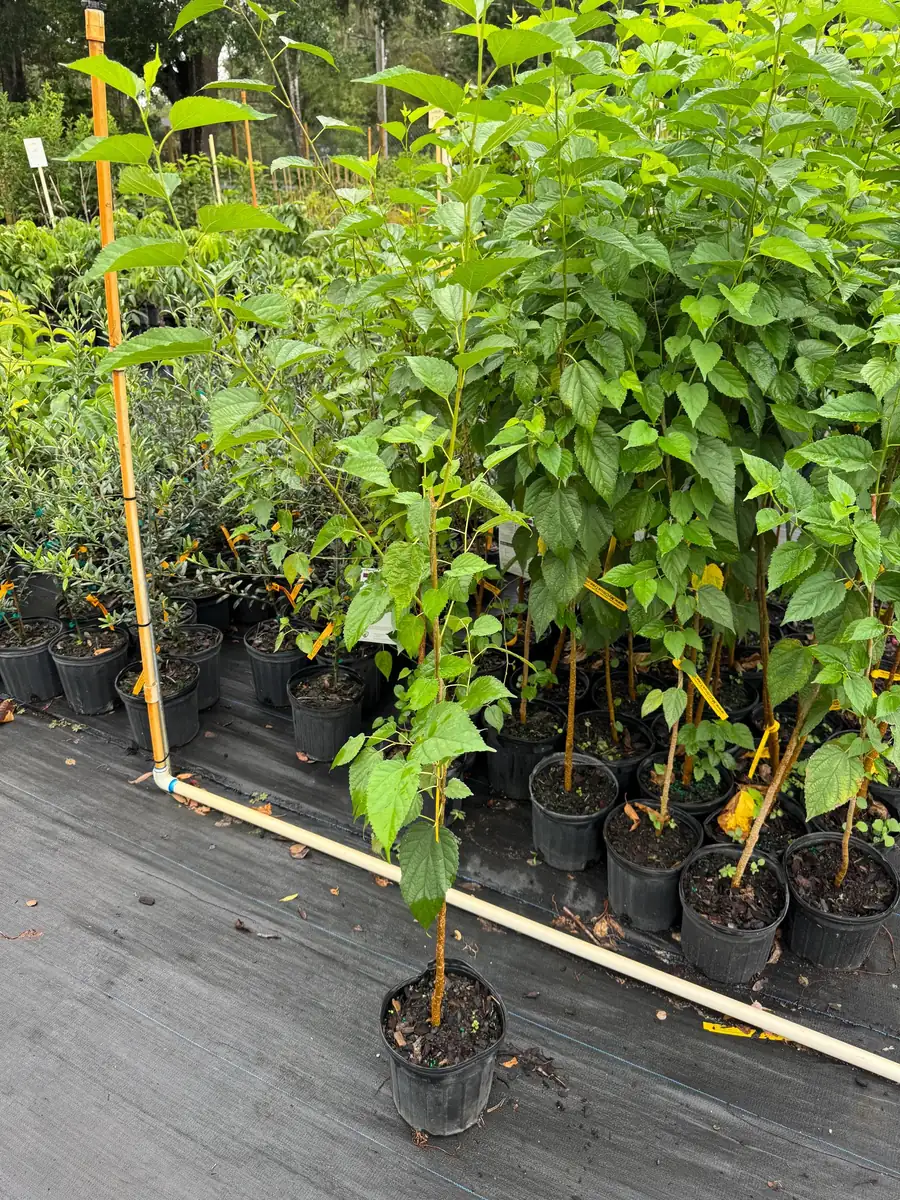
Experience the joy of harvesting your own succulent berries with the Everbearing Mulberry tree. This robust and productive live plant is a fantastic addition to any home garden, known for its ability to produce fruit over an extended period, often from late spring through summer. Unlike many other fruit trees that have a single, short harvest window, the Everbearing Mulberry provides a continuous supply of sweet, dark berries, making it a favorite among gardeners and fruit enthusiasts. This particular offering is a healthy specimen, standing approximately 3 feet tall in a 3-gallon nursery pot, ready for planting in your landscape. Its scientific name, Morus nigra, hints at its rich, dark fruit and its adaptability to various growing conditions. Growing your own Everbearing Mulberry tree means access to fresh, organic fruit right from your backyard, perfect for snacking, jams, pies, or desserts.
The charm of the Everbearing Mulberry tree lies not just in its delicious fruit but also in its relatively low-maintenance nature once established. It’s an excellent choice for both experienced gardeners and those new to growing fruit trees. The plant itself is quite attractive, providing shade and visual interest with its lush green foliage. As it matures, it develops a sturdy structure that can withstand various weather conditions. This variety is celebrated for its consistent fruit production, ensuring a steady supply of berries throughout the warmer months. Imagine stepping into your garden and plucking ripe, juicy mulberries directly from the branch – a truly rewarding experience.
Key Benefits
Adding an Everbearing Mulberry tree to your garden offers a plethora of advantages, enriching both your landscape and your palate. This remarkable fruit tree provides not just delicious fruit but also contributes to the aesthetic and ecological value of your outdoor space.
- Extended Harvest Season: Enjoy a prolonged supply of fresh mulberries, often from late spring well into summer, unlike many fruit trees with shorter harvest windows.
- Delicious & Nutritious Fruit: The mulberries are known for their sweet, rich flavor, perfect for eating fresh, making jams, pies, or drying for snacks. They are also packed with vitamins and antioxidants.
- Low Maintenance: Once established, the Everbearing Mulberry tree is relatively easy to care for, requiring minimal pruning and pest management compared to some other fruit trees.
- Attractive Landscape Addition: With its lush green foliage and graceful form, the mulberry tree serves as an attractive ornamental tree, providing shade and visual interest in your garden.
- Wildlife Friendly: The berries attract various birds and beneficial insects, contributing to the biodiversity of your garden ecosystem.
- Adaptable Growth: This resilient tree can thrive in a range of soil types and is quite adaptable to different environmental conditions, making it suitable for many regions.
- Homegrown Goodness: Provides the satisfaction of growing your own organic fruit, ensuring freshness and control over cultivation practices. This makes the Morus nigra plant a truly rewarding choice.
Plant Care & Growing Tips
Caring for your Everbearing Mulberry tree is straightforward, ensuring a bountiful harvest season after season. Mulberries generally prefer a location with full sun, meaning at least 6-8 hours of direct sunlight per day. Adequate sunlight is crucial for fruit production and overall plant health. While adaptable, they thrive in well-draining soil with a pH between 6.0 and 7.0. If your soil is heavy clay, amending it with organic matter like compost can significantly improve drainage and aeration. When planting, dig a hole twice as wide as the root ball and just as deep. Gently loosen the roots before placing the tree, ensuring the top of the root ball is level with the surrounding soil.
Watering is important, especially during the first year of establishment. Water regularly and deeply, ensuring the soil remains consistently moist but not waterlogged. Once established, the Everbearing Mulberry tree becomes more drought-tolerant, though supplemental watering during prolonged dry spells will benefit fruit production. Fertilize in early spring with a balanced, slow-release fertilizer formulated for fruit trees. Avoid over-fertilizing, as this can lead to excessive foliage growth at the expense of fruit. Pruning should be done in late winter or early spring while the tree is dormant. Focus on removing dead, damaged, or crossing branches to maintain an open canopy and promote air circulation. This also helps improve fruit accessibility and reduces disease risk. Understanding how to grow mulberry successfully involves these basic but crucial steps.
Mulberry trees are generally hardy and resistant to many pests and diseases. However, keep an eye out for common garden pests like aphids or spider mites, which can be managed with insecticidal soap if necessary. Birds are often the biggest competition for mulberries, so consider netting your tree if you want to protect your harvest. The Morus nigra plant is typically hardy in USDA zones 5-9, meaning it can tolerate winter temperatures down to -20°F (-29°C) once mature. Protecting young trees in colder zones during their first winter with mulch around the base can be beneficial. Regular monitoring and proactive care will ensure your Everbearing Mulberry tree remains healthy and productive for many years.
Size & Details
This offering features a healthy Everbearing Mulberry tree, cultivated to provide a strong start in your garden. The plant is approximately 3 feet tall from the base of the pot to the tip of its highest branch, making it a manageable size for planting. It is currently growing in a 3-gallon nursery pot, providing ample root space for continued development. The tree is a young but well-established specimen, ready to be transplanted into its permanent garden location. Upon arrival, the tree will be a live, actively growing plant, carefully packaged to ensure its health during transit.
Everbearing Mulberries are known for their moderate growth rate, typically adding 1-2 feet of height per year under ideal conditions. Mature trees can reach heights of 20-30 feet with a similar spread, though they can be kept smaller with regular pruning if desired. Fruit production can begin within 1-2 years of planting, with increasing yields as the tree matures. This particular variety, Everbearing Mulberry tree, is celebrated for its consistent and extended fruiting season, delivering fresh berries for an extended period each year. This makes the fruit bearing trees an excellent long-term investment for your edible landscape.
Frequently Asked Questions
- Q: How big does this Everbearing Mulberry tree get? A: This specific plant is 3 feet tall in a 3-gallon pot. Mature Everbearing Mulberry trees can reach heights of 20-30 feet with a similar spread, but they can be managed with pruning to control size.
- Q: Is this an indoor or outdoor plant? A: The Everbearing Mulberry tree is an outdoor plant, best suited for planting directly in the ground in a sunny location in your garden. It is not typically grown as an indoor houseplant.
- Q: How much sunlight does the Everbearing Mulberry tree need? A: For optimal growth and fruit production, this tree requires full sun, meaning at least 6-8 hours of direct sunlight per day.
- Q: Is this tree easy to care for? A: Yes, once established, the Everbearing Mulberry tree is considered relatively easy to care for. It’s quite resilient and requires basic watering, annual fertilization, and occasional pruning.
- Q: What condition will the Everbearing Mulberry tree arrive in? A: Your tree will arrive as a live, healthy plant in its 3-gallon nursery pot, carefully packaged to minimize stress during shipping and ensure it reaches you in good condition.
- Q: When is the best time to plant a mulberry tree? A: The best time to plant a mulberry tree is typically in early spring or fall when the weather is mild, allowing the roots to establish before extreme heat or cold.
- Q: How long until this Everbearing Mulberry tree produces fruit? A: Young Everbearing Mulberry trees can begin producing fruit within 1-2 years of planting, with yields increasing significantly as the tree matures.
- Q: What USDA hardiness zones is this tree suitable for? A: The Everbearing Mulberry tree is generally hardy in USDA Zones 5-9, tolerating winter temperatures down to -20°F (-29°C) once mature.
- Q: Can I grow this tree in a large container? A: While mulberry trees prefer to be planted in the ground, they can be grown in very large containers (e.g., 25+ gallons) for a few years, provided they receive adequate water and nutrients. However, growth will be restricted.
- Q: Is the fruit from the Morus nigra plant edible? A: Yes, the fruit of the Morus nigra plant (Everbearing Mulberry) is highly prized for its sweet, juicy, and delicious flavor, perfect for fresh eating, baking, or preserving.


Reviews
There are no reviews yet.