Overview
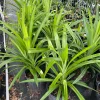
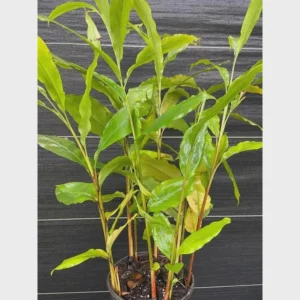
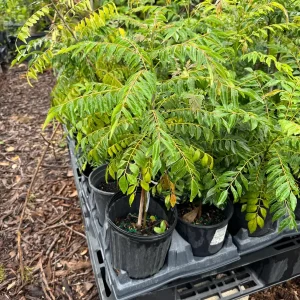
Discover the joy of growing your own fresh, aromatic spices with this beautiful curry plant live plant. Known botanically as Murraya koenigii, and commonly referred to as karivepaku plant or curry tree indoor, this essential herb is a staple in South Asian cuisine. Our healthy 1 Gallon specimen arrives ready to thrive, providing you with an abundance of fragrant leaves to elevate your cooking. This live plant is not only a culinary asset but also an attractive addition to any garden or indoor space, boasting glossy, dark green leaves and a compact growth habit. Enjoy the authentic taste and aroma that only fresh curry plant live plant leaves can provide, a true game-changer for your favorite dishes.
The curry plant live plant is cherished for its distinctive, slightly nutty, and citrusy aroma, which intensifies when the leaves are fried in oil. Unlike curry powder, which is a blend of various spices, fresh curry leaves offer a unique flavor profile that is irreplaceable. Growing your own ensures you have access to these precious leaves whenever inspiration strikes in the kitchen. Whether you’re an experienced gardener or just starting, our robust curry plant live plant is an excellent choice for adding an exotic touch to your home and pantry.
This particular curry plant live plant is a fantastic option for those looking to cultivate their own herbs. It’s a relatively low-maintenance plant once established, making it suitable for a variety of growing environments. With proper care, your murraya koenigii will flourish, rewarding you with a continuous harvest of its highly sought-after leaves. Embrace the culinary adventure and convenience of having this versatile herb right at your fingertips.
Key Benefits
Our curry plant live plant offers numerous advantages, both culinary and aesthetic, making it a must-have for any enthusiast:
- Authentic Culinary Flavor: Provides fresh, aromatic leaves essential for traditional Indian, Sri Lankan, and South Asian dishes. The unique taste cannot be replicated by dried leaves or curry powder, making this curry plant live plant invaluable for authentic cooking.
- Continuous Fresh Supply: Enjoy a steady harvest of fresh curry leaves right from your garden or kitchen, eliminating the need to search for them in specialty stores. This ensures the highest quality and freshest ingredients for your meals.
- Aromatic & Ornamental Appeal: Beyond its culinary uses, the murraya koenigii boasts attractive, glossy green foliage and a pleasant, distinctive fragrance that can enhance your living space. It’s an aesthetically pleasing addition to any plant collection.
- Versatile Growing Options: Can be grown outdoors in warm climates or kept indoors as a potted plant in cooler regions, allowing almost anyone to enjoy a fresh karivepaku plant. Adapts well to containers, making it perfect for patios or windowsills.
- Relatively Low Maintenance: Once established, the curry plant live plant is quite resilient and doesn’t demand excessive attention, making it suitable for gardeners of all experience levels. Its robust nature contributes to an easy curry leaf plant care routine.
- Potential Health Benefits: Curry leaves are known in traditional medicine for various properties, including antioxidant and anti-inflammatory effects, adding another layer of value to this remarkable plant.
- Enhances Home Ambiance: The subtle, fresh scent emitted by the leaves can naturally purify and freshen the air in your home, contributing to a more pleasant environment.
Plant Care & Growing Tips
Proper curry leaf plant care is essential for a thriving curry plant live plant. This plant prefers warm, humid conditions and can be grown outdoors year-round in USDA Zones 9-11. In cooler climates, it’s best grown in a pot and brought indoors during colder months, where it can continue to flourish as a curry tree indoor specimen. Ensure your plant receives at least 6-8 hours of direct sunlight daily for optimal growth. If growing indoors, place it near a south-facing window or supplement with a grow light to provide adequate light intensity.
Watering is crucial; the murraya koenigii prefers consistently moist, but not waterlogged, soil. Allow the top inch of soil to dry out slightly between waterings, then water thoroughly until it drains from the bottom of the pot. Reduce watering in winter when the plant’s growth slows. Well-draining soil is paramount to prevent root rot. A good quality potting mix amended with some sand or perlite will provide the ideal drainage and aeration. Fertilize your curry plant live plant every 4-6 weeks during the growing season (spring and summer) with a balanced liquid fertilizer diluted to half strength. Avoid fertilizing in fall and winter.
Pruning can help maintain a bushy shape and encourage new leaf growth, which is beneficial for harvesting. Pinch off new growth tips regularly to promote branching. Watch out for common pests like spider mites and mealybugs, especially when growing indoors; treat promptly with neem oil or insecticidal soap. Providing adequate humidity, particularly indoors, can also help prevent pest issues. With consistent curry leaf plant care, your plant will provide a bountiful harvest of fragrant leaves.
Size & Details
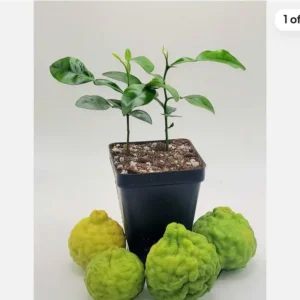
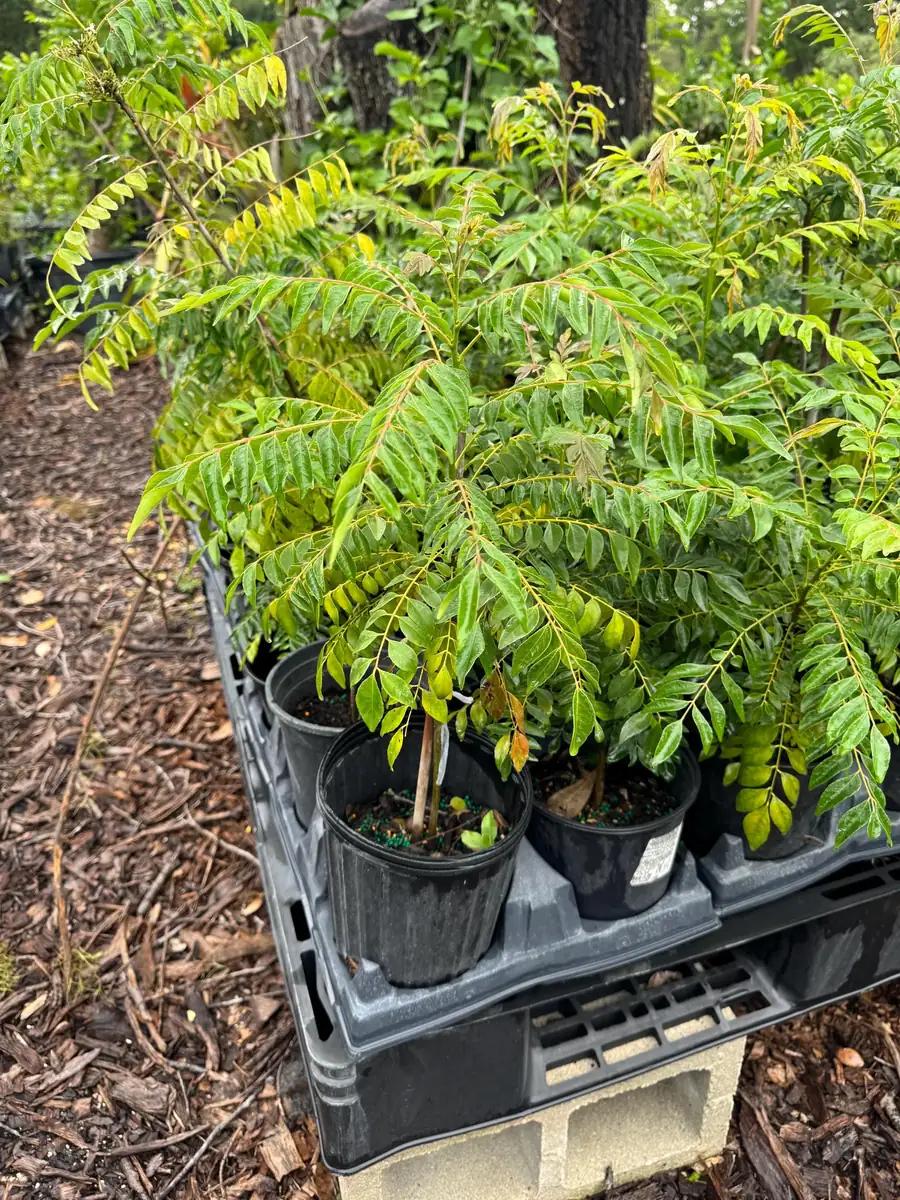
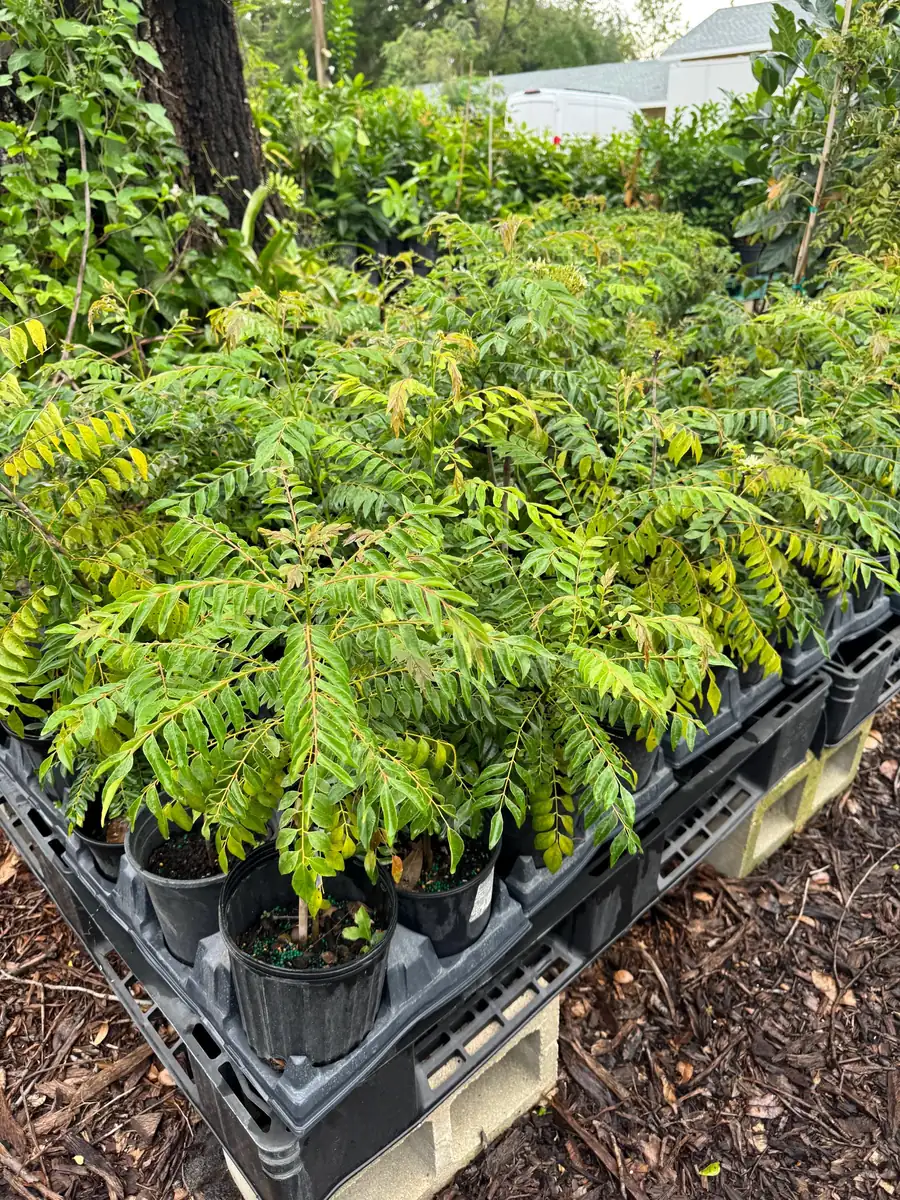
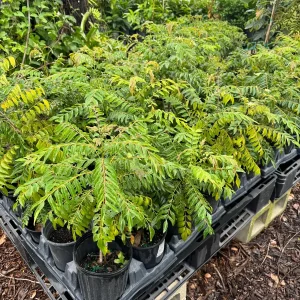
This offering is for one healthy curry plant live plant, delivered in a 1 Gallon nursery pot. The plant’s current height ranges from 1-2 feet tall, measured from the base of the pot to the top of the foliage. This size makes it an ideal starter plant, established enough to handle transplanting and begin producing fragrant leaves quickly. The plant will arrive with its root ball intact within the pot, ensuring minimal transplant shock. Expect a moderate growth rate, with the potential to reach 6-15 feet tall when mature in ideal outdoor conditions, or a more manageable size when container-grown as a curry tree indoor.
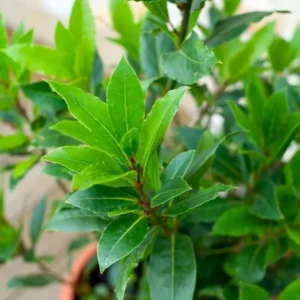
Upon arrival, the plant will be well-rooted and ready for its new home. The 1 Gallon pot provides ample space for initial growth, but for long-term health, consider repotting into a larger container as it grows. The plant is typically bushy and well-branched, showcasing the characteristic ovate, shiny green leaves of the murraya koenigii. While it may produce small, fragrant white flowers followed by small, non-edible berries, the primary value of this plant is its leaves. Expect to begin harvesting fresh curry leaves within a few weeks of settling your plant into its new environment.
Frequently Asked Questions
- Q: How big does this curry plant live plant get? A: This plant is currently 1-2 feet tall in a 1 Gallon pot. When mature and grown outdoors in ideal conditions, it can reach heights of 6-15 feet. As an indoor potted plant, its size can be managed with regular pruning.
- Q: What size pot does it come in? A: The curry plant live plant is shipped in a 1 Gallon nursery pot, providing a good head start for its growth. We recommend repotting into a larger container as the plant grows to accommodate its root system.
- Q: Is this an indoor or outdoor plant? A: The karivepaku plant can be grown outdoors year-round in USDA Zones 9-11. In cooler climates, it thrives as an excellent curry tree indoor plant, provided it receives sufficient light.
- Q: How much sunlight does it need? A: A curry plant live plant requires at least 6-8 hours of direct sunlight daily for optimal growth. If growing indoors, a bright south-facing window or supplemental grow light is recommended.
- Q: Is this plant easy to care for? A: Yes, with consistent watering and adequate sunlight, the murraya koenigii is relatively easy to care for. It’s a resilient plant that rewards proper curry leaf plant care with abundant foliage.
- Q: Can I use curry leaf in cooking? A: Absolutely! The leaves of the curry plant live plant are highly prized for their unique, aromatic flavor in various South Asian cuisines. They are typically fried in oil to release their full aroma before adding to dishes.
- Q: What condition will it arrive in? A: Your curry plant live plant will arrive well-packaged, healthy, and with its root ball intact in its 1 Gallon pot, ensuring it is ready for transplanting and continued growth.
- Q: How often should I water my karivepaku plant? A: Water when the top inch of soil feels dry to the touch. Ensure the soil is consistently moist but never waterlogged to prevent root rot. Reduce watering during cooler months.
- Q: What is the best soil for this plant? A: The curry plant live plant prefers well-draining soil. A good quality potting mix amended with perlite or sand works well to ensure proper drainage and aeration for its roots.
- Q: Is the curry tree indoor considered pet-safe? A: While curry leaves are used in human cooking, it’s generally advised to keep all parts of the plant away from pets, as some plants can cause mild digestive upset if ingested.


Reviews
There are no reviews yet.