Overview
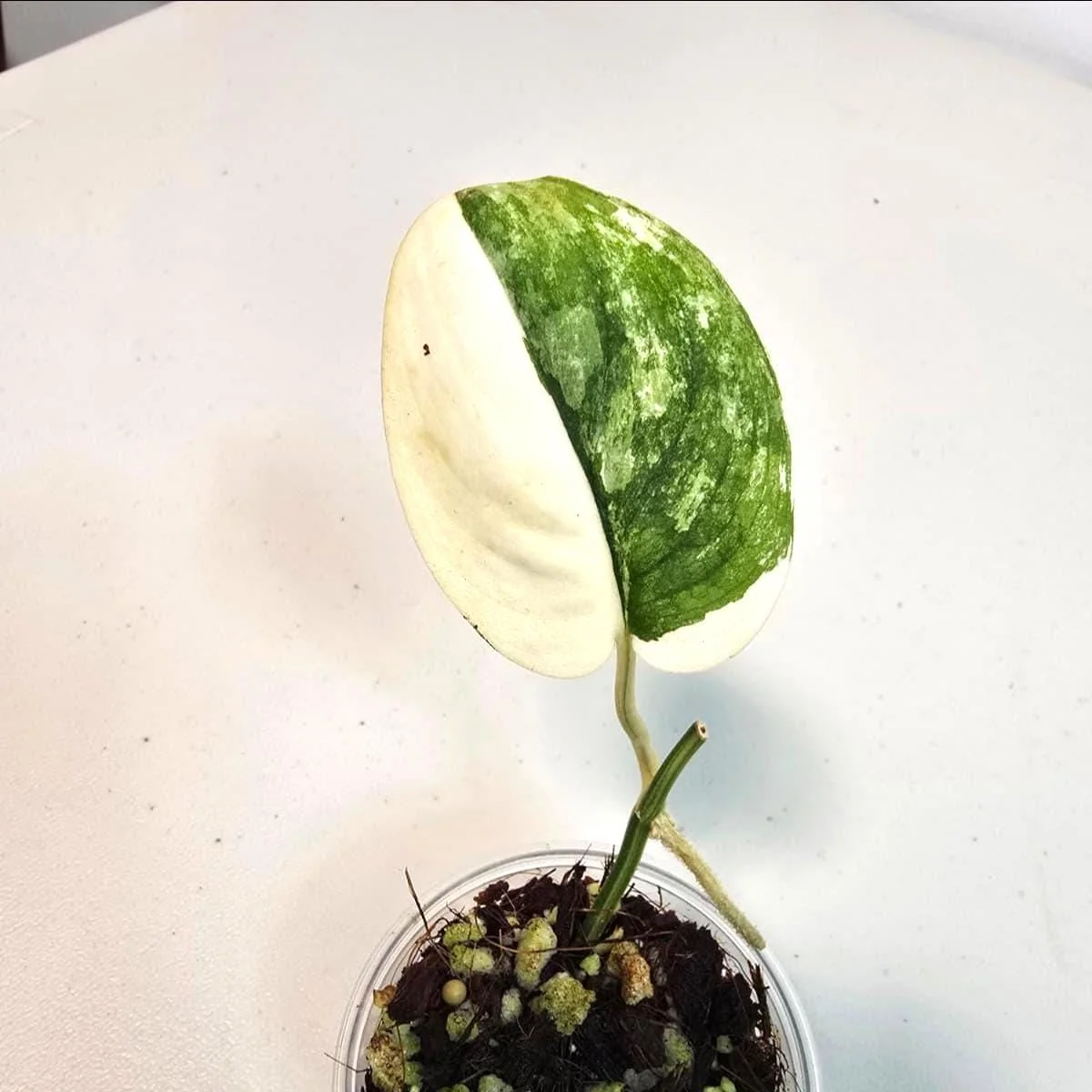
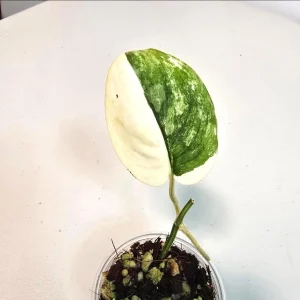
Introducing the magnificent variegated Scindapsus Pictus Jade Satin live plant, a must-have for any discerning plant collector or indoor gardening enthusiast. This particular cultivar of Scindapsus Pictus, often referred to as ‘Satin Pothos’ due to its velvety texture, stands out with its unique and highly sought-after variegation. The ‘Jade Satin’ variety boasts heart-shaped leaves that are a deep, rich green, beautifully contrasted by irregular splashes and marbling of creamy-white to light yellow. Each leaf is a natural work of art, making this plant a focal point in any room. As a vining plant, it can be displayed in hanging baskets, allowed to trail gracefully from shelves, or trained to climb, adding a dynamic vertical element to your decor. This rare collector plant is not just visually appealing; it’s also known for its relatively easy care, making it suitable for a wide range of plant parents, from beginners to experienced growers.
The botanical name, Scindapsus Pictus, originates from the Greek ‘skindapsos’ meaning ‘on a tree’ or ‘ivy-like’, referring to its climbing nature. The ‘Pictus’ part signifies ‘painted’, an apt description for its stunning variegated foliage. Commonly known as Satin Pothos or Silver Pothos, the ‘Jade Satin’ cultivar takes this beauty to the next level with its distinct color palette. When you acquire a variegated Scindapsus Pictus Jade Satin, you’re not just getting a plant; you’re investing in a living piece of art that will continue to grow and enchant for years to come. Its elegant appearance and manageable care requirements make it an ideal choice for enhancing indoor environments with natural beauty.
Key Benefits
The variegated Scindapsus Pictus Jade Satin offers numerous advantages for indoor plant lovers, combining aesthetic appeal with practical benefits:
- Stunning Variegated Foliage: The primary draw of this plant is its incredibly beautiful leaves, featuring a unique blend of deep green and creamy-white to light yellow patterns. This striking variegation ensures that each leaf is distinct, making it a captivating visual accent in any indoor setting. The velvety texture further enhances its luxurious feel.
- Versatile Display Options: As an indoor vining plant, the ‘Jade Satin’ can be showcased in various ways. Allow its trailing stems to cascade elegantly from hanging planters or shelves, or provide a moss pole for it to climb, creating a lush, vertical display. This adaptability makes it suitable for diverse interior designs.
- Air-Purifying Qualities: Like many houseplants, the variegated Scindapsus Pictus Jade Satin contributes to a healthier indoor environment by helping to filter airborne toxins. While not as robust as some dedicated air purifiers, it subtly enhances air quality, making your living space fresher.
- Relatively Low Maintenance: Despite its exotic appearance, this plant is surprisingly easy to care for, making it an excellent choice for both novice and experienced plant parents. With consistent bright, indirect light and proper watering, it will thrive, requiring minimal fuss. Understanding Scindapsus Pictus care is straightforward.
- Collector’s Item Appeal: For those who appreciate unique and less common plants, the ‘Jade Satin’ variety is a true gem. Its distinct variegation and desirable characteristics make it a sought-after addition to any plant collection, enhancing its value as a rare collector plant.
- Enhances Home Decor: The rich colors and graceful form of this plant add a touch of sophistication and natural beauty to any room. It can complement various decor styles, from modern minimalist to bohemian, bringing life and vibrancy to your indoor spaces.
- Pet-Friendly (with caution): While all Scindapsus species contain calcium oxalates and can cause irritation if ingested, they are generally considered less toxic than some other common houseplants. Keep out of reach of pets to be safe, but many plant owners successfully keep these plants in homes with animals.
Plant Care & Growing Tips
Proper Scindapsus Pictus care is essential for maintaining the vibrant variegation and overall health of your variegated Scindapsus Pictus Jade Satin. This beautiful indoor vining plant thrives with consistent attention to its environmental needs. It prefers bright, indirect light. Placing it near an east or north-facing window is ideal, where it can receive ample light without direct harsh sun exposure. Direct sunlight can scorch its delicate leaves, causing the variegation to fade or burn. If your space lacks sufficient natural light, a grow light can be used to supplement, ensuring the plant receives the necessary intensity to maintain its striking patterns. Remember that adequate light is crucial for the variegation to remain vibrant; in lower light conditions, the plant may revert to a greener hue.
When it comes to watering, the key is consistency without overwatering. Allow the top inch or two of the soil to dry out completely before watering thoroughly. This usually means watering once every 7-10 days, but always check the soil moisture level with your finger. Ensure proper drainage by using a pot with drainage holes and a well-draining potting mix. A peat-based mix amended with perlite or orchid bark will provide the ideal balance of moisture retention and aeration, preventing root rot. During the active growing season (spring and summer), the plant will require more frequent watering, while in the dormant period (fall and winter), watering should be reduced. Humidity is also beneficial for this tropical plant; consider misting regularly or placing it near a humidifier.
The variegated Scindapsus Pictus Jade Satin appreciates consistent temperatures, ideally between 65-80°F (18-27°C). Avoid sudden temperature fluctuations or cold drafts, which can stress the plant. Fertilize sparingly during the growing season, typically once a month, with a balanced liquid fertilizer diluted to half strength. Reduce or stop fertilization during the colder months. Common problems include yellowing leaves from overwatering or brown, crispy edges from low humidity or underwatering. Regularly inspect your plant for pests like spider mites or mealybugs, and treat promptly with insecticidal soap if detected. With these detailed satin pothos care guidelines, your plant will flourish and continue to be a stunning addition to your home.
Size & Details
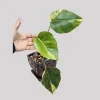
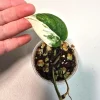
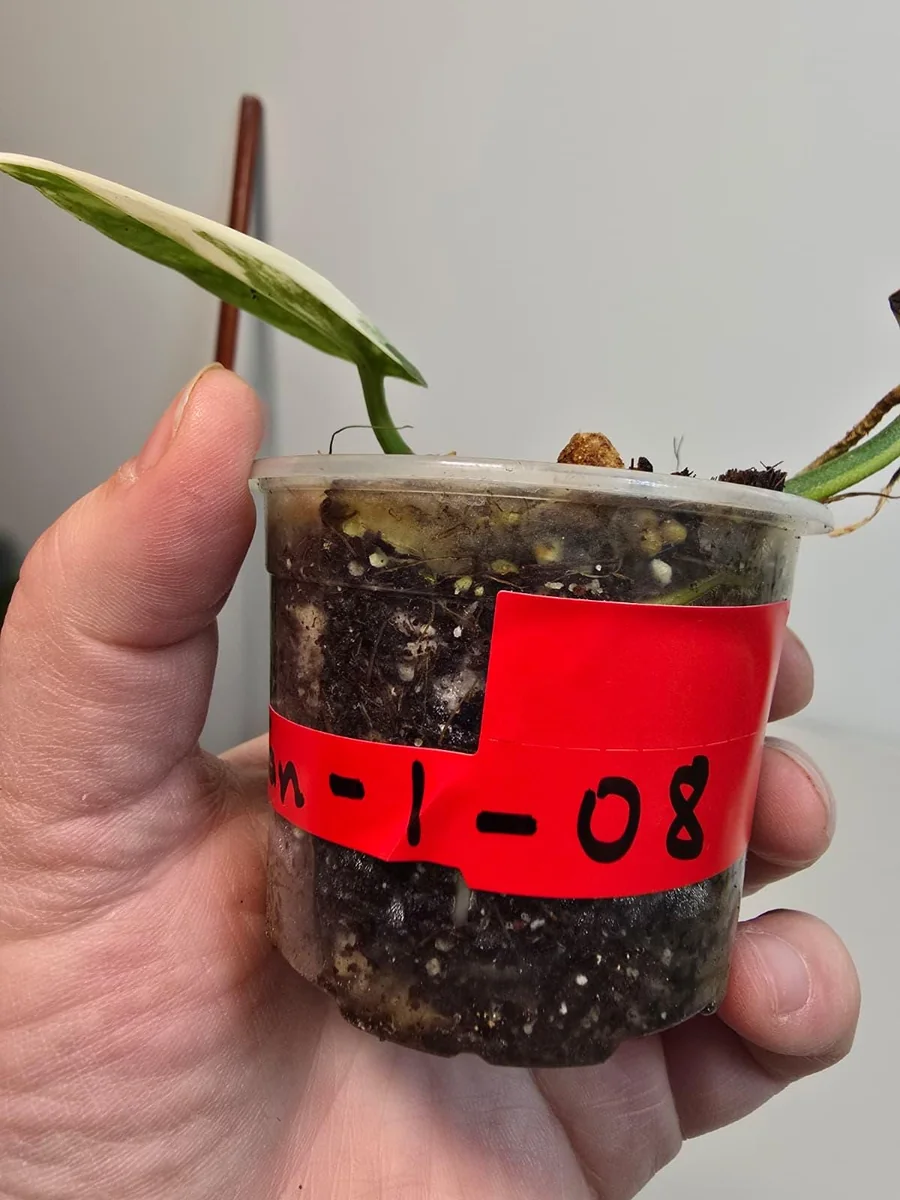
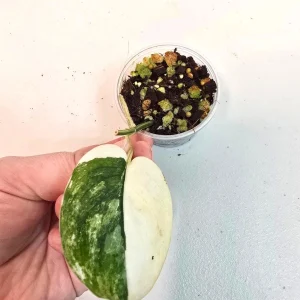
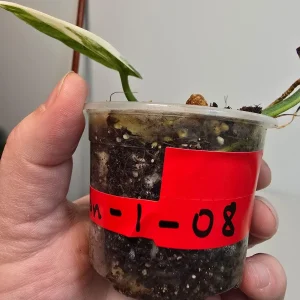
The variegated Scindapsus Pictus Jade Satin is typically supplied as a healthy, established live plant in a nursery pot, ready to be placed in your home or transplanted into a decorative container. While exact dimensions can vary, these plants usually arrive with several vining stems, often trailing 6-12 inches, with the potential to grow much longer, reaching several feet in length over time. The individual heart-shaped leaves typically measure 2-4 inches across, showcasing their unique variegation. This particular offering provides the SAME potted plant as pictured, ensuring you receive the exact specimen you’ve chosen. Its growth rate is moderate, allowing you to observe its development and enjoy its expanding foliage without it becoming overwhelming too quickly.
As an indoor vining plant, its ultimate size and spread will largely depend on its growing conditions and whether it is allowed to trail or climb. When provided with a support structure, it can grow taller and develop larger leaves. If left to trail, it will create a dense, cascading display. It thrives in typical indoor humidity, but will appreciate an extra boost, especially in drier climates. This plant is valued for its lush foliage rather than flowers, which are inconspicuous and rarely seen in cultivation. Expect this plant to bring continuous beauty to your space for many years with proper scindapsus pictus care.
Frequently Asked Questions
- Q: How big does the variegated Scindapsus Pictus Jade Satin get? A: This vining plant can trail several feet long, typically 3-6 feet, especially when given ideal conditions. The length can be controlled through pruning to maintain a desired size and shape. Its spread depends on whether it’s allowed to trail or climb a support.
- Q: Is this an indoor or outdoor plant? A: The variegated Scindapsus Pictus Jade Satin is primarily an indoor houseplant in most climates. It prefers stable indoor temperatures and humidity. It can be moved outdoors in warm, humid conditions during summer but must be brought inside before temperatures drop below 50°F (10°C).
- Q: How much sunlight does it need? A: This plant thrives in bright, indirect light. Avoid direct sunlight, which can scorch its leaves and diminish the variegation. An east or north-facing window is often ideal. Too little light can cause the variegation to fade and growth to slow.
- Q: Is this plant easy to care for? A: Yes, the variegated Scindapsus Pictus Jade Satin is considered relatively easy to care for, making it suitable for beginners. Its requirements for light and water are straightforward, and it’s quite forgiving of minor inconsistencies, especially when following good satin pothos care practices.
- Q: What condition will it arrive in? A: The plant will arrive as a live, healthy specimen in its nursery pot, carefully packaged to ensure its well-being during transit. It will be the SAME potted plant as shown in the product images, ensuring consistency and quality.
- Q: How often should I water my variegated Scindapsus Pictus Jade Satin? A: Water when the top 1-2 inches of soil feel dry to the touch. This usually translates to once every 7-10 days, but it can vary based on environmental factors like humidity, temperature, and light. Always ensure good drainage to prevent root rot.
- Q: Is this plant pet-safe? A: Like many plants in the Araceae family, Scindapsus Pictus contains calcium oxalate crystals, which can cause irritation if ingested by pets. While not severely toxic, it’s best to keep this indoor vining plant out of reach of curious pets to prevent any discomfort.
- Q: What kind of soil is best for this plant? A: A well-draining, peat-based potting mix is ideal. You can enhance drainage by adding perlite or orchid bark to the mix. Good drainage is crucial to prevent waterlogging and ensure healthy root development for your rare collector plant.
- Q: How do I maintain the variegation? A: To maintain vibrant variegation, provide consistent bright, indirect light. Insufficient light can cause the plant to produce more green leaves and lose some of its distinctive patterns. Consistent Scindapsus Pictus care will help preserve its beauty.
- Q: Can I propagate this plant? A: Yes, this plant is relatively easy to propagate from stem cuttings. Simply take a cutting with a few nodes, and place it in water or moist soil. Roots will typically form within a few weeks, allowing you to create new plants.


Reviews
There are no reviews yet.