Overview
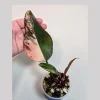
Introduce a symbol of prosperity and natural beauty into your living or working space with this exquisite money tree live plant. Also known as Pachira Aquatica, this popular houseplant is cherished for its distinctive braided trunk and vibrant green, palm-like leaves. Originating from the wetlands of Central and South America, the money tree has captivated plant enthusiasts and those seeking a touch of good fortune alike. Our money tree live plant arrives ready to thrive, bringing a lush, tropical feel to your home. It’s not just a plant; it’s a living piece of art that promises to enhance your indoor environment with its serene presence and auspicious symbolism. This particular specimen is a robust and healthy plant, cultivated to ensure its vitality upon arrival.
The Pachira Aquatica indoor plant is a fantastic addition for both seasoned plant parents and beginners. Its relatively low-maintenance nature makes it an accessible option for anyone looking to add some greenery without extensive effort. The unique growth habit, often featuring an artfully braided trunk, adds an element of sculptural interest that draws the eye. Embrace the tradition of the good luck plant and invite positive energy into your surroundings with this charming and resilient botanical companion.
Key Benefits
Beyond its aesthetic appeal, the money tree live plant offers several benefits that make it a highly desirable houseplant. Its presence can transform an ordinary space into a vibrant, calming sanctuary:
- Aesthetic Appeal & Symbolism: The money tree’s striking braided trunk and glossy green leaves create an eye-catching focal point. Culturally, it’s believed to bring good luck, prosperity, and positive energy, making it a thoughtful gift or a meaningful addition to your own home. Many consider it a true good luck plant.
- Air Purification: Like many houseplants, the money tree contributes to a healthier indoor environment by naturally filtering airborne toxins. It helps to improve air quality, creating a fresher and more pleasant atmosphere in your home or office.
- Low Maintenance: This resilient plant is surprisingly easy to care for, making it suitable for busy individuals or those new to plant care. It tolerates a range of conditions and doesn’t demand constant attention, allowing you to enjoy its beauty with minimal fuss. Learning proper money tree plant care is straightforward.
- Versatile Decor: Its elegant form and moderate size make the Pachira Aquatica indoor plant a versatile decor piece. It can adorn a desk, brighten a living room corner, or add a touch of nature to a bedroom, complementing various interior design styles.
- Stress Reduction: Studies suggest that having plants indoors can reduce stress and improve mood. The calming green foliage of the money tree can create a more relaxing and tranquil environment, promoting overall well-being.
- Unique Braided Trunk: The distinctive braided trunk is not only beautiful but also adds character and artistry to the plant. This unique feature is often associated with the intertwining of good fortune and prosperity.
Plant Care & Growing Tips
Caring for your money tree live plant is a rewarding experience, and with a few simple guidelines, it will thrive and bring you joy for years. The key to successful money tree plant care lies in understanding its basic needs for light, water, and soil.
Sunlight Requirements: Money trees prefer bright, indirect light. Avoid direct, harsh sunlight, which can scorch its leaves. A spot near a north or east-facing window is ideal. If you don’t have enough natural light, a grow light can provide supplementary illumination. Rotate your plant every few weeks to ensure even growth and prevent it from leaning towards the light source. Too little light can lead to leggy growth and smaller leaves, while too much can cause leaf burn.
Watering Schedule & Soil Moisture: The money tree likes consistent moisture but absolutely detests sitting in water. Water thoroughly when the top 1-2 inches of soil feel dry to the touch. Allow excess water to drain completely from the pot’s drainage holes. Overwatering is a common cause of issues like root rot, so it’s always better to slightly underwater than overwater. Reduce watering frequency during the cooler, darker winter months when the plant’s growth slows down. Ensure your Pachira Aquatica indoor plant has proper drainage.
Soil Type & Drainage: Use a well-draining potting mix. A standard houseplant potting mix amended with some perlite or sand for extra drainage works well. Good drainage is crucial to prevent waterlogging and root problems. Repot your money tree every 2-3 years, or when it becomes root-bound, to refresh the soil and provide more room for growth.
Temperature Range & Humidity: Money trees thrive in average room temperatures between 65-75°F (18-24°C). Protect them from cold drafts and sudden temperature fluctuations. They also appreciate higher humidity, which can be achieved by misting the leaves regularly, placing the pot on a pebble tray with water, or using a humidifier, especially in dry indoor environments. This helps keep the foliage lush and prevents brown tips.
Fertilization: Feed your braided money tree with a balanced liquid houseplant fertilizer during its active growing season (spring and summer), typically once every 2-4 weeks. Reduce or stop fertilization during fall and winter. Always follow the fertilizer’s instructions for dilution to avoid over-fertilizing, which can harm the plant.
Size & Details
This money tree live plant comes in a 4 inch pot, making it a perfect size for immediate display on a desk, shelf, or small table. At this stage, it typically stands approximately 8-12 inches tall from the base of the pot, with a compact canopy of vibrant green leaves. The exact height and leaf count may vary slightly as these are live, growing specimens, but each plant is selected for its health and vigor. The trunk is often already showing signs of its characteristic braiding, a feature that becomes more pronounced as the plant matures. It ships as a healthy, established plant in its nursery pot, ready to be placed in your chosen decorative container.
With proper money tree plant care, this plant has a moderate growth rate and can eventually reach heights of 6 feet or more indoors, though its size can be managed through pruning. Its lush foliage can spread to about 1-2 feet wide, creating a full and attractive display. The plant is typically grown for its foliage and unique trunk, with flowering being rare in indoor conditions. This size is ideal for those looking to add an instant touch of greenery and good fortune to their home or office.
Frequently Asked Questions
- Q: How big does this plant get? A: This money tree live plant comes in a 4-inch pot and is typically 8-12 inches tall upon arrival. With good care, it can grow to 6 feet or more indoors, though its size is easily managed with pruning.
- Q: Is this an indoor or outdoor plant? A: The money tree is primarily grown as an Pachira Aquatica indoor plant in most climates. It can be moved outdoors in warm, humid conditions during summer but must be brought inside before temperatures drop below 50°F (10°C).
- Q: How much sunlight does it need? A: It thrives in bright, indirect light. Avoid direct sun exposure, which can burn its leaves. An east or north-facing window is usually ideal for a braided money tree.
- Q: Is this plant easy to care for? A: Yes, the money tree is considered relatively easy to care for, making it a great choice for beginners. Consistent watering (allowing the topsoil to dry) and bright indirect light are key to successful money tree plant care.
- Q: What condition will it arrive in? A: Your money tree live plant will arrive as a healthy, established plant in its nursery pot, carefully packaged to ensure its safety during transit.
- Q: Is it pet-safe? A: The money tree (Pachira aquatica) is generally considered non-toxic to pets according to the ASPCA, making it a safe choice for homes with cats and dogs. It’s a great good luck plant for pet owners.
- Q: When is the best time to repot my money tree? A: Repotting is best done in spring or early summer, typically every 2-3 years, or when you notice the plant becoming root-bound. Choose a pot only slightly larger than the current one to prevent overwatering.


Reviews
There are no reviews yet.