Overview
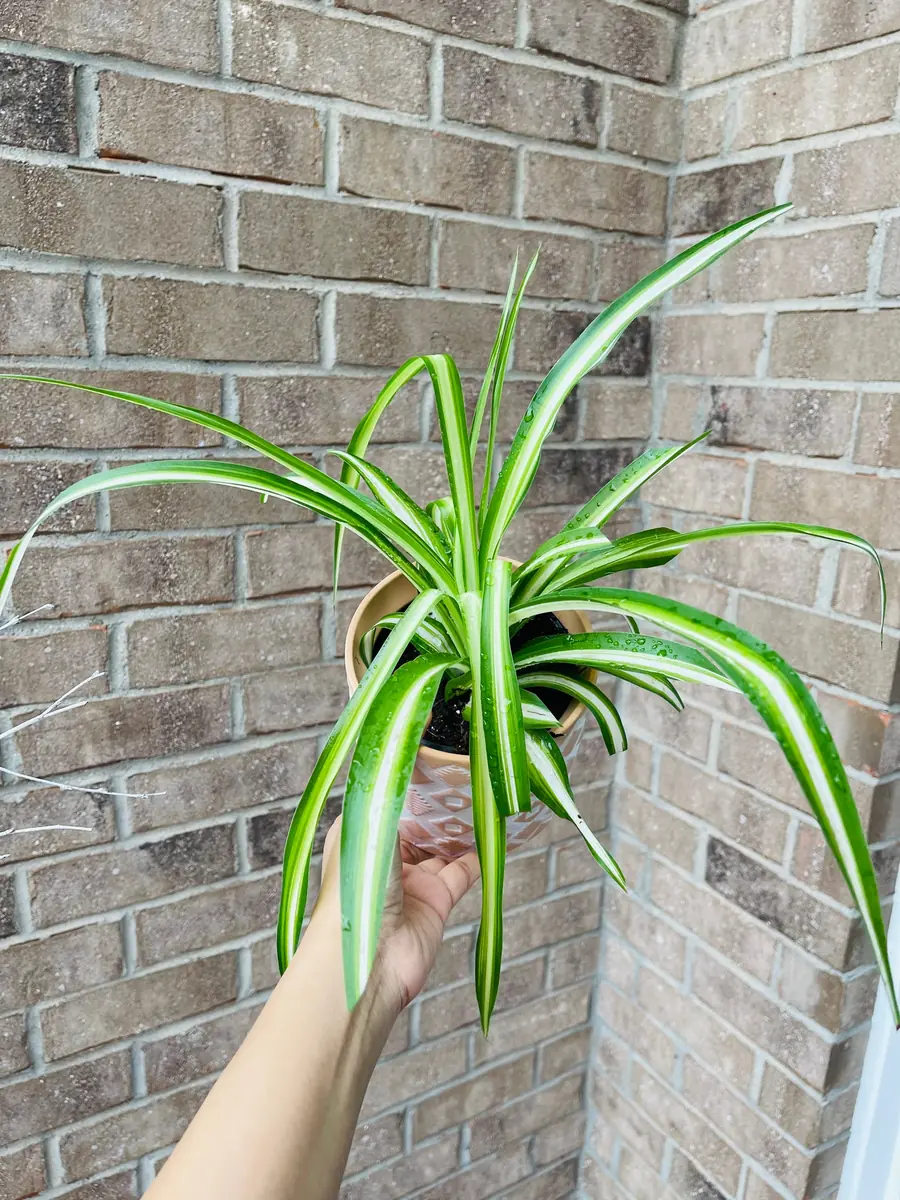
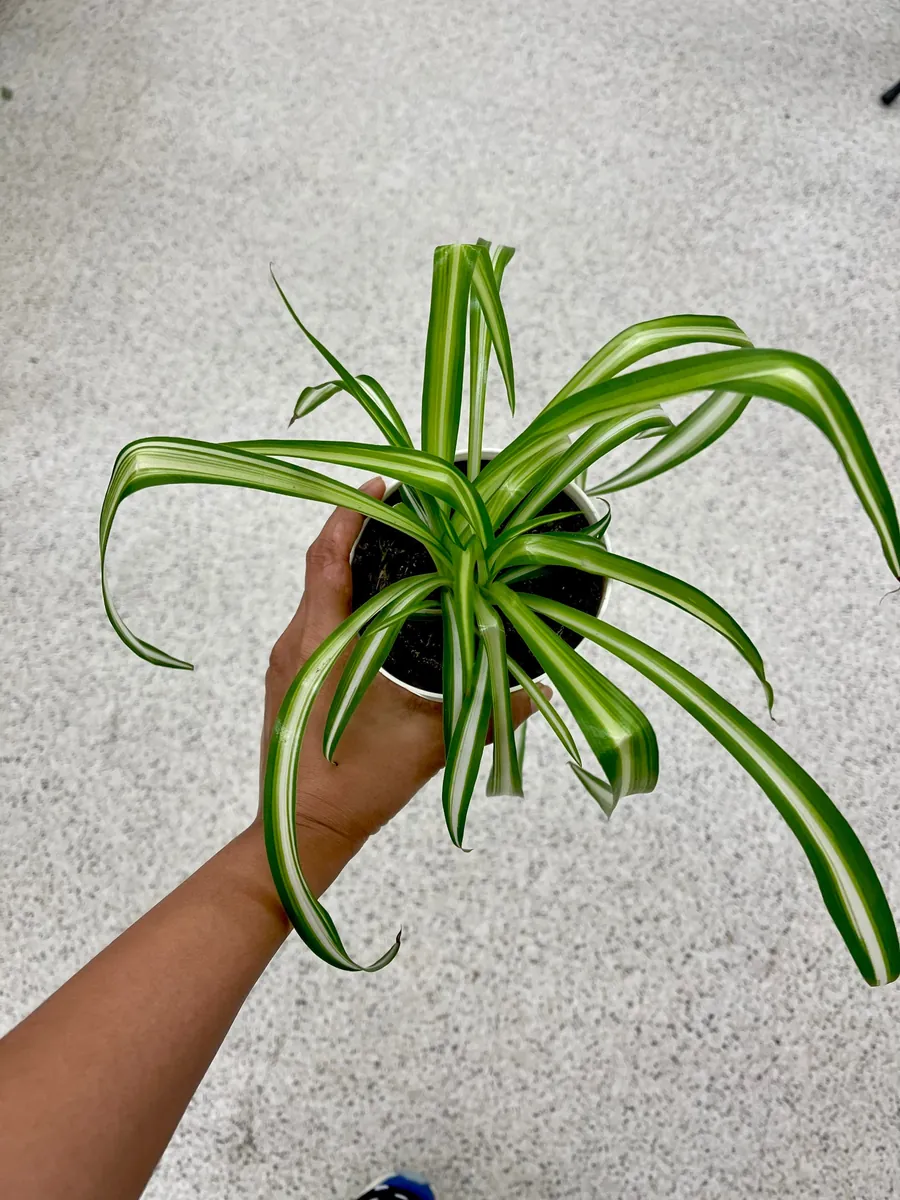
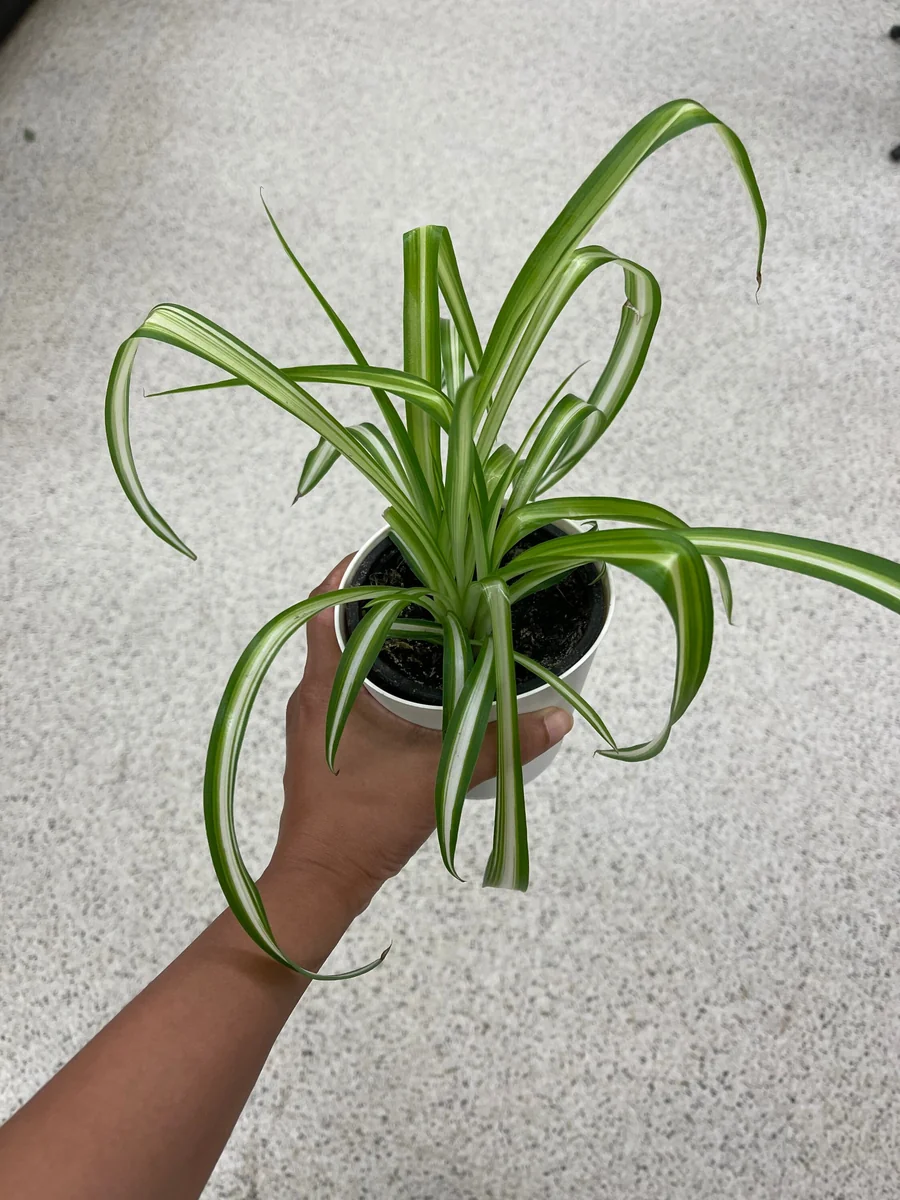
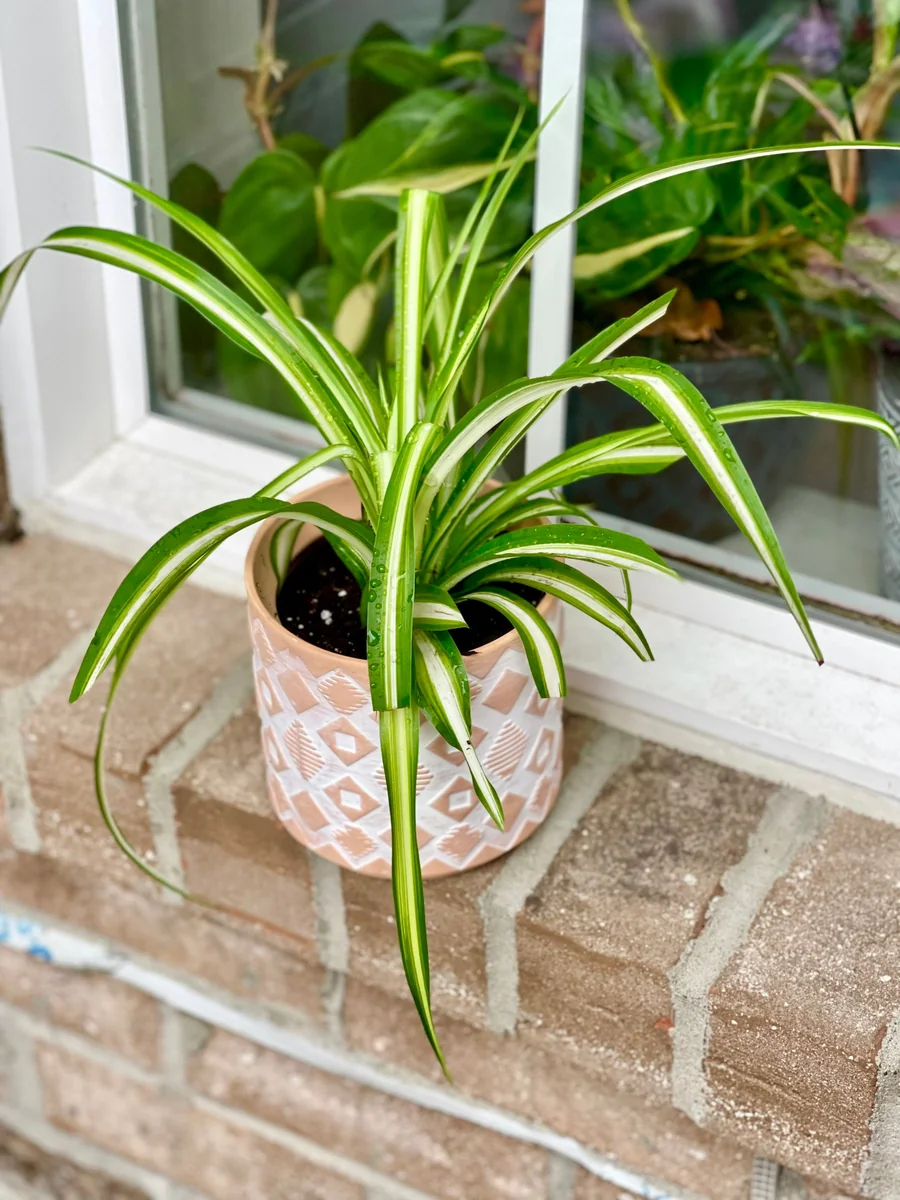
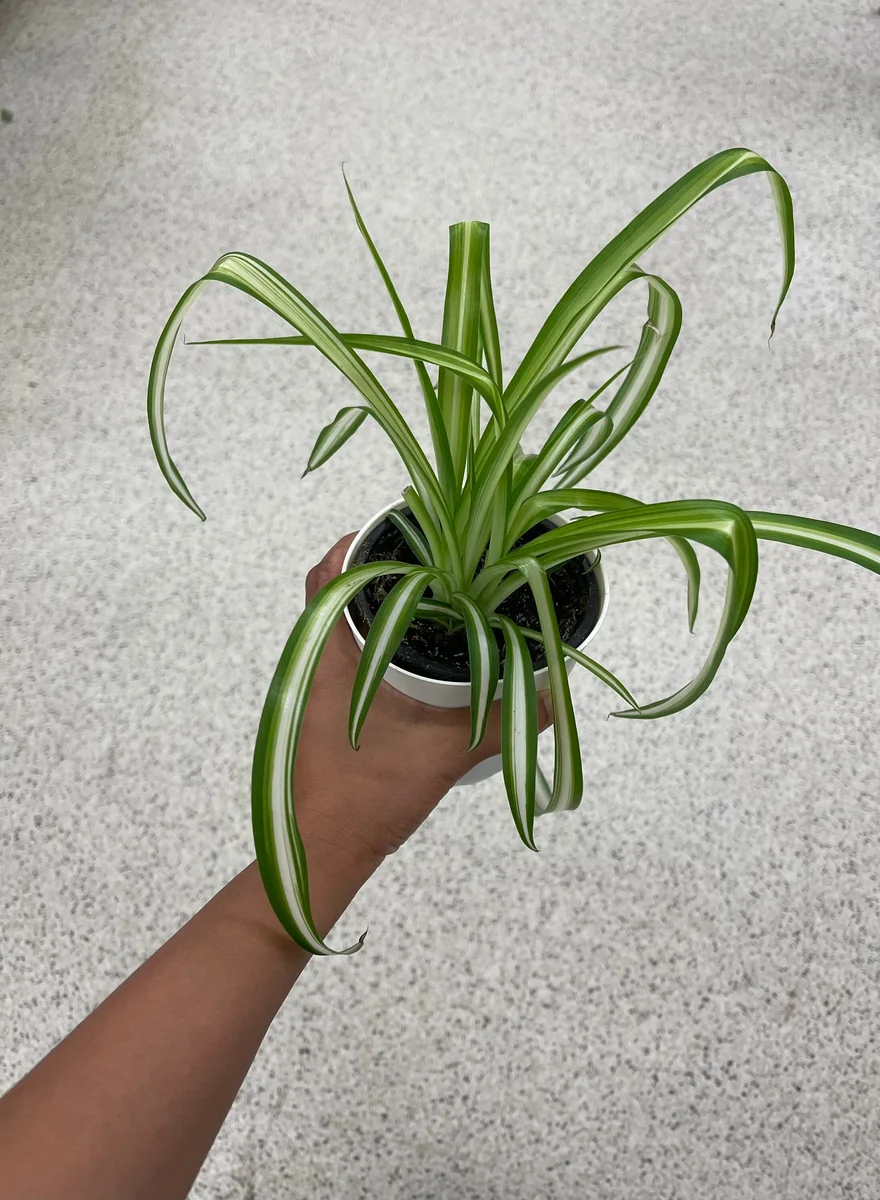
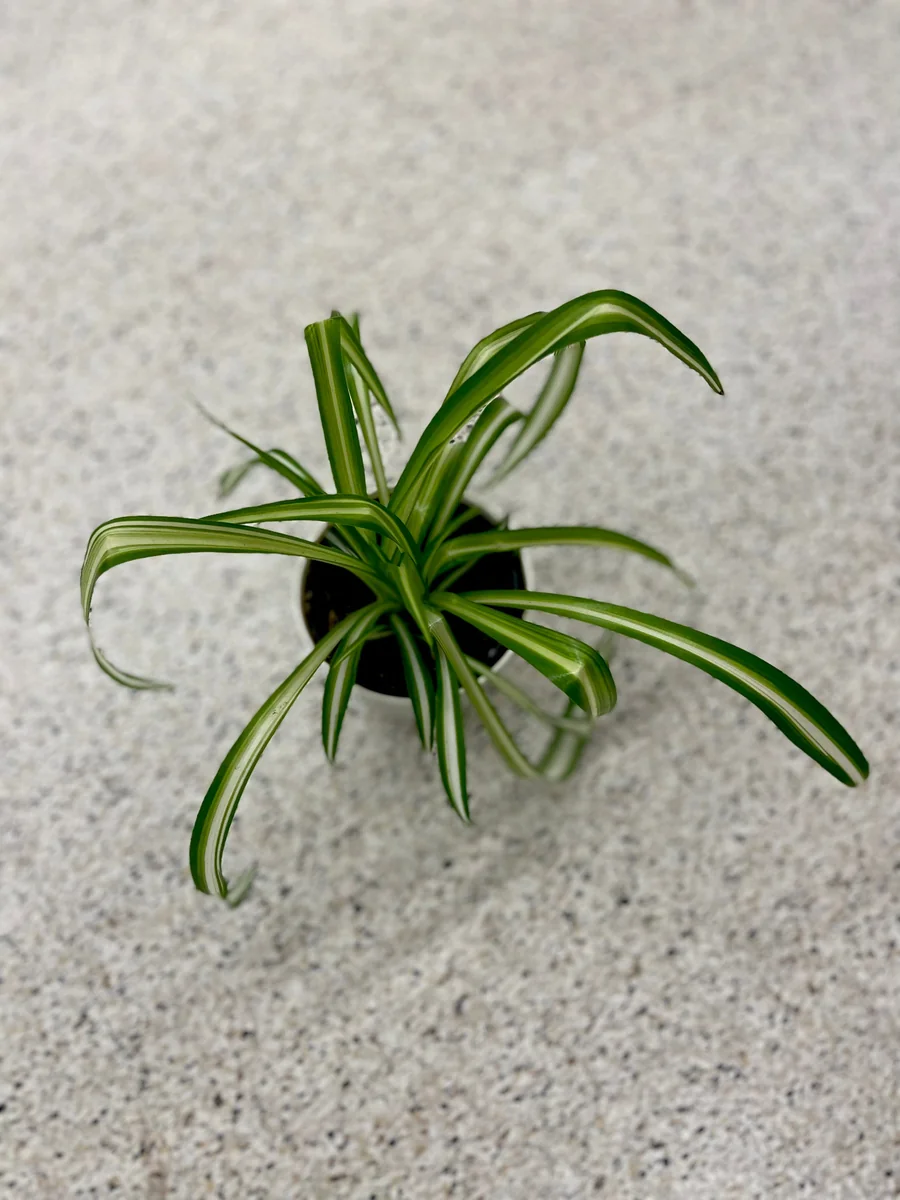
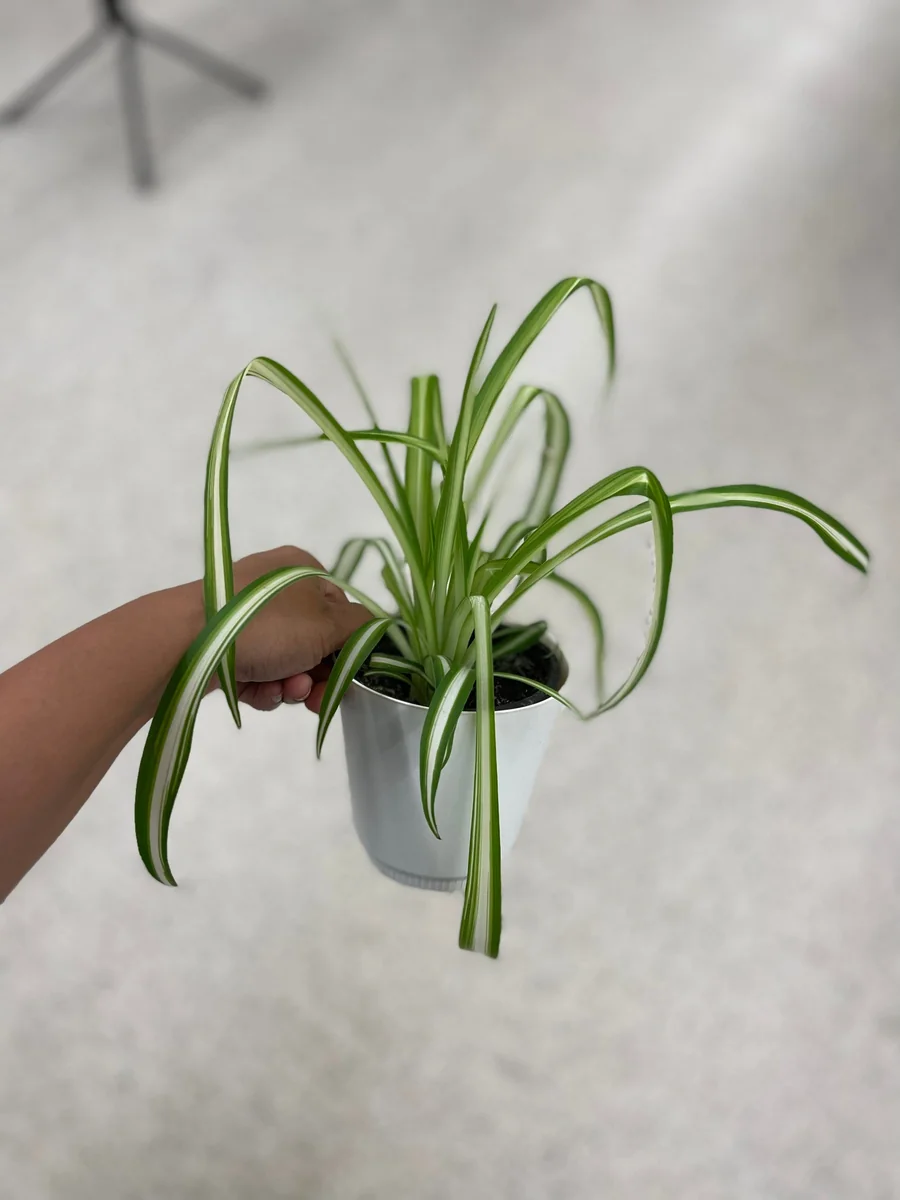
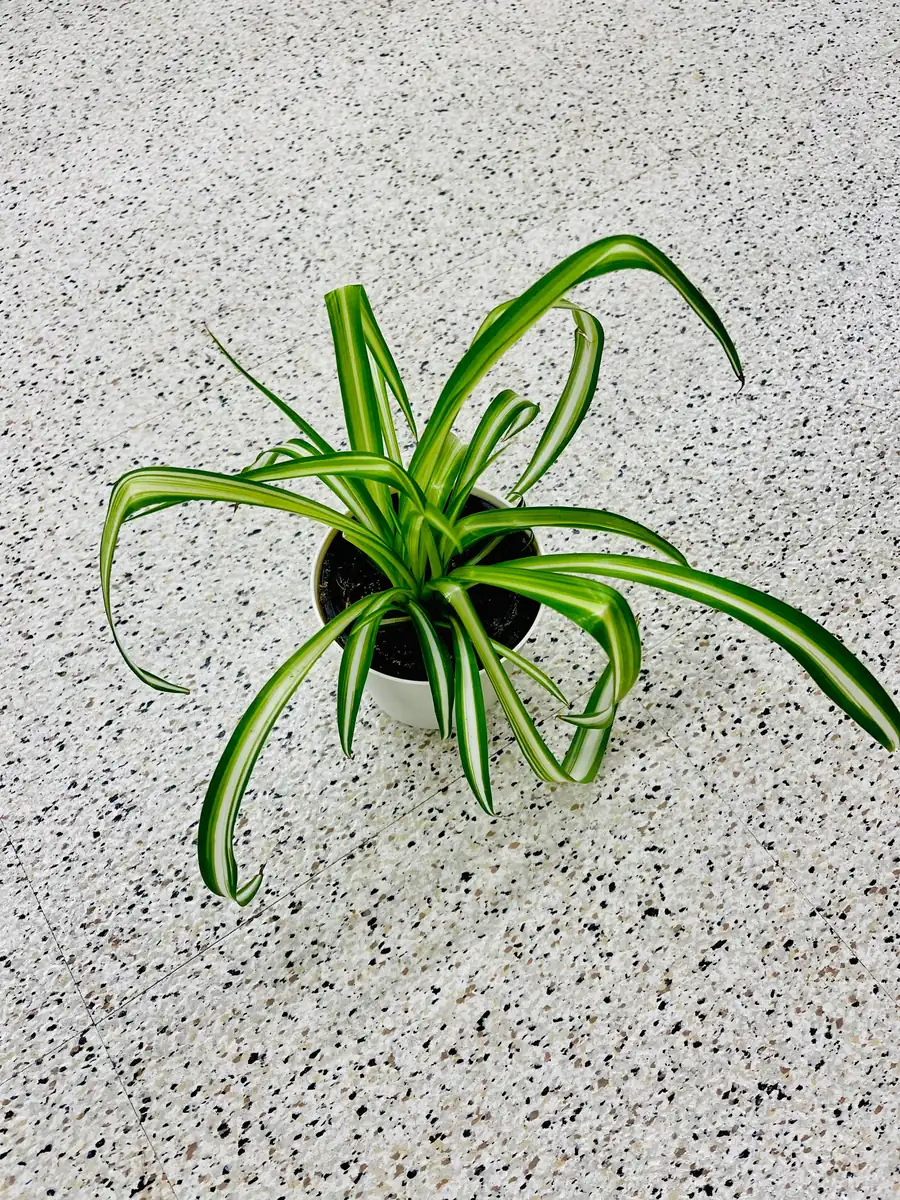
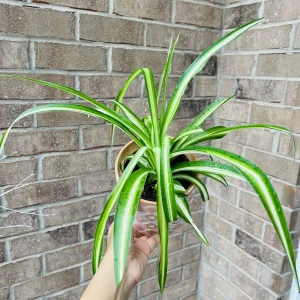
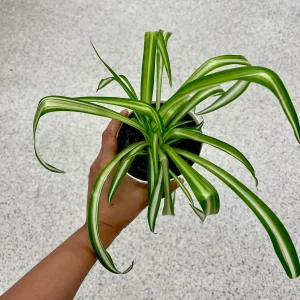
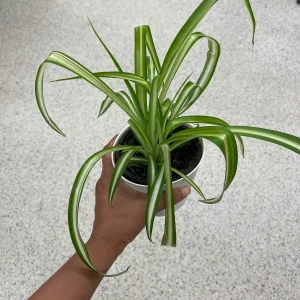
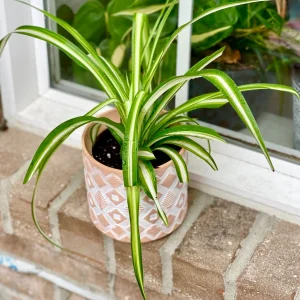
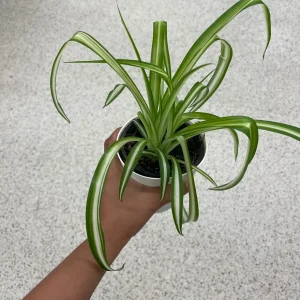
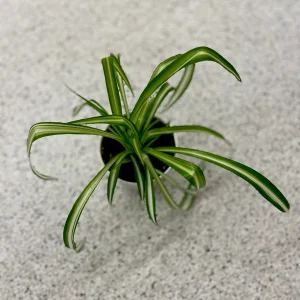
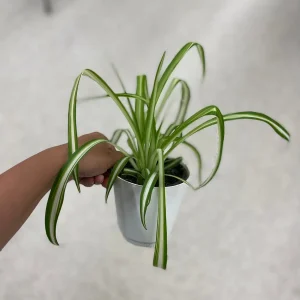
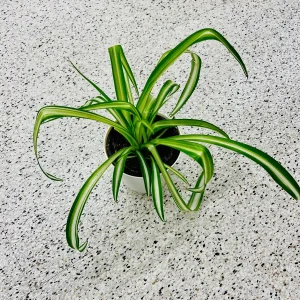
The variegated spider plant (Chlorophytum comosum ‘Vittatum’) is a timeless classic among houseplants, celebrated for its distinctive green and white striped leaves. Originating from tropical and southern Africa, this resilient plant has become a staple in homes and offices worldwide due to its striking appearance and remarkably low maintenance requirements. Often referred to simply as a spider plant, it is renowned for its ability to produce numerous plantlets, or “spiderettes,” that dangle gracefully from the mother plant, giving it a unique, charming appeal. These plantlets can be easily propagated, allowing you to expand your collection or share with friends. Whether you’re a seasoned gardener or just starting your plant journey, the variegated spider plant offers an accessible and rewarding experience, enhancing any indoor space with its lush, vibrant presence and elegant, trailing growth.
This particular variegated spider plant comes in a convenient 2-inch grow pot, making it perfectly sized for a desk, shelf, or as part of a larger plant arrangement. Its compact initial size allows it to adapt easily to new environments before it begins to produce its signature long vines and abundant growth. The characteristic variegation adds a bright, fresh look to any room, making it a versatile decorative element. Beyond its aesthetic appeal, the variegated spider plant is also recognized for its air-purifying capabilities, helping to remove common indoor toxins and contribute to a healthier living environment. It’s truly an easy care houseplant that delivers both beauty and benefits.
Key Benefits
The variegated spider plant offers a multitude of advantages that make it a favorite among plant lovers. Its robust nature and attractive appearance contribute significantly to its popularity, making it an excellent choice for various indoor settings. Here are some of the key benefits this wonderful plant provides:
- Exceptional Air Purification: The variegated spider plant is highly effective at filtering common indoor air pollutants such as formaldehyde, xylene, and carbon monoxide. This makes it an ideal choice for improving the air quality in your home or office, promoting a healthier atmosphere for you and your family.
- Remarkably Easy Care: Known as an easy care houseplant, the spider plant thrives on neglect, making it perfect for beginners or those with busy lifestyles. It tolerates a range of conditions and is forgiving of occasional watering lapses, ensuring long-term success with minimal effort.
- Unique Decorative Appeal: With its arching, variegated leaves and cascading “spiderettes,” this plant adds dynamic visual interest to any space. It looks stunning in hanging baskets, on shelves, or as a vibrant centerpiece, providing a touch of natural elegance.
- Simple Propagation: The plantlets produced by the variegated spider plant can be easily rooted in water or soil, allowing you to effortlessly multiply your collection or share with friends. This makes it an incredibly rewarding plant for those who enjoy propagating.
- Pet-Friendly Nature: Unlike many other houseplants, spider plants are non-toxic to cats and dogs, making them a safe choice for homes with pets. You can enjoy its beauty without worrying about your furry companions.
- Adaptable to Various Light Conditions: While it prefers bright, indirect light, the variegated spider plant can adapt to lower light levels, though its variegation may become less pronounced. This flexibility allows you to place it in several locations within your home.
- Promotes Well-being: Studies suggest that having plants like the variegated spider plant indoors can reduce stress, improve mood, and increase productivity. Its lush greenery brings a sense of calm and connection to nature into your living space.
Plant Care & Growing Tips
Caring for your variegated spider plant is straightforward, making it an excellent choice for plant enthusiasts of all experience levels. Understanding its basic needs will ensure healthy growth and vibrant foliage. One of the most important aspects of spider plant care is providing the right light conditions. They thrive in bright, indirect sunlight. Direct, harsh sunlight can scorch their leaves, leading to brown tips, while too little light can reduce the vibrancy of their variegation. An east or north-facing window is often ideal, or a spot a few feet away from a south or west-facing window. Rotate your plant occasionally to ensure even growth.
When it comes to watering, consistency is key, but overwatering should be avoided. Allow the top inch or two of soil to dry out completely between waterings. Stick your finger into the soil to check moisture levels before watering. During warmer months, you may need to water more frequently, while in winter, reduce the frequency as the plant’s growth slows. Ensure your pot has good drainage to prevent root rot. The variegated spider plant prefers well-draining potting mix. A standard indoor potting mix with some perlite or sand added for extra drainage works well. Average household temperatures between 65-80°F (18-27°C) are perfect, and they appreciate moderate to high humidity, though they are quite tolerant of average indoor humidity levels. Brown leaf tips can sometimes indicate low humidity or fluoride in tap water.
Fertilize your variegated spider plant every 2-4 weeks during the spring and summer growing season with a balanced liquid houseplant fertilizer diluted to half strength. Reduce or stop fertilizing during fall and winter. Repotting is generally needed every 1-2 years, or when the plant becomes root-bound, to provide fresh nutrients and space for growth. This indoor trailing plant is quite resilient to pests, but occasionally mealybugs or spider mites may appear. Inspect your plant regularly and treat any infestations promptly with insecticidal soap or neem oil. With these simple spider plant care tips, your plant will flourish and become a beautiful addition to your home.
Size & Details
This variegated spider plant is provided as a healthy, young live plant, housed in a 2 inch grow pot. At this stage, the plant is typically compact, making it an excellent starter plant ready for its new home. While its current height will vary, it is generally between 4-6 inches tall from the base of the pot, with a similar spread. The plant will arrive with its characteristic green and cream-colored variegated foliage, already showing signs of healthy growth. As it matures, the variegated spider plant can grow quite large, with leaves reaching up to 12-18 inches in length and producing numerous trailing plantlets that can extend several feet. The growth rate is moderate to fast under optimal conditions, quickly filling out its space and beginning to cascade.
The plant is shipped in its nursery grow pot, ensuring minimal disturbance to its root system during transit. This allows for an easy transition upon arrival, whether you choose to keep it in its current pot for a short period or immediately repot it into a larger decorative container. Expect this indoor trailing plant to start producing its iconic spiderettes within its first year of healthy growth, adding to its unique charm. This versatile plant is suitable for placement on shelves, desks, or in hanging baskets, where its long vines can be showcased. Its robust nature makes it a forgiving choice for new plant parents, promising years of lush greenery.
Frequently Asked Questions
- Q: How big does this variegated spider plant get? A: This plant arrives in a 2-inch grow pot and is initially compact. Mature spider plants can grow leaves 12-18 inches long, and their trailing plantlets can extend several feet, creating a lush, full appearance.
- Q: Is this an indoor or outdoor plant? A: The variegated spider plant is primarily grown as an easy care houseplant in most climates. It can be moved outdoors in shaded areas during warm summer months but must be brought inside before temperatures drop below 50°F (10°C).
- Q: How much sunlight does it need? A: Spider plants thrive in bright, indirect light. Avoid direct afternoon sun, which can scorch the leaves. They can tolerate lower light, but their variegation may not be as pronounced.
- Q: Is this plant easy to care for? A: Yes, the variegated spider plant is considered one of the easiest houseplants to care for, making it perfect for beginners. It’s quite forgiving of occasional neglect, requiring minimal spider plant care.
- Q: What condition will it arrive in? A: Your variegated spider plant will arrive as a healthy, live plant in its 2-inch nursery grow pot, carefully packaged to ensure it reaches you in excellent condition, ready to thrive in its new home.
- Q: Is it pet-safe? A: Yes, spider plants are non-toxic to both cats and dogs, making them a safe and worry-free addition to homes with pets. This is a significant advantage for any air purifying plant.
- Q: How often should I water my variegated spider plant? A: Water when the top 1-2 inches of soil feel dry to the touch. It’s better to underwater slightly than to overwater, as they are susceptible to root rot. Adjust frequency based on light, temperature, and humidity.
- Q: When is the best time to repot this plant? A: Repot your spider plant when it becomes root-bound, typically every 1-2 years, or when you notice roots growing out of the drainage holes. Spring is generally the best time for repotting to encourage new growth.
- Q: Why are the tips of my spider plant turning brown? A: Brown tips can be caused by low humidity, fluoride or chlorine in tap water, or inconsistent watering. Using filtered water or allowing tap water to sit overnight can help, as can increasing humidity around the plant.
- Q: Will this plant produce “spiderettes”? A: Yes, as your variegated spider plant matures and thrives, it will produce small plantlets, often called spiderettes, on long stems. These can be easily removed and propagated to create new plants.


Reviews
There are no reviews yet.