Overview
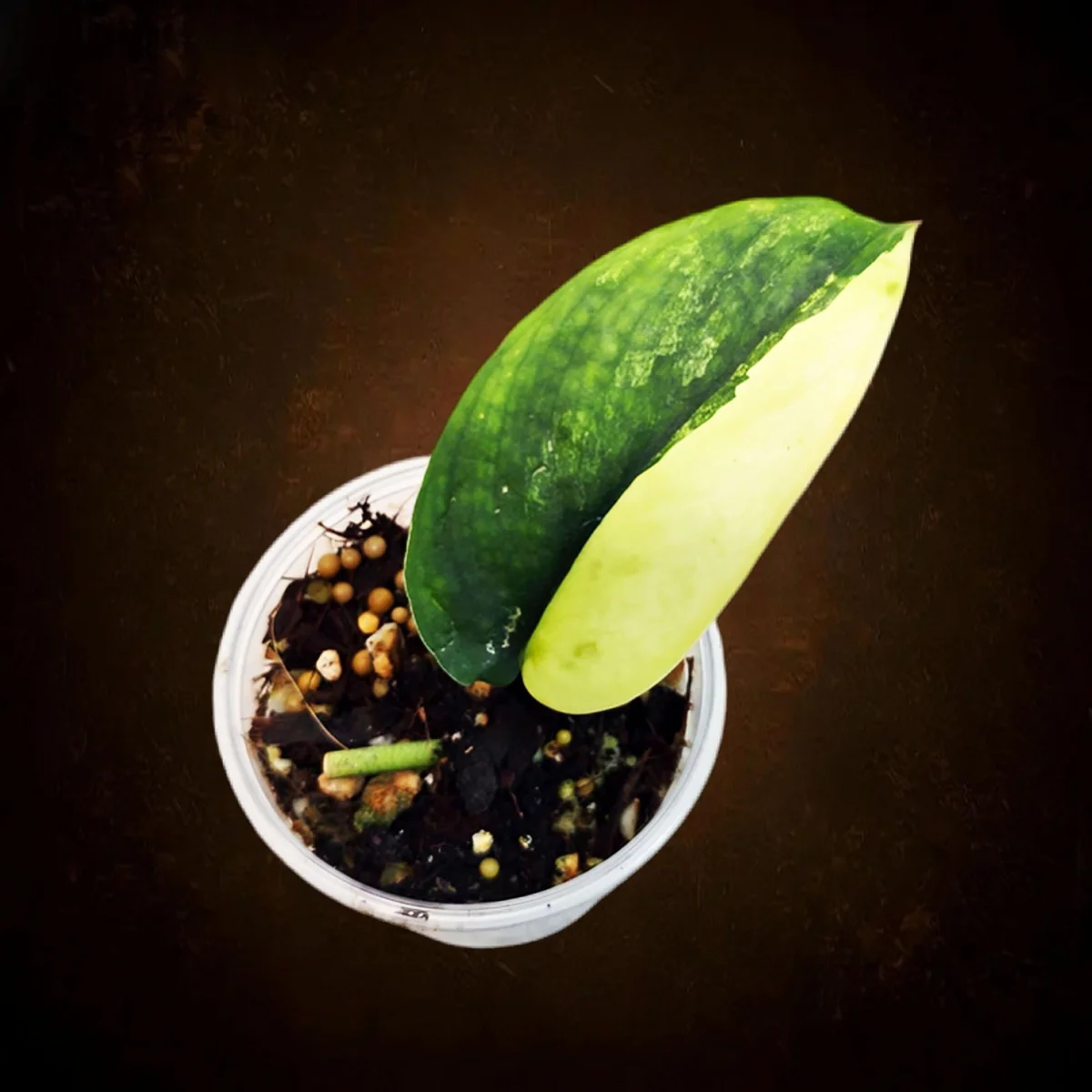
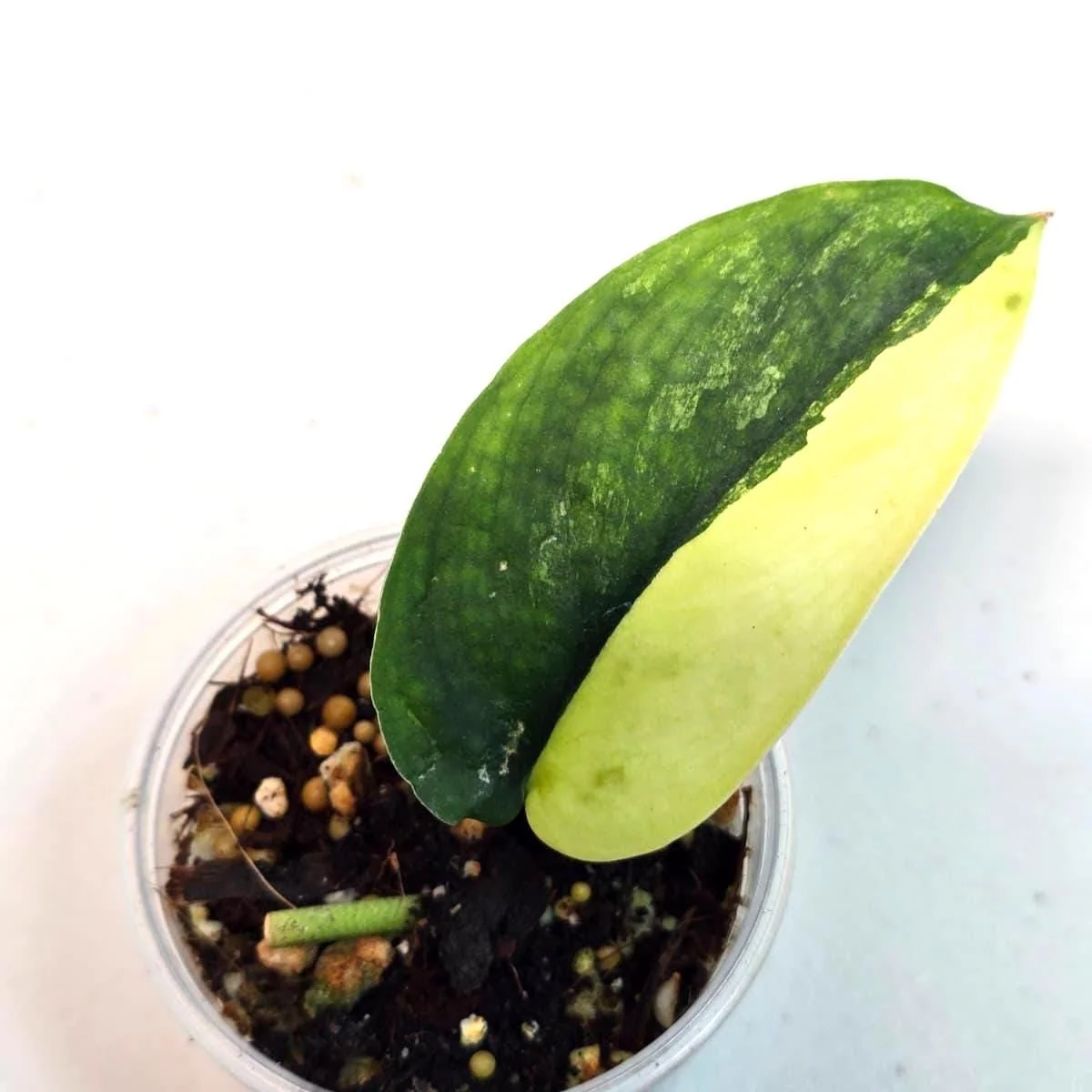
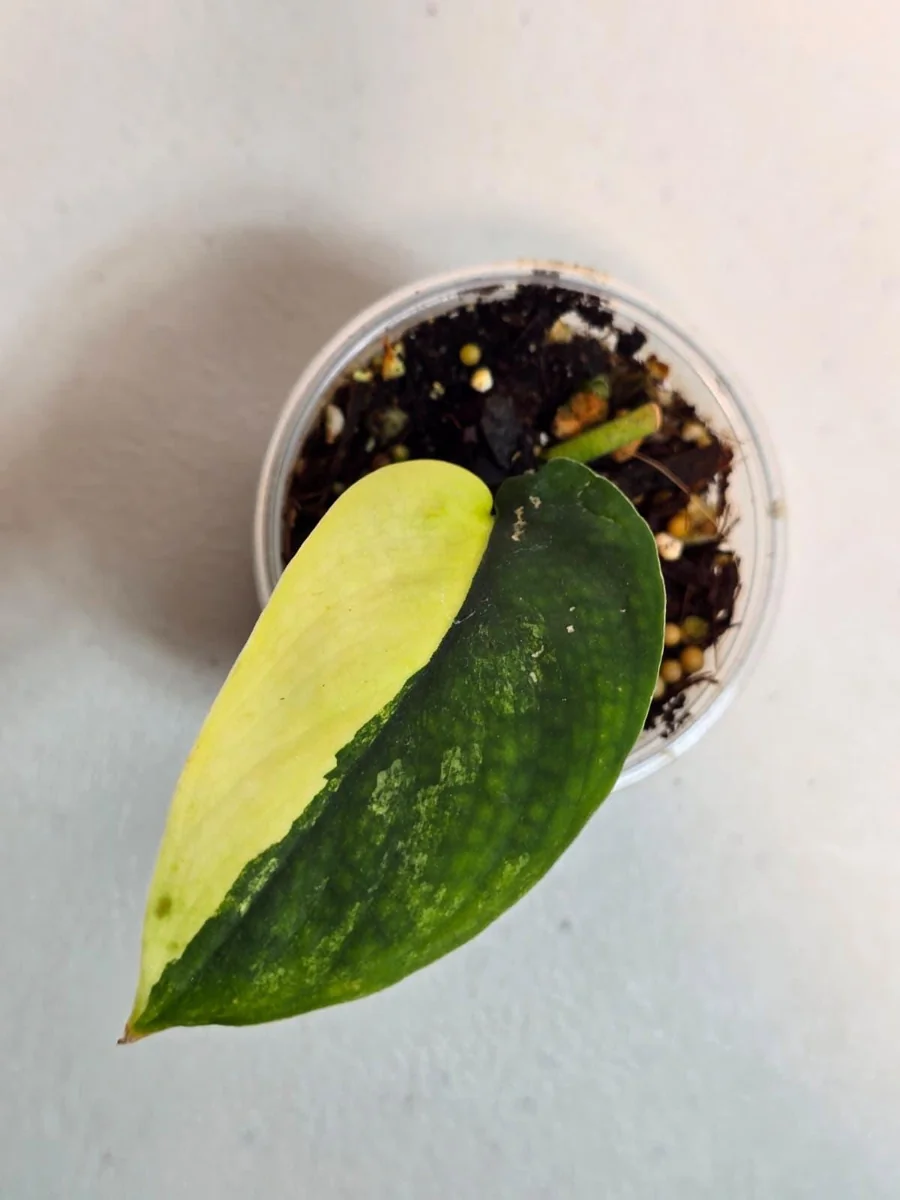
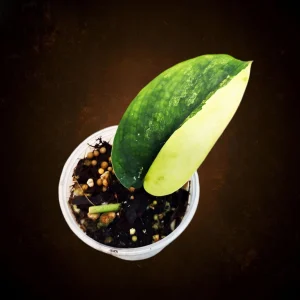
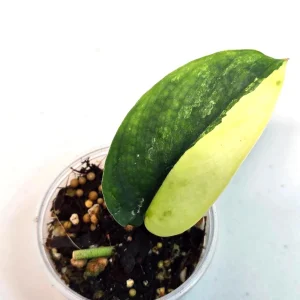
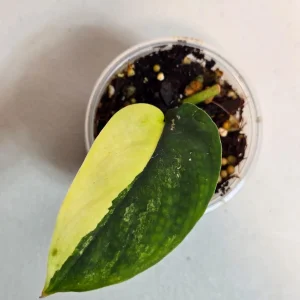
Introduce a touch of exotic elegance to your indoor plant collection with the magnificent variegated scindapsus pictus jade satin. This highly sought-after live plant, often referred to as ‘Satin Pothos’ or ‘Silver Pothos’ due to its velvety texture and shimmering variegation, is a must-have for enthusiasts and beginners alike. Known for its distinctive heart-shaped foliage adorned with striking silver-green patterns on a darker green background, the ‘Jade Satin’ variety offers a unique aesthetic. As a vining plant, it gracefully cascades from hanging baskets or can be trained to climb, adding lush, living decor to any space. This particular offering provides the exact plant pictured, ensuring you receive the beautiful specimen you select. Its relatively easy care requirements make it an ideal choice for adding a vibrant, natural element to your home or office environment.
The variegated scindapsus pictus jade satin is a tropical plant that brings a serene and sophisticated vibe to any indoor setting. Its lush foliage and easy-going nature make it a rewarding plant to grow. Whether you are expanding a burgeoning plant collection or starting fresh, this exquisite variety offers both visual appeal and a pleasant growing experience. Its unique coloration and growth habit distinguish it from other houseplants, making it a focal point wherever it is placed. This rare collector plant is not only beautiful but also embodies a piece of nature’s artistry.
Key Benefits
The variegated scindapsus pictus jade satin offers numerous advantages that make it a favorite among plant lovers. Its striking appearance and adaptable nature contribute to a healthier and more beautiful living space. Here are some of the key benefits:
- Stunning Visual Appeal: The heart-shaped leaves with their unique silver-green and dark green variegation create a captivating display. This makes the variegated scindapsus pictus jade satin a perfect decorative element for shelves, desks, or hanging baskets, enhancing any room’s aesthetic.
- Air Purification: Like many houseplants, this Scindapsus variety helps to improve indoor air quality by filtering out common toxins. It contributes to a fresher and healthier environment for you and your family.
- Low Maintenance: Despite its exotic appearance, the ‘Jade Satin’ is relatively easy to care for, making it suitable for both seasoned plant parents and those new to gardening. Its forgiving nature makes scindapsus pictus care straightforward.
- Versatile Growth Habit: This vining plant can be displayed in multiple ways – trailing elegantly from a pot, climbing up a moss pole, or simply sitting on a tabletop. This versatility allows for creative decor arrangements in various settings.
- Collector’s Item: The ‘Jade Satin’ variety is considered a rare collector plant, making it a valuable addition to any serious plant collection. Owning one adds a unique touch and conversation starter to your home.
- Stress Reduction: Studies show that having plants indoors can reduce stress and improve overall well-being. The calming presence of this beautiful foliage plant contributes to a more relaxing atmosphere.
- Adaptable to Indoor Conditions: This plant thrives in typical indoor environments, adapting well to average household temperatures and humidity levels, provided its basic needs for light and water are met.
Plant Care & Growing Tips
Proper scindapsus pictus care ensures your ‘Jade Satin’ thrives and displays its full beauty. This plant is relatively forgiving, but understanding its specific needs will lead to the most vibrant growth. For light, the variegated scindapsus pictus jade satin prefers bright, indirect light. Placing it near an east or north-facing window is ideal. It can tolerate lower light conditions, but its variegation will become less pronounced, and growth may slow. Direct sunlight, especially harsh afternoon sun, should be avoided as it can scorch the delicate leaves, causing brown spots. Rotating your plant occasionally will encourage even growth and variegation on all sides.
When it comes to watering, allow the top inch or two of the soil to dry out completely before watering thoroughly. It’s crucial to avoid overwatering, as this can lead to root rot, a common issue for many houseplants. Ensure your pot has adequate drainage holes to prevent water from sitting at the bottom. During the warmer growing season (spring and summer), you may need to water more frequently, while in the dormant period of fall and winter, reduce watering. The ideal soil for your indoor vining plant should be well-draining and peat-based. Incorporating perlite or orchid bark into your potting mix can significantly improve drainage and aeration, which is vital for healthy root development.
This tropical plant generally prefers temperatures between 65-80°F (18-27°C) and average to high humidity. While it tolerates typical household humidity, providing extra humidity through misting, a pebble tray, or a humidifier can encourage more vigorous growth and prevent crispy leaf edges. Fertilize sparingly during the growing season (spring and summer) with a balanced liquid fertilizer diluted to half strength, once every 2-4 weeks. Reduce or stop fertilizing during the fall and winter months. The ‘Jade Satin’ is generally pest-resistant, but keep an eye out for common houseplant pests like spider mites or mealybugs, and treat promptly if detected. Understanding scindapsus pictus care is key to a flourishing plant.
Size & Details
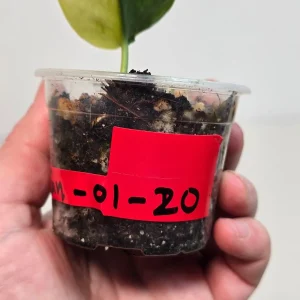
The variegated scindapsus pictus jade satin offered is a live plant, carefully cultivated and ready to thrive in its new home. It comes established in a nursery pot, ensuring it has a healthy root system and is accustomed to potted life. The exact size will vary slightly as it is a living product, but typically, these plants are shipped at a stage where they have begun to develop their characteristic vining stems and several beautifully variegated leaves. You can expect a plant that is well-rooted and robust, ready for continued growth.
This particular offering ensures you receive the SAME plant that is depicted, providing transparency and confidence in your purchase. As an indoor vining plant, its growth rate is moderate, allowing it to develop noticeable length within a few months with proper care. Its ultimate size is largely dependent on its growing conditions and whether it is allowed to trail or climb. With good support, it can produce vines several feet long, making it a dramatic feature. It is ideal for a 4-6 inch pot initially, with repotting recommended every 1-2 years or when it becomes root-bound, moving up one pot size at a time.
Frequently Asked Questions
- Q: How big does the variegated scindapsus pictus jade satin get? A: As a vining plant, its length can vary significantly. With proper care and support, vines can grow several feet long, making it suitable for hanging baskets or climbing structures. The spread depends on how you choose to train it.
- Q: Is this an indoor or outdoor plant? A: The variegated scindapsus pictus jade satin is primarily an indoor houseplant. It thrives in typical indoor conditions and is not suited for outdoor environments in most climates, especially where temperatures drop below 50°F (10°C).
- Q: How much sunlight does my satin pothos variegated need? A: This plant prefers bright, indirect light. Avoid direct sunlight, which can scorch its leaves. An east or north-facing window is usually ideal, or a spot a few feet away from a south or west-facing window.
- Q: Is this plant easy to care for? A: Yes, the ‘Jade Satin’ is considered relatively easy to care for, making it a good choice for beginners and experienced plant enthusiasts alike. Its main requirements are bright, indirect light and careful watering to avoid overwatering.
- Q: What condition will the plant arrive in? A: The plant is carefully packaged to ensure its well-being during transit. You will receive the exact potted plant shown, well-rooted and in good health, ready to be introduced to your home.
- Q: Is the variegated scindapsus pictus jade satin pet-safe? A: No, like many houseplants, Scindapsus pictus is considered toxic if ingested by pets or humans. It’s best to keep it out of reach of curious pets and small children.
- Q: How often should I water my rare collector plant? A: Water when the top 1-2 inches of soil feel dry to the touch. This typically means once every 1-2 weeks, but it can vary based on light, temperature, and humidity levels in your home. Always ensure good drainage.
- Q: What kind of soil is best for scindapsus pictus care? A: A well-draining, peat-based potting mix is recommended. You can enhance drainage by adding perlite, orchid bark, or coarse sand to your soil mix.
- Q: Can I propagate this plant? A: Yes, the ‘Jade Satin’ is relatively easy to propagate from stem cuttings. Simply take a cutting with a few leaves and a node, and place it in water or moist soil until roots develop.
- Q: Why are my leaves turning yellow? A: Yellowing leaves often indicate overwatering or underwatering. Check the soil moisture and adjust your watering schedule. It can also be a sign of nutrient deficiency or too much direct light.


Reviews
There are no reviews yet.