Overview
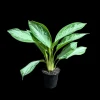
Welcome prosperity and natural beauty into your home or office with this exquisite money tree live plant. Scientifically known as Pachira Aquatica, this popular houseplant is renowned not only for its attractive braided trunk and lush, palmate leaves but also for its symbolic association with good fortune and financial success. Originating from the wetlands of Central and South America, the money tree has become a beloved fixture in homes and businesses worldwide, particularly in Feng Shui practices. Our money tree live plant arrives ready to thrive, bringing a touch of tropical elegance and positive energy to your environment. Its vibrant green foliage and unique structure make it a stunning focal point, while its relatively easy care requirements ensure it’s a joy for both novice and experienced plant enthusiasts.
The money tree live plant is often characterized by its distinctive braided trunk, a feature created by intertwining multiple young stems as they grow. This practice is not only aesthetically pleasing but is also thought to help ‘trap’ good luck within the plant. Each plant is a miniature ecosystem, offering a calming presence and a connection to nature. Whether you’re looking to enhance your decor, improve air quality, or invite positive vibes, this plant is an excellent choice. Its adaptability to various indoor conditions makes it a resilient and long-lasting companion.
Key Benefits
Beyond its striking appearance, the money tree live plant offers a multitude of benefits that make it a cherished addition to any indoor setting. Its presence contributes to a healthier and more harmonious living or working space.
- Symbol of Prosperity & Good Fortune: The primary appeal of the money tree live plant is its strong association with wealth, prosperity, and good luck. Many believe it can attract positive financial energy into a home or business, making it a popular gift and personal acquisition.
- Natural Air Purifier: Like many houseplants, the Money Tree helps to purify the air by absorbing common indoor toxins and releasing fresh oxygen. This contributes to a healthier indoor environment, potentially reducing respiratory irritants and improving overall well-being.
- Enhances Feng Shui: The money tree is a highly regarded plant in Feng Shui, often placed in wealth corners to enhance positive energy flow and promote abundance. Its unique form and vibrant green symbolize growth and vitality.
- Low Maintenance & Easy Care: Despite its exotic appearance, the indoor money tree is surprisingly forgiving and easy to care for, making it an excellent choice for busy individuals or those new to plant parenting. It tolerates a range of conditions and requires minimal attention.
- Aesthetic Appeal: With its glossy, emerald-green leaves and often braided trunk, the Money Tree is a visually stunning plant that adds a touch of sophistication and tropical flair to any room. It complements various decor styles, from modern minimalist to bohemian.
- Stress Reduction: Studies show that having plants in the home or office can reduce stress levels, improve mood, and increase productivity. The calming presence of an indoor money tree can contribute to a more relaxed and peaceful atmosphere.
- Long-Lasting Companion: With proper care, a Money Tree can live for many years, growing into a substantial and impressive specimen. It’s a living investment that continues to give back through its beauty and symbolic value.
Plant Care & Growing Tips
Caring for your money tree live plant is straightforward, ensuring it thrives and continues to bring beauty and positive energy to your space. Understanding its basic needs for light, water, and soil will set you up for success. The key to successful pachira aquatica care is consistency, without overdoing it.
Sunlight Requirements: The Money Tree prefers bright, indirect light. Place it near a window where it can receive plenty of natural light without direct sun exposure, which can scorch its leaves. An east-facing window is often ideal, providing gentle morning sun. If your home lacks sufficient natural light, a grow light can supplement its needs. Rotate your plant every few weeks to ensure even growth on all sides. This helps maintain its symmetrical form and prevents it from leaning towards the light source.
Watering Schedule & Soil Moisture: Water your indoor money tree thoroughly when the top 1-2 inches of soil feel dry to the touch. Allow the water to drain completely from the bottom of the pot to prevent root rot, which is a common issue with overwatering. Do not let the plant sit in standing water. During winter months or periods of lower light, reduce watering frequency as the plant’s growth slows. Underwatering can cause leaves to droop or turn yellow, while overwatering is often more detrimental.
Soil Type & Drainage: A well-draining potting mix is crucial for the Money Tree. A standard houseplant mix amended with perlite or sand to improve drainage works well. Ensure the pot has drainage holes to prevent waterlogging. The ideal soil pH for pachira aquatica care is slightly acidic to neutral. Good drainage is paramount to prevent the roots from sitting in soggy conditions, which can quickly lead to fungal issues and root decay.
Temperature & Humidity: Money Trees thrive in average room temperatures, ideally between 65-75°F (18-24°C). Avoid exposing them to sudden temperature fluctuations or cold drafts. They also appreciate high humidity, similar to their native tropical environment. You can increase humidity by misting the leaves regularly, placing the pot on a pebble tray filled with water (making sure the pot isn’t sitting directly in the water), or using a humidifier. This is particularly important during dry winter months when indoor heating can significantly reduce humidity.
Fertilization: Feed your money tree live plant once a month during the growing season (spring and summer) with a balanced liquid houseplant fertilizer diluted to half strength. Reduce or stop fertilizing during fall and winter when the plant’s growth naturally slows down. Over-fertilization can lead to salt buildup in the soil, which can harm the roots.
Pruning: Prune your Money Tree to maintain its shape and encourage bushier growth. You can trim back leggy stems or remove any yellowing or damaged leaves. Pruning is best done in spring or early summer. This also helps to manage the overall size of your indoor money tree.
Common Problems & Solutions: Yellowing leaves can indicate overwatering or nutrient deficiency. Drooping leaves often signify thirst. Brown leaf tips suggest low humidity. Pest issues like spider mites or mealybugs can be treated with neem oil or insecticidal soap. Consistent pachira aquatica care and observation will help you catch and address these issues early.
Size & Details
This money tree live plant is carefully cultivated and shipped in a 4 inch pot, providing a healthy root system ready to establish in its new home. At the time of shipment, the plant typically stands approximately 8-12 inches tall from the base of the pot, offering a compact yet impactful presence. The braided trunk, a hallmark of the braided money tree, is already well-formed, showcasing its unique aesthetic. This size is ideal for placement on desks, shelves, or as a charming centerpiece in smaller spaces. Money trees are moderate growers, and with proper care, they can reach heights of 6 feet or more indoors over many years, becoming a stately feature in your home.
The plant is shipped securely to ensure it arrives in excellent condition, minimizing stress during transit. Each plant is a unique natural specimen, so slight variations in height and leaf count are to be expected. The 4-inch nursery pot provides enough space for initial growth before requiring a larger container. Expect vibrant, healthy green foliage and a stable root ball, ensuring a smooth transition to your indoor environment. The money tree benefits from being repotted into a slightly larger pot every 1-2 years as it grows.
Frequently Asked Questions
- Q: How big does this money tree live plant get? A: This money tree live plant ships in a 4-inch pot and is typically 8-12 inches tall. Indoors, with proper care, it can grow to heights of 6 feet or more over several years, though its growth rate can be managed with pruning.
- Q: Is this an indoor or outdoor plant? A: While the Money Tree can grow outdoors in tropical climates, it is primarily cultivated and sold as an indoor money tree in the US. It thrives in typical indoor temperatures and humidity when provided with bright, indirect light.
- Q: How much sunlight does my money tree need? A: Your money tree live plant prefers bright, indirect light. Avoid direct, harsh sunlight which can scorch its leaves. An east-facing window or a spot a few feet away from a south or west-facing window is usually ideal.
- Q: Is this plant easy to care for? Is it good for beginners? A: Yes, the Money Tree is considered relatively easy to care for and is a great choice for beginners. Its forgiving nature and clear signs of needing water make pachira aquatica care manageable for new plant owners.
- Q: What kind of soil should I use for my money tree? A: A well-draining potting mix is essential. You can use a general-purpose houseplant soil amended with perlite or sand to enhance drainage, ensuring the roots don’t sit in soggy conditions.
- Q: How often should I water my money tree? A: Water thoroughly when the top 1-2 inches of soil feel dry to the touch. Allow excess water to drain completely. The frequency will depend on factors like light, temperature, and humidity, but typically every 1-2 weeks.
- Q: Are money trees pet-safe? A: The Money Tree (Pachira Aquatica) is generally considered non-toxic to cats and dogs, according to the ASPCA. However, it’s always best to prevent pets from ingesting large quantities of any plant material. This makes the money tree benefits accessible even to pet owners.
- Q: Why are the leaves on my money tree turning yellow? A: Yellowing leaves often indicate overwatering. Ensure you are letting the topsoil dry out between waterings and that the pot has good drainage. It can also sometimes be a sign of insufficient light or nutrient deficiency.
- Q: Can I really get financial benefits from a money tree? A: While the money tree benefits are largely symbolic and cultural, many believe its presence can attract positive energy and good fortune. Its primary tangible benefits are its aesthetic appeal and air-purifying qualities.
- Q: How do I get the braided trunk on my money tree? A: The braided trunk is created by growers who intertwine multiple young stems as they grow. Your plant will arrive with the braid already formed. New growth will extend from the top of the braided section.


Reviews
There are no reviews yet.