Overview
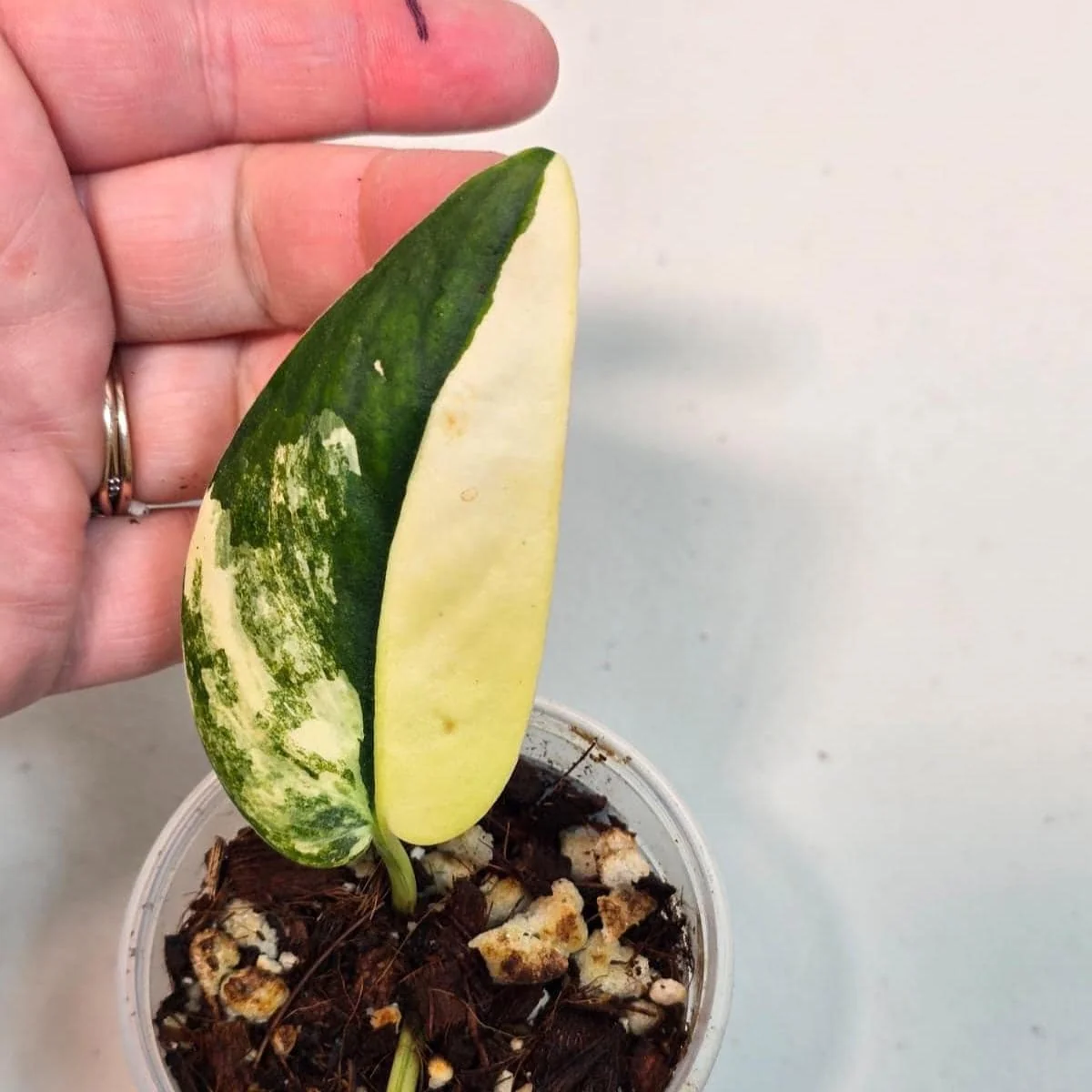
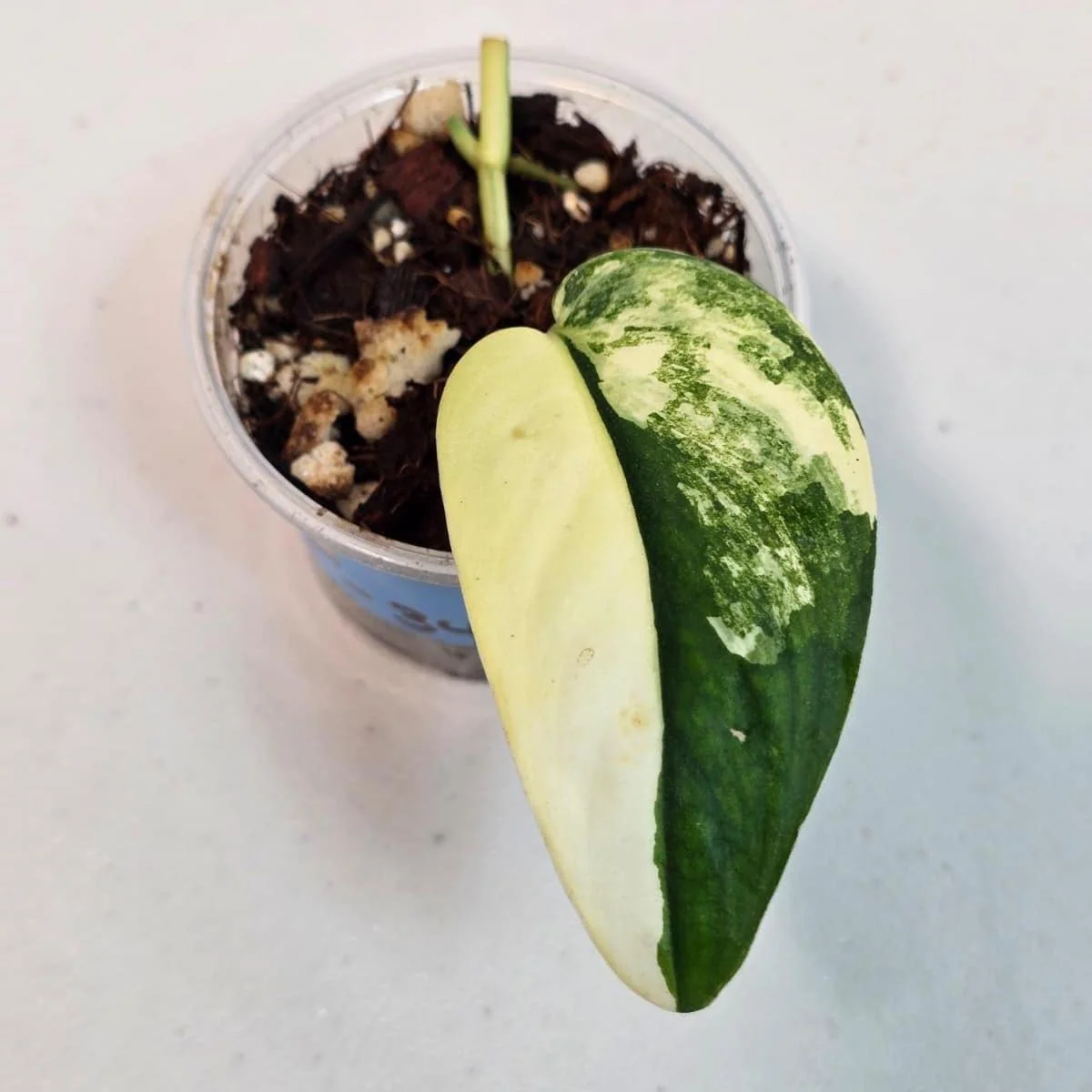
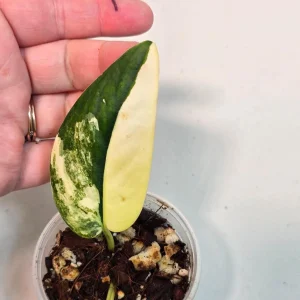
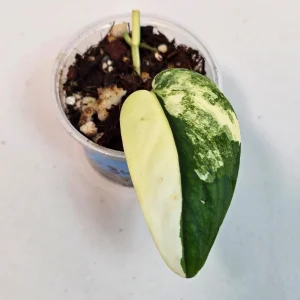
Elevate your indoor plant collection with the magnificent variegated scindapsus pictus jade satin, a truly captivating live plant renowned for its stunning foliage. This particular variety, often celebrated as a rare collector plant, boasts heart-shaped leaves adorned with an intricate pattern of creamy-white to light yellow variegation against a rich, dark green background. As a vining plant, it gracefully trails, creating a lush, cascading effect that adds a touch of natural elegance to any home or office space. The ‘Jade Satin’ is a cultivar of Scindapsus pictus, commonly known as Satin Pothos, but its distinct variegation sets it apart, making it a prized possession for plant enthusiasts and collectors alike. Its relatively easy care requirements, combined with its striking appearance, make it a rewarding addition to both novice and experienced plant parents’ collections. Experience the unique beauty and serene presence this exceptional houseplant brings.
The visual appeal of the variegated scindapsus pictus jade satin is undeniable, with each leaf presenting a unique mosaic-like pattern. This plant is not only a feast for the eyes but also a delightful conversation starter, inviting admiration for its natural artistry. Its preference for bright, indirect light ensures its vibrant colors remain prominent, making it an ideal choice for well-lit indoor environments. Whether displayed on a shelf, in a hanging basket, or as part of a larger plant arrangement, its vining habit allows for versatile styling options. This live plant arrives ready to thrive in its new home, promising to be a source of continuous beauty and tranquility.
Key Benefits
The variegated scindapsus pictus jade satin offers a multitude of benefits, making it an excellent choice for enhancing your living space and well-being. Its unique characteristics contribute to both aesthetic appeal and a healthier indoor environment.
- Stunning Aesthetic Appeal: The primary draw of this plant is its breathtaking foliage. The distinct silver-green variegation on heart-shaped leaves creates a visually appealing contrast that can brighten any room and serve as a focal point in your decor. Its cascading vines add a dynamic element to vertical spaces.
- Air Purification Qualities: Like many houseplants, the variegated scindapsus pictus jade satin contributes to improved indoor air quality by filtering out common airborne toxins. This natural purification helps create a fresher and healthier living environment.
- Relatively Low Maintenance: Despite its exotic appearance, this plant is surprisingly forgiving, making it suitable for those with varying levels of plant care experience. It tolerates occasional neglect and signals its needs clearly, making it easy to learn its rhythm.
- Versatile Decor Element: Its vining habit makes it incredibly versatile. It can be displayed in hanging baskets, allowed to trail down from shelves, or even trained to climb, offering numerous options to integrate it seamlessly into your home’s aesthetic.
- Collector’s Item: For plant enthusiasts, this specific ‘Jade Satin’ cultivar is a highly sought-after rare collector plant. Owning one adds prestige and uniqueness to your collection, appealing to those who appreciate botanical rarities.
- Stress Reduction: The presence of greenery in indoor spaces has been linked to reduced stress levels and improved mood. Caring for a beautiful plant like the variegated scindapsus pictus jade satin can be a therapeutic and calming activity.
- Easy Propagation: This plant is relatively easy to propagate from stem cuttings, allowing you to expand your collection or share its beauty with friends and family. This makes it a sustainable and rewarding plant to own.
Plant Care & Growing Tips
Caring for your variegated scindapsus pictus jade satin is straightforward, ensuring this beautiful specimen thrives in your home. Understanding its basic needs for light, water, and soil will allow you to enjoy its lush foliage for years to come. This plant is known for being relatively forgiving, making it an excellent choice even for those new to caring for a rare collector plant.
Light: The variegated scindapsus pictus jade satin flourishes in bright, indirect light. Place it near an east or west-facing window where it can receive ample light without direct sun exposure, which can scorch its delicate leaves and fade its vibrant variegation. While it can tolerate lower light conditions, its unique patterns will be more pronounced and the plant will grow more robustly with adequate brightness. Avoid placing it in very dim corners, as this can lead to leggy growth and a loss of variegation. Rotating the plant occasionally will ensure even growth and light exposure for all sides.
Watering: Proper watering is crucial for the health of your scindapsus jade satin care. Allow the top 1-2 inches of soil to dry out completely before watering thoroughly. When watering, ensure water drains freely from the pot’s drainage holes to prevent root rot. During the warmer growing season (spring and summer), you’ll likely need to water more frequently. In the dormant period of fall and winter, reduce watering frequency as the plant’s metabolic rate slows. Always check the soil moisture with your finger before watering to avoid over or under-watering. The leaves may curl or droop slightly when thirsty, indicating it’s time for a drink.
Soil and Humidity: Use a well-draining, peat-based potting mix for your variegated scindapsus pictus jade satin. Incorporating perlite or orchid bark can further improve drainage and aeration, which is vital for healthy root development. Ensure the pot has adequate drainage holes. This plant appreciates moderate to high humidity, typical of its native tropical environment. You can increase humidity by misting the leaves regularly, placing the pot on a pebble tray with water, or using a humidifier, especially in dry indoor environments or during winter when heating systems are active. Average room temperatures between 65-80°F (18-27°C) are ideal. Avoid sudden temperature fluctuations or cold drafts.
Fertilization and Pruning: Feed your silver scindapsus with a balanced liquid fertilizer diluted to half strength every 2-4 weeks during its active growing season (spring and summer). Reduce or cease fertilization during fall and winter. Pruning can be done to maintain its shape, encourage bushier growth, or propagate new plants. Simply snip off leggy stems just below a node. This also helps in keeping the plant healthy and full. Regularly inspect your plant for common pests like spider mites or mealybugs and treat them promptly with organic pest control methods if necessary.
Size & Details
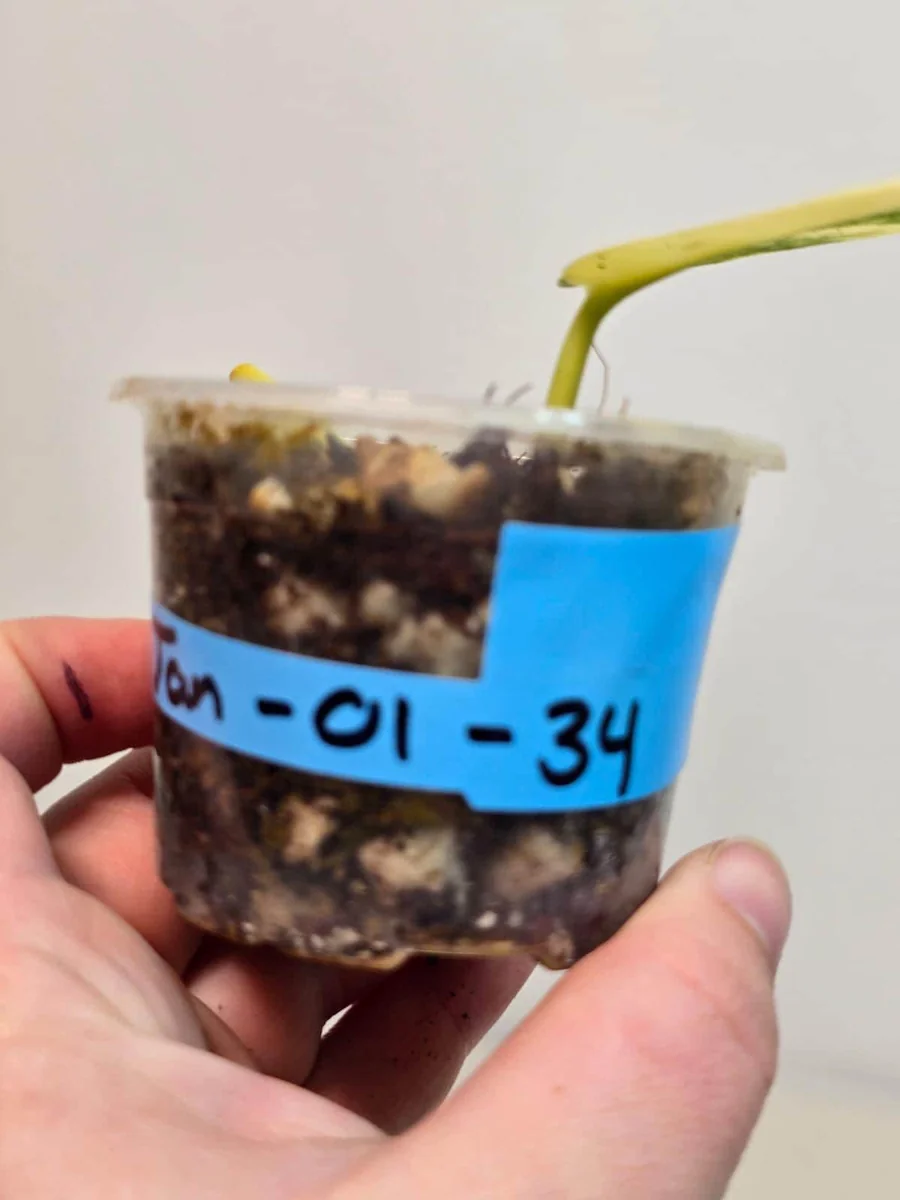
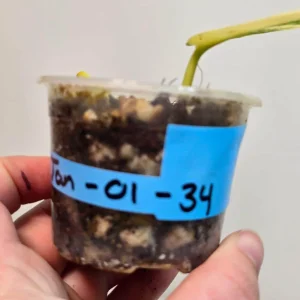
The variegated scindapsus pictus jade satin is a live plant that arrives in a nursery pot, ready for you to enjoy and integrate into your home decor. This particular offering includes the SAME potted plant as pictured, ensuring you receive the exact specimen you’ve admired. This eliminates any guesswork, providing confidence in your purchase of this unique indoor vining plant. The plant’s size can vary slightly depending on its growth stage, but it typically features multiple healthy vines, providing an immediate lush appearance. The nursery pot size is ideal for establishing the plant before it requires repotting into a larger decorative container.
As a vining plant, its growth rate is moderate, and with proper scindapsus jade satin care, its vines can extend several feet, creating a beautiful trailing or climbing display. The individual leaves are heart-shaped and can grow to be a few inches in length, showcasing their distinctive variegation. This plant is primarily cultivated for its striking foliage and does not typically produce showy flowers when grown indoors. It is an excellent choice for adding texture and color to plant arrangements or as a standalone statement piece. Expect a healthy, well-rooted plant that is actively growing, ready to adapt to its new environment and continue its captivating development.
Frequently Asked Questions
- Q: How big does this plant get? A: The variegated scindapsus pictus jade satin is a vining plant, and its vines can grow quite long, often several feet, depending on care and growing conditions. The individual leaves typically reach a few inches in size. You can prune it to maintain a desired length and bushiness.
- Q: What size pot does it come in? A: This offering includes the SAME potted plant as shown in the images, which comes in a standard nursery pot suitable for its current size. The exact diameter of the pot may vary but is typically a common size for houseplants of this type, such as a 4-inch or 6-inch pot.
- Q: Is this an indoor or outdoor plant? A: The variegated scindapsus pictus jade satin is primarily an indoor vining plant. It thrives in typical household temperatures and humidity. It can be placed outdoors in very warm, humid, and shaded conditions, but it is not frost-tolerant and should be brought inside if temperatures drop below 50°F (10°C).
- Q: How much sunlight does it need? A: This plant prefers bright, indirect light. Avoid direct sunlight, which can scorch its leaves and diminish the variegation. A spot near an east or west-facing window, or a few feet away from a south-facing window, is usually ideal for optimal scindapsus jade satin care.
- Q: Is this plant easy to care for? A: Yes, despite being a rare collector plant, the ‘Jade Satin’ Scindapsus is considered relatively easy to care for, making it suitable for both beginners and experienced plant enthusiasts. Its needs are straightforward, and it tolerates some neglect better than many other houseplants.
- Q: What condition will it arrive in? A: You will receive the SAME potted plant as depicted, carefully packaged to ensure its well-being during transit. It will arrive healthy and actively growing, with its root system intact within the nursery pot.
- Q: Is it pet-safe? A: Like many plants in the Araceae family, Scindapsus pictus contains calcium oxalates, which can be irritating if ingested. It is generally considered mildly toxic to pets and humans if consumed. It’s best to keep it out of reach of curious pets and small children.
- Q: How often should I water my silver scindapsus? A: Water when the top 1-2 inches of soil feel dry to the touch. This typically means watering every 7-14 days, but it can vary based on light, humidity, and temperature. Always ensure good drainage to prevent root rot.
- Q: Does this plant need high humidity? A: While it can tolerate average household humidity, the variegated scindapsus pictus jade satin appreciates moderate to high humidity, which mimics its natural habitat. Misting or using a pebble tray can help if your home’s air is very dry.
- Q: When is the best time to repot this plant? A: Repot your Scindapsus when it becomes root-bound, typically every 1-2 years. The best time to repot is during the spring or early summer when the plant is actively growing.


Reviews
There are no reviews yet.