Overview
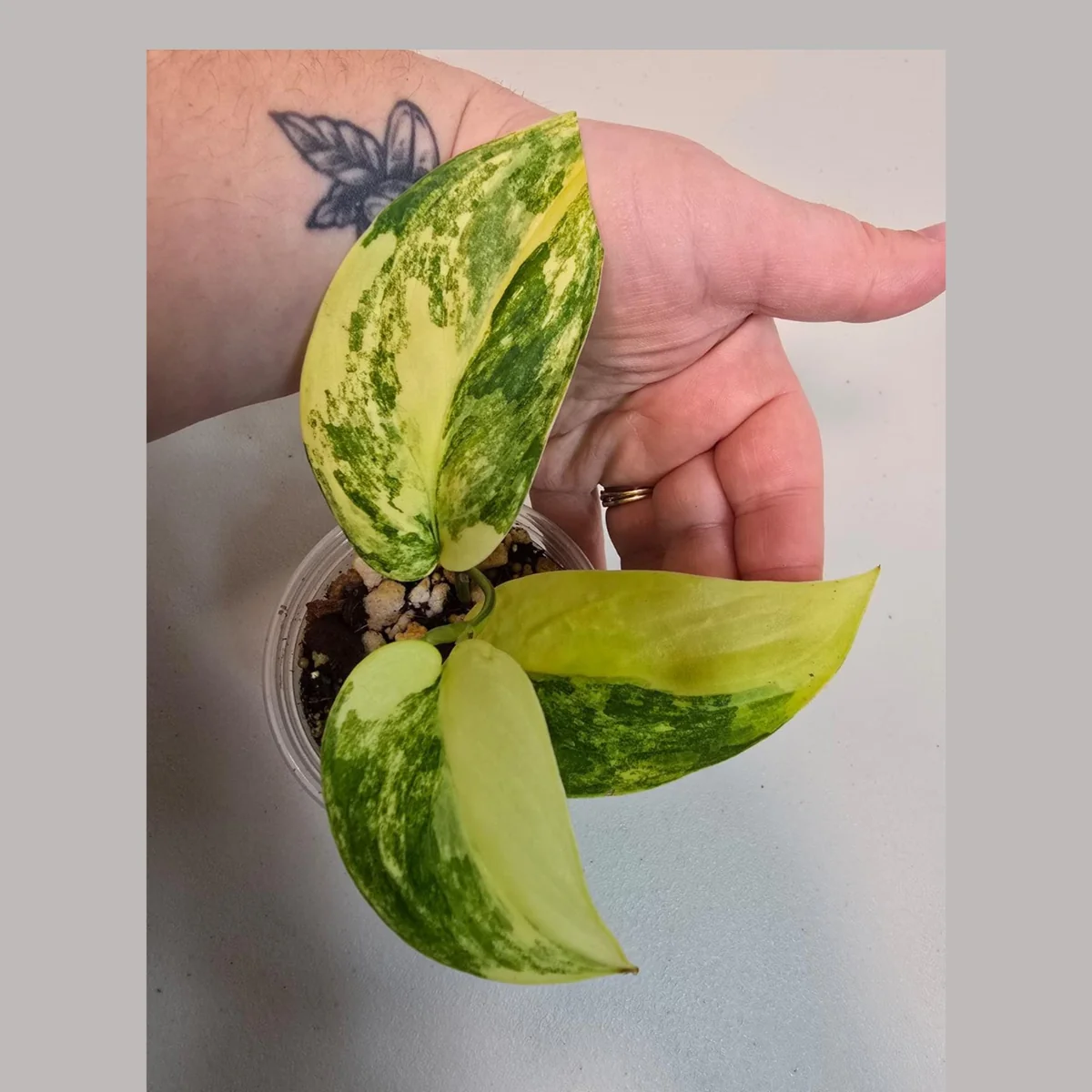
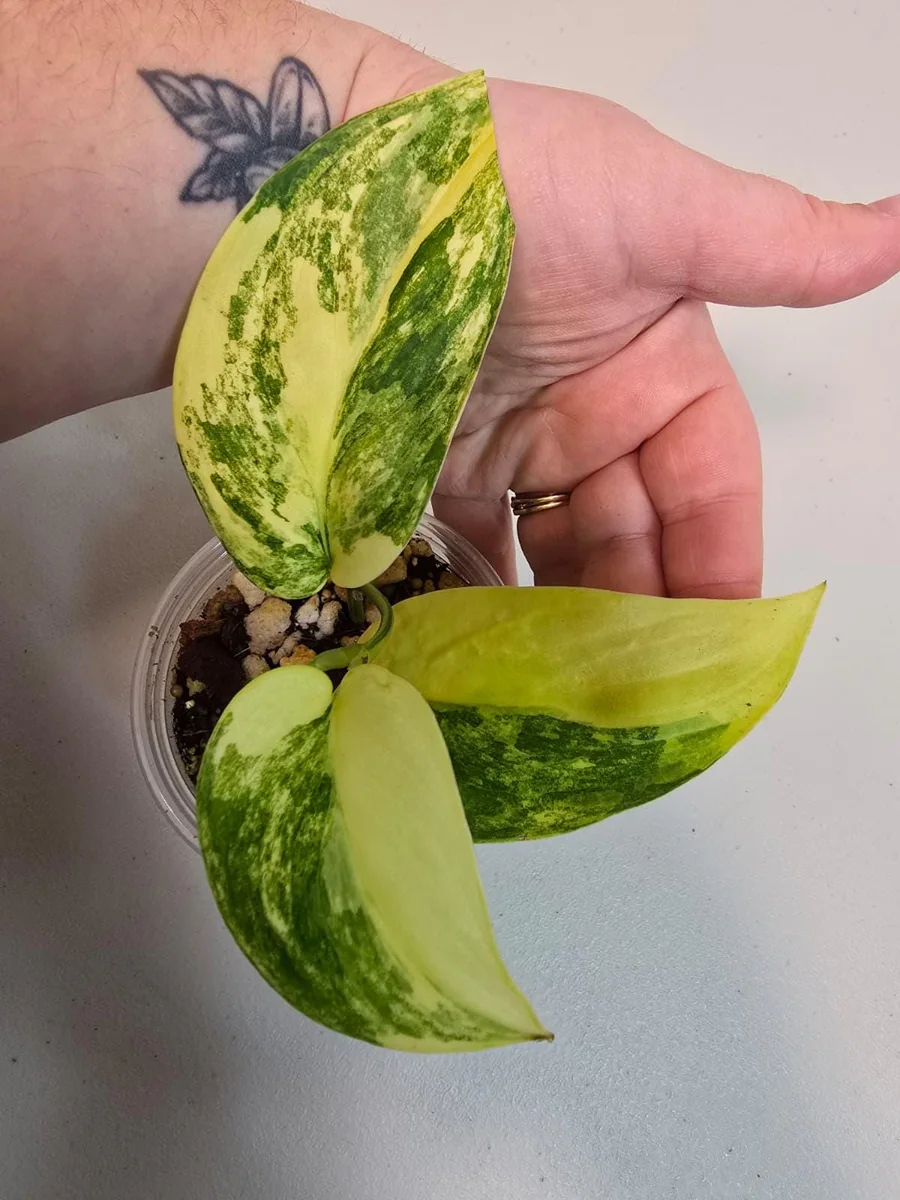
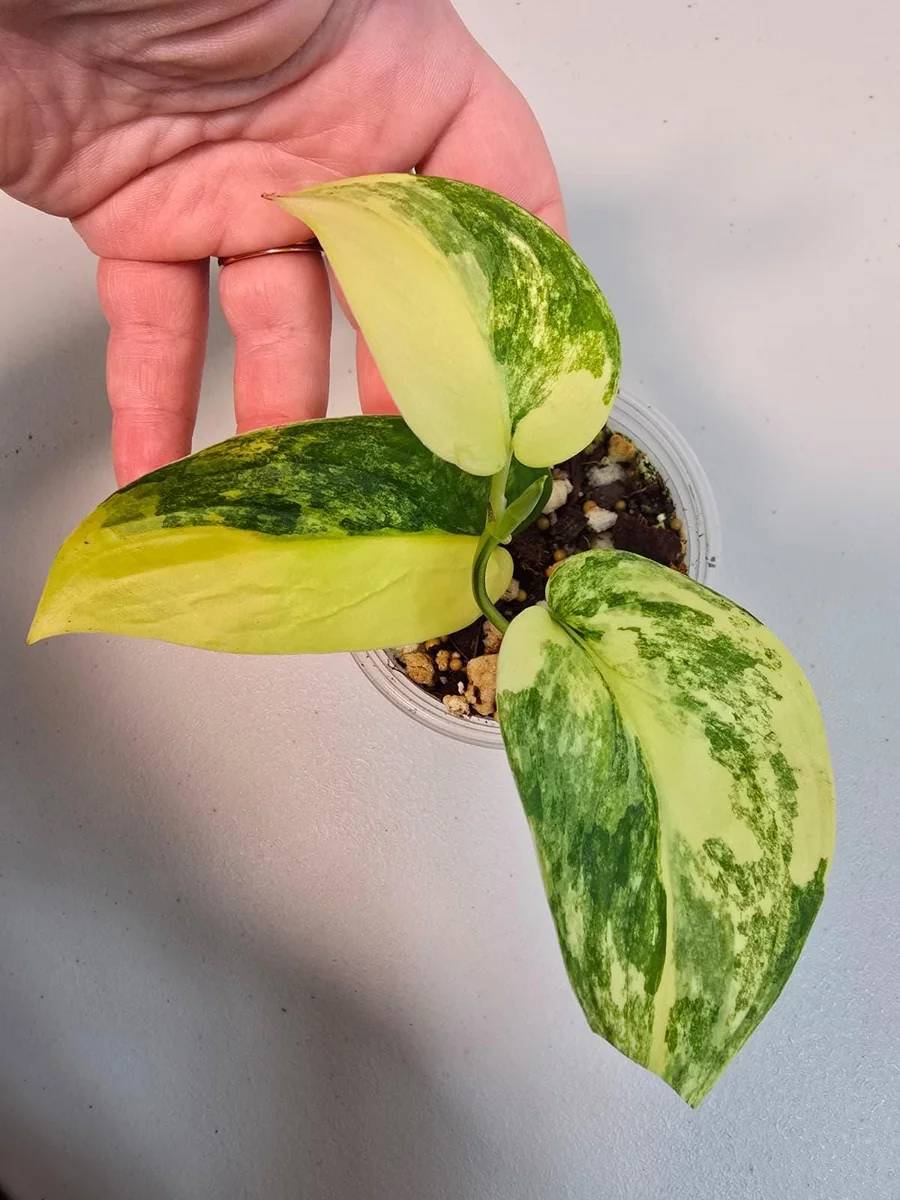
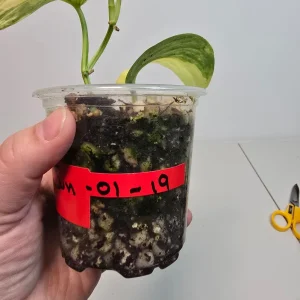
Introduce a touch of elegance and rarity to your indoor plant collection with the magnificent variegated scindapsus pictus jade satin. This live plant is a highly sought-after specimen among collectors, known for its distinctive foliage and manageable care requirements. The leaves are a true spectacle, displaying a striking variegation pattern of creamy-white or light yellow patches set against a rich, dark green. Each heart-shaped leaf is unique, making every plant a living piece of art. As a vining plant, the variegated scindapsus pictus jade satin gracefully trails, adding a lush, cascading element to any room. This is a must-have for anyone looking to expand their collection with a truly special and visually appealing houseplant. Its relatively easy care makes it suitable for both experienced plant parents and those looking to elevate their indoor gardening game.
Key Benefits
The variegated scindapsus pictus jade satin offers numerous advantages, making it a prized addition to any home. Its unique aesthetic and relatively straightforward care contribute to its popularity and appeal.
- Stunning Variegated Foliage: The primary draw of this plant is its breathtaking variegation. The creamy-white to light yellow patterns on dark green leaves create a striking contrast that instantly captures attention and adds a sophisticated touch to your interior decor.
- Collector’s Item: As a rare scindapsus plant, the ‘Jade Satin’ variety is highly valued by plant enthusiasts and collectors. Owning one means possessing a unique specimen that stands out from more common houseplants.
- Air Purification: Like many houseplants, Scindapsus varieties are known to help purify indoor air by removing certain toxins, contributing to a healthier living environment.
- Versatile Display: Its vining growth habit makes it perfect for a variety of display options. Hang it in a basket, let it trail from a shelf, or train it to climb a moss pole for an upright display.
- Low to Moderate Maintenance: While it is a rare plant, the scindapsus jade satin care requirements are surprisingly manageable. It thrives with consistent, indirect light and proper watering, making it accessible for many indoor gardeners.
- Enhances Aesthetics: The lush, variegated foliage brings a vibrant and natural element into your home, enhancing the overall aesthetic and creating a calming atmosphere.
- Unique Texture: The slightly velvety texture of the leaves adds another layer of sensory appeal, distinguishing it from other foliage plants.
Plant Care & Growing Tips
Proper scindapsus jade satin care is key to maintaining the vibrant variegation and overall health of this beautiful plant. Providing the right environment will ensure your variegated scindapsus pictus jade satin flourishes and continues to be a stunning feature in your home. This indoor trailing plant thrives with consistent attention to its specific needs.
Light: The variegated scindapsus pictus jade satin prefers bright, indirect light. This means placing it near a window that receives plenty of light but not direct sun, which can scorch its delicate leaves and fade the variegation. An east or north-facing window is often ideal. While it can tolerate lower light conditions, its distinctive variegation will be more pronounced and vibrant with adequate indirect light. Avoid very dim corners, as this can lead to leggy growth and less intense coloration.
Watering: Allow the top inch or two of the soil to dry out completely before watering thoroughly. When you water, ensure excess water drains out from the bottom of the pot to prevent root rot. During the peak growing season (spring and summer), you may need to water more frequently. In the dormant period (fall and winter), reduce watering as the plant’s metabolic rate slows down. Monitoring soil moisture is crucial, as both overwatering and underwatering can cause stress to the plant.
Soil: Use a well-draining, peat-based potting mix for your variegated scindapsus pictus jade satin. Incorporating perlite or orchid bark can significantly improve drainage and aeration, which are vital for healthy root development. Ensure the pot has adequate drainage holes to prevent water from sitting at the bottom. A good quality indoor potting mix designed for aroids or tropical plants is generally suitable.
Temperature and Humidity: This plant thrives in average household temperatures, typically between 65-80°F (18-27°C). Avoid exposing it to temperatures below 60°F (15°C) or sudden temperature fluctuations. As a tropical plant, it appreciates higher humidity. You can increase humidity by misting the leaves regularly, placing the pot on a pebble tray with water, or using a humidifier. This is particularly important for a collector houseplant to prevent crispy leaf edges.
Fertilization: During the growing season (spring and summer), feed your Scindapsus every 2-4 weeks with a balanced liquid fertilizer diluted to half strength. Reduce or cease fertilization during the fall and winter months when the plant is not actively growing. Over-fertilization can lead to nutrient burn, so always err on the side of caution.
Pruning: Prune your variegated scindapsus pictus jade satin to maintain its shape, encourage bushier growth, and propagate new plants. You can trim back leggy stems just above a node. Regular pruning also helps to remove any yellowing or damaged leaves, keeping the plant looking its best.
Size & Details
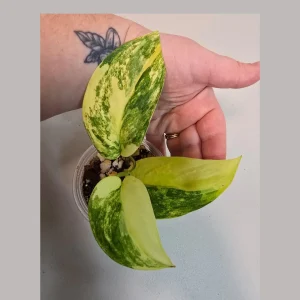
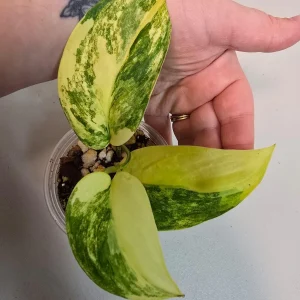
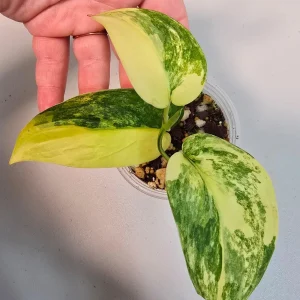
The variegated scindapsus pictus jade satin is provided as a live, potted plant, ready to be integrated into your home environment. This particular offering provides the exact plant pictured, ensuring you receive the unique specimen you select. As an indoor trailing plant, its vining stems can reach impressive lengths over time, creating a lush, cascading display. Individual leaves typically grow to be several inches long, showcasing their distinct variegation. The growth rate is moderate, allowing you to observe its development and changes throughout the seasons. It will arrive in a nursery pot, providing a secure base for its journey to your home. While the exact mature size depends on care and growing conditions, with proper support, it can become a substantial and impressive houseplant.
Frequently Asked Questions
- Q: How big does this plant get? A: The variegated scindapsus pictus jade satin is a vining plant, and its stems can grow quite long, often several feet, allowing it to trail beautifully. The leaf size typically ranges from 3-6 inches.
- Q: Is this an indoor or outdoor plant? A: This is primarily an indoor plant, especially in temperate climates. It thrives in typical household conditions and prefers stable temperatures, making it an ideal indoor trailing plant.
- Q: How much sunlight does it need? A: It requires bright, indirect light. Direct sunlight can harm its leaves, while too little light may cause the variegation to fade.
- Q: Is this plant easy to care for? A: Yes, the scindapsus jade satin care is considered low to moderate. It’s relatively forgiving, making it a good choice for those with some plant experience or eager beginners.
- Q: What condition will it arrive in? A: You will receive the exact plant shown in the product images, carefully packaged to ensure its well-being during transit as a live, potted specimen.
- Q: How often should I water my variegated scindapsus pictus jade satin? A: Water when the top 1-2 inches of soil feel dry to the touch. It’s better to slightly under-water than over-water to prevent root rot.
- Q: Is this a rare collector plant? A: Yes, the ‘Jade Satin’ variety of Scindapsus Pictus is considered a rare scindapsus plant and a highly sought-after collector houseplant due to its unique and striking variegation.
- Q: What kind of soil is best for this plant? A: A well-draining, peat-based potting mix is recommended. You can amend it with perlite or orchid bark to enhance drainage.
- Q: Can I propagate this plant? A: Absolutely! You can easily propagate the variegated scindapsus pictus jade satin from stem cuttings, which is a common way to expand your collection or share with friends.
- Q: Is this plant pet-safe? A: Scindapsus plants are generally considered mildly toxic if ingested, so it’s best to keep them out of reach of pets and small children.


Reviews
There are no reviews yet.